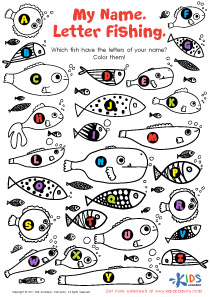
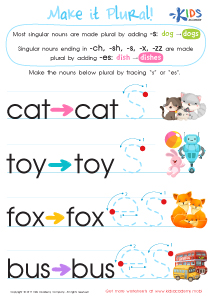
Alphabet Recognition Easy Letter Recognition Worksheets for Ages 7-9
5 filtered results
-
From - To
Enhance your child's reading skills with our "Alphabet Recognition Easy Letter Recognition Worksheets for Ages 7-9." These engaging, educational worksheets are designed to help children identify letters and their sounds, forming a robust foundation for reading and writing success. Each worksheet features fun, interactive exercises that make learning enjoyable and effective, promoting letter familiarity and phonetic awareness. Perfect for both classroom and home use, our worksheets support diverse learning styles, ensuring every child progresses at their own pace. Watch your child's confidence and literacy skills soar with our comprehensive alphabet recognition worksheets!
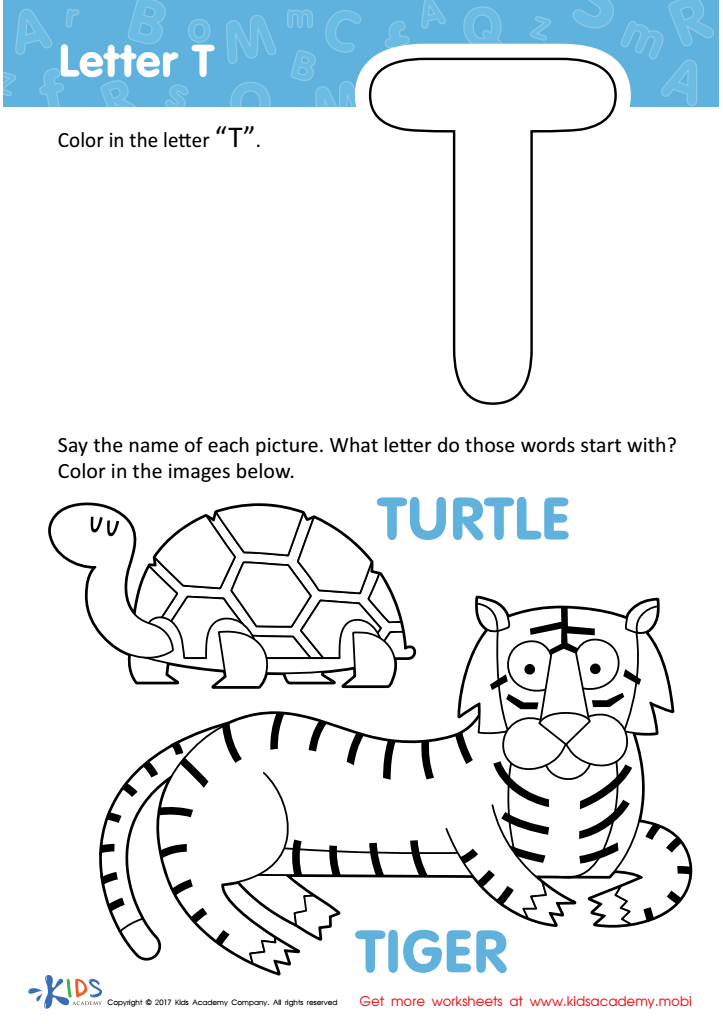
Letter T Coloring Sheet
 Assign to My Students
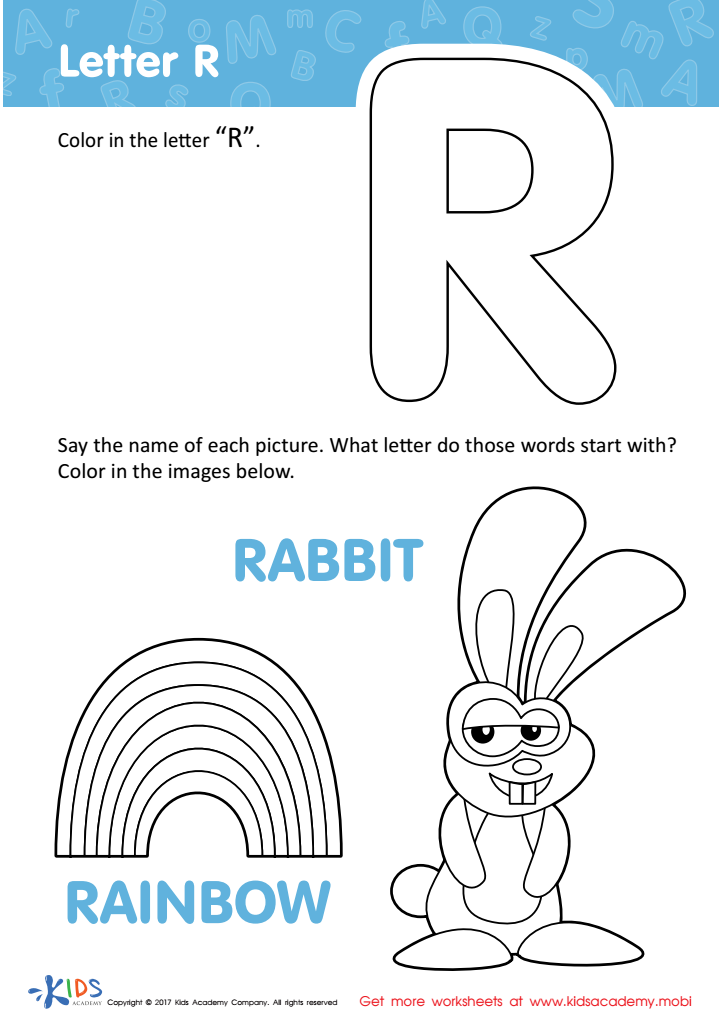
Letter R Coloring Sheet
Assign to My Students
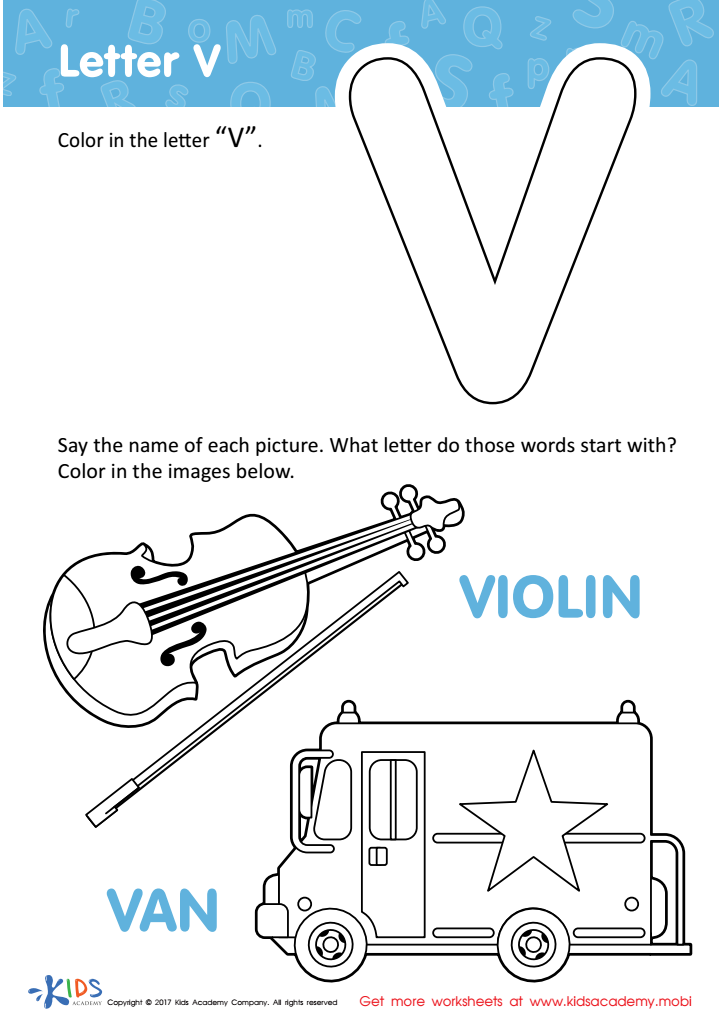
Letter V Coloring Sheet
Assign to My Students
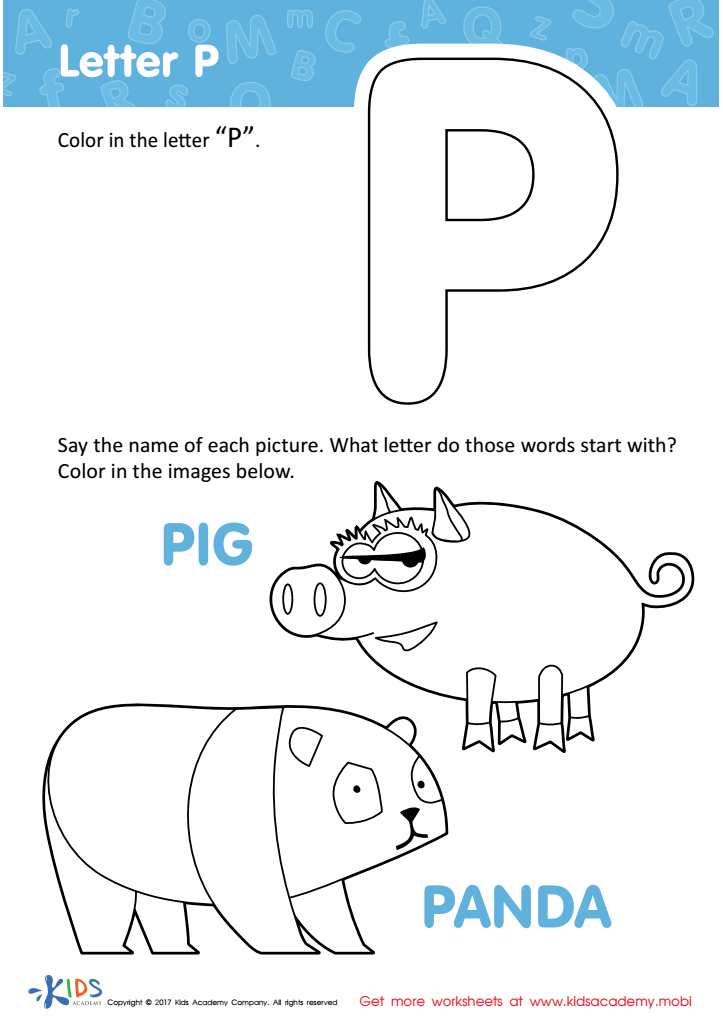
Letter P Coloring Sheet
Assign to My Students
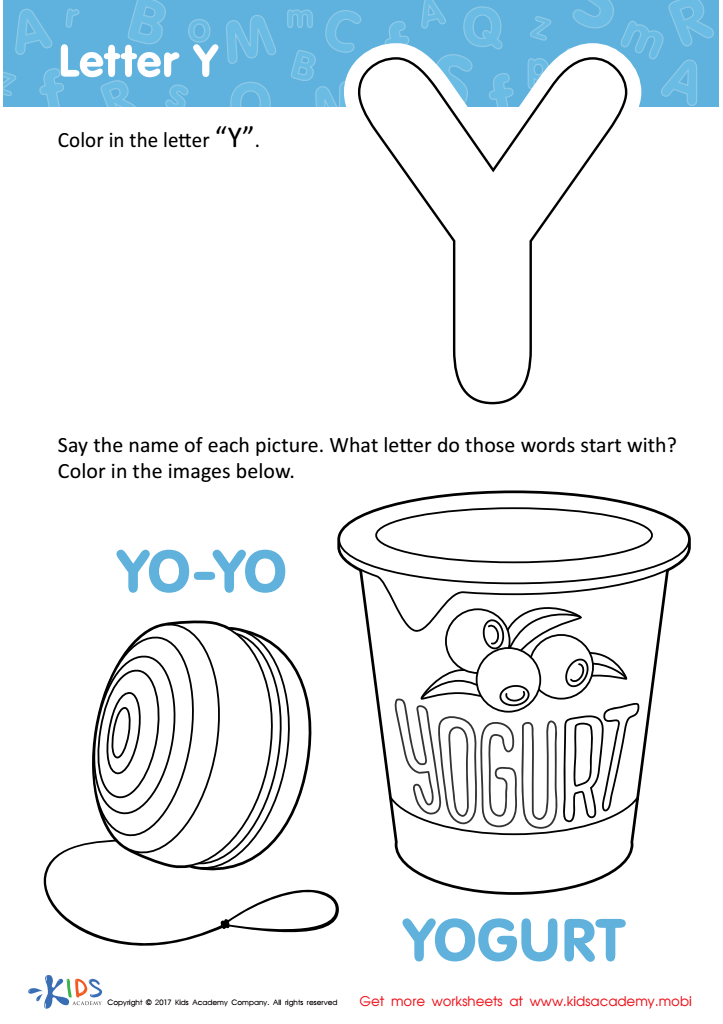
Letter Y Coloring Sheet
Assign to My Students








Alphabet recognition is a fundamental skill that serves as the cornerstone for reading and writing, critical competencies in a child's educational journey. For children aged 7-9, mastering easy letter recognition can significantly influence their academic success and overall cognitive development.
Firstly, this age range is a pivotal period for developing literacy skills. Alphabet recognition enables children to understand the connection between letters and sounds, an essential precursor to decoding words and reading fluently. When a child can identify letters effortlessly, they can focus more on comprehending the text, conjugating complex ideas, and fostering a love for reading.
Moreover, proficiency in letter recognition promotes confidence and motivation in learning. Struggling with basic literacy tasks can be frustrating for children, potentially leading to a dislike of school and learning in general. Ensuring early success in recognizing letters can prevent such negative attitudes, encouraging a positive classroom experience.
Additionally, children who excel in alphabet recognition are better equipped for advanced spelling, vocabulary building, and writing skills. These competencies are crucial for effective communication and serve as foundational tools for other subjects, such as math and science, where problem-solving and logical reasoning are required.
Therefore, fostering strong alphabet recognition skills by providing supportive learning environments and engaging learning materials benefits children holistically, empowering them for future educational endeavors.