Fine Motor Skills Easy Letter Recognition Worksheets for Ages 7-9
6 filtered results
-
From - To
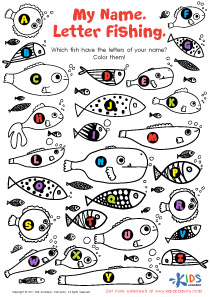
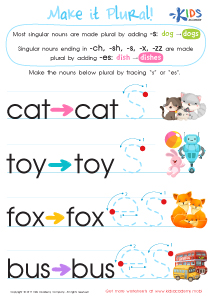
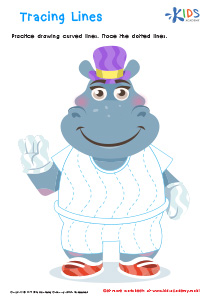
Enhance your child's fine motor skills and letter recognition with our engaging worksheets designed specifically for ages 7-9. Our easy-to-follow activities allow young learners to practice essential alphabet recognition while developing crucial hand-eye coordination and dexterity. Each worksheet incorporates playful themes, encouraging creativity and making learning fun. These resources help children confidently identify letters while refining their writing skills through tracing and coloring exercises. Perfect for home or classroom settings, our Fine Motor Skills Letter Recognition Worksheets empower children to master the alphabet in a relaxed, enjoyable way. Start your child's journey to literacy with our stimulating and effective printables today!
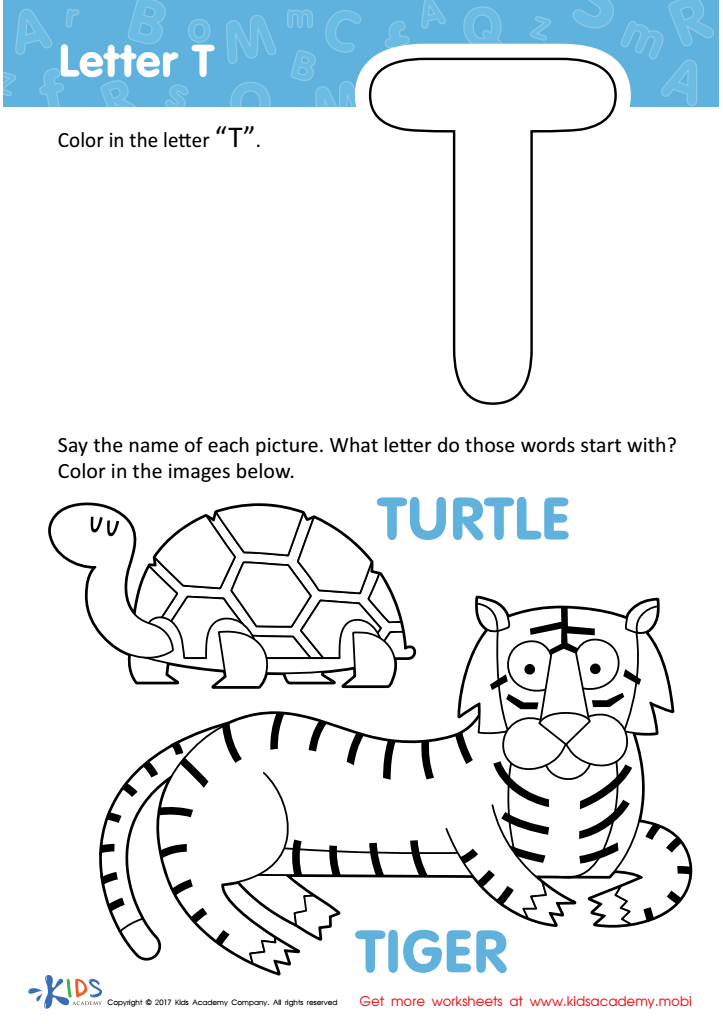
Letter T Coloring Sheet
 Assign to My Students
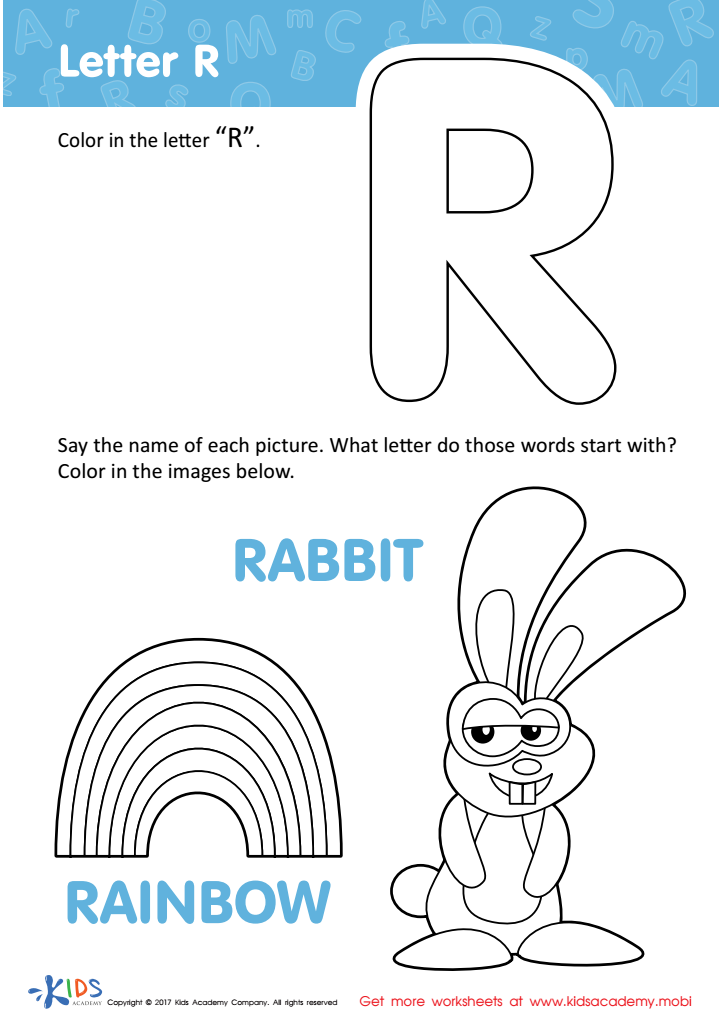
Letter R Coloring Sheet
Assign to My Students
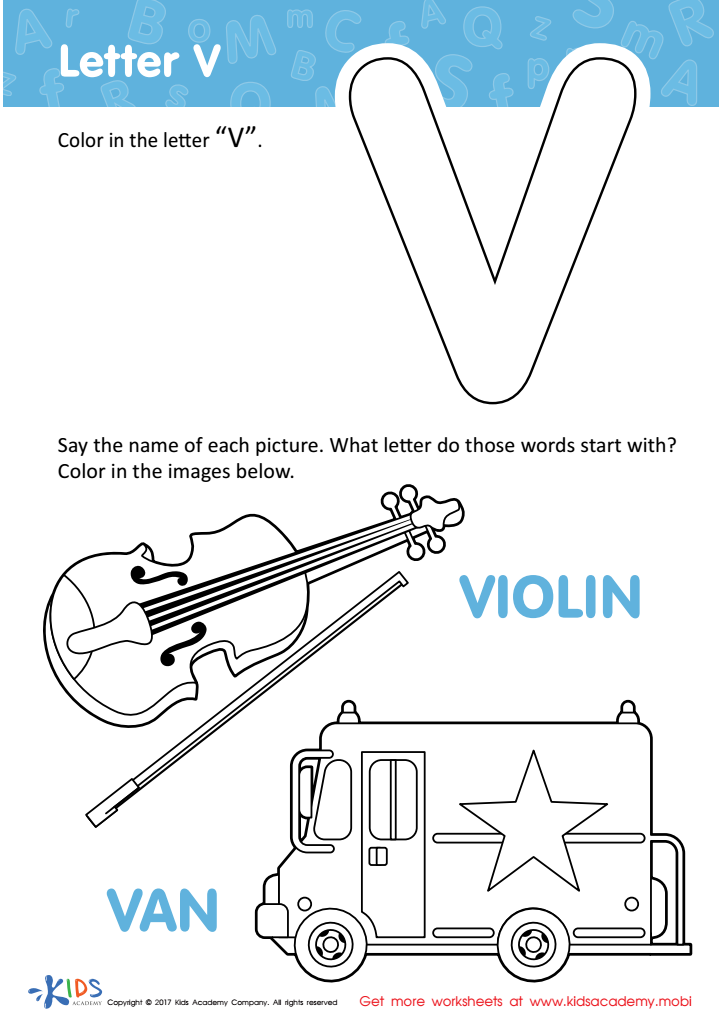
Letter V Coloring Sheet
Assign to My Students
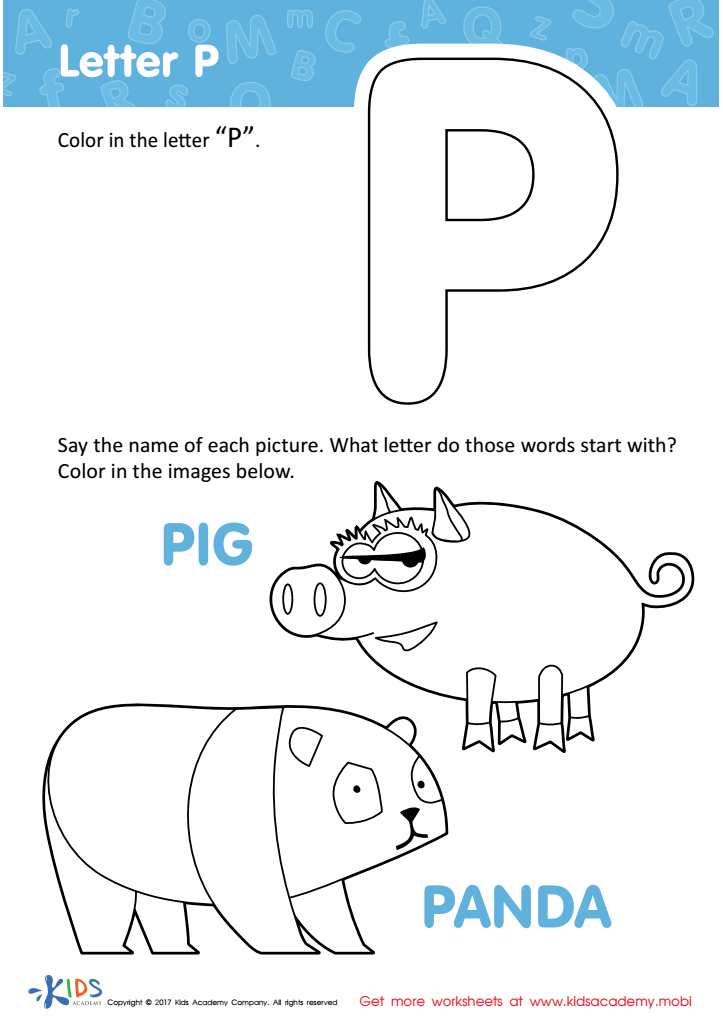
Letter P Coloring Sheet
Assign to My Students
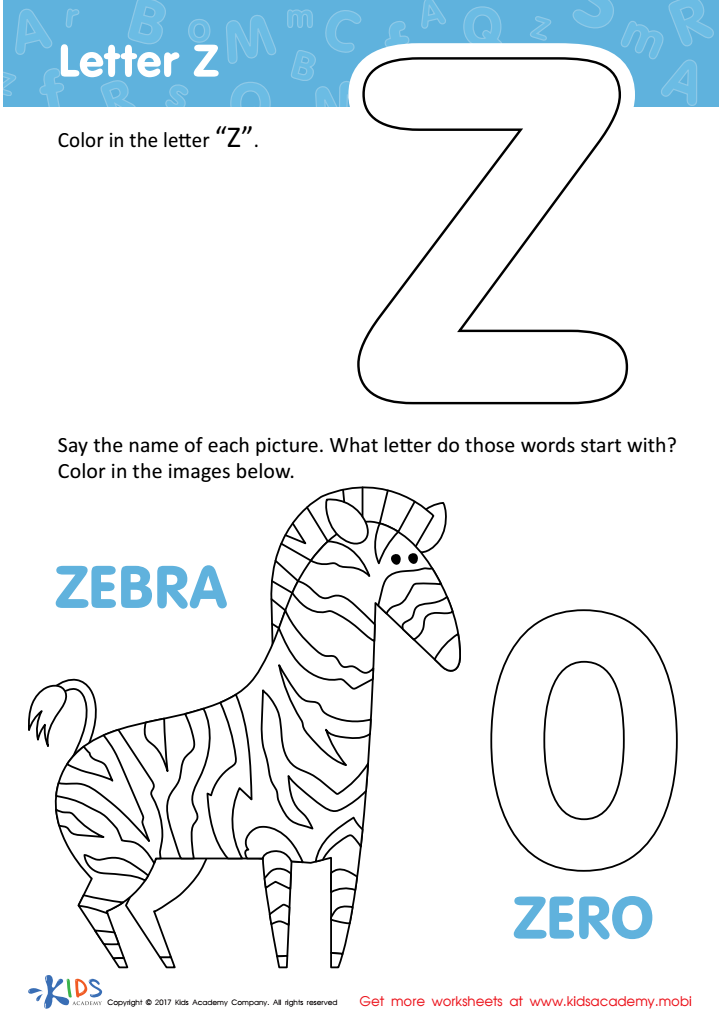
Letter Z Coloring Sheet
Assign to My Students
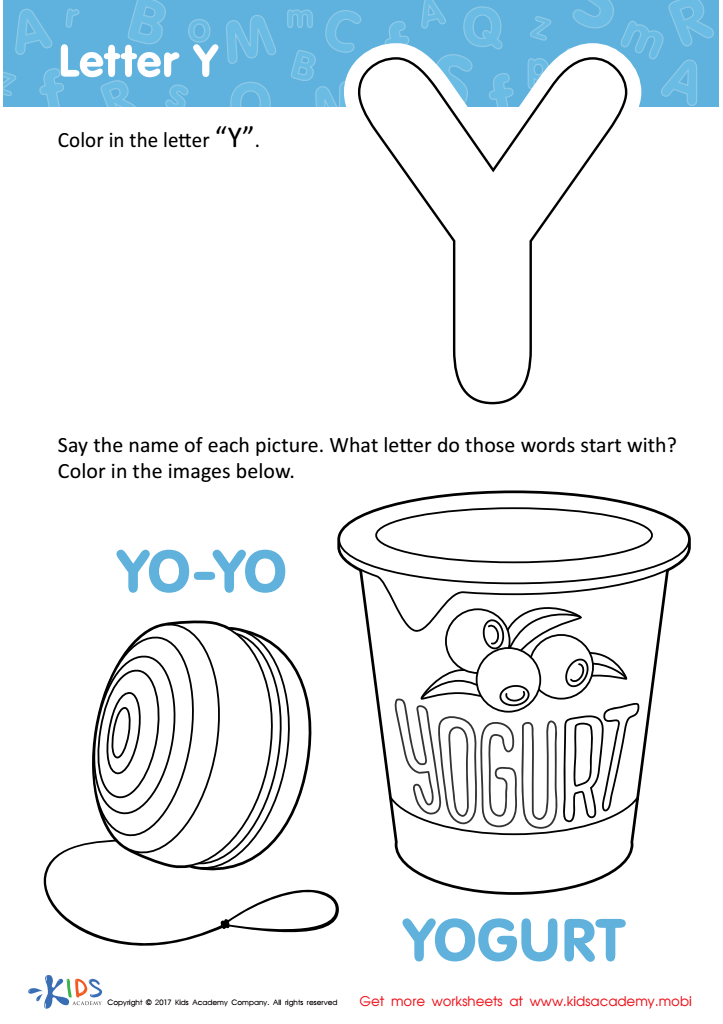
Letter Y Coloring Sheet
Assign to My Students








Parents and teachers should prioritize fine motor skills and easy letter recognition for children ages 7-9 because these abilities lay the foundation for essential life skills and academic success. Fine motor skills, which include tasks like writing, cutting, and drawing, enhance children's hand-eye coordination and overall dexterity. As children in this age group transition to more complex academic tasks, they must express their thoughts and ideas effectively through writing. A lack of fine motor proficiency can hinder their confidence and engagement in learning activities.
Easy letter recognition, on the other hand, is pivotal for reading and literacy development. Children who can quickly recognize letters are more likely to progress in reading fluency, comprehension, and vocabulary acquisition. This critical literacy skill enables them to navigate written material with ease, fostering a love for reading that will serve them throughout life.
By promoting fine motor skills and easy letter recognition, parents and teachers provide children with the tools needed for effective communication and academic achievement, transforming their educational experience into a more enriching journey. Supporting these skills not only aids in immediate learning outcomes but also prepares children for future challenges both in school and beyond, ultimately setting them up for lasting success.