Vocabulary expansion Easy 4th of July Worksheets for Ages 7-9
4 filtered results
-
From - To
Explore our engaging "Vocabulary Expansion Easy 4th of July Worksheets" designed specifically for children aged 7-9! These worksheets aim to enrich your child's vocabulary while celebrating Independence Day. Fun, themed activities include word searches, fill-in-the-blank exercises, and engaging coloring pages that pique interest and encourage learning. Perfect for enhancing language skills, these worksheets help kids discover new words related to July 4th festivities while honing their comprehension abilities. Let your child celebrate this patriotic holiday with exciting educational content that combines fun with skill-building. Download the worksheets today and embark on a vocabulary adventure this Independence Day!
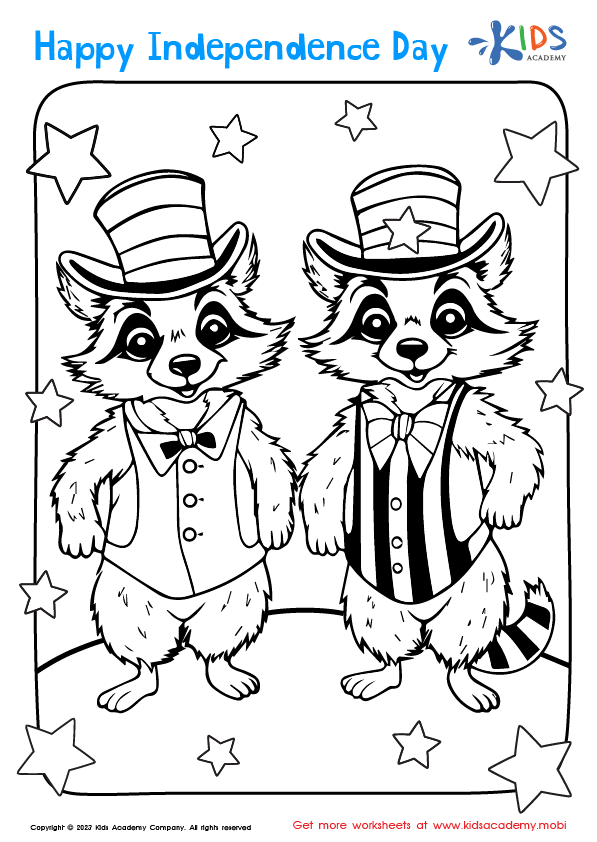


Vocabulary expansion is crucial for children aged 7-9, especially when exploring themes related to cultural events like the 4th of July. At this age, children are rapidly developing their language skills, and a rich vocabulary enhances their ability to express thoughts, understand concepts, and communicate effectively. Engaging students in vocabulary-building activities centered around the 4th of July can cultivate their appreciation for language and culture.
Celebrating the 4th of July offers a unique opportunity to introduce terms related to patriotism, history, and civic concepts. Words such as "independence," "celebrate," "freedom," and "fireworks" can create connections to their immediate experiences and the broader societal context. By incorporating such vocabulary into lessons and discussions, teachers and parents provide children with tools to articulate complex ideas and engage critically with the world around them.
Moreover, expanding vocabulary not only supports reading and writing skills but also builds confidence in speaking and listening abilities. By embedding vocabulary practice related to significant cultural events into their learning, educators and parents enrich children’s understanding and enjoyment of their heritage, fostering a sense of identity and community in the process. This investment ultimately contributes to their academic success and lifelong love of learning.