Chess strategy understanding Easy Worksheets for Ages 7-9
3 filtered results
-
From - To
Unlock the world of chess for young learners with our "Chess Strategy Understanding Easy Worksheets" designed specifically for ages 7-9! These engaging and interactive worksheets introduce fundamental concepts of chess strategy, helping children to develop critical thinking and problem-solving skills. Fun exercises, such as piece movement, basic tactics, and checkmate patterns, enhance understanding and boost confidence in young players. Ideal for the classroom or home practice, our worksheets promote creativity and strategic thinking while making learning enjoyable. Dive into the captivating game of chess and watch your child thrive as they master the art of strategy—all while having fun!
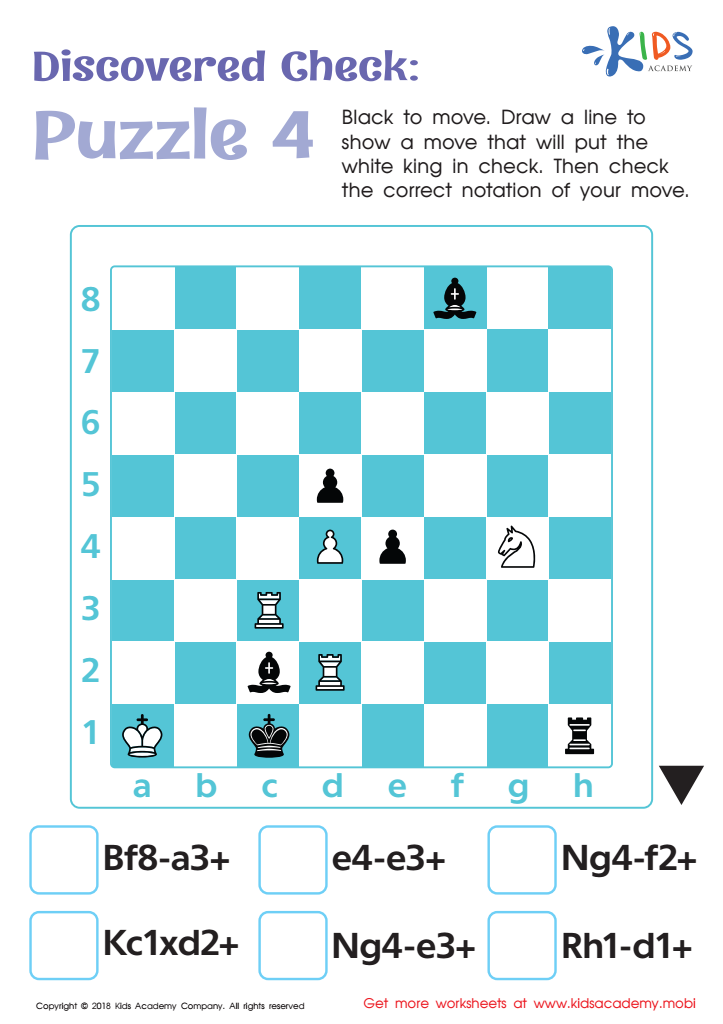
Discovered Check: Puzzle 4 Worksheet

Discovered Check: Puzzle 2 Worksheet
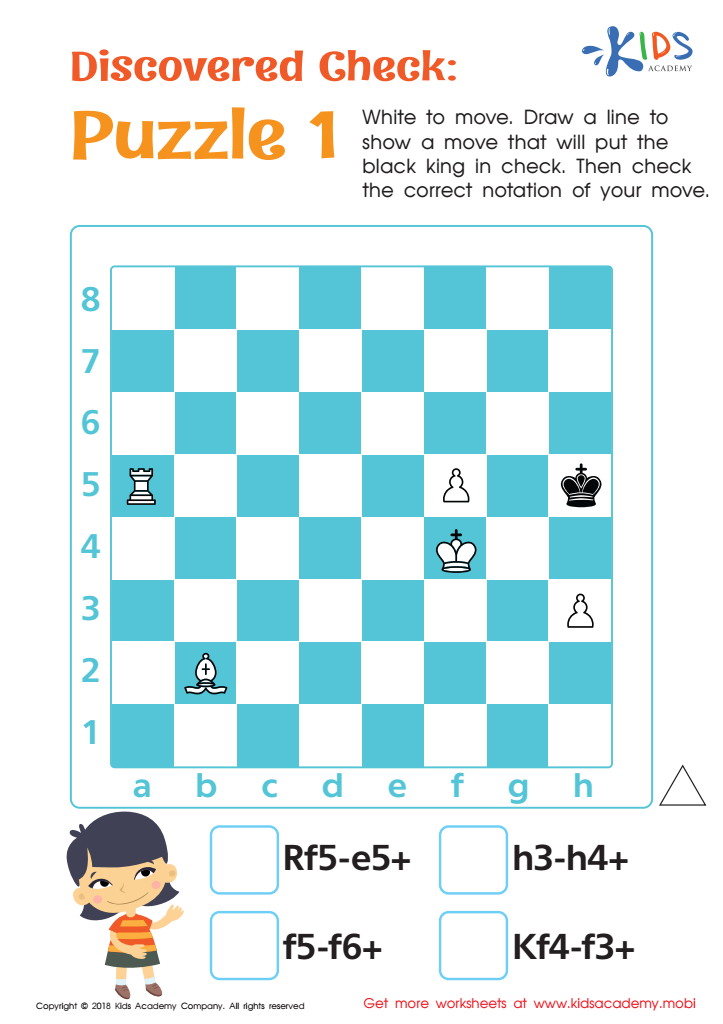
Discovered Check: Puzzle 1 Worksheet


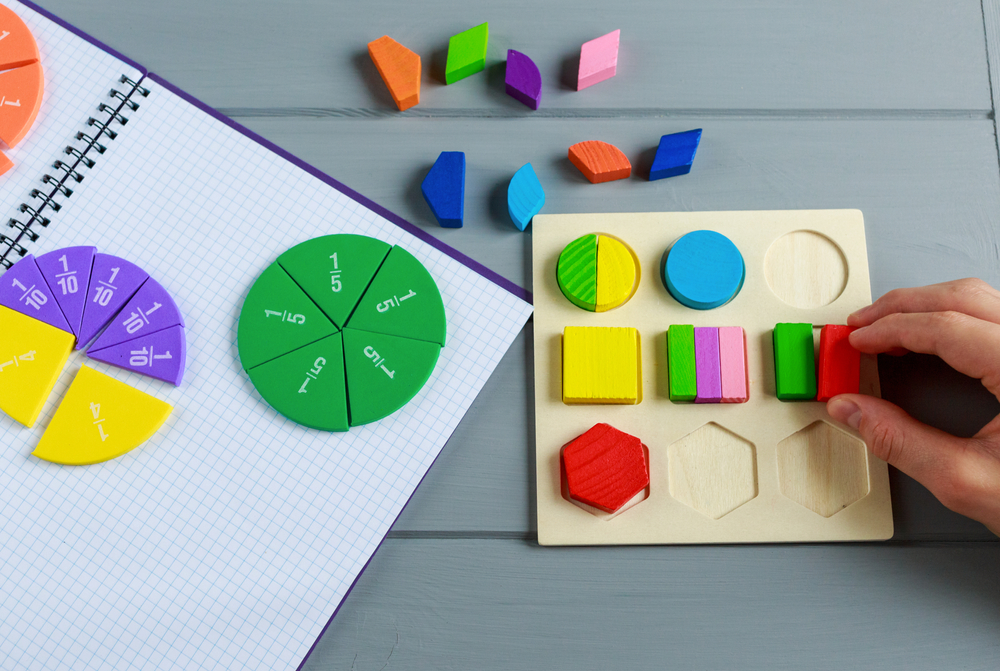



Chess isn’t just a game; it’s a tool for developing critical thinking skills in children. When parents and teachers encourage kids ages 7-9 to understand chess strategy, they help them improve problem-solving abilities and foresight. Learning chess fosters patience, as players must think carefully about their moves and consider the consequences.
Understanding chess also enhances focus and concentration. As kids engage in the game, they learn to pay attention to details while remembering strategies and positions. These skills can translate into better performance in school, leading to improved reading and math abilities.
Moreover, chess teaches the importance of planning and evaluating options. By considering their and their opponent’s moves, children practice analyzing different situations and making informed decisions, an essential life skill.
Playing chess also promotes social skills. Kids learn to take turns, show sportsmanship, and communicate with peers over the game, building friendships and confidence.
In summary, encouraging young children to understand chess strategy benefits them academically and socially, making it a meaningful and enjoyable activity for both parents and teachers to support.








