
Vocabulary Building Easy Worksheets for Ages 7-9
7 filtered results
Difficulty Level
Grade
Age
-
From - To
Subject
Activity
Standards
Enhance your child’s language skills with our engaging Vocabulary Building Easy Worksheets for ages 7-9. Designed to foster a love for words, these worksheets provide fun and interactive activities that make learning enjoyable. From matching exercises to word searches, each sheet encourages creative thinking and expands the vocabulary of young learners. Perfect for at-home practice or classroom enrichment, our resources align with educational standards to ensure effective learning. Empower your child to confidently express themselves and improve reading comprehension skills. Explore our colorful and age-appropriate worksheets today and watch their vocabulary flourish!
Favorites
With answer key
Interactive
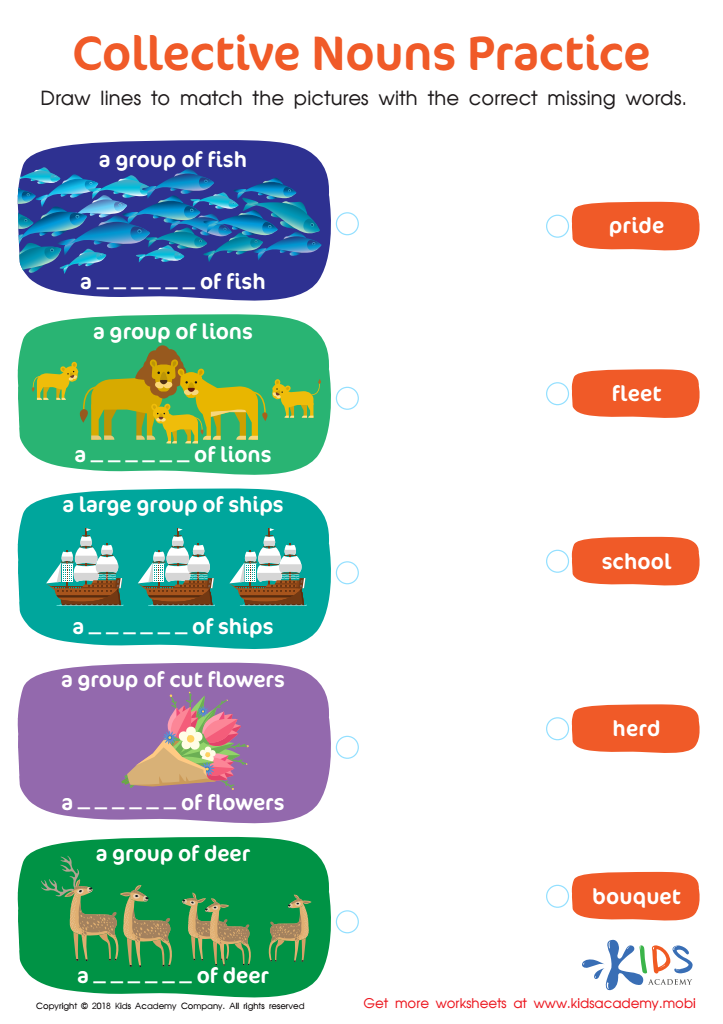
Collective Nouns Practice Worksheet
This worksheet helps your child master collective nouns. Five pictures show different groups of nouns, and your child must draw lines to the right collective noun words. It's a great way to help them sort out the words and understand collective nouns.
Collective Nouns Practice Worksheet
Worksheet
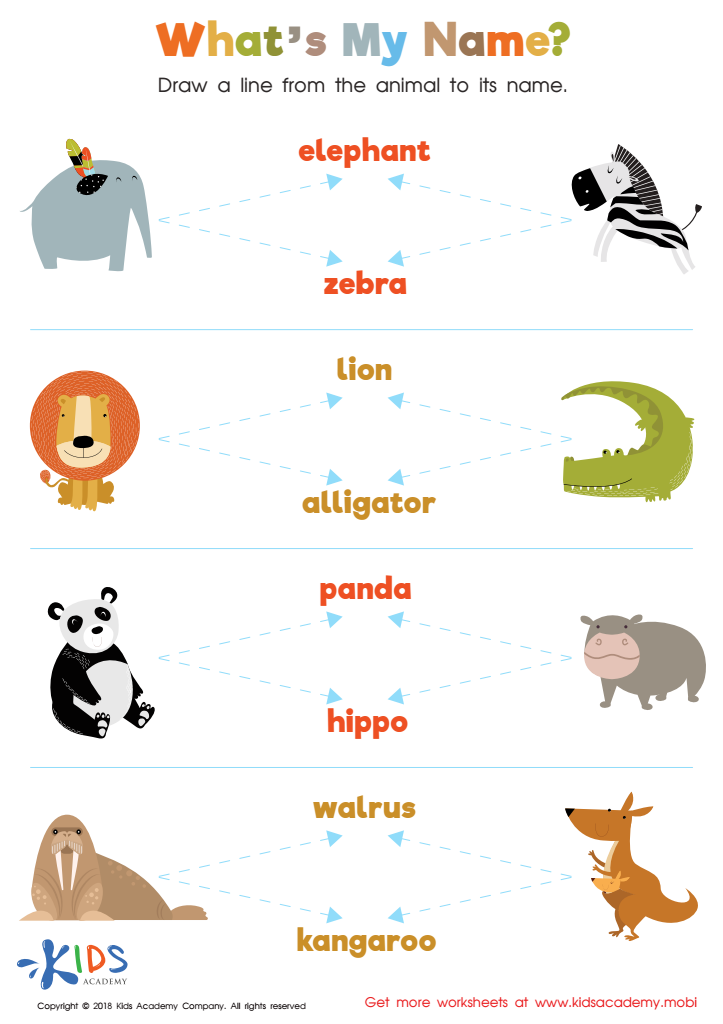
Animals and Their Names Worksheet
Match animals with their names with this worksheet! Draw a line from the word to its picture. Say the name of each animal. Later, search for these animals at the zoo - great for reinforcing learning!
Animals and Their Names Worksheet
Worksheet
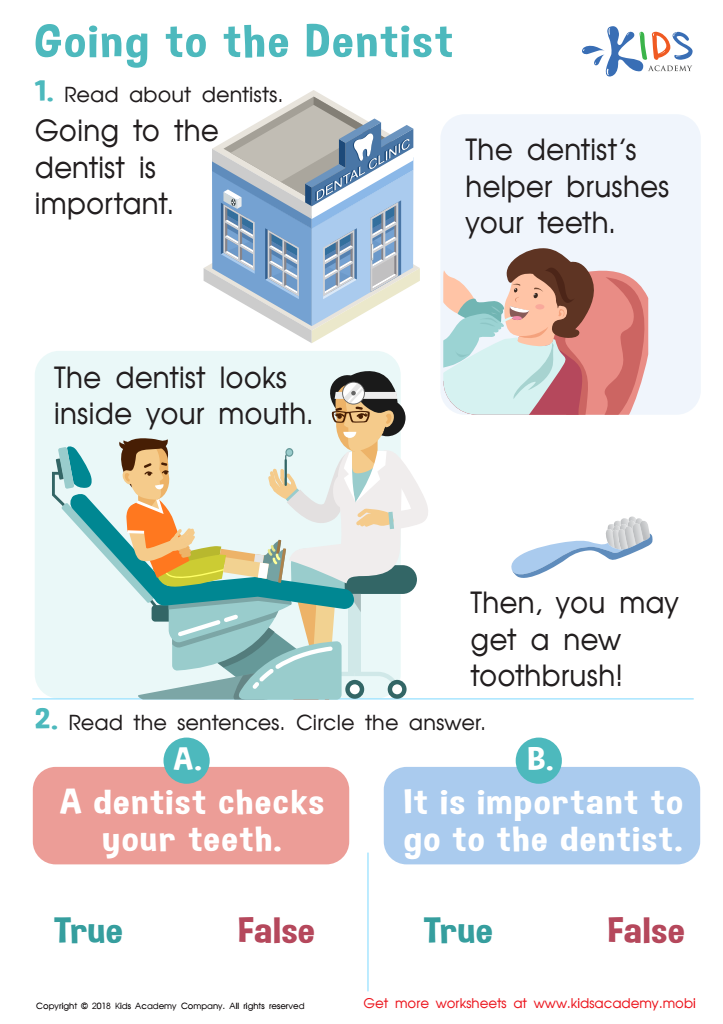
Going to the Dentist Part 2 Worksheet
Visiting the dentist can be nerve-wracking for children. This informative PDF will not only explain what the dentist does, but also use pictures to assure children. They'll learn why seeing the dentist is important and be able to verify their understanding through true/false questions.
Going to the Dentist Part 2 Worksheet
Worksheet
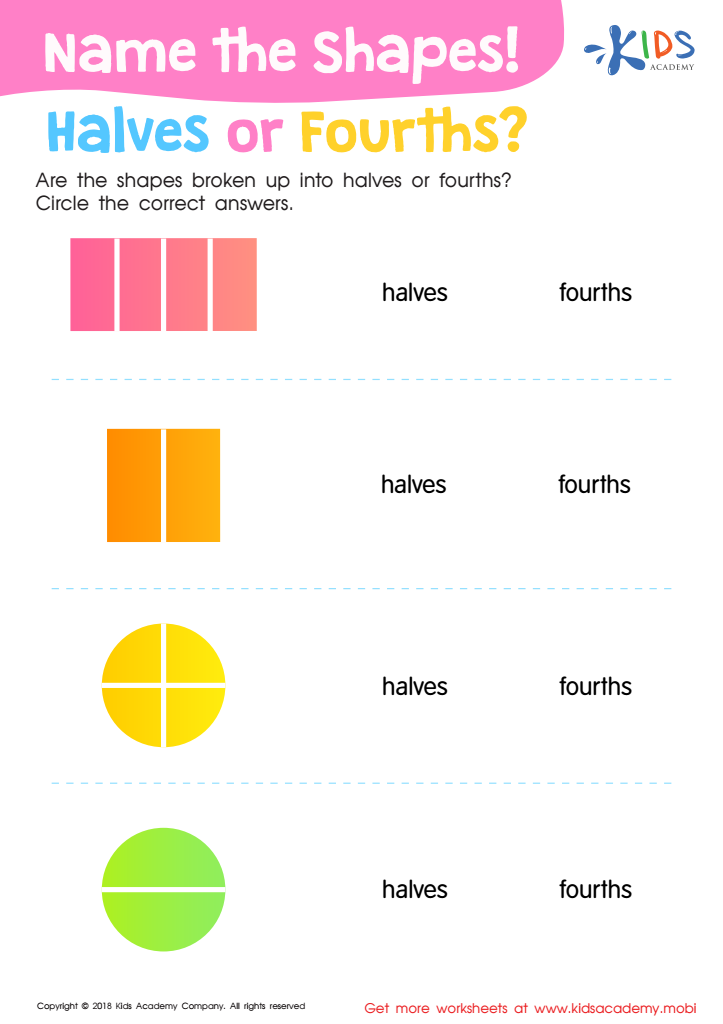
Name the Shapes Halves or Fourths? Worksheet
Before starting, ask your child if they understand what halves and fourths are. If they can answer correctly, move on with the worksheet. Help them circle the right option beside each shape, showing if it's split into halves or fourths.
Name the Shapes Halves or Fourths? Worksheet
Worksheet
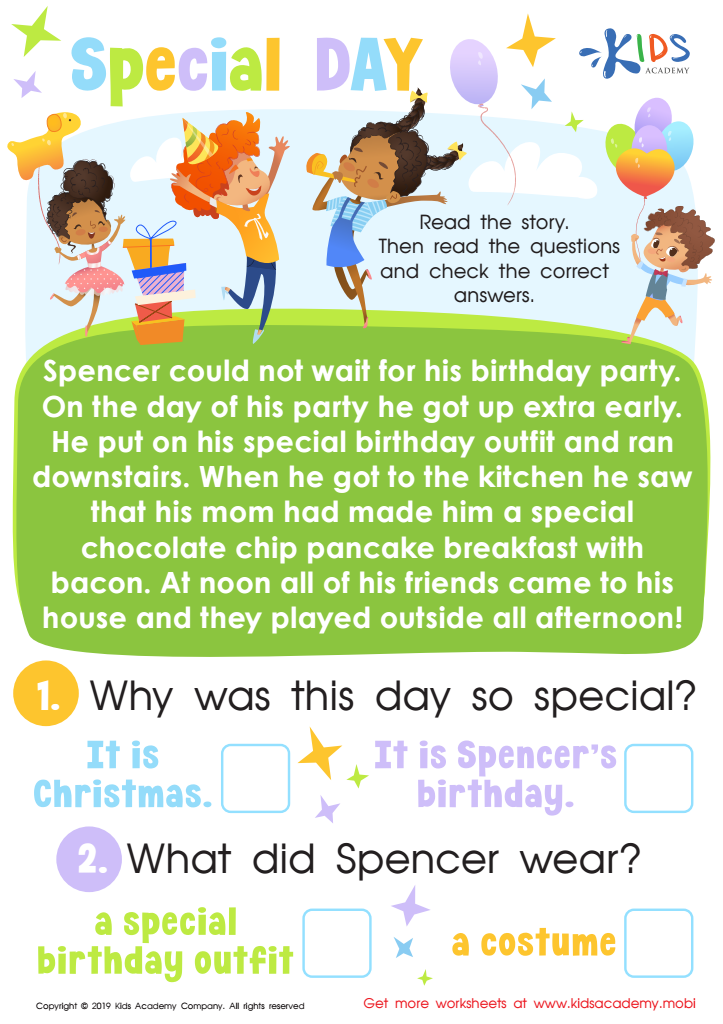
Special Day Worksheet
What's your child's favorite day? Let them tell you what makes it special and what they enjoy most. With the worksheet, show them the picture and ask them to identify the day. Read the story aloud, and help them answer the questions and check the right responses.
Special Day Worksheet
Worksheet
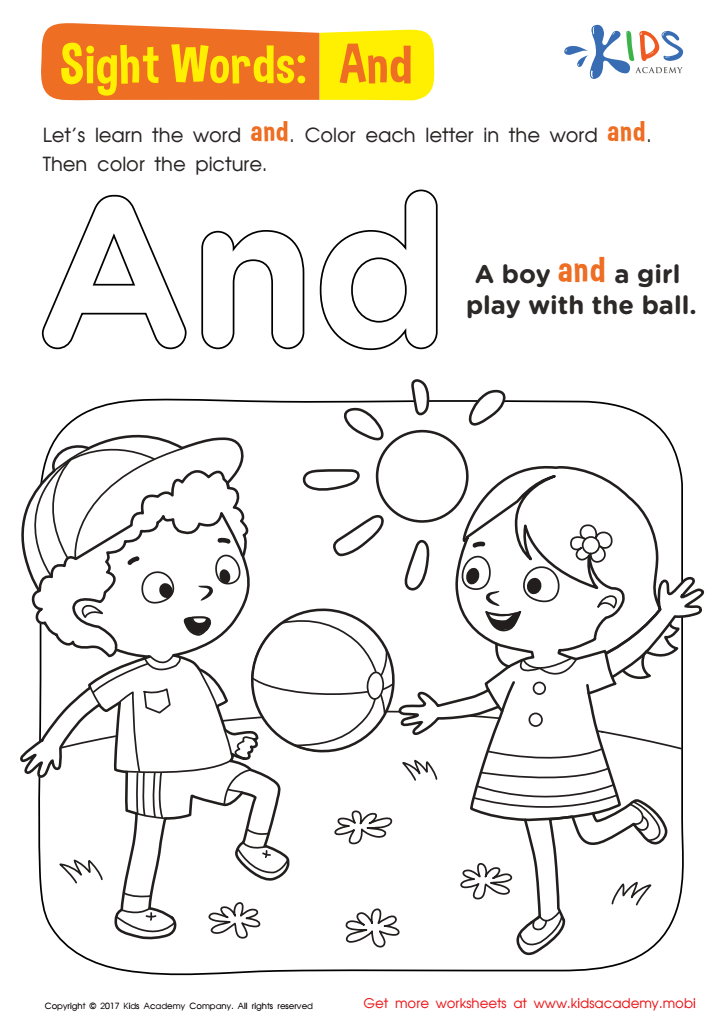
And Worksheet Sight Words Worksheet
Help your child get a jumpstart on reading with sight words! Print out this fun worksheet and get your child to read the sentence. Point out the word "and", then color the word and enjoy the rest of the scene! It's a great way to introduce sight words and get their early reading skills going!
Download (PDF)
 Assign to My Students
Assign to My Students
And Worksheet Sight Words Worksheet
Worksheet
Join Kids Academy for Free
Who is primarily going to use this learning content?








Vocabulary building for children ages 7-9 is crucial for their cognitive and academic development. At this stage, children are not only expanding their reading abilities but are also being introduced to complex ideas and concepts. A rich vocabulary enhances their understanding of what they read, enabling them to grasp and respond to the material more effectively.
Moreover, strong vocabulary skills boost confidence in verbal communication, essential for both social interactions and academic discussions. It empowers children to express their thoughts clearly and creatively.
Parents and teachers should prioritize vocabulary building as it lays the foundation for future learning. Language skills are associated with better performance in subjects such as math and science, as children need to comprehend and articulate their understanding.
Furthermore, a robust vocabulary can ignite a love for reading, as children become more eager to explore literary genres that they can now comprehend. Engaging in vocabulary building activities—through games, discussions, and reading together—creates an enriching environment where children can thrive.
Investing in vocabulary development at this age ultimately equips children with the tools they need for lifelong learning, effective communication, and success in an increasingly complex world.








