Color recognition Easy Math Worksheets for Ages 7-9
5 filtered results
-
From - To
Discover our "Color Recognition Easy Math Worksheets for Ages 7-9", designed to blend color learning with fundamental math skills! These engaging worksheets help children enhance their color recognition while tackling simple math problems. Perfect for young learners, these resources are crafted to make math enjoyable and interactive. Each worksheet features vibrant visuals to captivate kids' attention and encourage exploration of colors alongside essential math concepts. Ideal for both classroom and home settings, our worksheets provide a playful approach to foster creativity and confidence in early math skills. Start your child’s learning journey today with our colorful, hands-on activities!
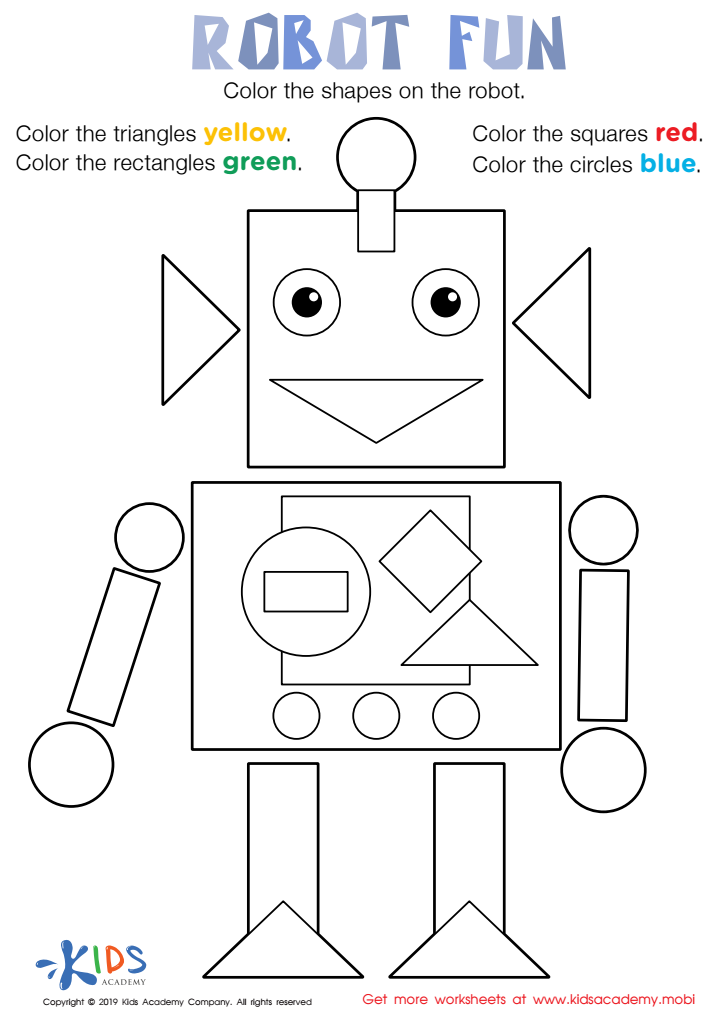
Robot Fun Worksheet
 Assign to My Students
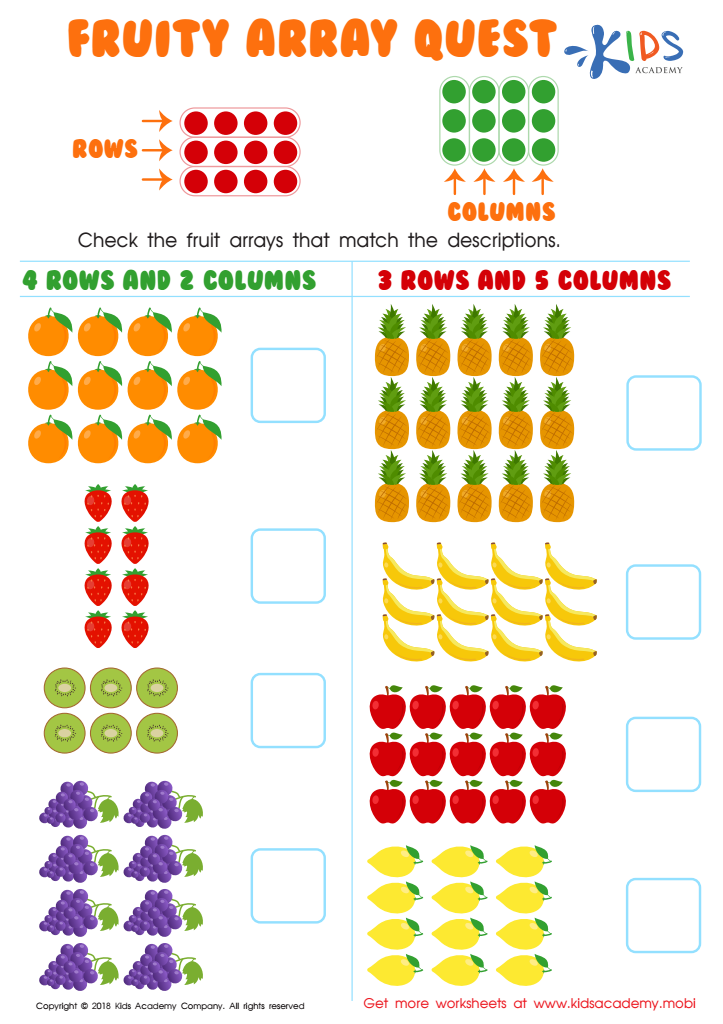
Fruity Array Quest Worksheet
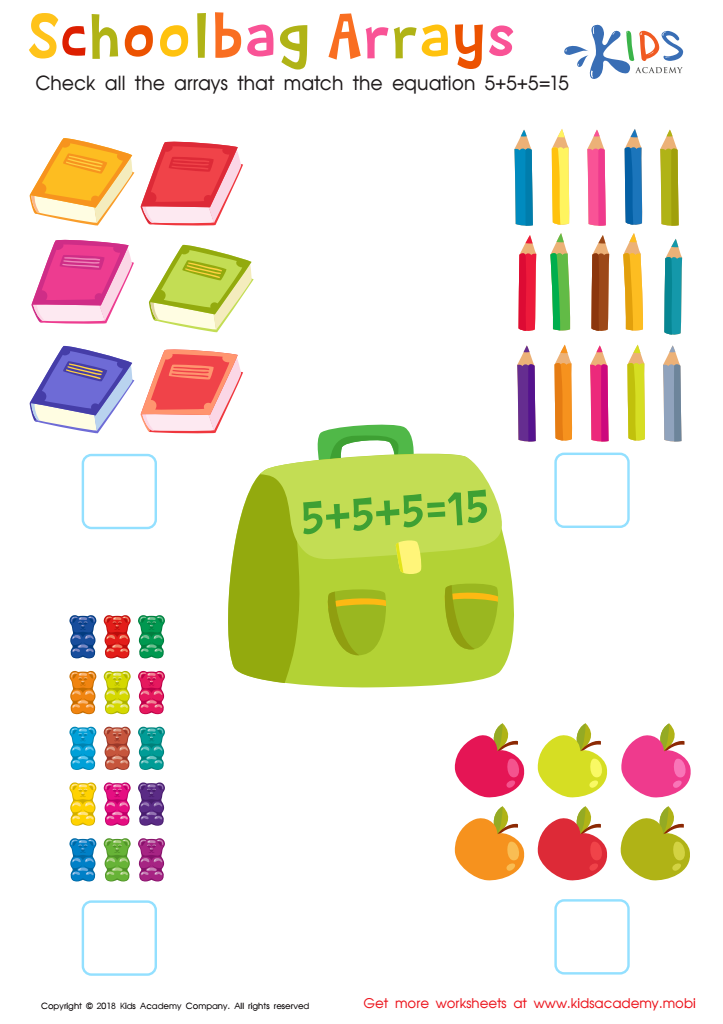
Schoolbag Arrays Worksheet
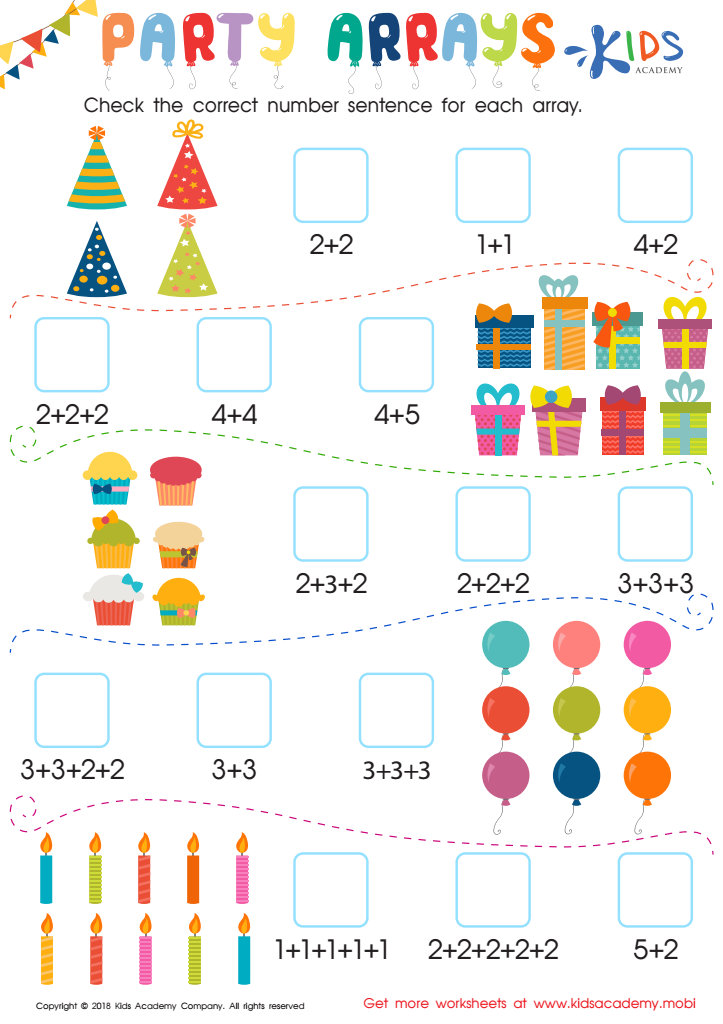
Party Arrays Worksheet
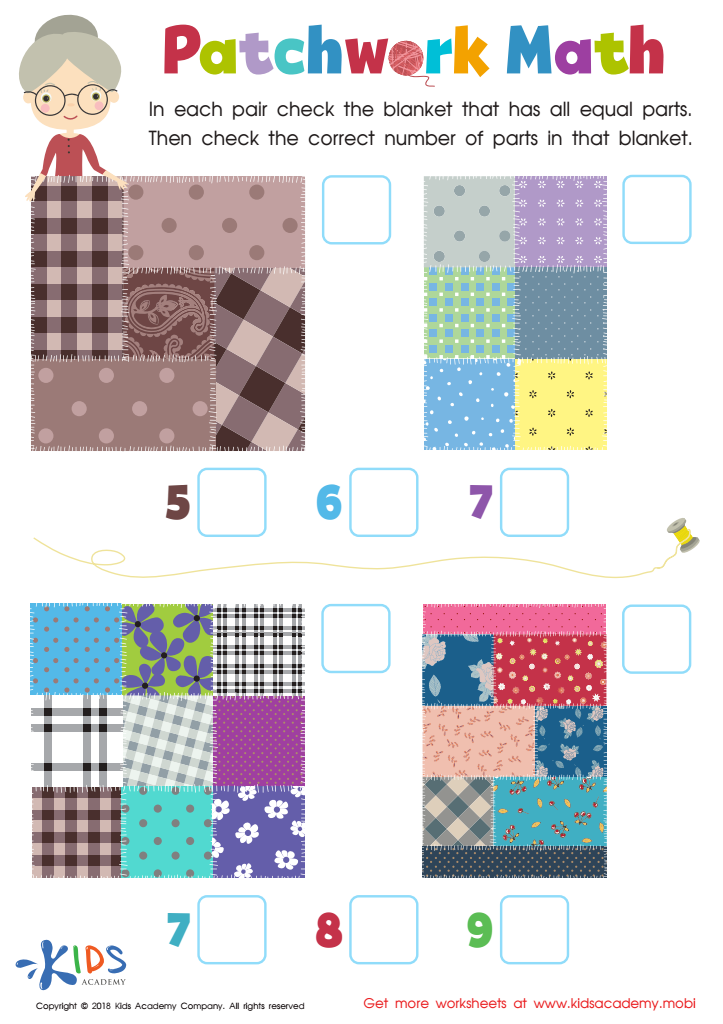
Patchwork Math Worksheet








Color recognition is an essential skill for children aged 7-9 as it forms the foundation for more complex mathematical concepts and cognitive development. At this stage, children begin to make connections between colors and numbers, enhancing their understanding of patterns, sequences, and comparisons. This foundational skill can seamlessly integrate into easy math concepts, helping children to grasp basic arithmetic and problem-solving.
Parents and teachers should care about promoting color recognition within math because it stimulates children's visual learning, which is crucial for memory retention and engagement. By using colorful materials and activities, adults can create a lively learning environment that captures the children's interest and motivates them to participate.
Additionally, understanding colors can help children develop their observational skills and foster creativity, leading to a more rounded educational experience. Integrating color recognition into early math lessons can also address multiple learning styles, catering to visual learners who thrive in colorful, dynamic settings.
Ultimately, enhancing color recognition skills in conjunction with math learning not only supports academic success but also encourages enthusiasm for learning at a formative age, setting the stage for lifelong educational engagement.