Visual Learning Easy Math Worksheets for Ages 7-9
5 filtered results
-
From - To
Discover our engaging Visual Learning Easy Math Worksheets designed specifically for children ages 7-9. These worksheets enhance mathematical understanding through colorful visuals and interactive activities that make learning fun and effective. Tailored to promote essential skills, our materials cover a variety of topics, including basic arithmetic, geometry, and pattern recognition. Each worksheet emphasizes visual aids to support comprehension, allowing kids to grasp concepts more easily. Perfect for homeschooling, supplementary practice, or classroom use, our visually stimulating resources will inspire young learners to develop confidence and proficiency in mathematics. Explore our collection today and help your child thrive in their math journey!
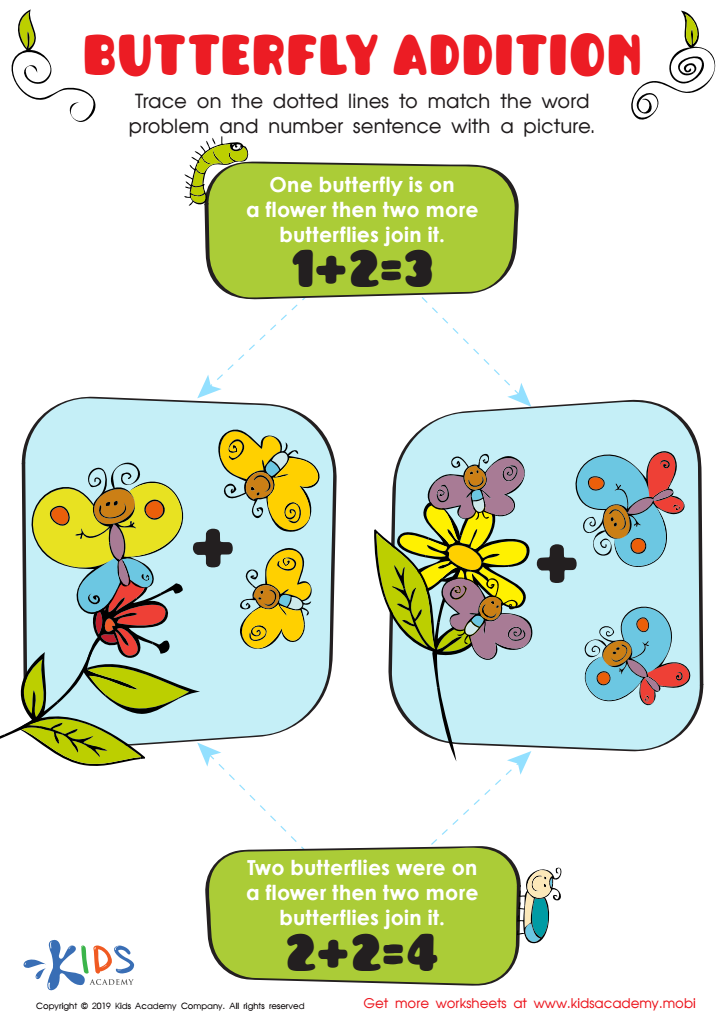
Butterfly Addition Worksheet
 Assign to My Students
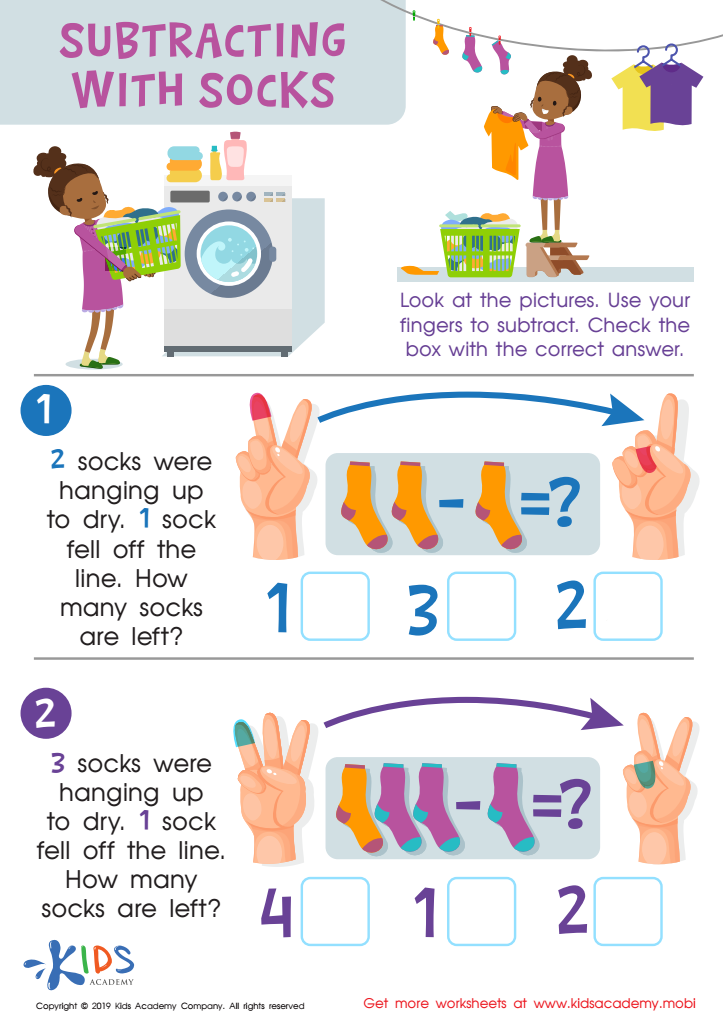
Subtracting Socks Worksheet
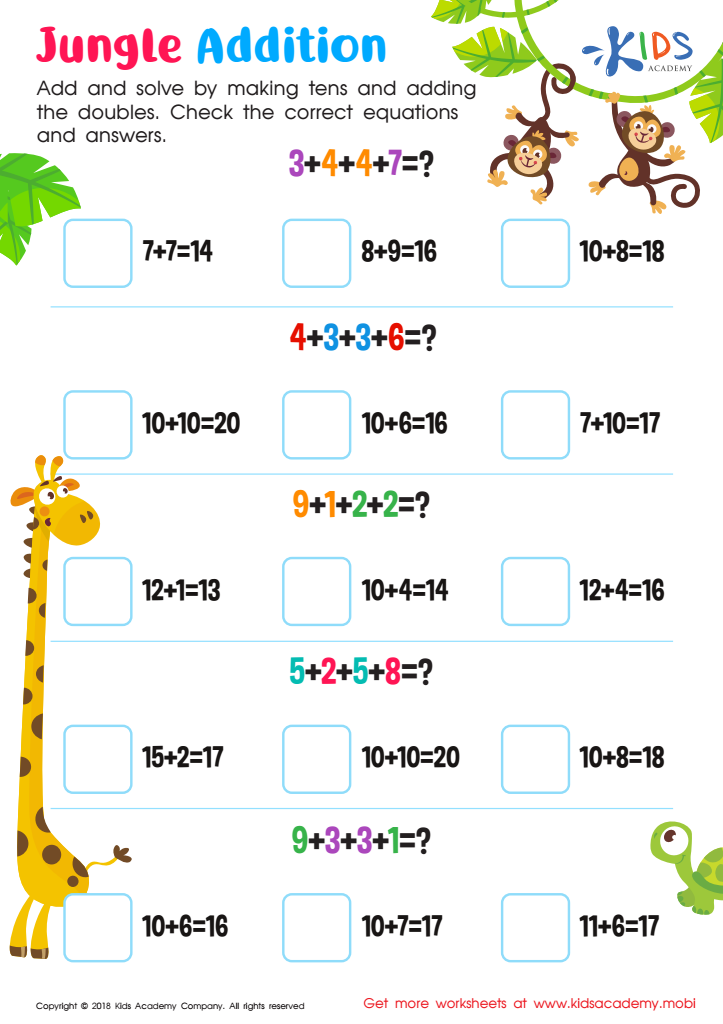
Jungle Addition Worksheet
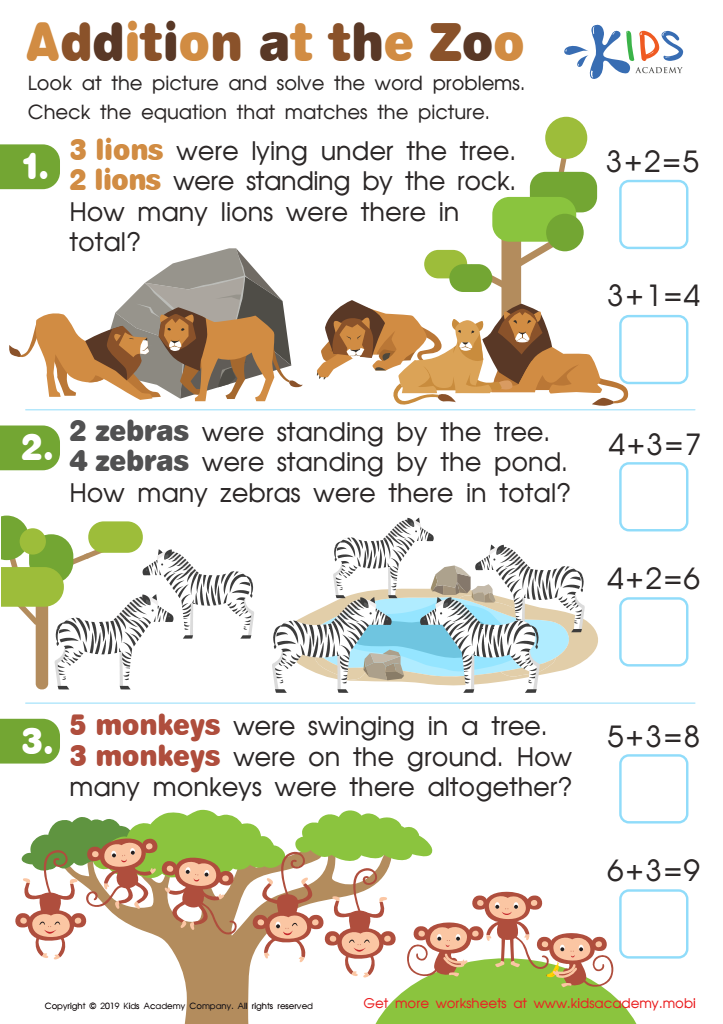
Addition at the Zoo Worksheet
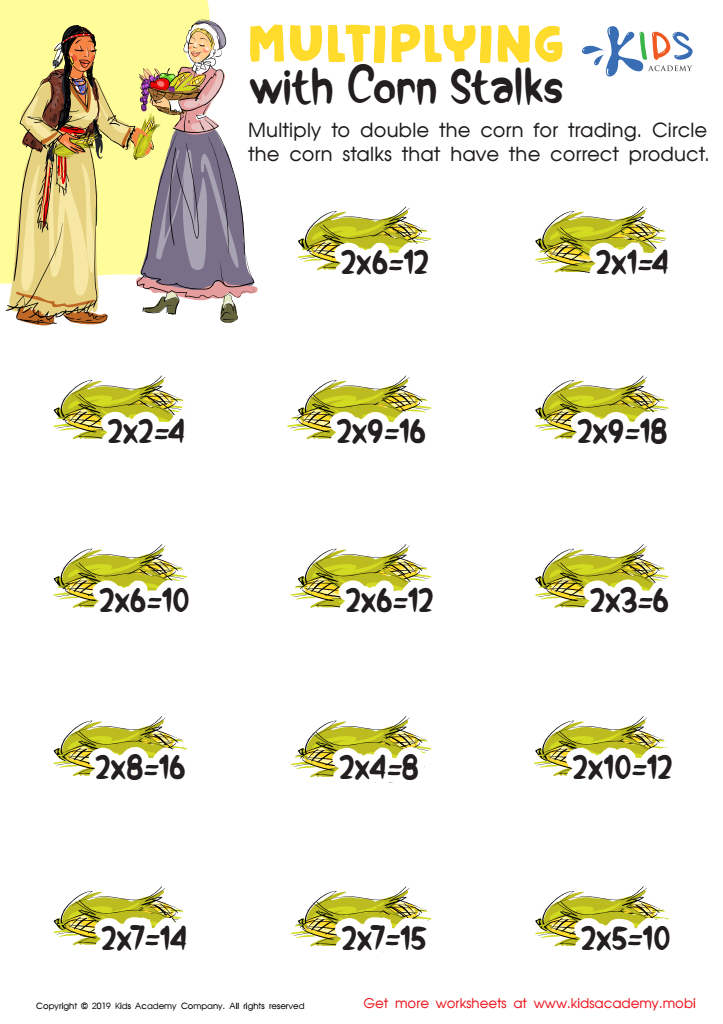
Multiplying With Corn Stalks Worksheet







Visual Learning Easy Math for Ages 7-9 offers a unique approach that integrates visual aids to enhance mathematical understanding for young learners. At this critical developmental stage, children begin to grasp abstract mathematical concepts. Visual learning techniques, such as charts, diagrams, and interactive visuals, make these concepts more tangible and relatable, facilitating deeper comprehension.
Parents and teachers should care about this method as it caters to various learning styles, particularly for those who struggle with traditional lecture-based approaches. By incorporating visual strategies, children can better understand operations, patterns, and problem-solving, ultimately fostering a love for math rather than fear or anxiety.
Using visual tools helps children retain information more effectively, promotes independent learning, and encourages critical thinking skills. This approach also supports inclusive education by meeting diverse learning needs, ensuring that all students can thrive mathematically.
Furthermore, establishing a strong foundation in math during this formative age is essential for future academic success. Parents and teachers who prioritize tools like Visual Learning Easy Math not only aid in developing confidence and competence in math but also empower children to tackle more complex concepts in the years to come. It’s an investment in their academic future and overall cognitive development.








