Vocabulary development Easy Science Worksheets for Ages 7-9
3 filtered results
Difficulty Level
Grade
Age
-
From - To
Subject
Activity
Standards
Explore our engaging vocabulary development worksheets designed specifically for children aged 7 to 9! These easy science worksheets help young learners enhance their vocabulary while discovering fascinating scientific concepts. Each worksheet is crafted to foster critical thinking, improve language skills, and encourage a love for science. With interactive exercises that promote learning through fun activities, these worksheets provide an effective way to reinforce vocabulary associated with science topics. Perfect for at-home learning or classroom use, our resources empower students to express themselves confidently and expand their knowledge. Dive into a world of scientific vocabulary with our user-friendly worksheets today!
Favorites
With answer key
Interactive
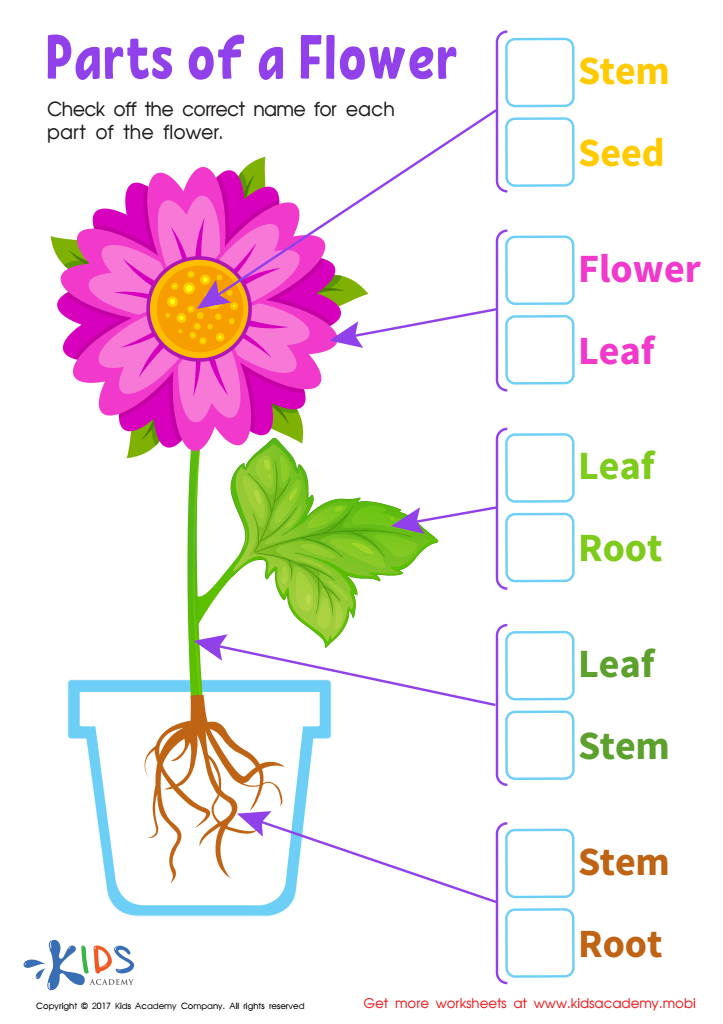
Parts Flower Printable
Introduce your child to life science with this vivid parts of a flower worksheet! They'll learn basic flower structures while building biology vocabulary and discovering plants are living creatures too! Perfect for budding little scientists!
 Assign to My Students
Parts Flower Printable
Worksheet
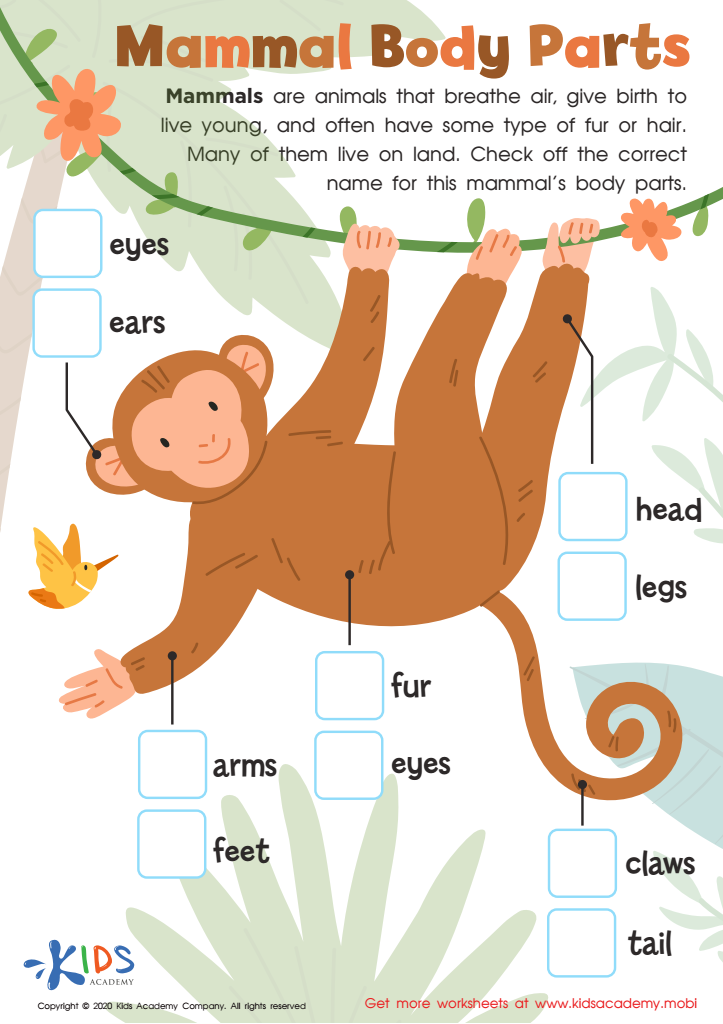
Mammal Body Parts Worksheet
Help your little scientist identify a mammal's body parts with this cute and colorful worksheet. It includes fur, arms, legs, tails, and more! Read the passage to learn what makes an animal a mammal, then have them check off the boxes to identify parts of the monkey. It's a fun way to learn about animals in the animal kingdom!
Mammal Body Parts Worksheet
Worksheet
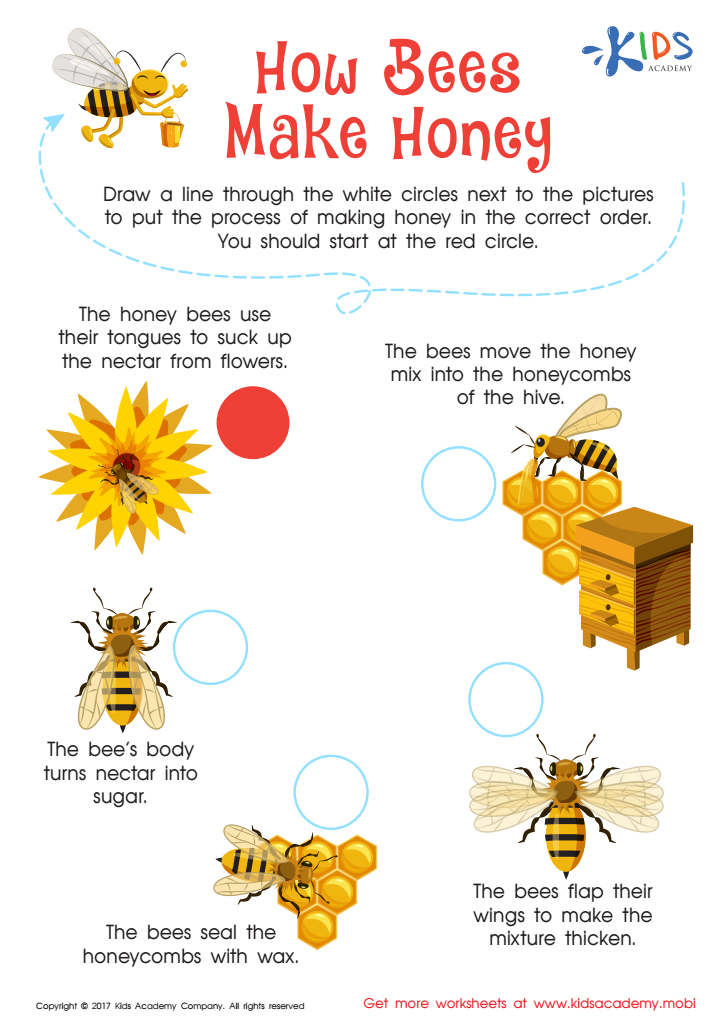
Honey Bee Worksheet
Kids learn about life science and the process of making honey with this sweet honeybee worksheet for 3rd grade. They identify the steps bees take and put the cycle in order, developing knowledge and appreciation for honeybees!
Honey Bee Worksheet
Worksheet
Join Kids Academy for Free
Who is primarily going to use this learning content?



.jpg)



Vocabulary development is crucial for children aged 7-9, as it forms the foundation for their reading, writing, and overall communication skills. At this age, children begin to encounter more complex concepts in science and other subjects. A strong vocabulary allows them to understand and engage with these concepts more effectively, making learning more enjoyable and meaningful.
Parents and teachers should care about vocabulary development for several reasons. First, it enhances comprehension. When children possess a rich vocabulary, they can better grasp ideas, draw connections, and respond to questions. Second, building vocabulary boosts confidence. Children who are comfortable with words are more likely to participate in discussions and share their thoughts, fostering a positive learning environment.
Additionally, vocabulary development supports critical thinking skills. By learning new words, children can express their understanding of scientific principles and explore ideas more deeply. Moreover, a strong vocabulary is linked to academic success, as it plays a vital role in reading proficiency and achievement in standardized assessments.
In summary, prioritizing vocabulary development helps children navigate their learning journey with confidence, curiosity, and initiative, laying a strong foundation for lifelong learning and exploration in science and beyond.