Alphabet Recognition Easy English for Beginners Worksheets for 7-Year-Olds
6 filtered results
-
From - To
Enhance your 7-year-old’s language skills with our "Alphabet Recognition Easy English for Beginners Worksheets." These engaging, printable worksheets are designed to make learning the alphabet fun and interactive, perfect for young ESL students. Each worksheet features lively illustrations and interactive activities that encourage children to recognize, trace, and write letters, boosting their confidence in reading and writing. With a focus on foundational skills, these resources cater to various learning styles, ensuring that every child can learn at their own pace. Unlock the joy of learning with these easy-to-use worksheets and help your child build a solid foundation in English language recognition!
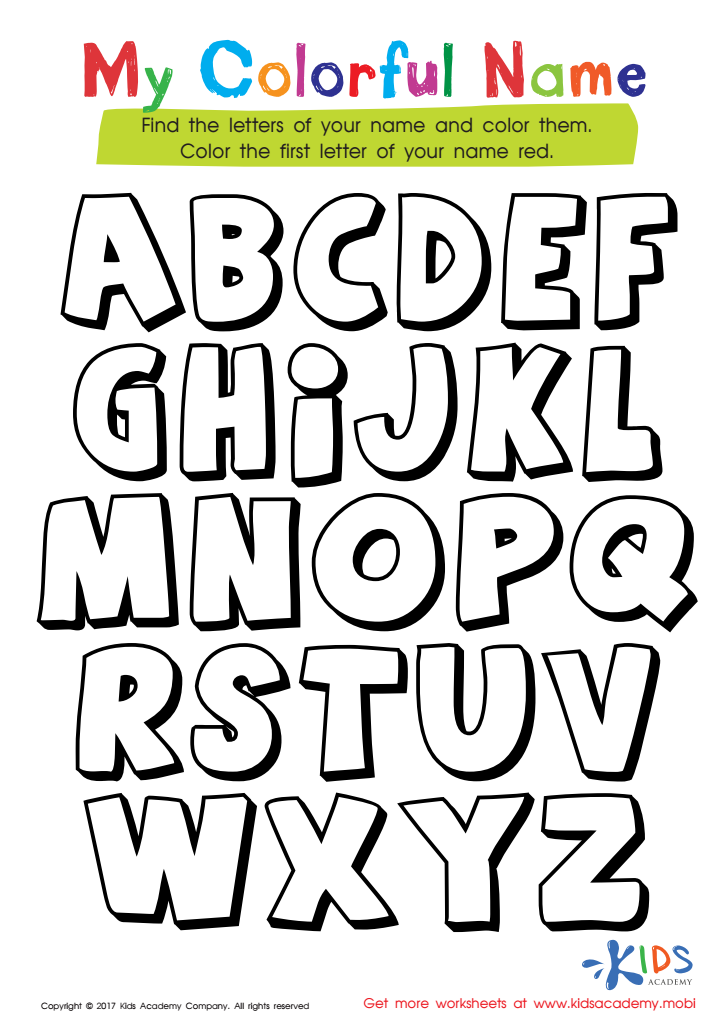
My Colorful Name Worksheet
 Assign to My Students
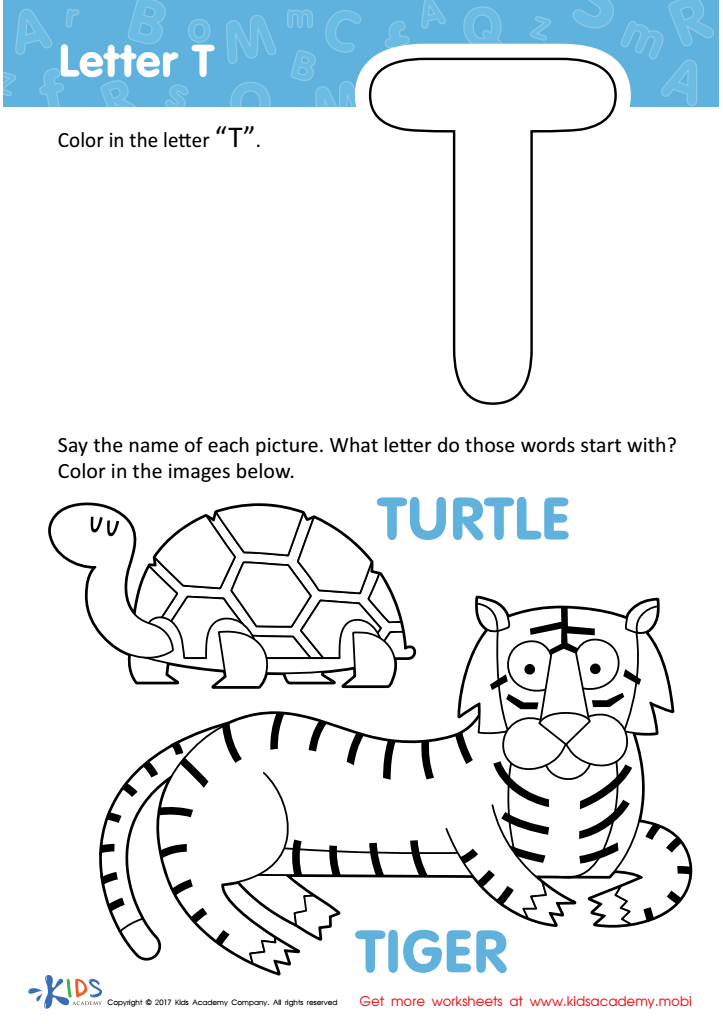
Letter T Coloring Sheet
Assign to My Students
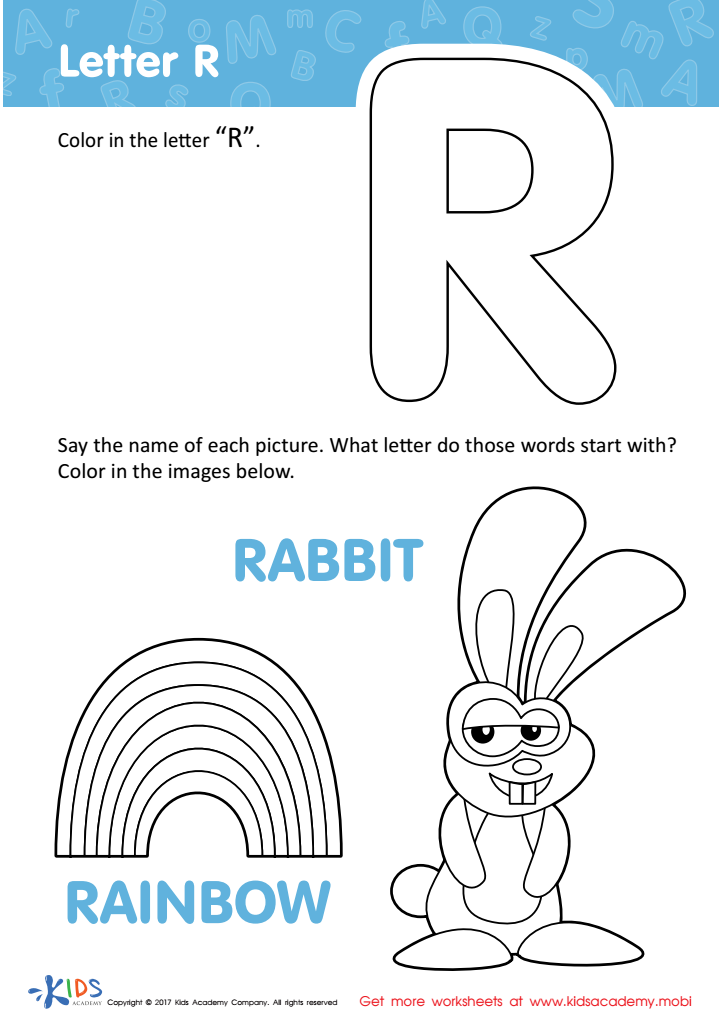
Letter R Coloring Sheet
Assign to My Students
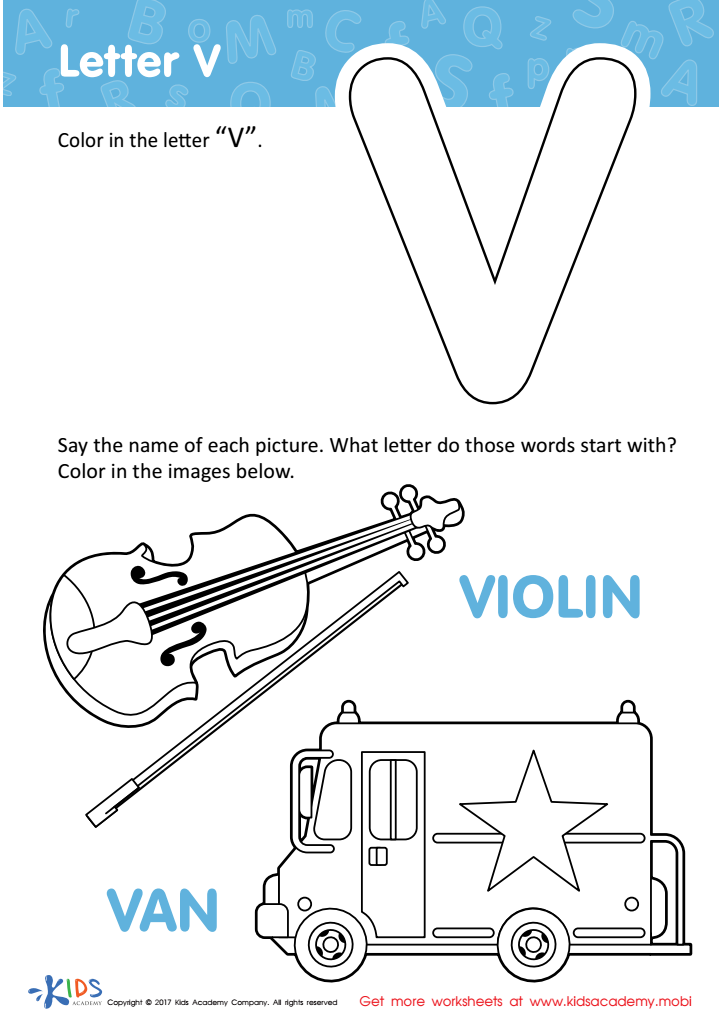
Letter V Coloring Sheet
Assign to My Students
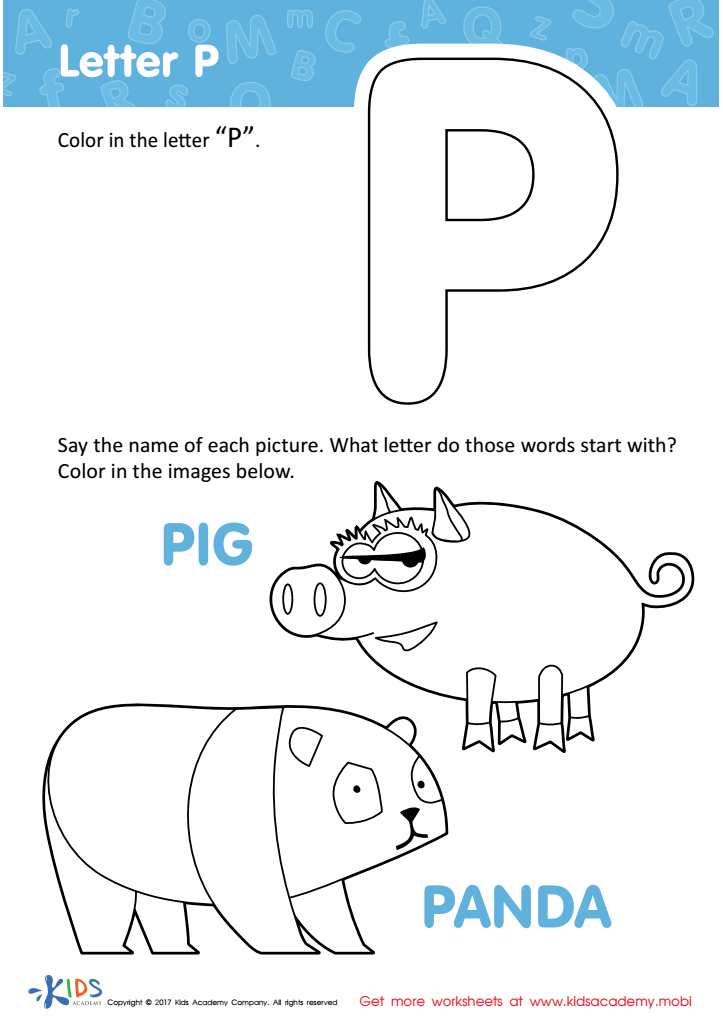
Letter P Coloring Sheet
Assign to My Students
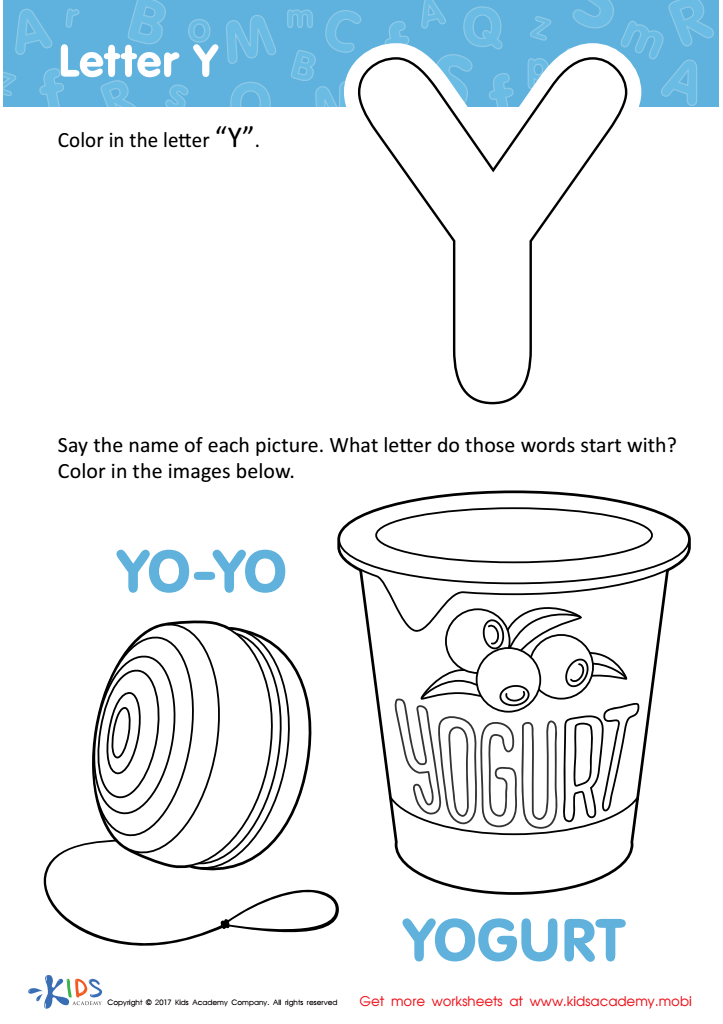
Letter Y Coloring Sheet
Assign to My Students




Alphabet recognition is a foundational skill in early childhood education, and it is particularly crucial for 7-year-olds who are transitioning from learning letters to reading fluently. Parents and teachers should prioritize Alphabet Recognition Easy English for Beginners because it fosters essential literacy skills that impact a child's academic success and overall confidence.
At this age, children are building the building blocks for future reading and writing capabilities. Mastering the alphabet enables them to decode words, which is vital for comprehension in all subjects. Engaging with interactive alphabet recognition activities promotes an enjoyable learning environment, making literacy fun and less daunting.
Furthermore, a strong grasp of the alphabet supports vocabulary development, as it encourages children to explore language through phonics and spelling. This understanding can enhance communication skills, allowing children to express themselves effectively.
By emphasizing alphabet recognition early on, parents and teachers can help set a strong foundation for lifelong learning. It empowers children to navigate texts independently, ultimately fostering a love for reading. Therefore, prioritizing alphabet recognition is an investment in children's future academic journeys, enabling them to thrive in an increasingly text-oriented world.