Cognitive Development Easy Numbers Worksheets for 7-Year-Olds
5 filtered results
-
From - To
Unlock your child's potential with our Cognitive Development Easy Numbers Worksheets for 7-year-olds! Designed to enhance mathematical skills while nurturing cognitive growth, these worksheets offer engaging activities that promote number recognition, counting, and basic problem-solving. Tailored to meet the developmental needs of children, each worksheet combines fun exercises with educational value, ensuring learning is enjoyable and effective. Encourage critical thinking and boost confidence in young learners as they explore numbers through creative tasks and interactive challenges. Perfect for parents and educators alike, our worksheets provide a solid foundation for future math success. Start your child’s learning journey today!
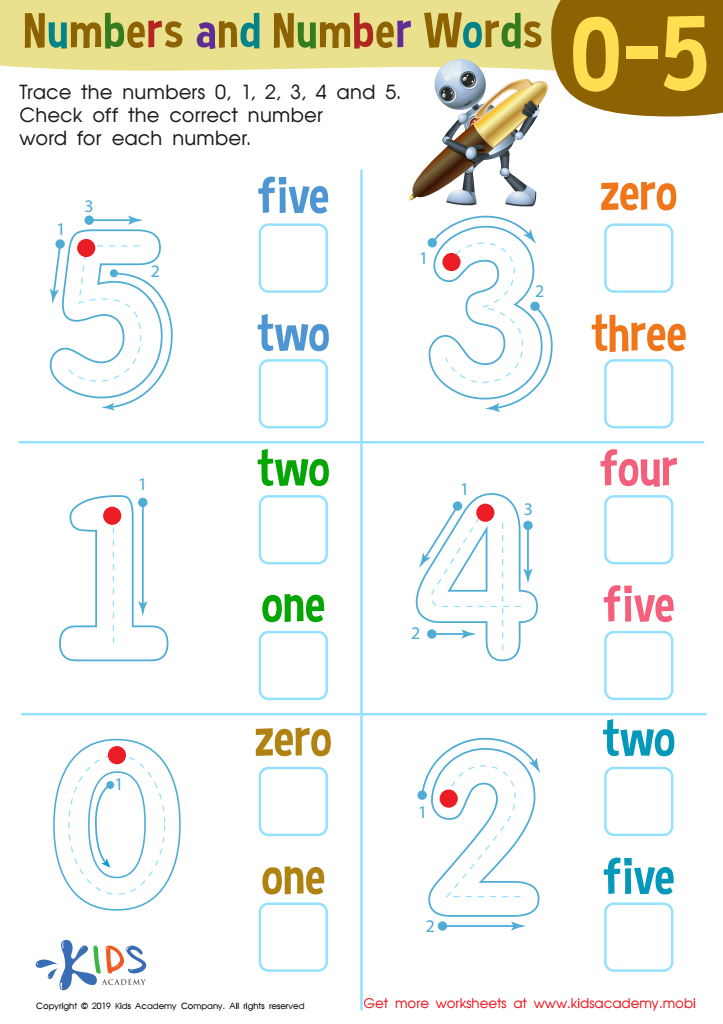
Numbers and Number Words Worksheet
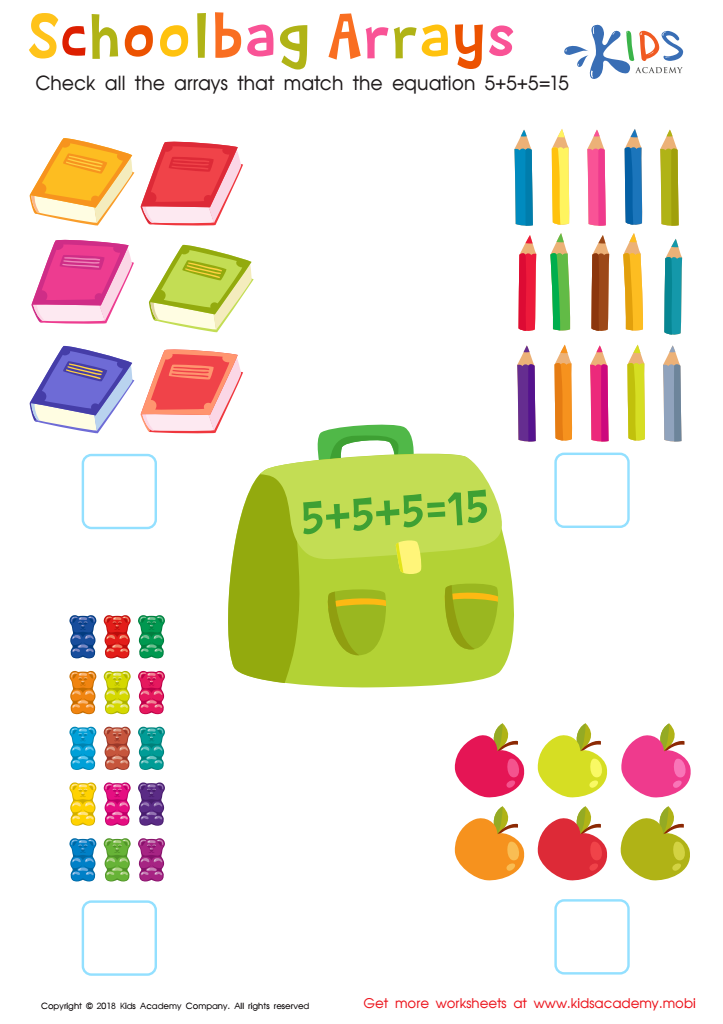
Schoolbag Arrays Worksheet
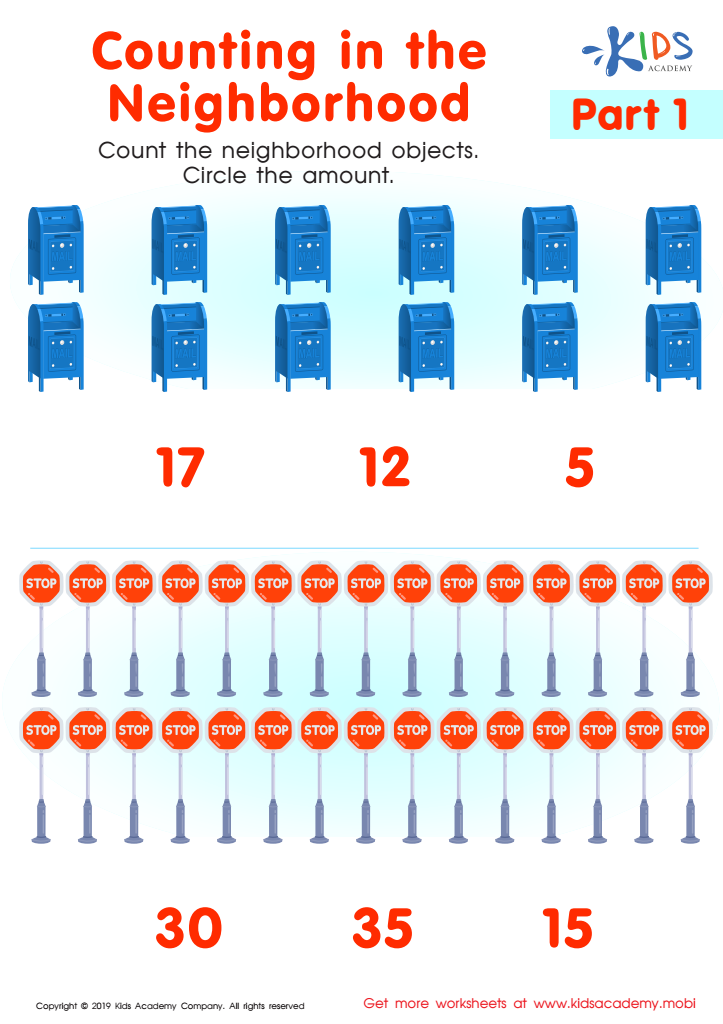
Counting in the Neighborhood Part1 Worksheet
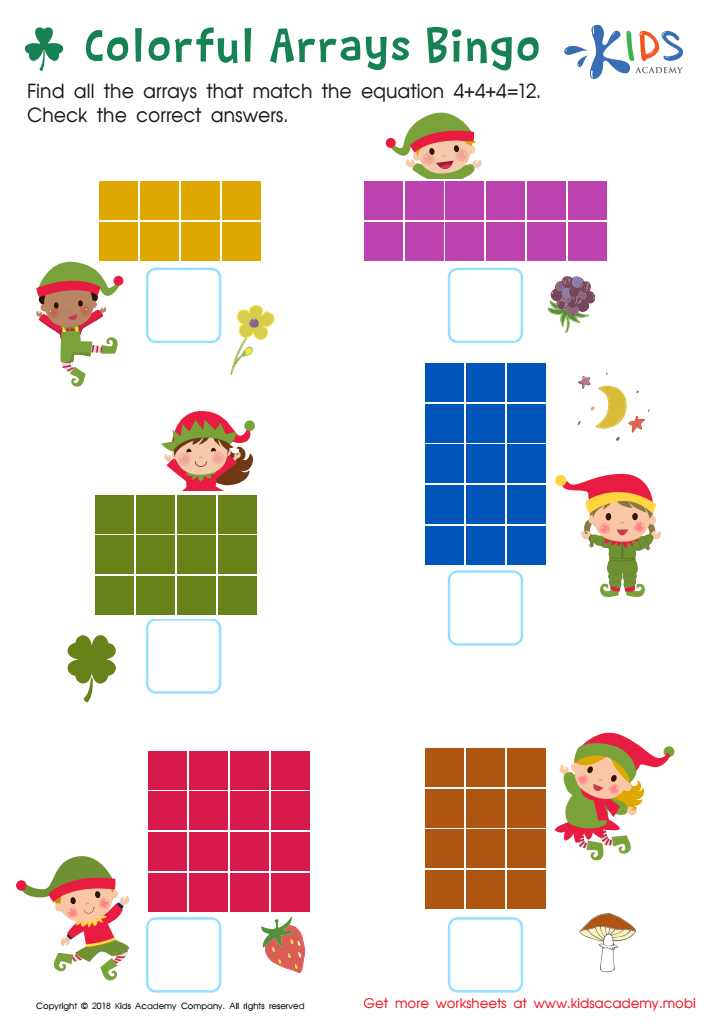
Colorful Arrays Bingo Worksheet
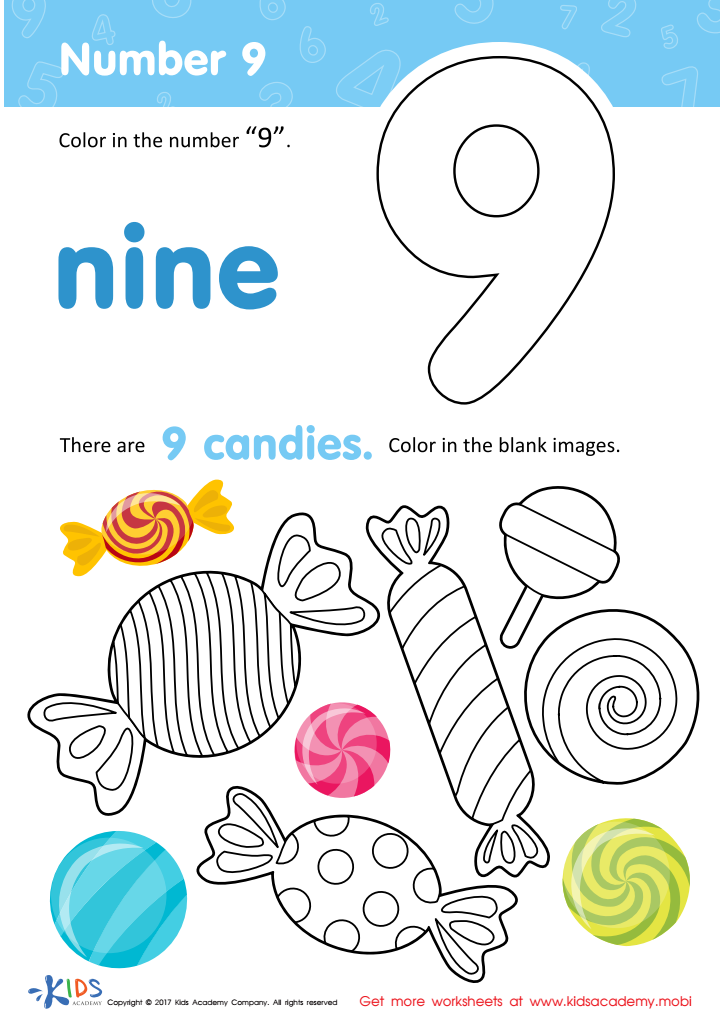
Number 9 Printable
 Assign to My Students







Cognitive development, particularly in early education, is crucial for 7-year-olds as it lays the groundwork for their lifelong learning experiences. At this age, children are not just memorizing facts and figures; they are developing critical thinking skills, problem-solving abilities, and the capacity to understand complex concepts. These skills are essential for their mathematical understanding, which includes operations like addition, subtraction, and the beginning stages of multiplication and division.
When parents and teachers engage actively in enhancing cognitive development, they contribute to a child's ability to process information, make connections, and comprehend relationships between numbers and concepts. This understanding not only aids in academic performance but also boosts self-esteem and fosters a love for learning. Creative interventions, like incorporating games and practical activities, can enhance engaging learning experiences and make challenging concepts more accessible.
Involving parents in this development reinforces a supportive learning environment at home, allowing children to apply concepts they learn at school in real-life scenarios. When parents and teachers collaborate to focus on cognitive development through easy numbers, they equip children with foundational skills that promote academic success and prepare them for future challenges. Ultimately, this investment in a child’s cognitive skills is vital for their overall growth and wellbeing.








