Number Recognition Easy Numbers up to 100 Worksheets for 7-Year-Olds
4 filtered results
-
From - To
Welcome to our “Number Recognition Easy Numbers up to 100 Worksheets for 7-Year-Olds”! Designed to support young learners, these engaging worksheets enhance vital skills in identifying and recognizing numbers up to 100. Each activity is thoughtfully created to make learning math fun and accessible, helping children develop confidence in their number recognition abilities. Perfect for classroom use or at home, our worksheets include colorful visuals and interactive exercises that captivate and stimulate young minds. As your child completes these worksheets, they will strengthen their understanding of numbers and improve their overall math skills. Start their learning journey today!
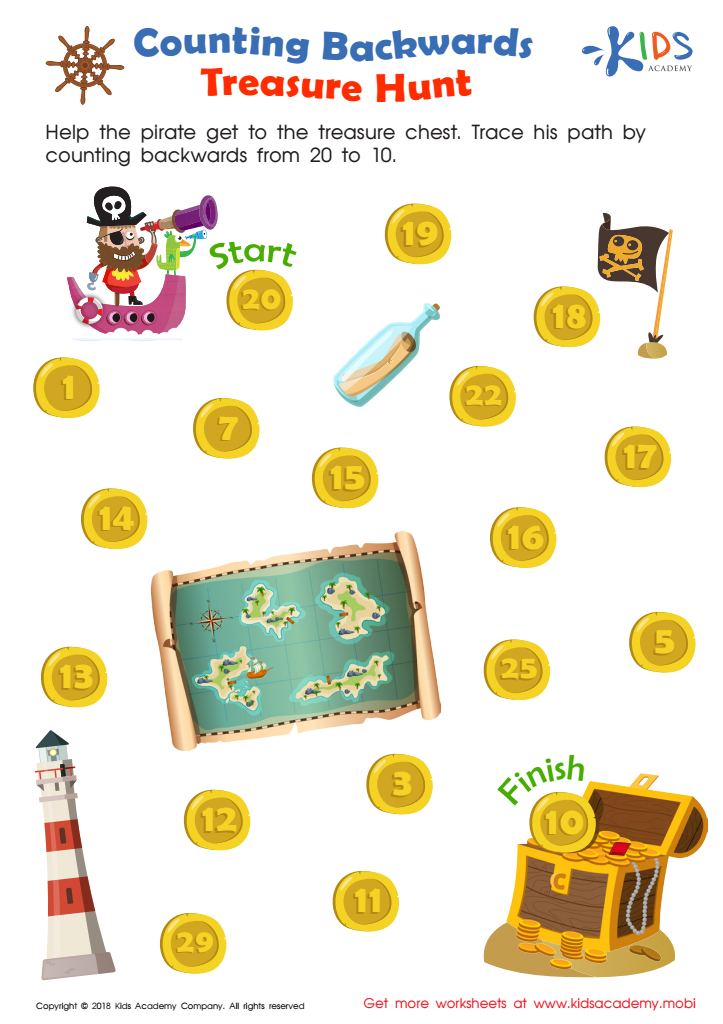
Counting Backwards: Treasure Hunt Worksheet
 Assign to My Students
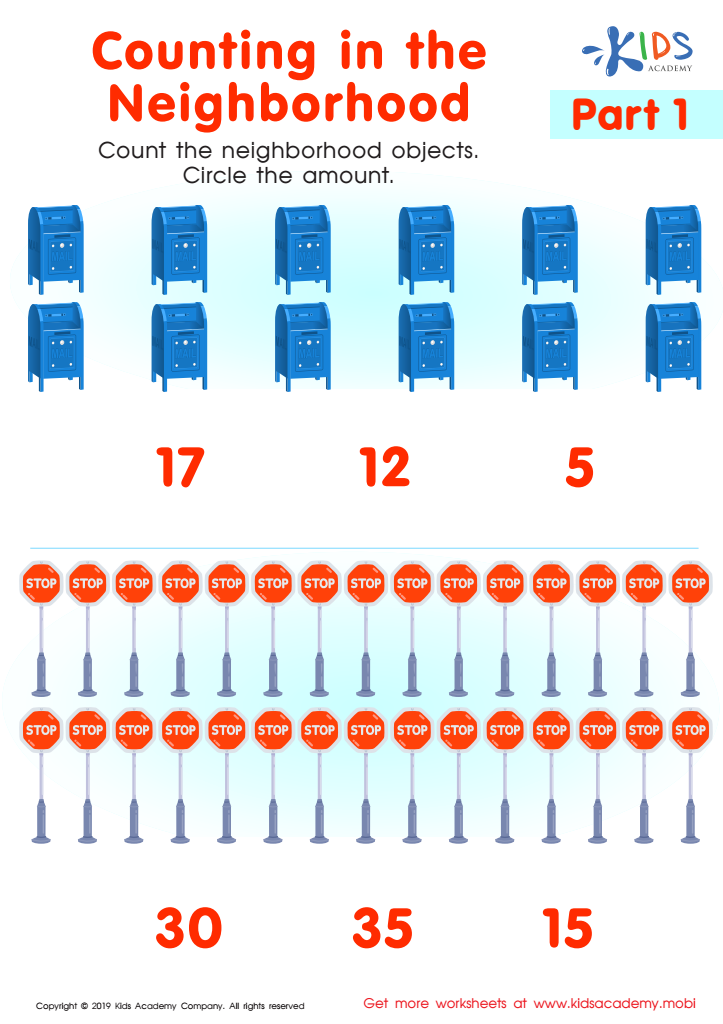
Counting in the Neighborhood Part1 Worksheet
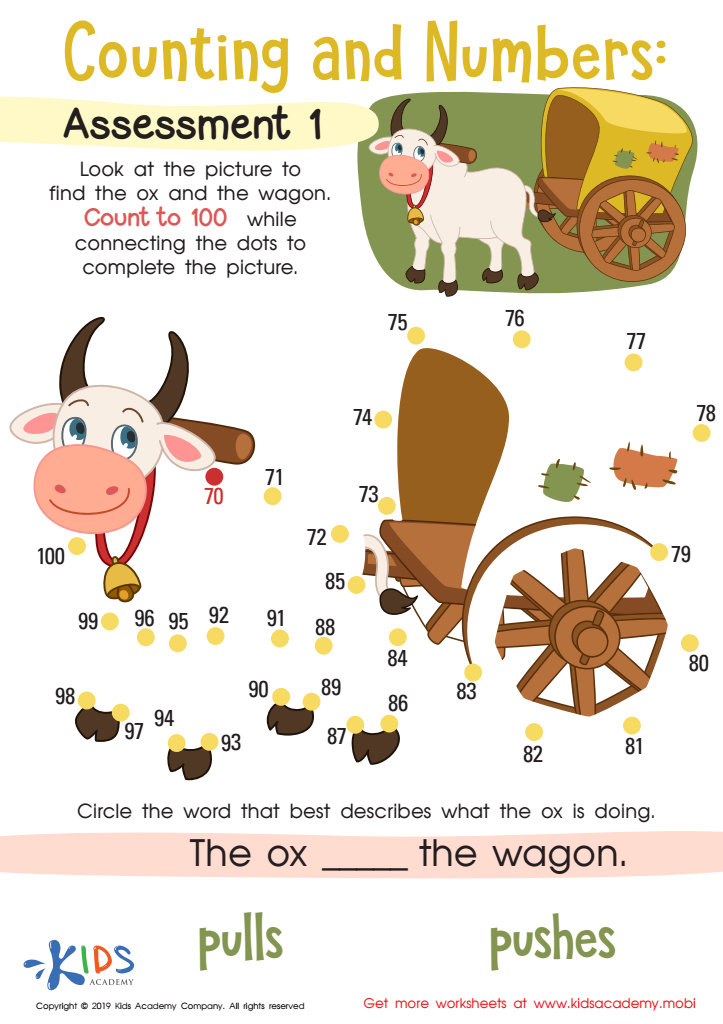
Counting and Numbers: Assessment 1 Worksheet

Counting on the City Skyline: Dot-to-Dot Worksheet







Number recognition is an essential skill for 7-year-olds, laying the foundation for their mathematical development and overall academic success. Parents and teachers should prioritize number recognition of easy numbers up to 100 because it helps children develop essential cognitive and problem-solving abilities.
At this age, children begin to encounter more complex mathematical concepts such as addition, subtraction, and simple multiplication. Mastery of numbers facilitates their understanding of these foundational concepts, making future learning experiences smoother and more effective. Additionally, number recognition enhances children's strategies for navigating daily life, from telling time and managing money to understanding schedules, which builds their independence and self-confidence.
Furthermore, number recognition is strongly linked to literacy skills. As children learn to recognize numbers, they also develop phonemic awareness and pattern recognition, both crucial for reading. Support from parents and teachers in affirming this skill not only encourages a positive attitude towards learning but also helps create engaging learning environments that extend beyond the classroom, supporting lifelong learning. Overall, fostering number recognition enables children to actively participate in a variety of academic and real-world situations, contributing to their overall development.