Basic Addition Easy Math Worksheets for Ages 8-9
6 filtered results
-
From - To
Our "Basic Addition Easy Math Worksheets for Ages 8-9" provide engaging and educational resources to strengthen your child's math skills. Designed for young learners, these printable worksheets use fun and interactive exercises to make learning basic addition enjoyable. Each worksheet is carefully crafted to reinforce foundational math concepts, promoting confidence and proficiency. Ideal for both classroom and home use, our collection supports a range of learning styles and offers students an opportunity to practice and master addition in a stress-free environment. Boost your child's mathematical abilities with our easy-to-follow and exciting addition worksheets.
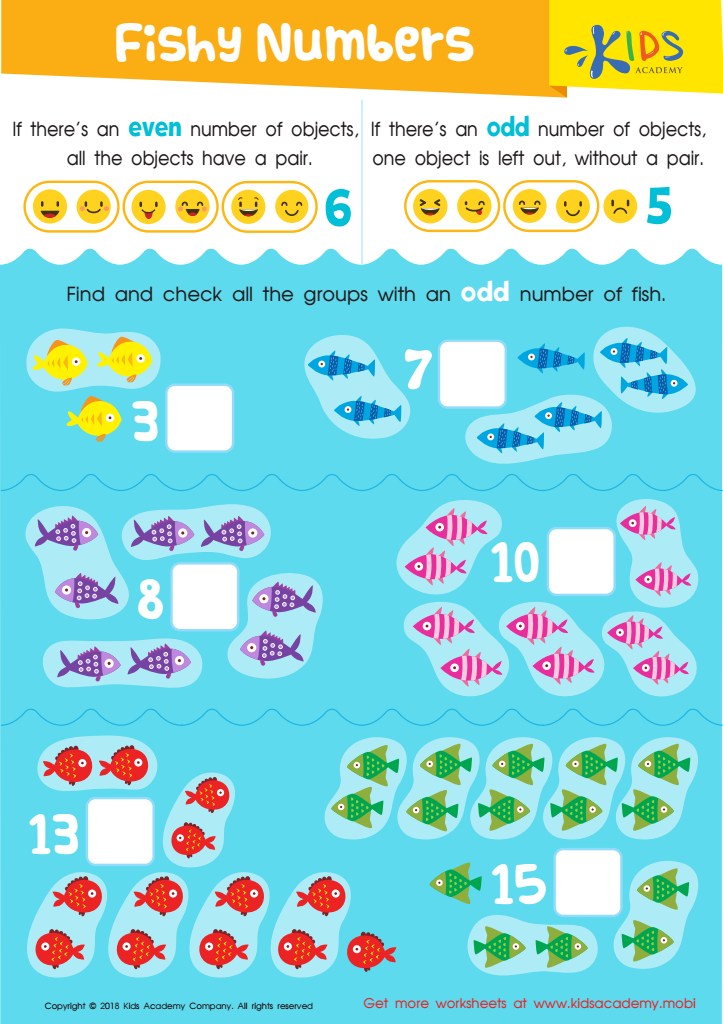
Fishy Numbers Worksheet
 Assign to My Students
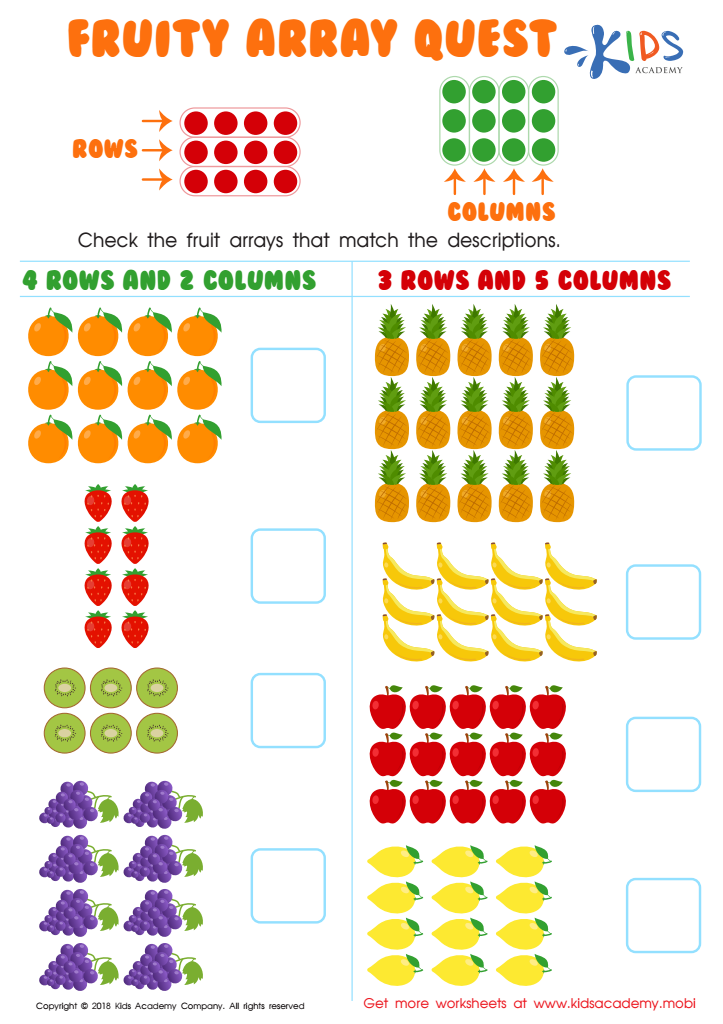
Fruity Array Quest Worksheet
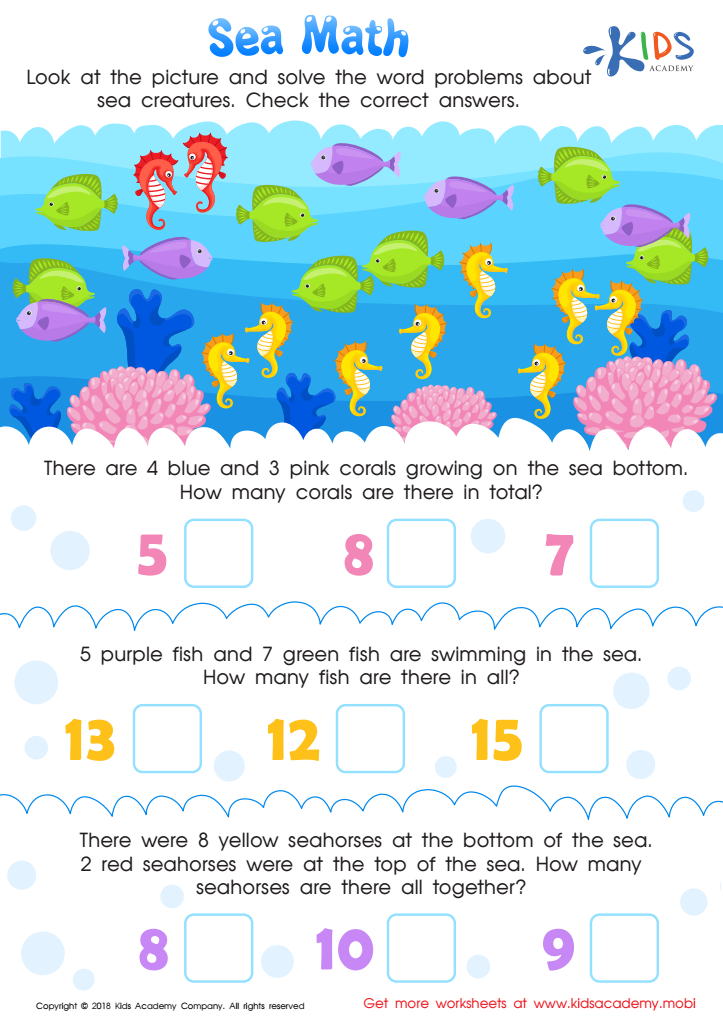
Sea Math Worksheet
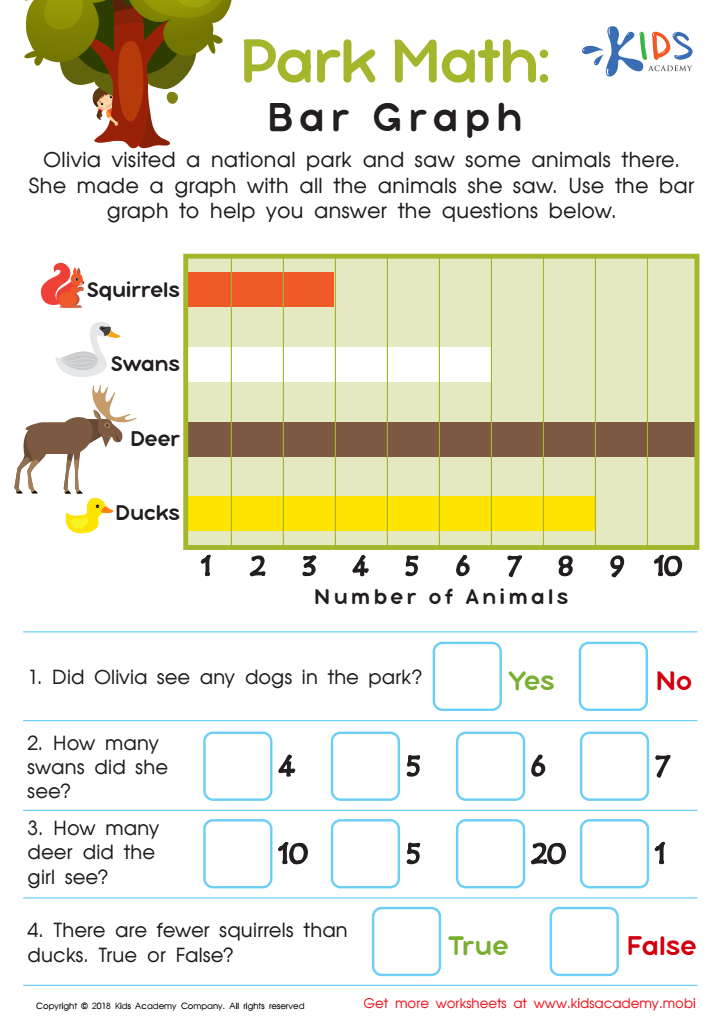
Park Math: Bar Graph Worksheet
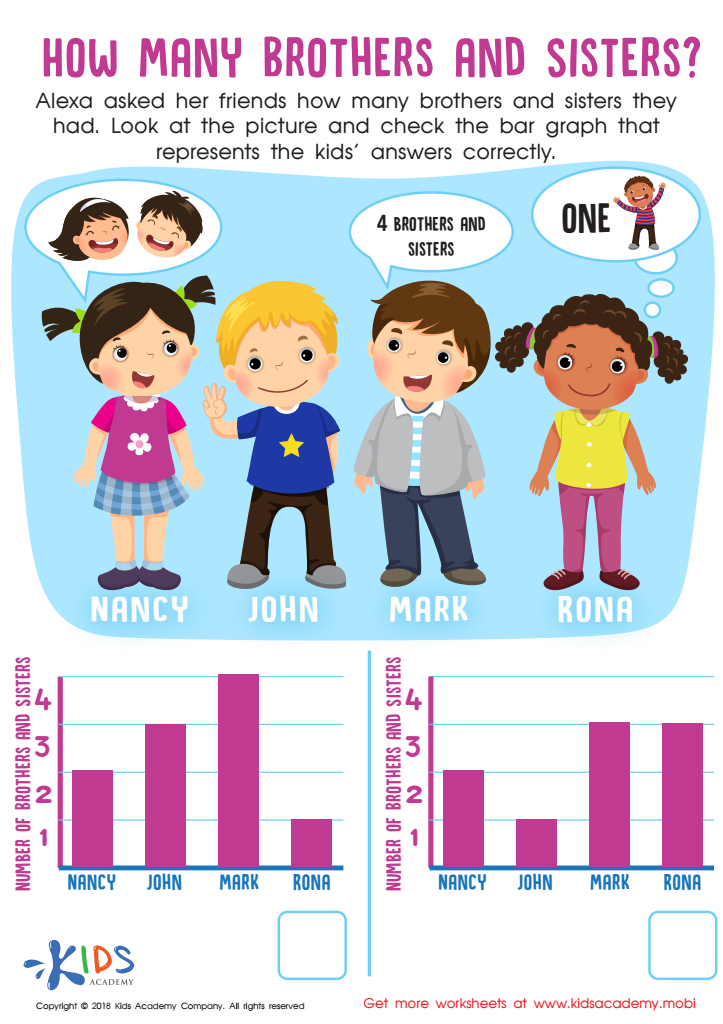
How Many Brothers and Sisters? Worksheet
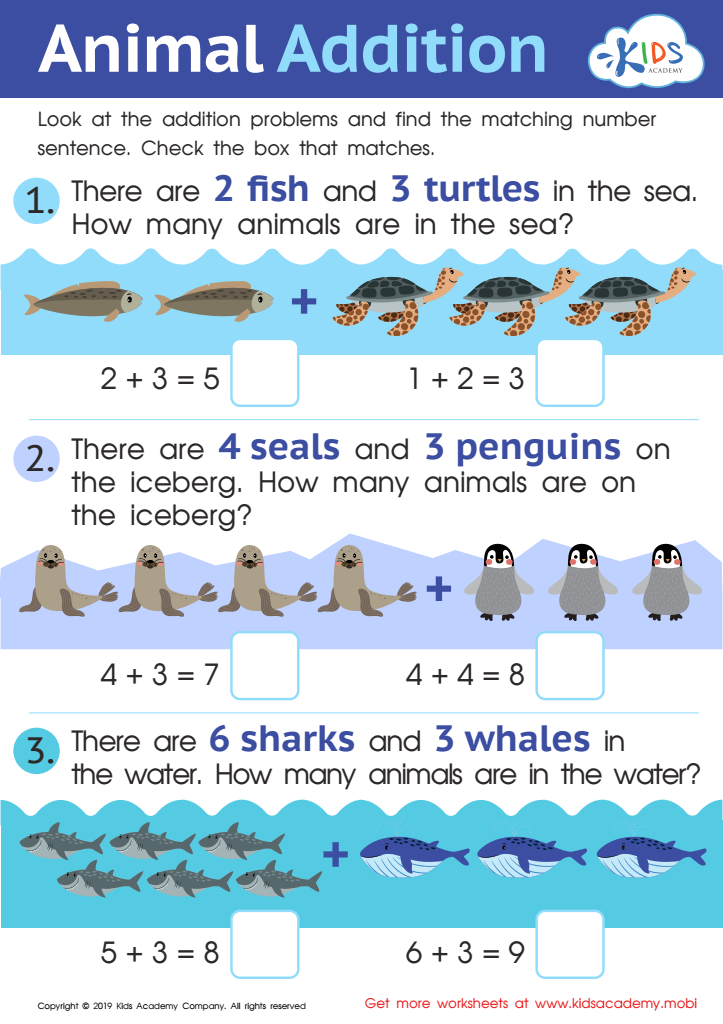
Animal Addition Worksheet








Basic addition is a fundamental skill in mathematics that serves as the building block for more advanced math concepts. For parents and teachers of children aged 8-9, ensuring that students have a solid grasp of basic addition is crucial. At this developmental stage, children are typically expanding their numerical understanding, and proficiency in addition can boost their confidence and promote a positive attitude toward math.
Learning addition not only equips children with the ability to solve everyday problems, such as counting money or telling time, but it also lays the groundwork for other essential math skills. For instance, mastery of basic addition can make it easier for children to learn subtraction, multiplication, and division. Additionally, understanding the concept of adding numbers can improve cognitive abilities, such as logical thinking and problem-solving skills, which are applicable across various subjects and real-life situations.
By focusing on basic addition, parents and teachers can help children achieve academic success and minimize the risk of future difficulties in math. This early competence is a stepping stone to more complex topics like fractions, decimals, and algebra, ensuring that students have a smooth and successful journey through their math education. Prioritizing basic addition not only supports academic achievement but also builds a child's confidence and enjoyment in the subject.








