Hand-eye Coordination Easy Math Worksheets for Ages 8-9
6 filtered results
-
From - To
Enhance your child's hand-eye coordination and math skills with our specially designed worksheets for ages 8-9! These engaging, easy math exercises provide a fun way to promote essential learning while encouraging fine motor development. Our worksheets feature vibrant illustrations and interactive tasks that challenge young learners to practice addition, subtraction, and pattern recognition. By merging mathematical concepts with hand-eye coordination activities, children will gain confidence in their abilities and enjoy the learning process. Perfect for homeschooling, supplementary practice, or classroom use, these worksheets are an excellent resource for nurturing your child's academic growth and dexterity. Download now and watch your child thrive!
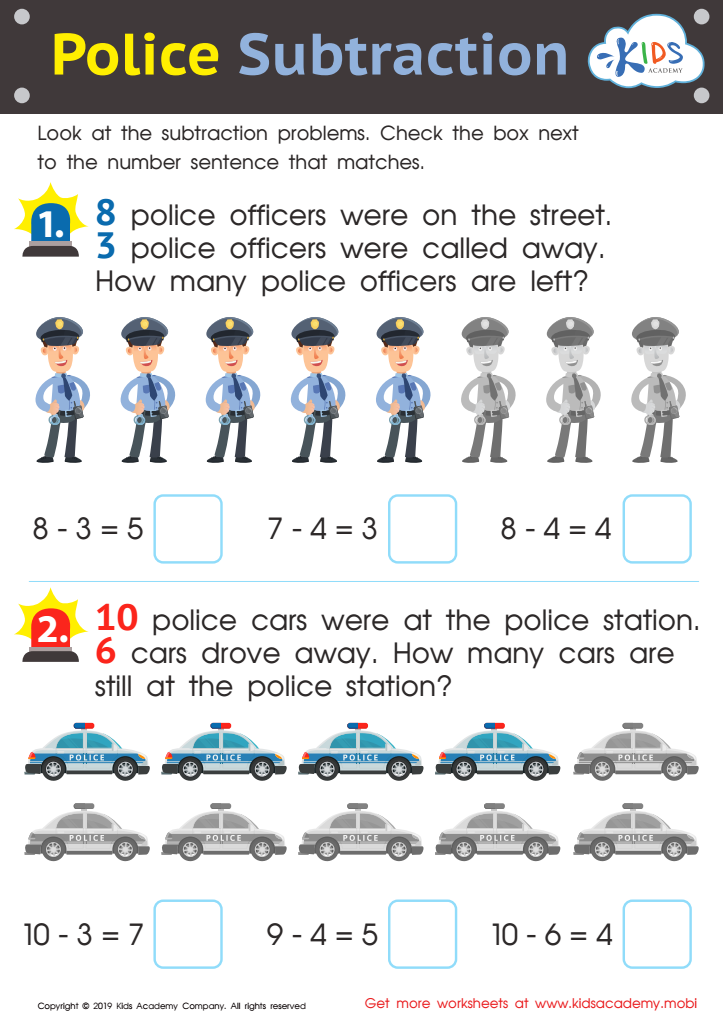
Police Subtraction Worksheet
 Assign to My Students
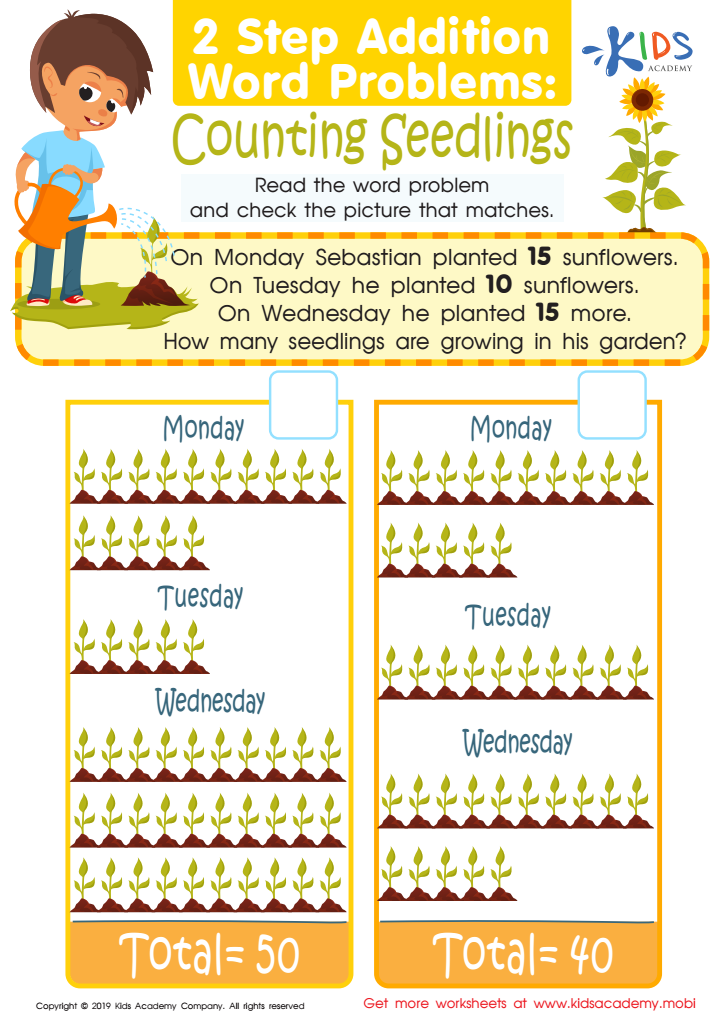
Counting Seedlings Worksheet
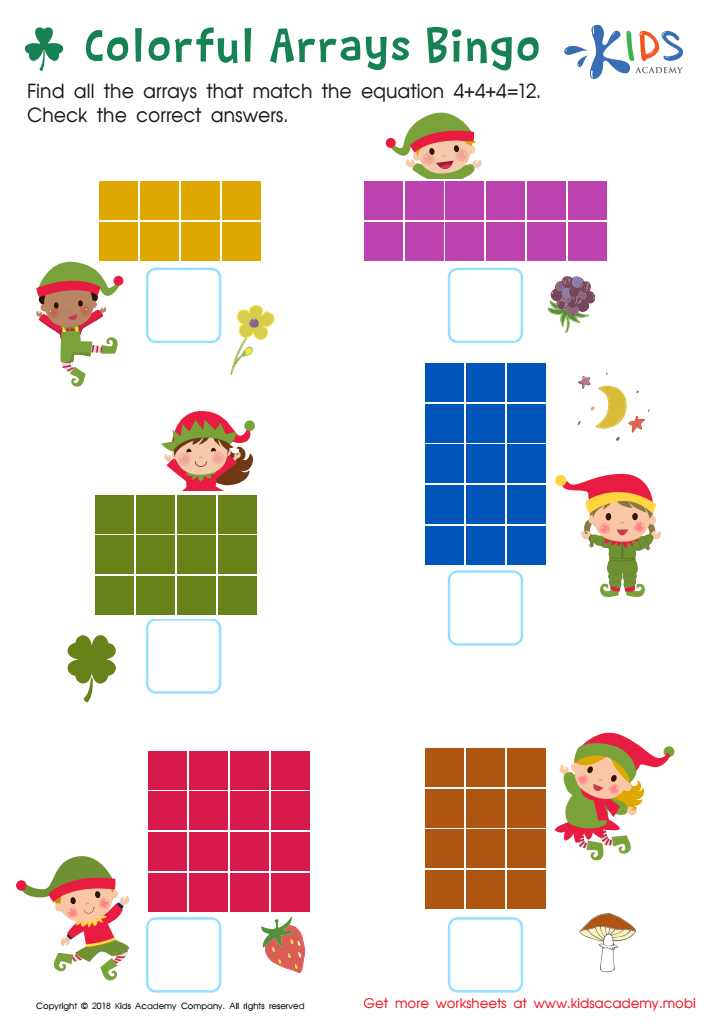
Colorful Arrays Bingo Worksheet
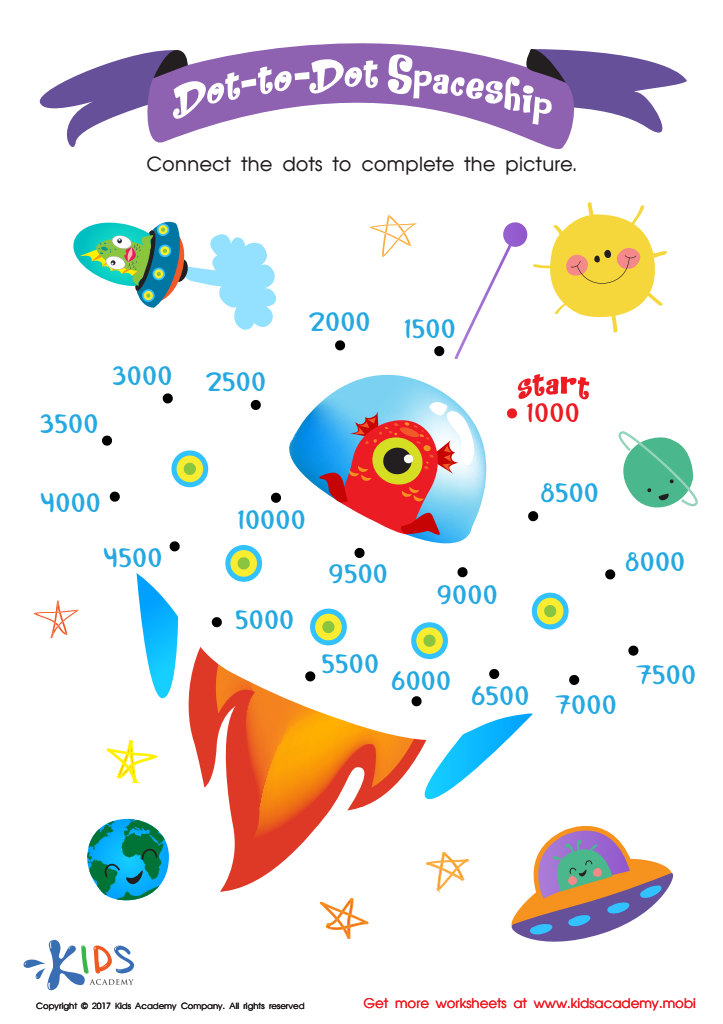
Dot to Dot Worksheet for 3rd Grade
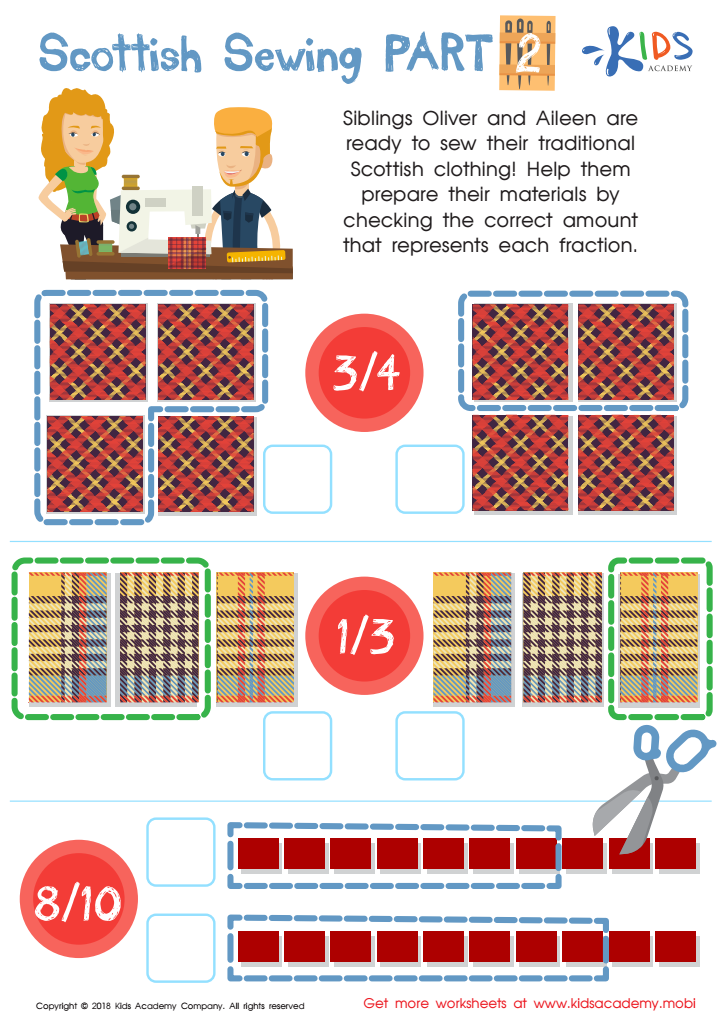
Scottish Sewing Part 2 Worksheet
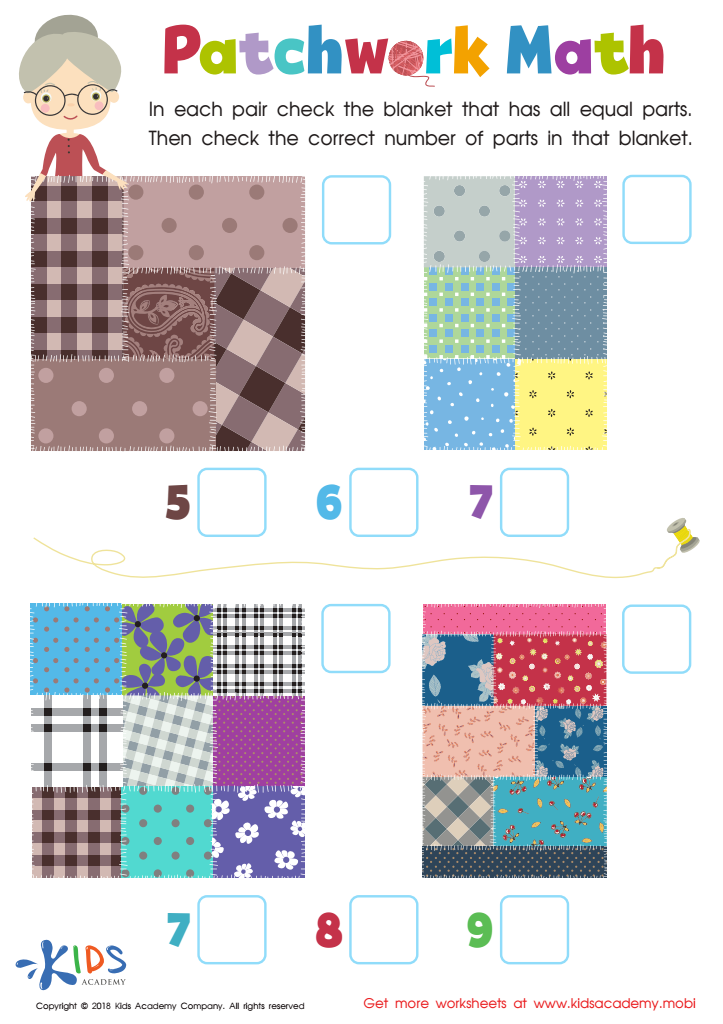
Patchwork Math Worksheet








Hand-eye coordination is a crucial skill for children, particularly between the ages of 8 and 9. During this developmental stage, kids are refining their physical abilities while also navigating more complex academic tasks. Engaging in activities that promote hand-eye coordination, such as Easy Math exercises, helps them enhance focus and fine motor skills, making it easier for them to work with numbers, write neatly, and solve problems efficiently.
Parents and teachers should care about integrating hand-eye coordination with math for several reasons. Firstly, the combination fosters critical thinking and spatial awareness, essential components in both mathematics and everyday problem-solving. Also, children who participate in these activities tend to demonstrate improved academic performance. As they gain confidence in their abilities, their enthusiasm for learning grows, decreasing apprehension toward challenging subjects like math.
Moreover, developing hand-eye coordination can also bridge gaps between unruly or distracted behavior often seen in this age group, encouraging teamwork through shared activities. These skills will not only lay a solid foundation for later academic pursuits but also help children navigate social interactions, physical activities, and life skills, proving the holistic value of integrated learning. Overall, nurturing these abilities is vital for fostering well-rounded, capable learners.








