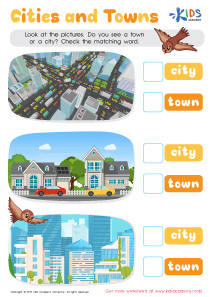
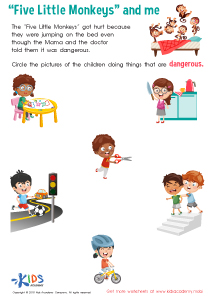
Critical Thinking Easy Reading Worksheets for Ages 8-9
5 filtered results
-
From - To
Discover a collection of engaging 'Critical Thinking Easy Reading Worksheets' designed specifically for kids aged 8-9! These worksheets from Kids Academy enhance comprehension and analytical skills through diverse, age-appropriate passages paired with thought-provoking questions. Each exercise encourages young readers to infer, make connections, and challenge their reasoning, sparking a deeper understanding of the material. Ideal for classroom use or at-home practice, these printable worksheets make learning fun while sharpening critical thinking abilities. Help your child excel in reading and become a confident, independent thinker with these expertly crafted resources.
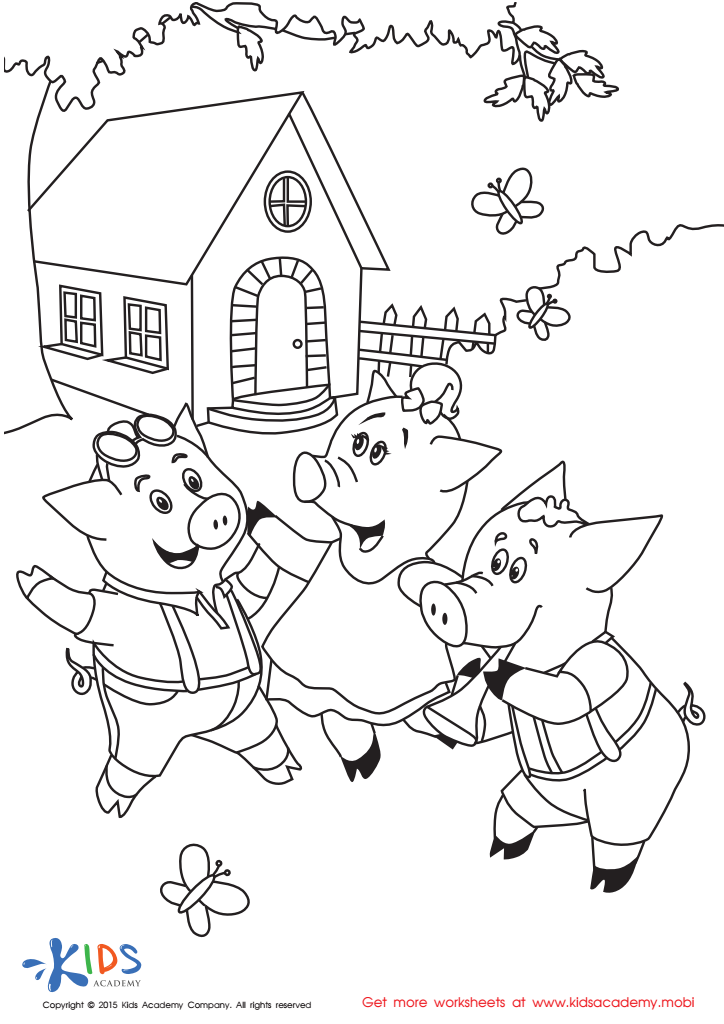
Folktales Printable PDF Worksheet: The 3 Little Pigs
 Assign to My Students
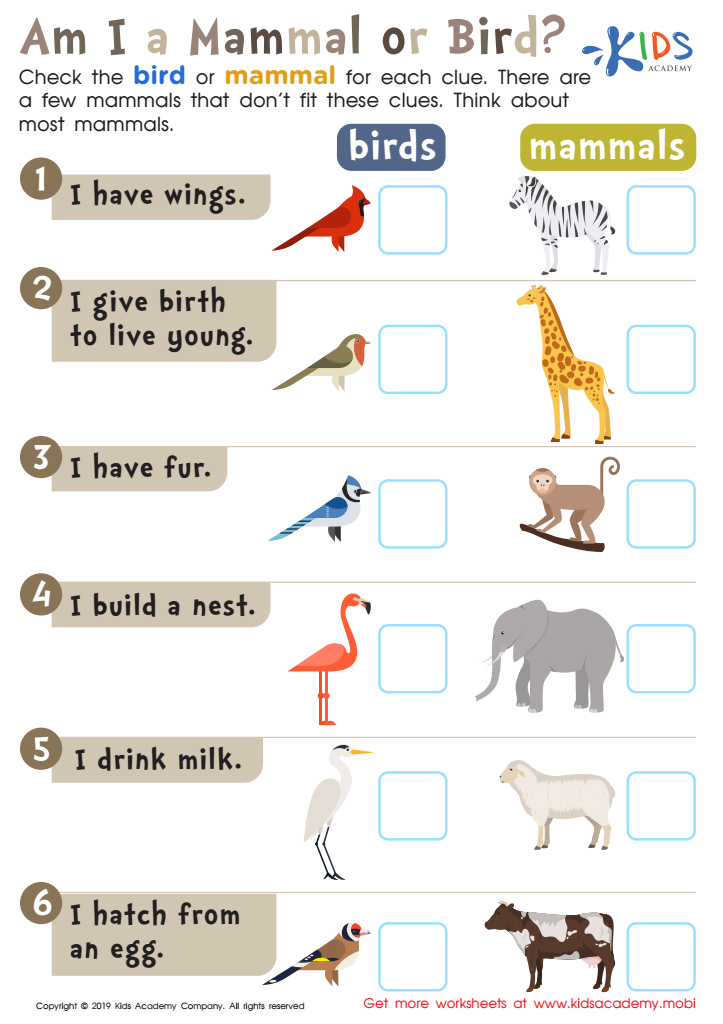
Am I a Mammal or Bird? Worksheet
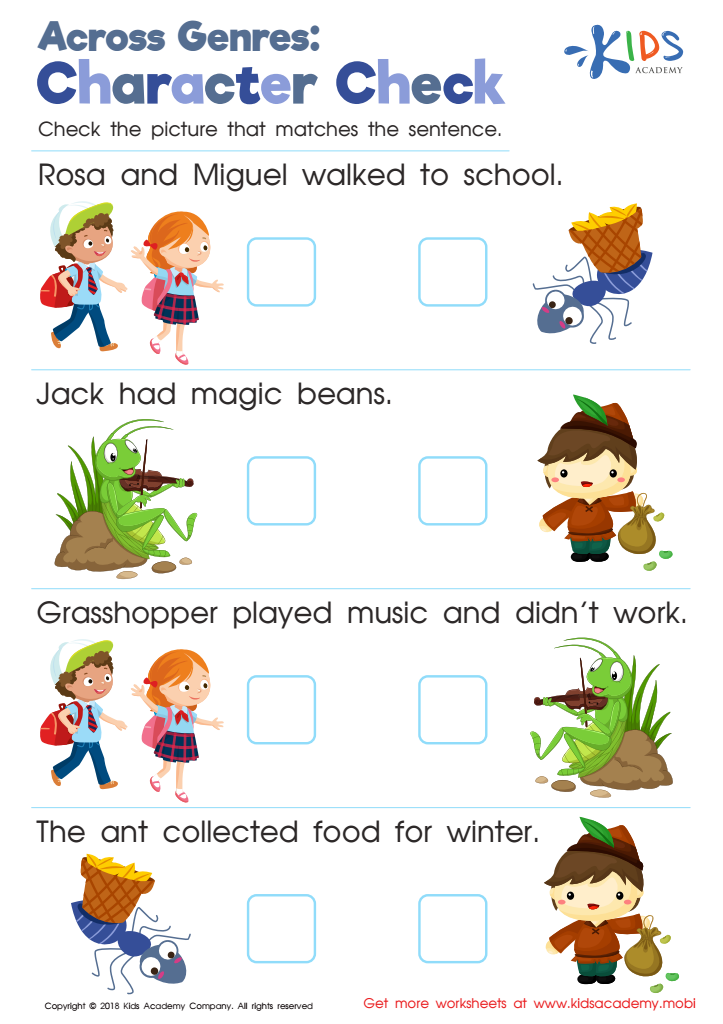
Across Genres: Character Check Worksheet
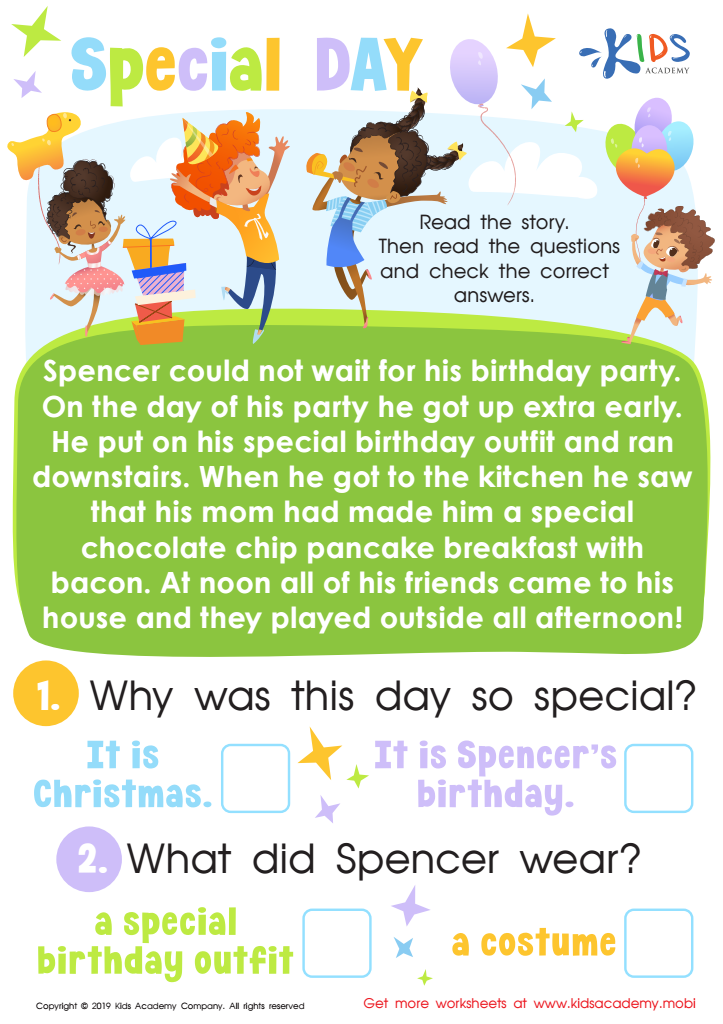
Special Day Worksheet
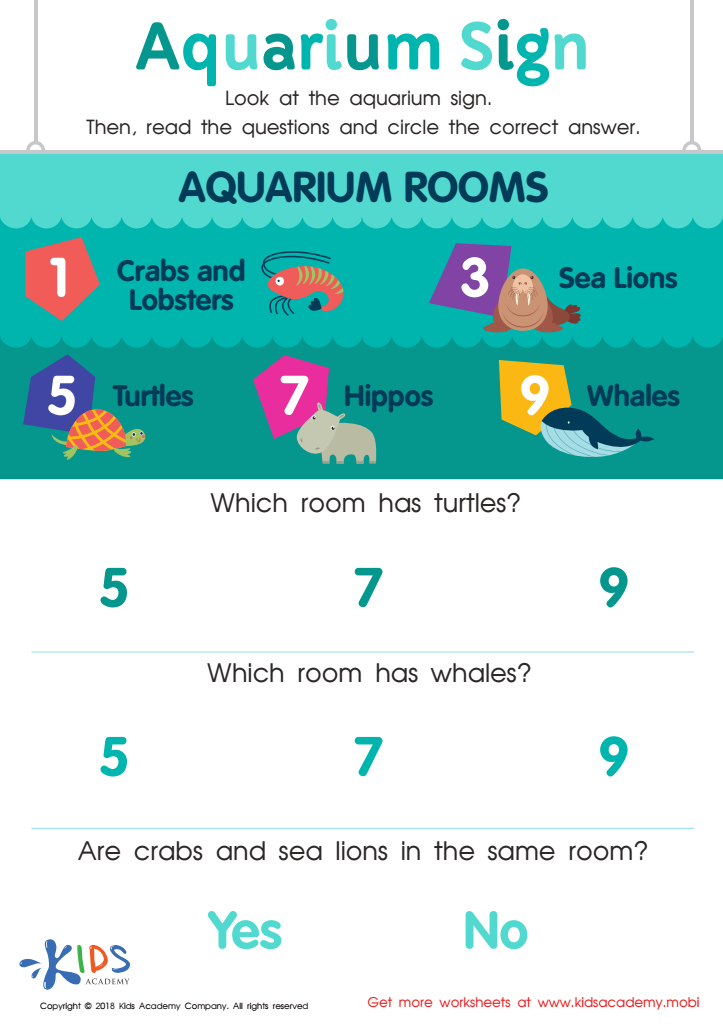
Assessment: Aquarium Sign Worksheet







Parents and teachers should prioritize Critical Thinking Easy Reading for children ages 8-9 because it fosters essential cognitive and analytical skills during a formative stage of development. During these early years, children are not just learning to read, but also reading to learn. This means they comprehend stories, evaluate various viewpoints, infer hidden meanings, and draw reasoned conclusions. Critical thinking exercises integrated into reading materials broaden a child's intellectual horizon and promote independent thinking.
Encouraging critical thinking through reading helps cultivate a mindset that questions, rather than simply accepts, information. This habit is valuable for lifelong learning and effective problem-solving. When children evaluate characters' choices, predict story outcomes, or verbalize their reasoning, they develop the ability to approach real-life dilemmas thoughtfully. It also enhances their emotional intelligence by helping them understand motives and perspectives different from their own.
Supporting critical thinking within reading activities also strengthens other core academic skills, such as vocabulary, comprehension, and writing. These competencies are foundational for future academic success across subjects. Thus, integrating critical thinking into reading at this crucial stage ensures children don't just grasp facts, but develop a robust framework for lifelong inquiry and reflection, setting the stage for thoughtful, informed citizenship.