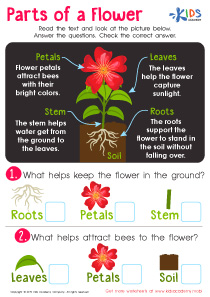
Critical Thinking Easy Reading Fiction Worksheets for Ages 8-9
3 filtered results
Difficulty Level
Grade
Age
-
From - To
Subject
Activity
Standards
Enhance your child’s reading skills with our "Critical Thinking Easy Reading Fiction Worksheets" tailored for ages 8-9! Designed to encourage comprehension and analytical skills, these engaging worksheets feature fun fiction excerpts that challenge young readers to think critically about the stories. Each worksheet promotes essential skills, including prediction, inference, and interpretation, while making reading enjoyable and interactive. Ideal for teachers and parents alike, these resources foster a love for reading and support literacy development in a supportive learning environment. Boost your child's reading confidence today with our thoughtfully crafted worksheets, paving the way for lifelong critical thinking and a deep appreciation for literature!
Favorites
With answer key
Interactive
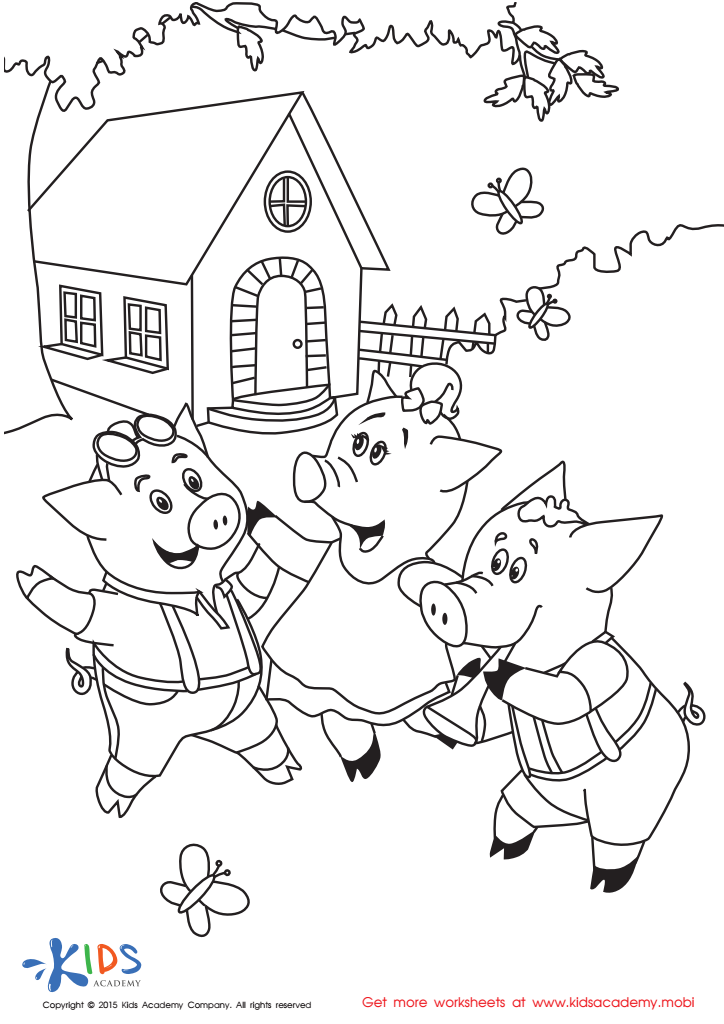
Folktales Printable PDF Worksheet: The 3 Little Pigs
Then, help your child to color the scene with pink piglets, blue sky and green grass. Make the brick house bright and vivid. Enjoy!
Download (PDF)
 Assign to My Students
Assign to My Students
Folktales Printable PDF Worksheet: The 3 Little Pigs
Worksheet
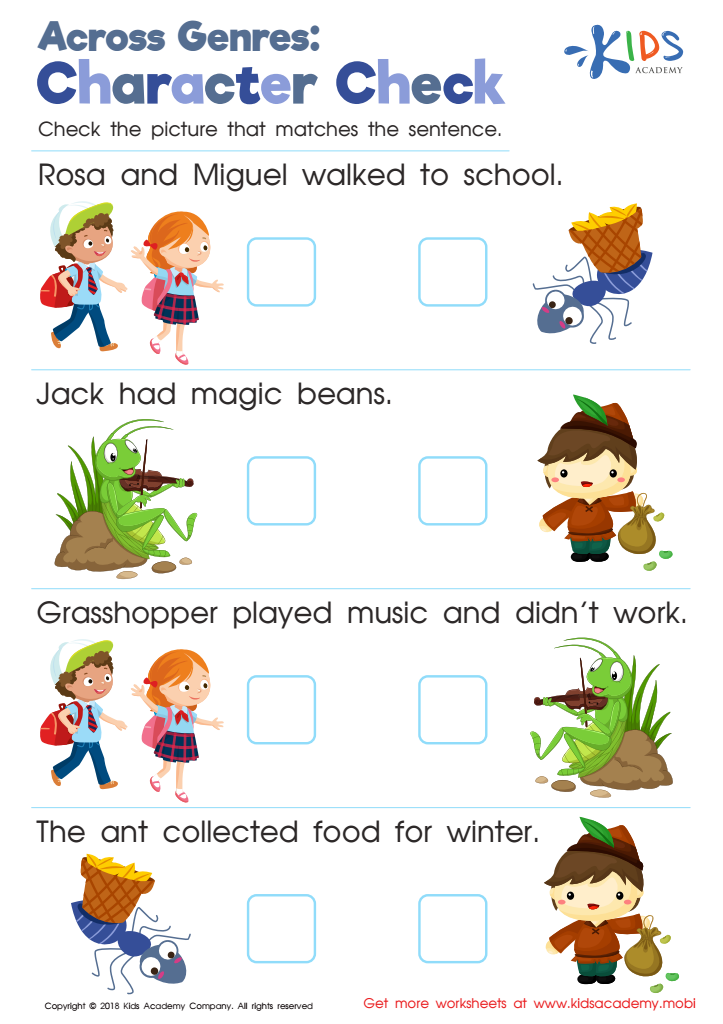
Across Genres: Character Check Worksheet
Read the sentences to your kids, then have them match the pictures to them. Ask them to look at the pictures and help them check which one goes with the sentence. The aim is to see how well they can do this exercise. (80 words)
Across Genres: Character Check Worksheet
Worksheet
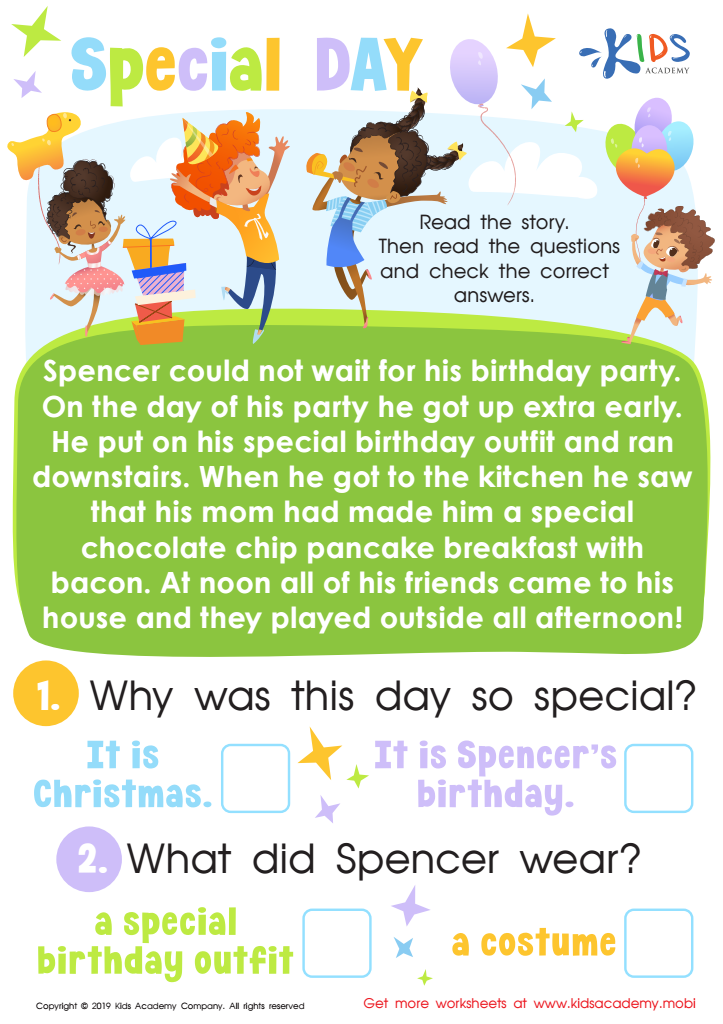
Special Day Worksheet
What's your child's favorite day? Let them tell you what makes it special and what they enjoy most. With the worksheet, show them the picture and ask them to identify the day. Read the story aloud, and help them answer the questions and check the right responses.
Special Day Worksheet
Worksheet
Join Kids Academy for Free
Who is primarily going to use this learning content?








Parents and teachers should prioritize Critical Thinking Easy Reading Fiction for ages 8-9 due to its significant impact on cognitive development. At this age, children are naturally curious and eager to explore complex ideas. Engaging with easy fiction that stimulates critical thinking fosters their ability to analyze situations, generate questions, and understand different perspectives.
This literary genre encourages active participation, allowing young readers to foresee consequences, identify motives, and draw conclusions from the storylines. Such involvement not only strengthens their comprehension skills but also builds confidence in articulating thoughts and opinions. Furthermore, critical thinking fostered through fiction enhances problem-solving abilities later in life, equipping children with skills essential for academic success and real-world challenges.
Additionally, stories often introduce moral dilemmas that prompt discussions about ethics and personal values. This promotes emotional intelligence and empathy, as children learn to navigate complex social situations. Ultimately, encouraging a love for critical thinking in easy fiction reading sets the foundation for life-long learning and adaptability. By nurturing these skills, parents and teachers can empower children to become thoughtful, informed individuals, ready to engage meaningfully with the world around them.