Problem-Solving Skills Easy Geometry Worksheets for 8-Year-Olds
5 filtered results
-
From - To
Discover our engaging "Problem-Solving Skills Easy Geometry Worksheets for 8-Year-Olds," designed to enhance young learners' understanding of basic geometric concepts. These interactive worksheets feature colorful illustrations and age-appropriate problems that challenge students to apply critical thinking and logical reasoning. Covering essential topics like shapes, area, and perimeter, our resources promote hands-on learning and foster a love for math. Ideal for both classroom use and homeschooling, these worksheets encourage creativity and collaboration, ensuring your child builds a strong foundation in problem-solving skills. Explore the fun and stimulating world of geometry, and watch your child's confidence soar with every completed worksheet!
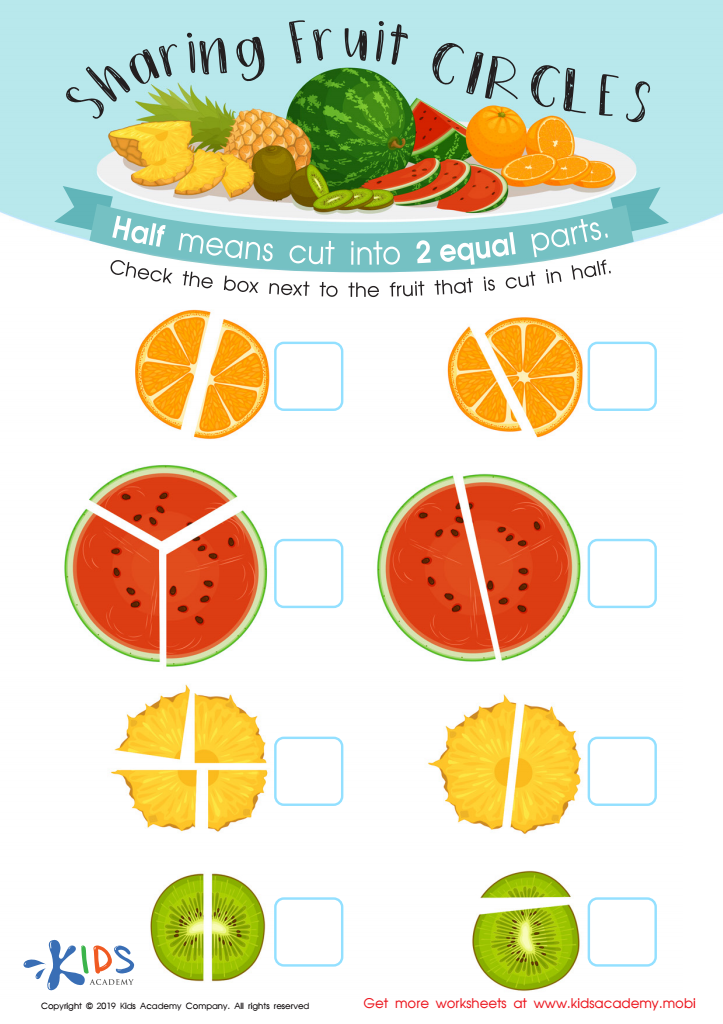
Sharing Fruit Circles Worksheet
 Assign to My Students











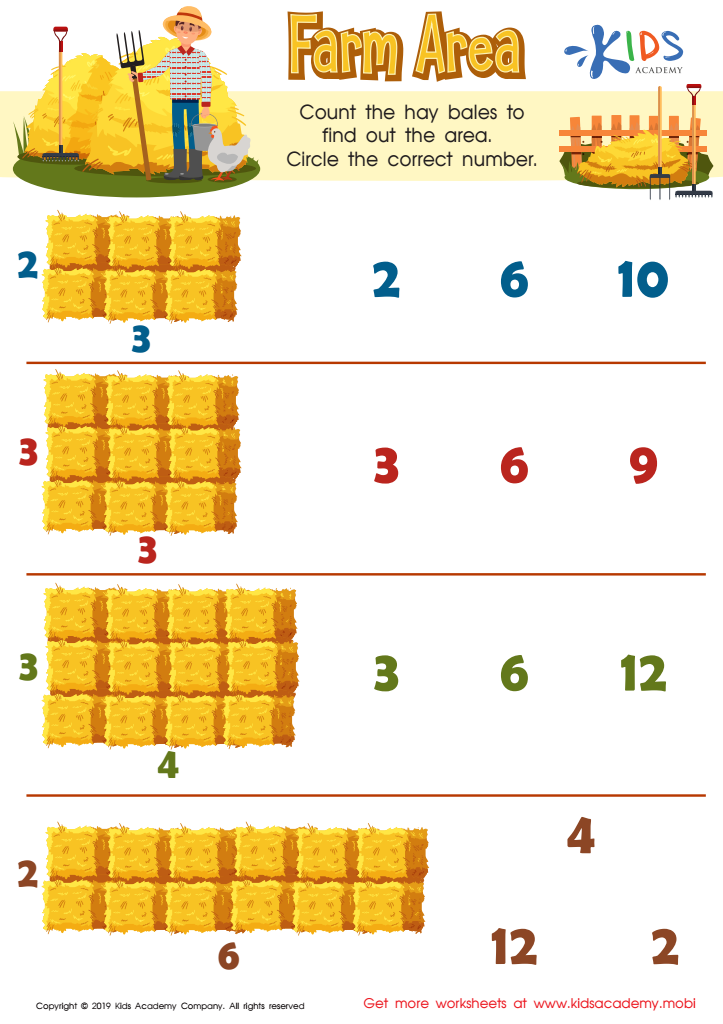
Farm Area Worksheet
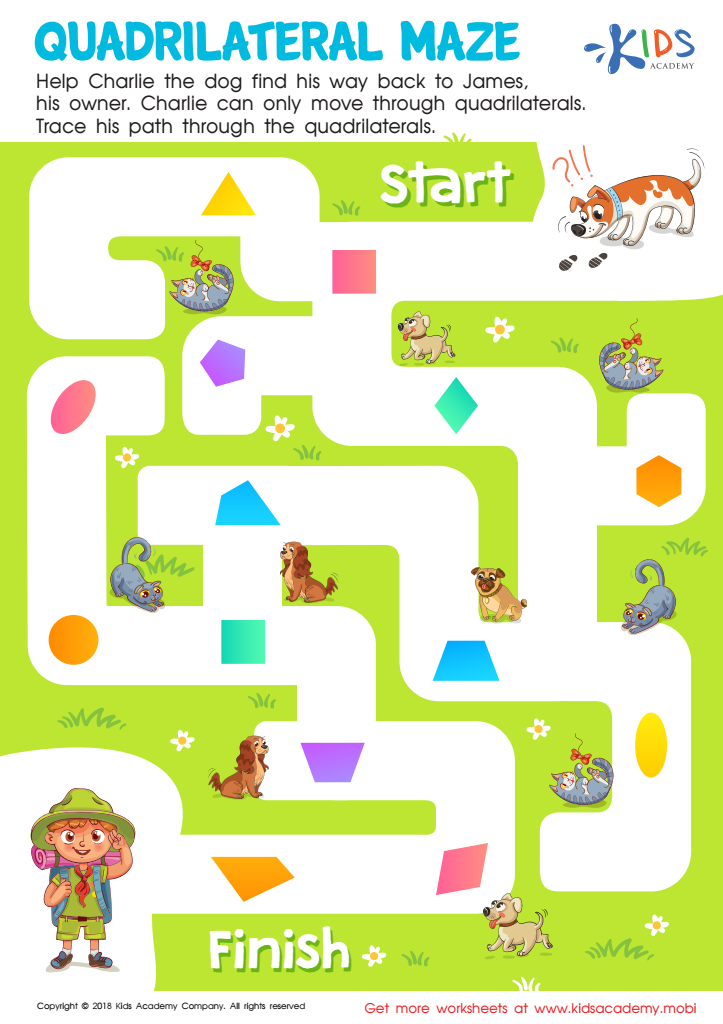
Quadrilateral Maze Worksheet
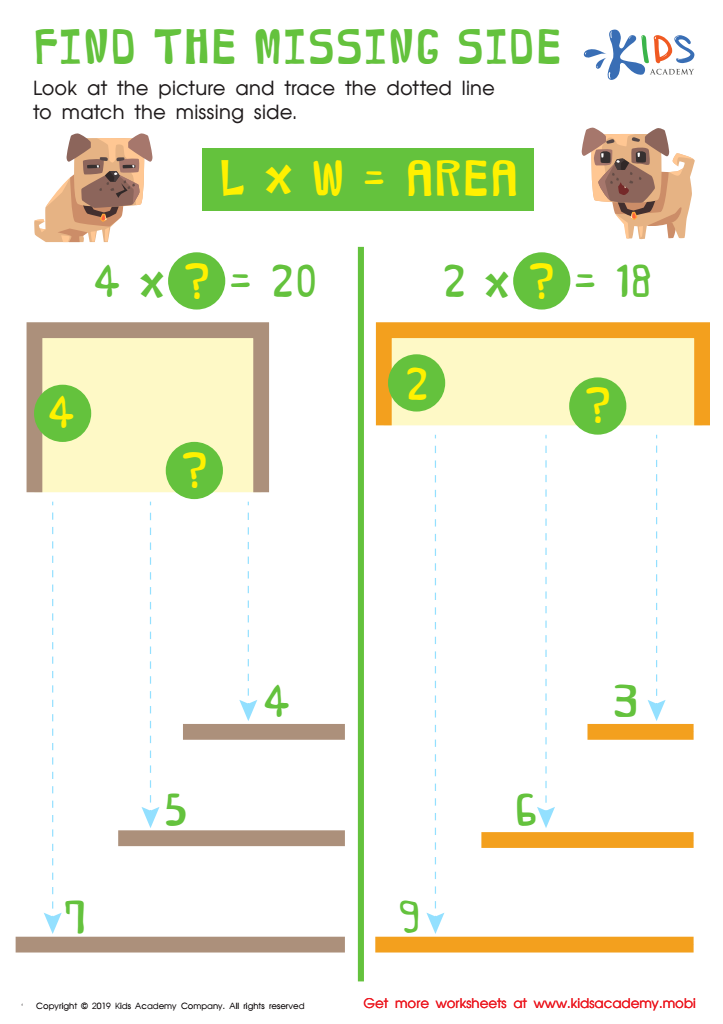
Find the Missing Side Worksheet
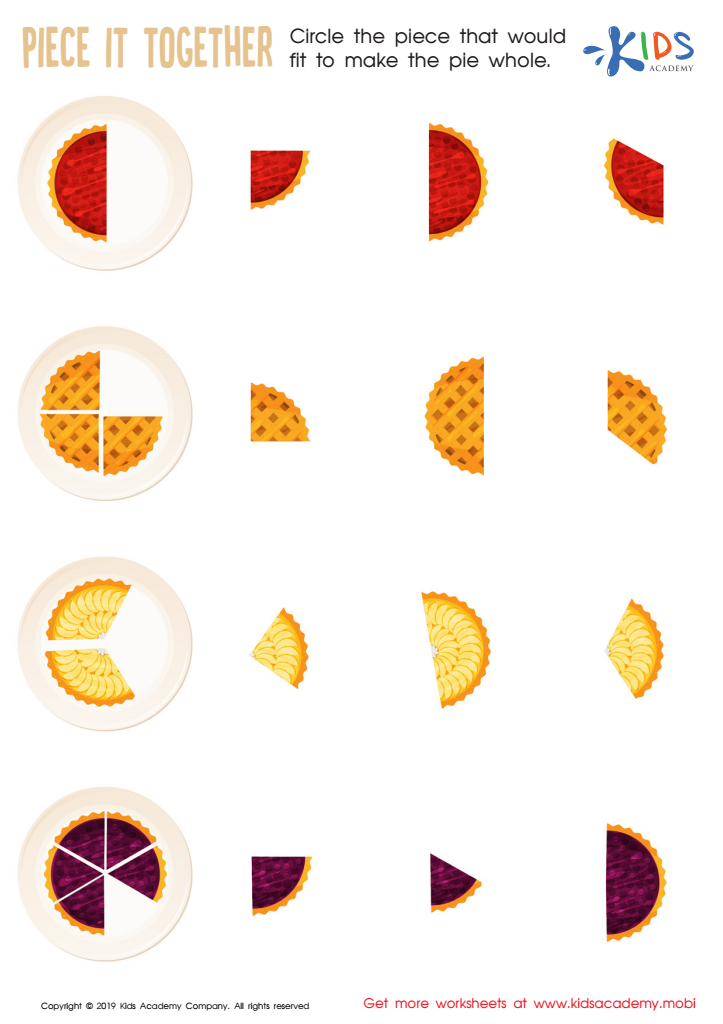
Piece it together Worksheet








Problem-solving skills in geometry are crucial for 8-year-olds as they lay the groundwork for critical thinking and analytical reasoning. At this age, children are like sponges, rapidly absorbing information and developing cognitive abilities. Introducing them to geometry through problem-solving activities enhances their spatial awareness, helping them visualize and manipulate shapes. This skill is not only fundamental for mathematics but is also applicable in everyday life, such as understanding architectural designs or even packing for a trip.
Parents and teachers should recognize that problem-solving in geometry encourages perseverance and resilience. Children learn that mistakes are a natural part of learning, fostering a growth mindset. As they tackle geometric challenges, they develop confidence in their ability to think creatively and approach complex problems strategically.
Moreover, strengthening problem-solving skills cultivates their ability to collaborate and communicate with peers. These interpersonal skills are essential for teamwork in both academic settings and future careers. By prioritizing easy geometry problem-solving, parents and teachers can nurture a love for math and build a solid foundation for the more complex concepts that will come in later years. Therefore, investing in these skills at this crucial age is an investment in children's overall academic and personal growth.








