Basic Addition Easy Math Worksheets for 8-Year-Olds
6 filtered results
-
From - To
Welcome to our "Basic Addition Easy Math Worksheets" page, designed specifically for 8-year-olds! Here, you'll discover engaging and colorful worksheets that help young learners grasp foundational addition concepts. Our worksheets offer a variety of exercises that focus on simple addition problems, helping children boost their math skills and confidence. They are perfect for home practice, classroom use, or supplementary learning. Each worksheet is thoughtfully crafted to be interactive and fun, ensuring that kids remain engaged while mastering basic addition. Download and print our worksheets today to make learning addition an enjoyable experience for your child!
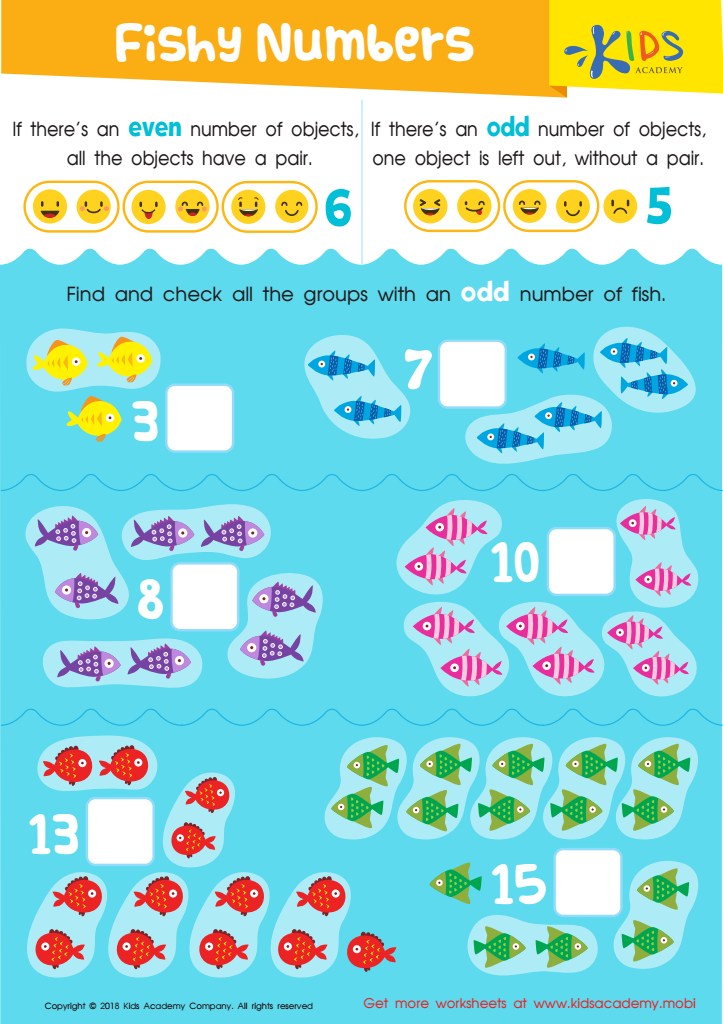
Fishy Numbers Worksheet
 Assign to My Students
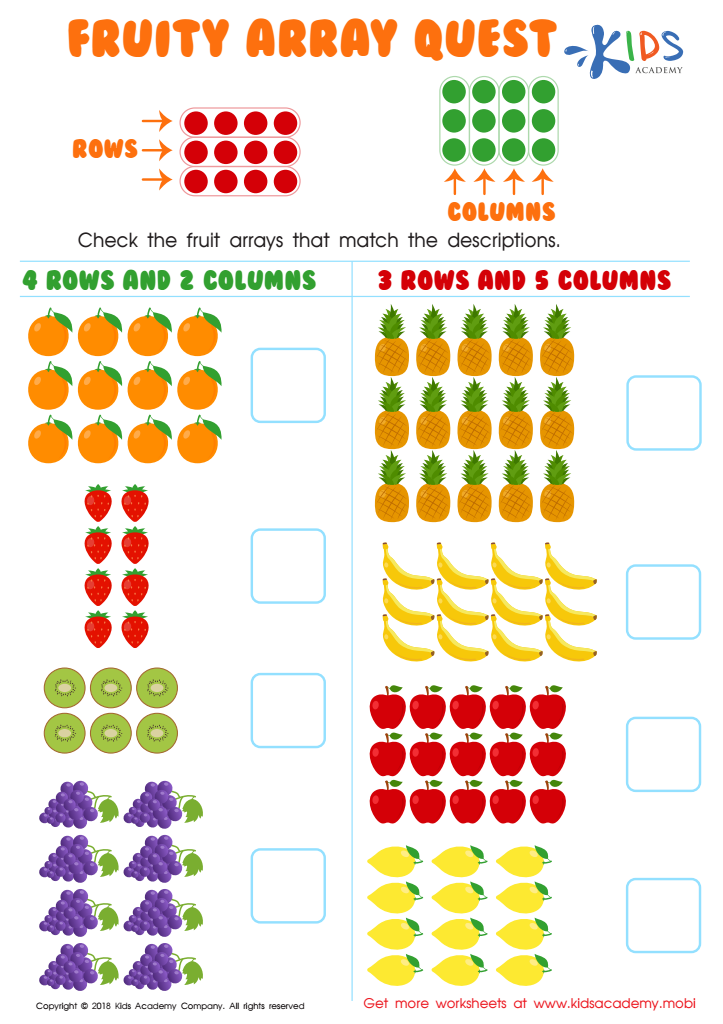
Fruity Array Quest Worksheet
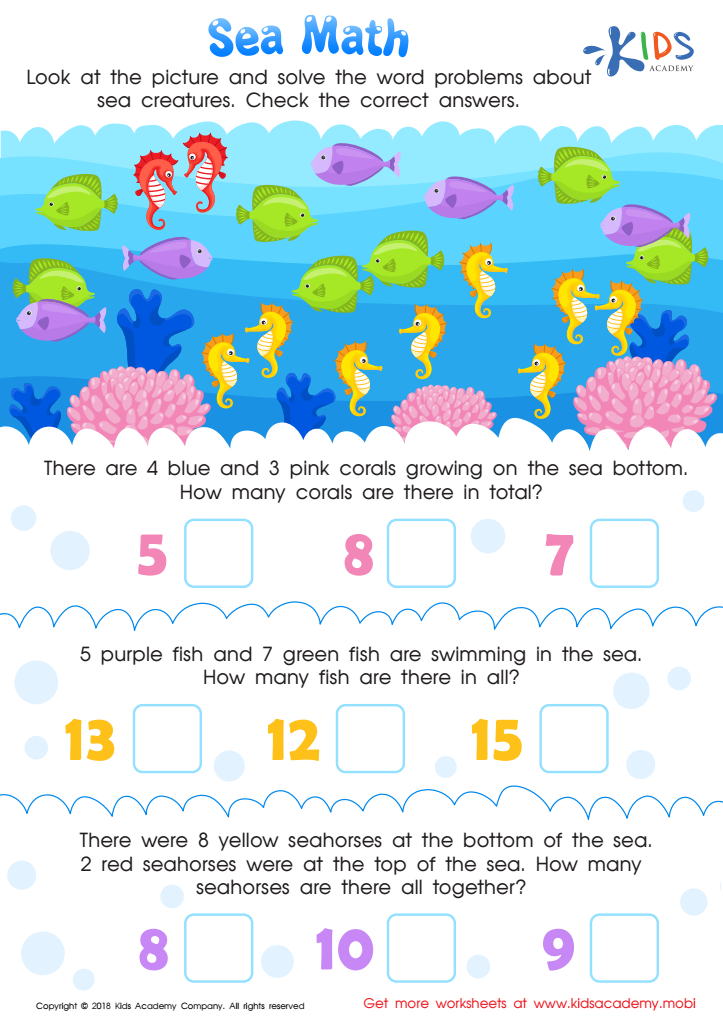
Sea Math Worksheet
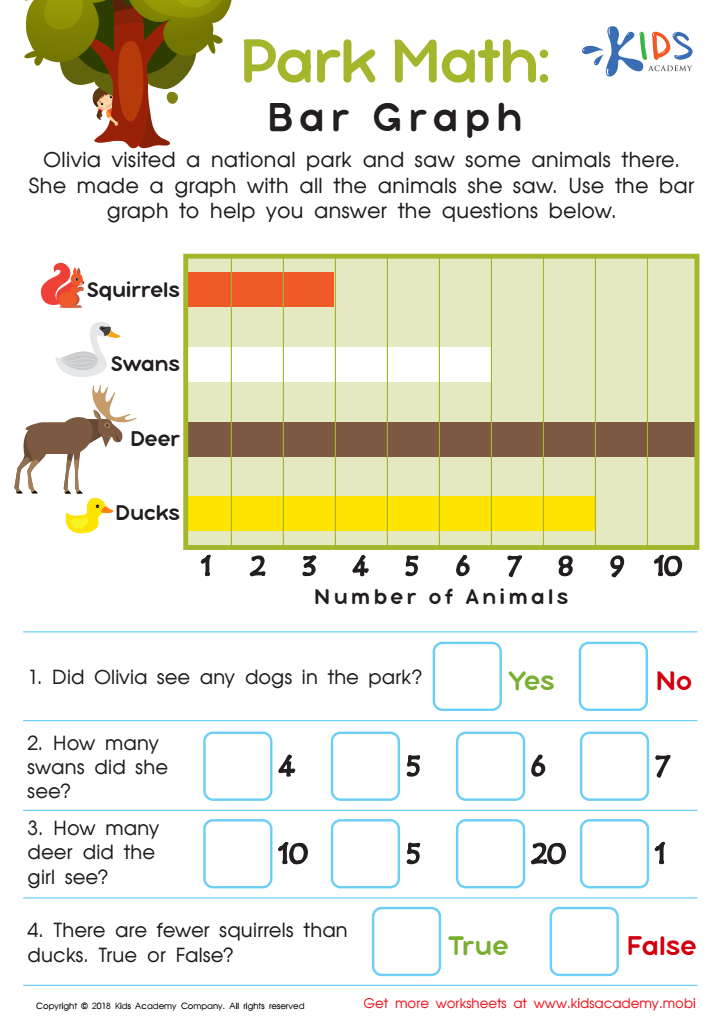
Park Math: Bar Graph Worksheet
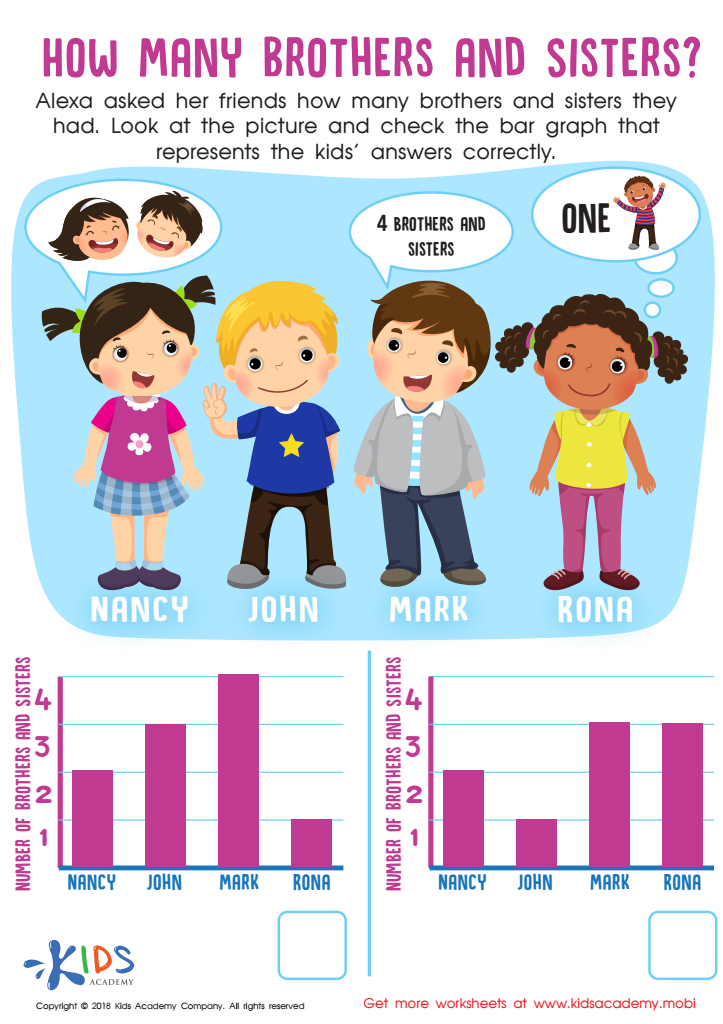
How Many Brothers and Sisters? Worksheet
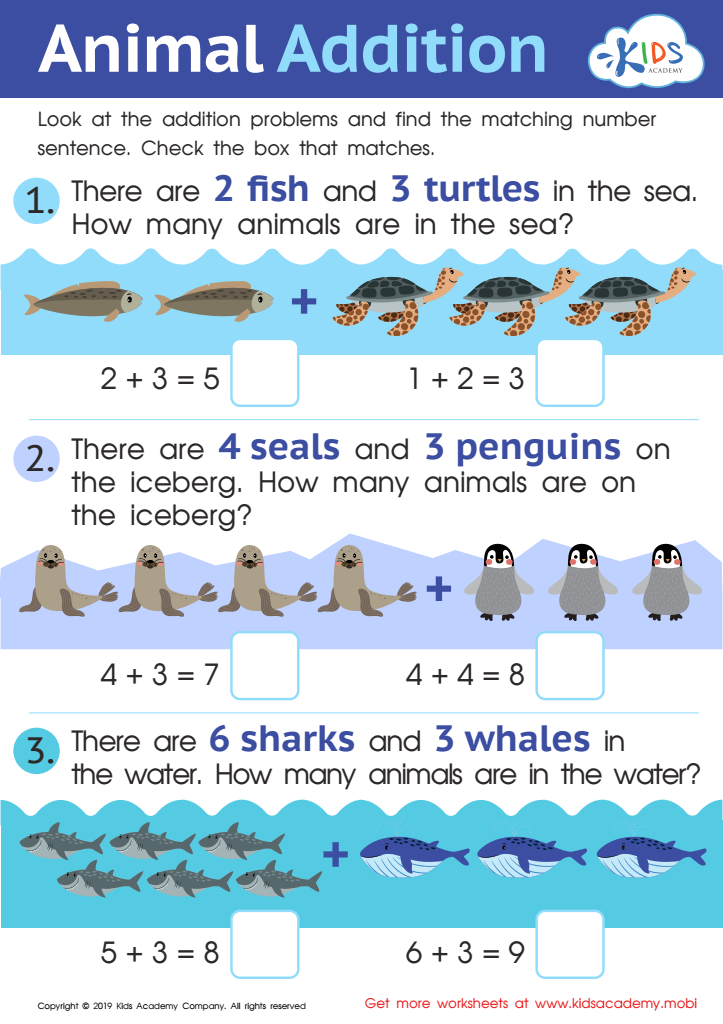
Animal Addition Worksheet







Basic addition is a fundamental skill that serves as the building block for all future mathematical learning. For 8-year-olds, mastering addition is crucial as they begin to encounter more complex concepts, such as subtraction, multiplication, and division. When parents or teachers prioritize easy math for this age group, they help to establish a strong numerical foundation that enhances problem-solving capabilities and logical thinking.
By engaging with basic addition, children also develop their confidence in tackling math-related tasks. This positive reinforcement encourages a love for learning, making them more willing to explore advanced mathematical concepts in the future. Furthermore, mastering basic addition fosters critical thinking skills applicable beyond math, helping children make sense of everyday situations, such as managing money or understanding time.
Additionally, homework and tests often build upon these basic skills, so early mastery can significantly impact a child's academic performance. When parents and teachers ensure that children have a firm grasp of addition, they are not just teaching math; they are fostering critical life skills, enhancing cognitive development, and potentially shaping a child's future educational trajectory. Investing time in basic addition promotes not only academic success but also lifelong critical thinking and problem-solving abilities.








