Letter recognition Easy ABC Letters Worksheets
5 filtered results
-
From - To
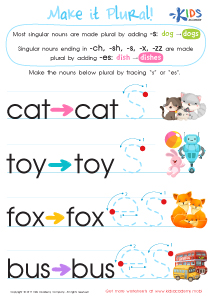
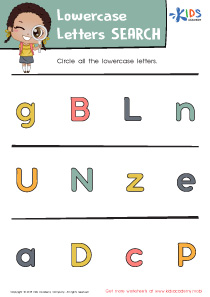
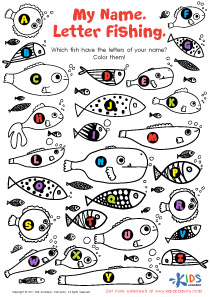
Discover the "Letter recognition Easy ABC Letters Worksheets" from Kids Academy, specially designed to make early literacy fun and engaging for young learners. These printable worksheets help children master the alphabet through exciting activities and visuals. Perfect for toddlers and preschoolers, our Easy ABC worksheets foster essential letter recognition skills. Each worksheet focuses on identifying, tracing, and writing individual letters while developing fine motor skills and hand-eye coordination. It’s an enjoyable path to alphabet mastery, setting a strong foundation for future reading success. Encourage your child’s journey in learning the ABCs with Kids Academy today!
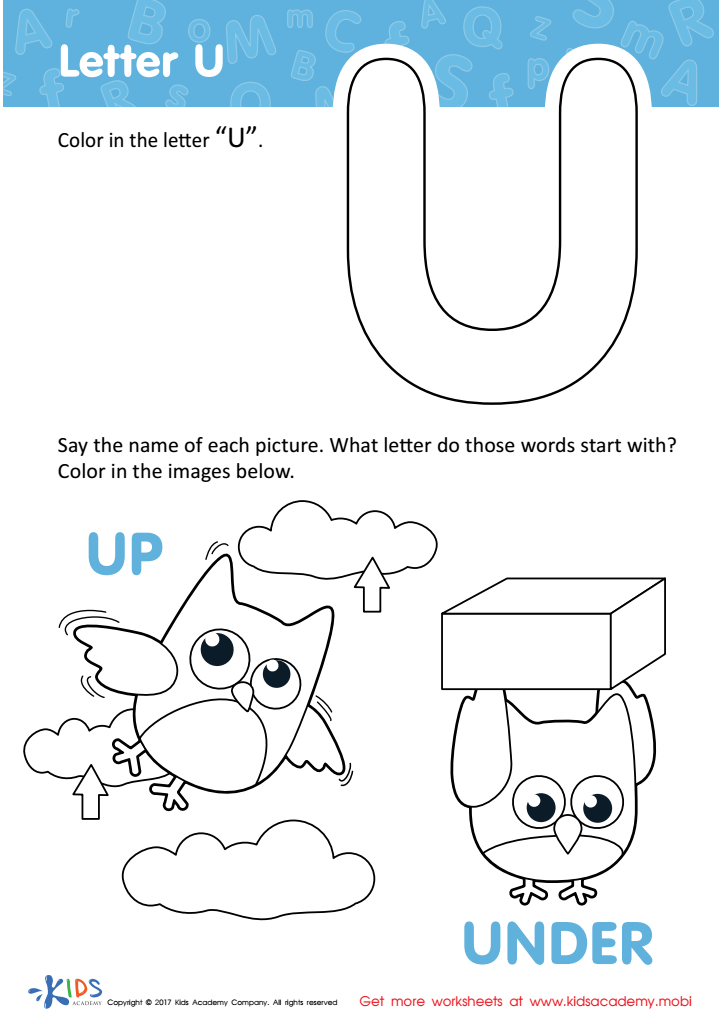
Letter U Coloring Sheet
 Assign to My Students






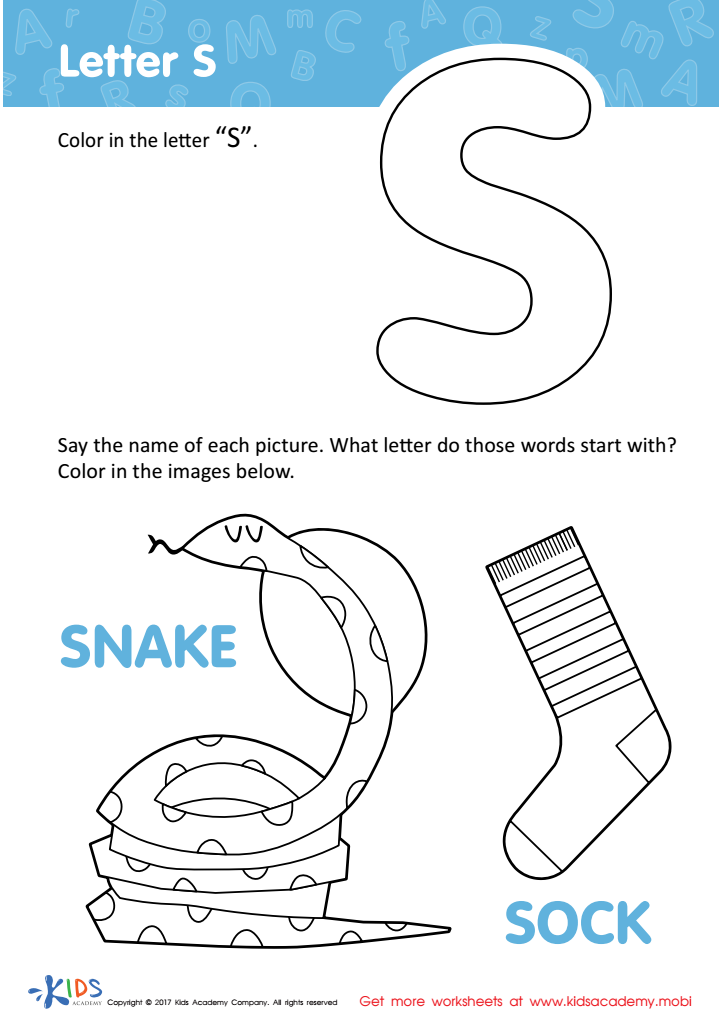
Letter S Coloring Sheet
Assign to My Students
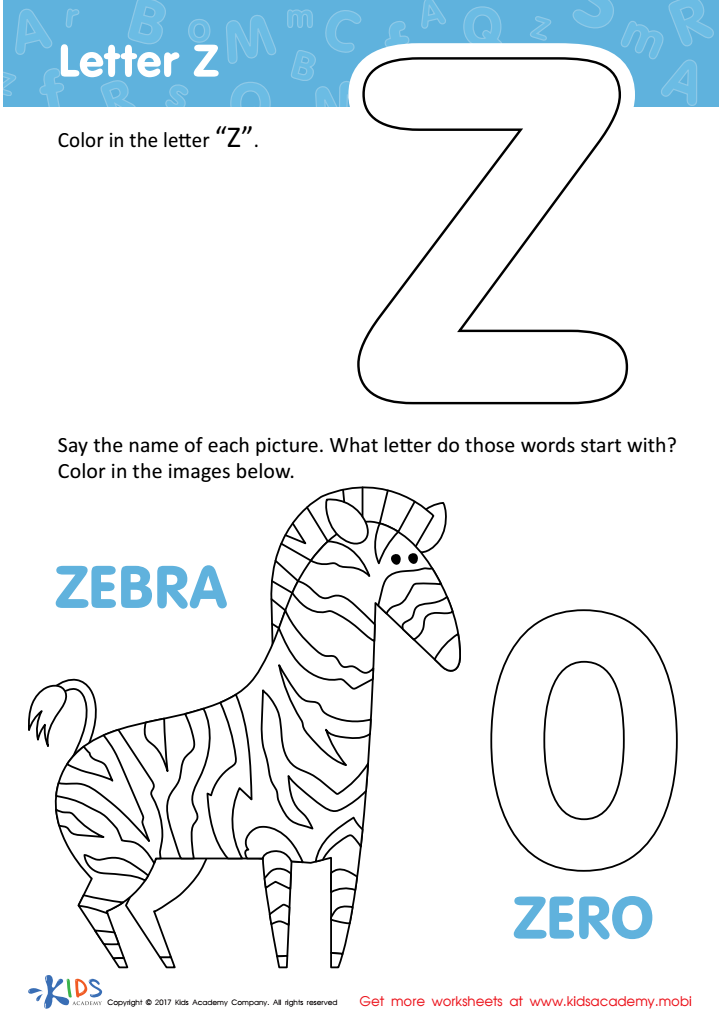
Letter Z Coloring Sheet
Assign to My Students
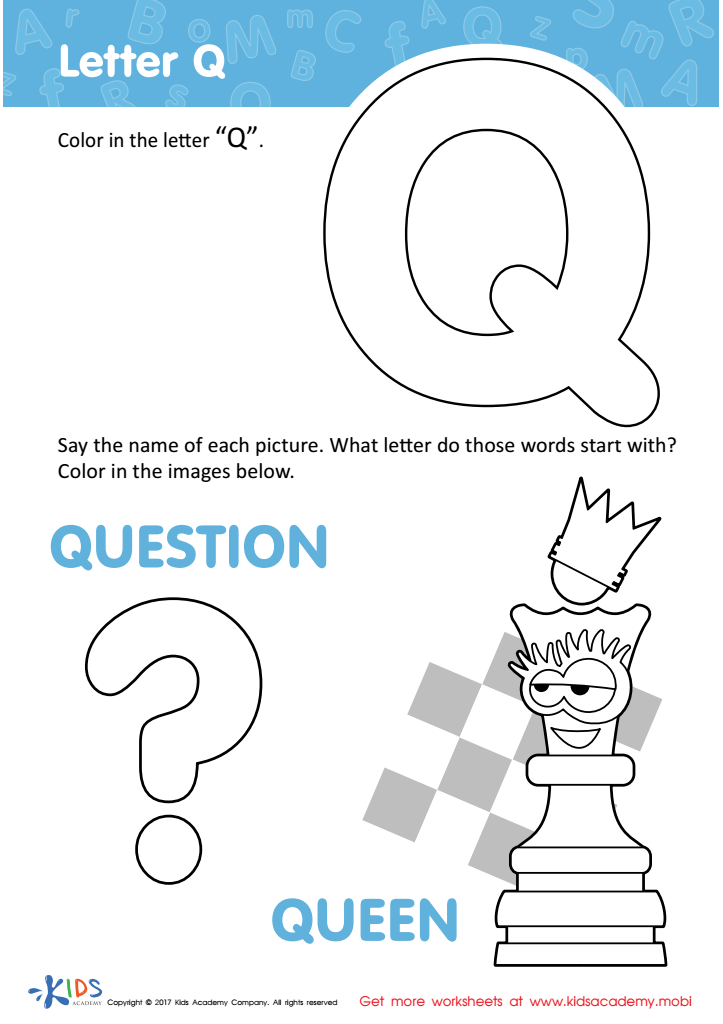
Letter Q Coloring Sheet
Assign to My Students
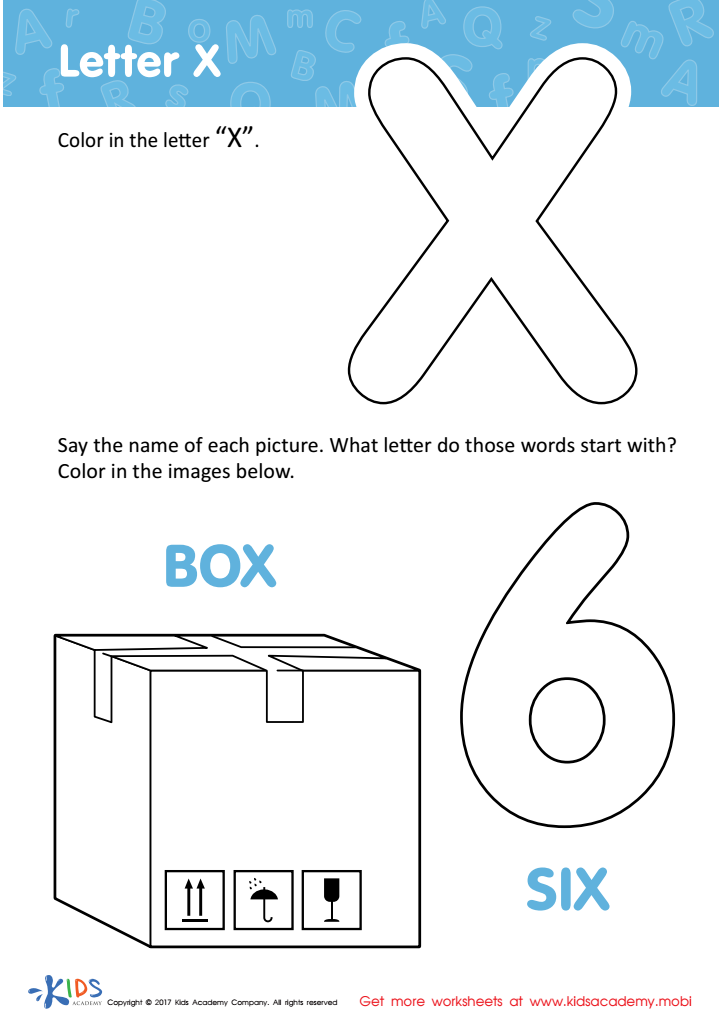
Letter X Coloring Sheet
Assign to My Students








Letter recognition is foundational for early literacy and plays a critical role in a child’s lifelong reading and writing abilities. Parents and teachers should deeply care about letter recognition, as it is one of the first steps in learning to read and write.
When children can recognize letters easily, they build confidence in their educational abilities early on. This recognition lays the groundwork for phonemic awareness, enabling children to associate specific sounds with corresponding letters. As a result, children can start to decode words—a skill necessary for reading fluency and comprehension.
Furthermore, letter recognition also supports children’s ability to write. When children can identify and name letters, they can begin to reproduce them on paper, enhancing their fine motor skills and initiating the process of writing words and sentences.
Developing this skill in early childhood also stimulates cognitive development. Identifying letters involves visual discrimination, memory, and pattern recognition, all of which are essential cognitive skills.
Ultimately, supporting letter recognition helps to foster a love for reading and writing. Early success in literacy can lead to a positive attitude toward education, setting the stage for academic achievement and a lifelong love of learning. Introducing playful, engaging, and consistent activities can make the learning process enjoyable and effective, ensuring that children build these critical early skills.