Color recognition Easy Kindergarten Worksheets - Page 2
29 filtered results
-
From - To

Globe Coloring Page Worksheet
 Assign to My Students
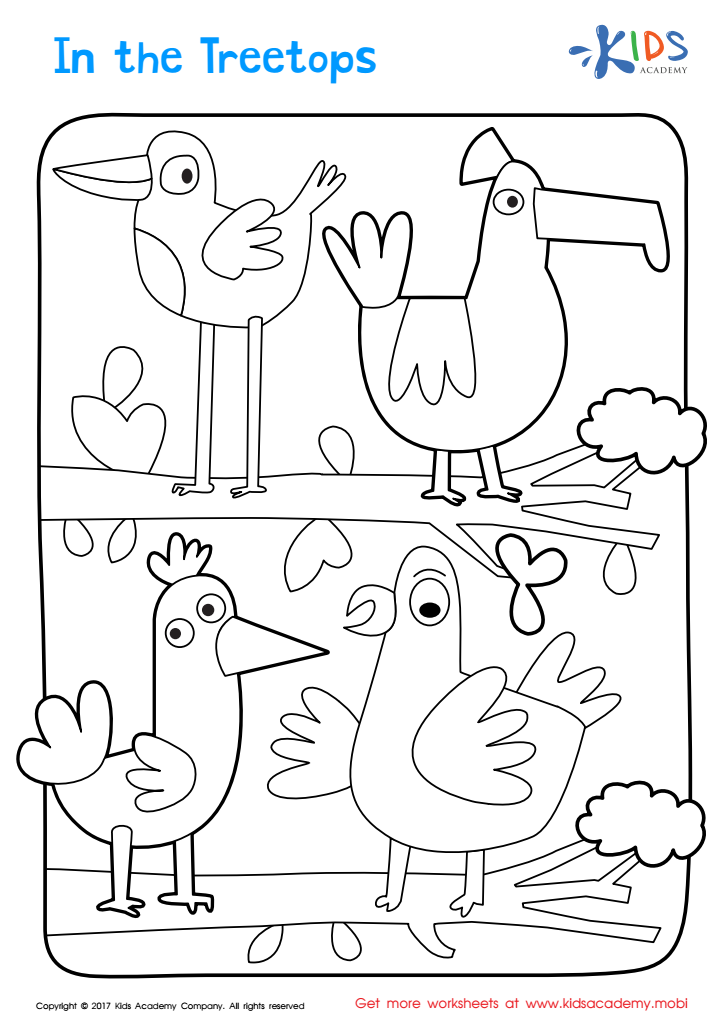
In the Treetops Coloring Page
Assign to My Students
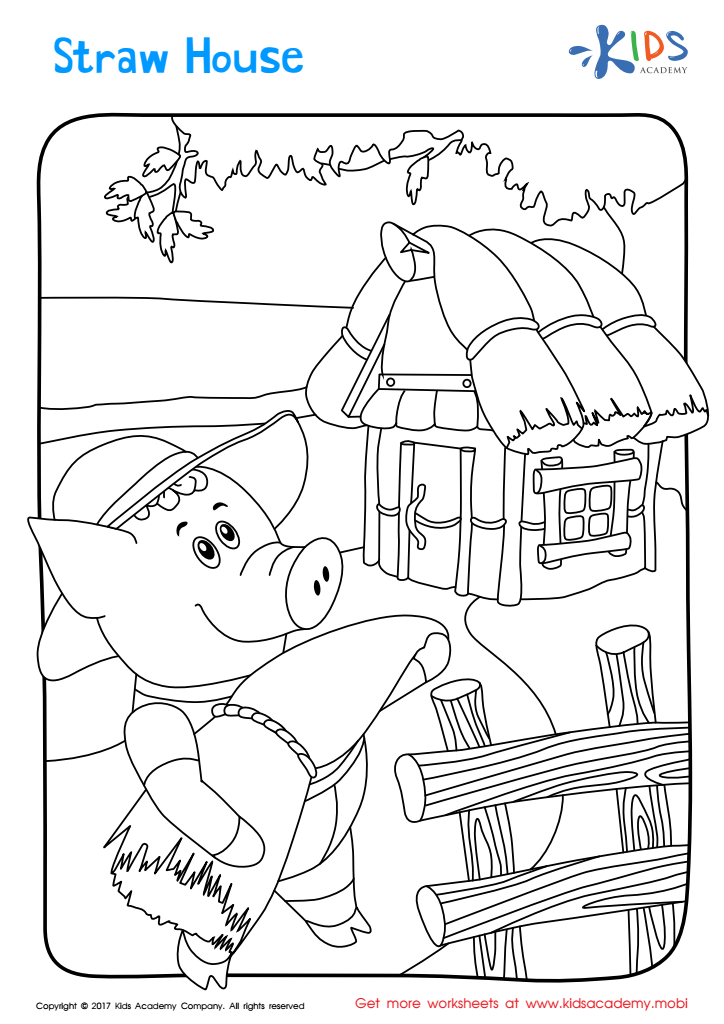
Straw House Printable Coloring Page
Assign to My Students
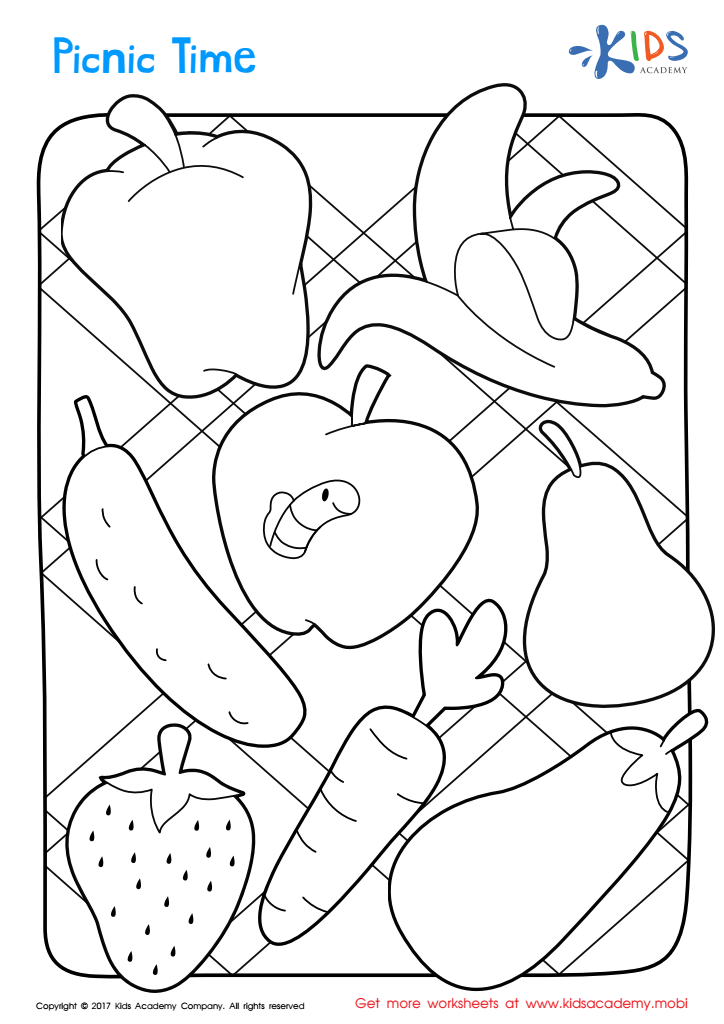
Picnic Time Coloring Page
Assign to My Students




.jpg)



Color recognition in early childhood is essential for multiple reasons and significantly impacts a child's development. For one, it lays the foundation for cognitive skills such as classification, differentiation, and logical sequencing. When children learn to identify and name colors, they engage in critical thinking as they differentiate one object from another based on color attributes. This becomes particularly important in early math skills and pattern recognition where identifying and grouping objects by color will be fundamental.
Moreover, color recognition aids in language development. As children learn to name colors, they expand their vocabulary and improve verbal communication, which enhances their ability to express thoughts and describe the world around them. This linguistic growth supports overall academic achievement as children are better able to participate in classroom discussions and instructions, and it helps them follow rules or steps that utilize color-coded pointers.
Color learning is also closely tied to visual perceptual skills. Recognizing different colors helps in the early stages of reading, writing, and distinguishing shapes and letters. Furthermore, it enables practical life skills, like deciding whether a fruit is ripe or interpreting traffic lights.
In essence, engaging children in color recognition activities is not just about learning colors—it stimulates comprehensive developmental growth, preparing kids for future academic success and everyday problem-solving.