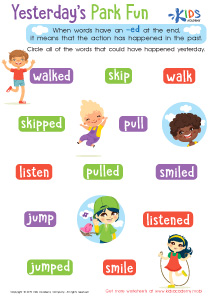
Handwriting practice Easy Kindergarten Worksheets
9 filtered results
-
From - To
Discover our "Handwriting Practice Easy Kindergarten Worksheets," designed to help young learners master the art of writing. Perfect for little beginners, these worksheets offer fun and engaging activities that develop fine motor skills and letter formation. Children will practice tracing letters, improving their handwriting fluency and confidence along the way. Our worksheets cover both uppercase and lowercase letters, ensuring comprehensive learning. Crafted by educational experts, these printable resources are ideal for both classroom use and home practice. Transform handwriting practice into an enjoyable experience and watch your child's skills flourish with Kids Academy!
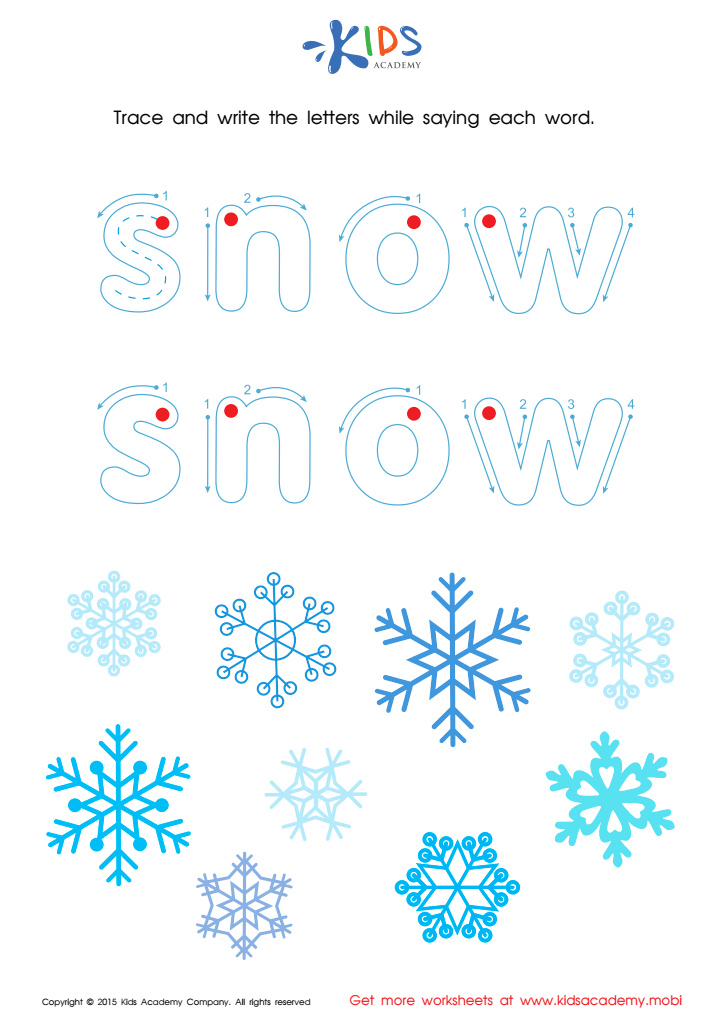
Snowflake Tracing Winter Words Worksheet
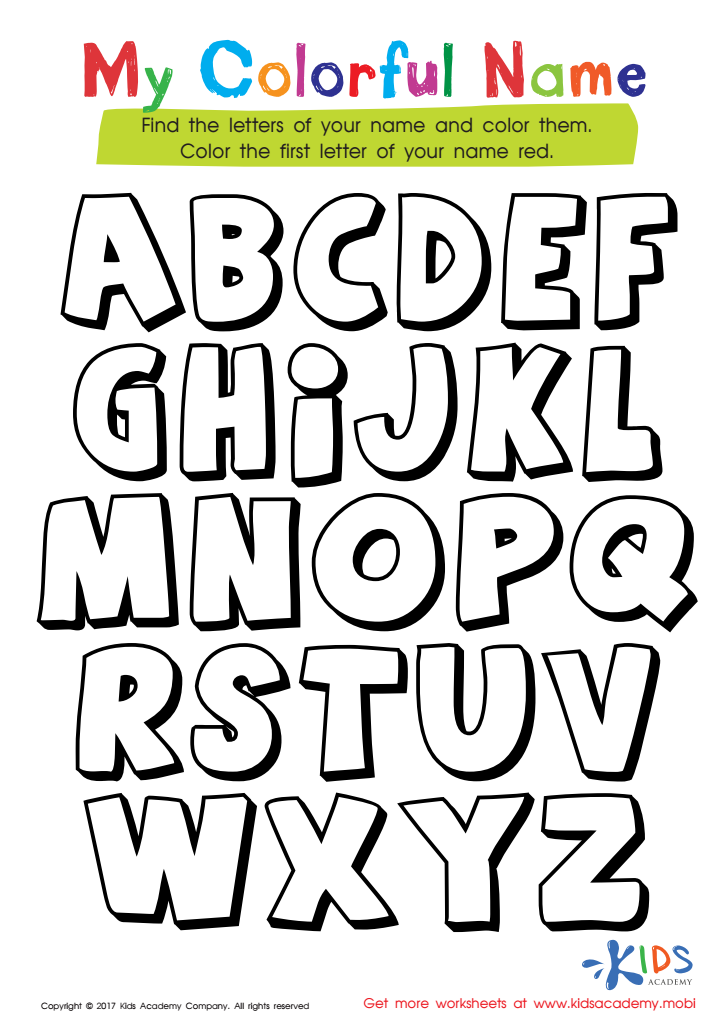
My Colorful Name Worksheet
 Assign to My Students
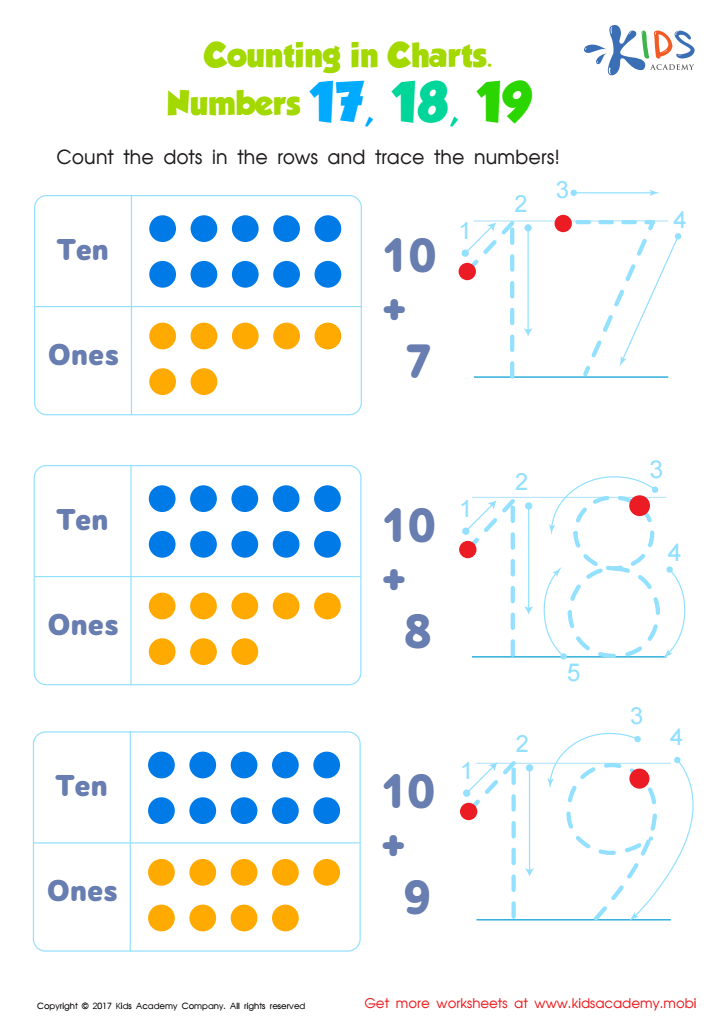
Kindergarten Number Tracing: Counting in Charts Worksheet
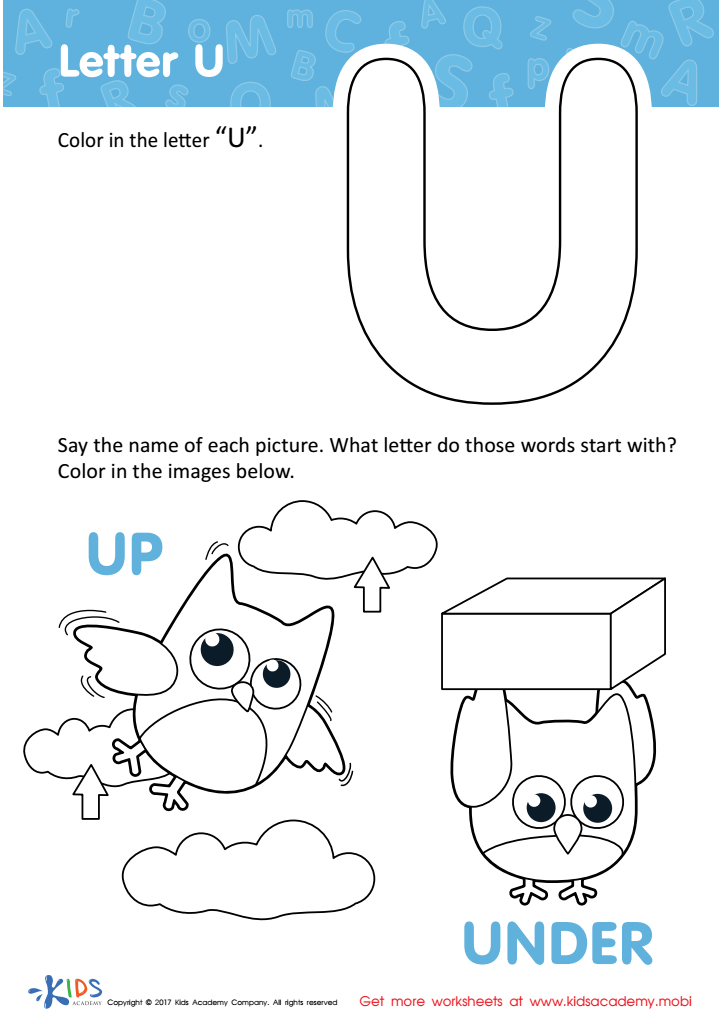
Letter U Coloring Sheet
Assign to My Students
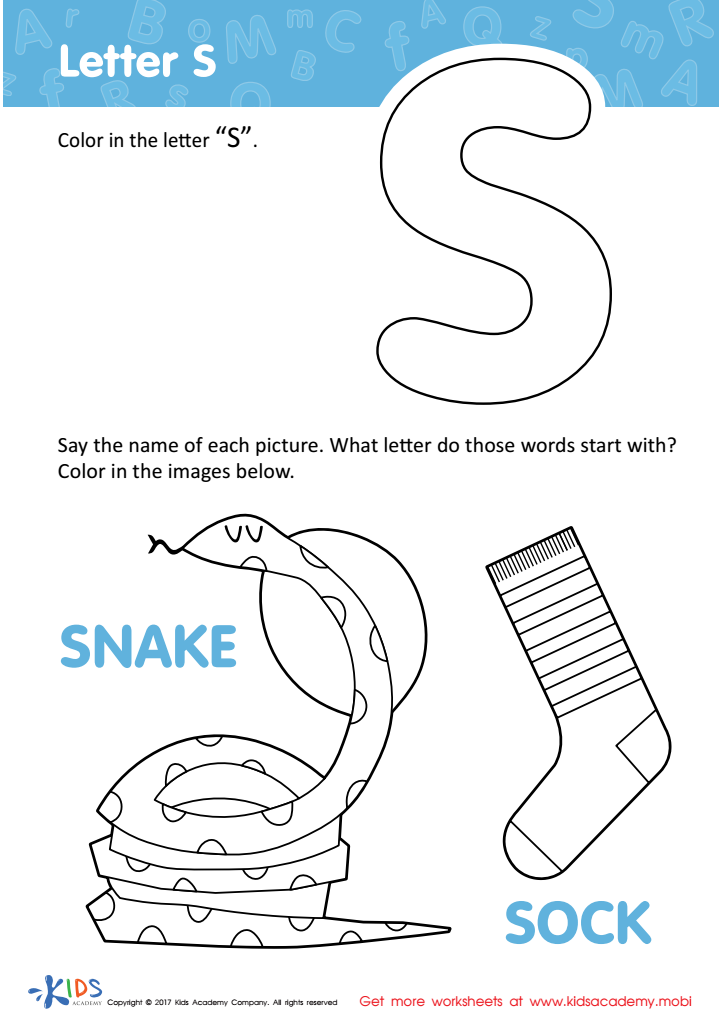
Letter S Coloring Sheet
Assign to My Students
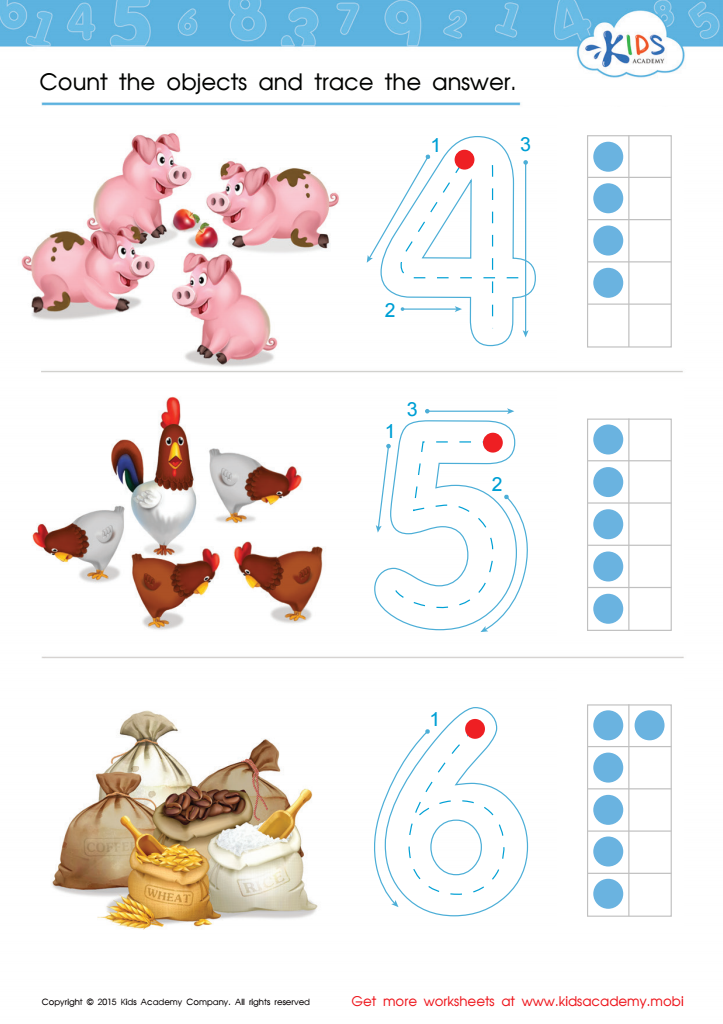
Count and Trace 4 – 6 Worksheet
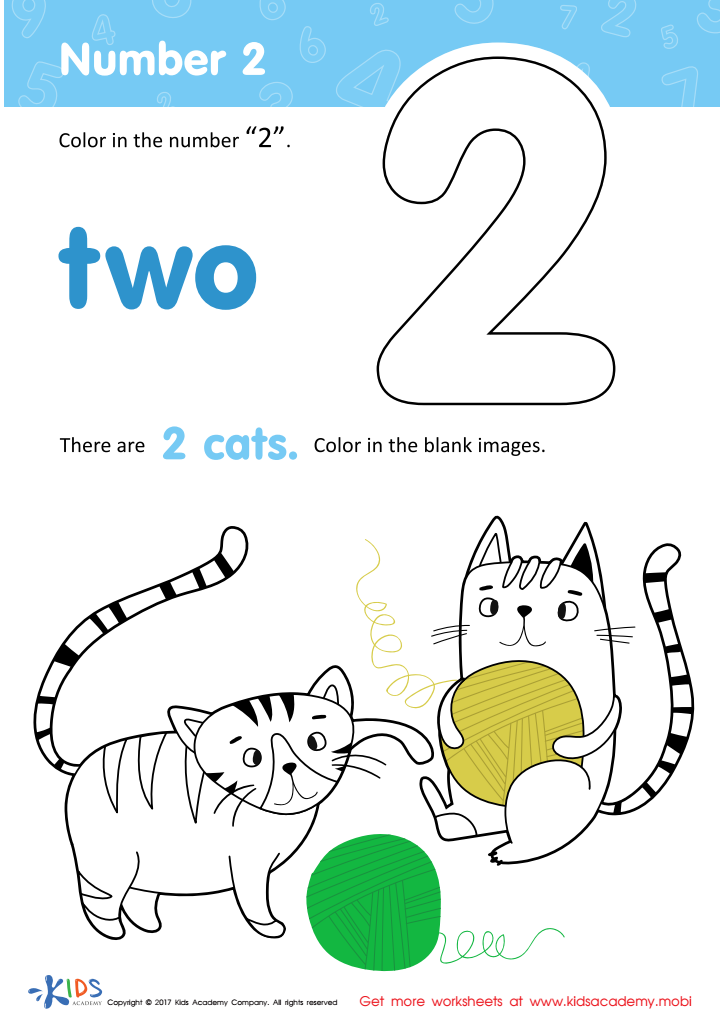
Number 2 Printable
Assign to My Students
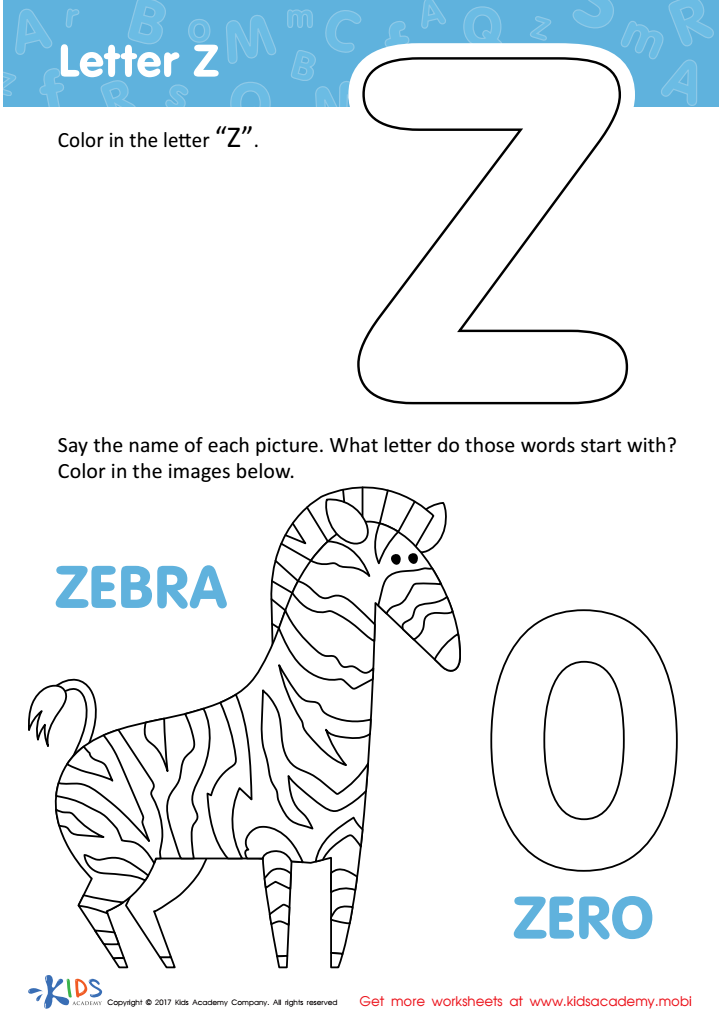
Letter Z Coloring Sheet
Assign to My Students
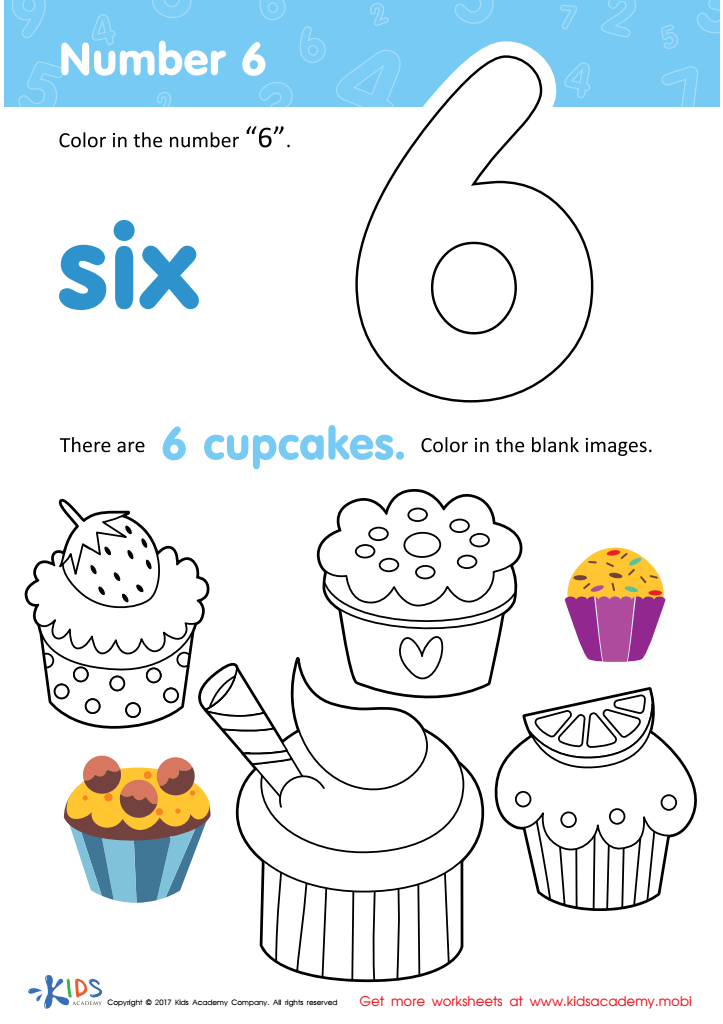
Number 6 Worksheet
Assign to My Students








Handwriting practice is crucial in early childhood education, particularly for kindergarteners, as it lays the foundational skills necessary for academic success and personal development. Parents and teachers should prioritize it because it plays a key role in fine motor skill development. These skills are important for everyday tasks such as buttoning a shirt or tying shoelaces. By practicing handwriting, children enhance their hand-eye coordination, muscle control, and overall dexterity.
Moreover, handwriting practice aids cognitive development. Forming letters and words requires children to integrate visual, motor, and cognitive processes, boosting brain activity. This multifaceted learning process helps with letter recognition and phonemic awareness, which are vital for reading and language acquisition. Good handwriting is linked to better spelling and overall legibility in writing tasks, promoting clearer communication of ideas.
Handwriting practice also encourages patience, focus, and discipline. As children work to improve their skills, they learn the value of practice and persistence. This patience and attention to detail often transfer to other subjects and areas of life.
Overall, implementing easy handwriting practice in kindergarten creates a strong educational foundation, fostering essential motor and cognitive skills while instilling positive behavioral traits that children will use throughout their academic journeys and beyond.