Shape identification Easy Kindergarten Worksheets
3 filtered results
-
From - To
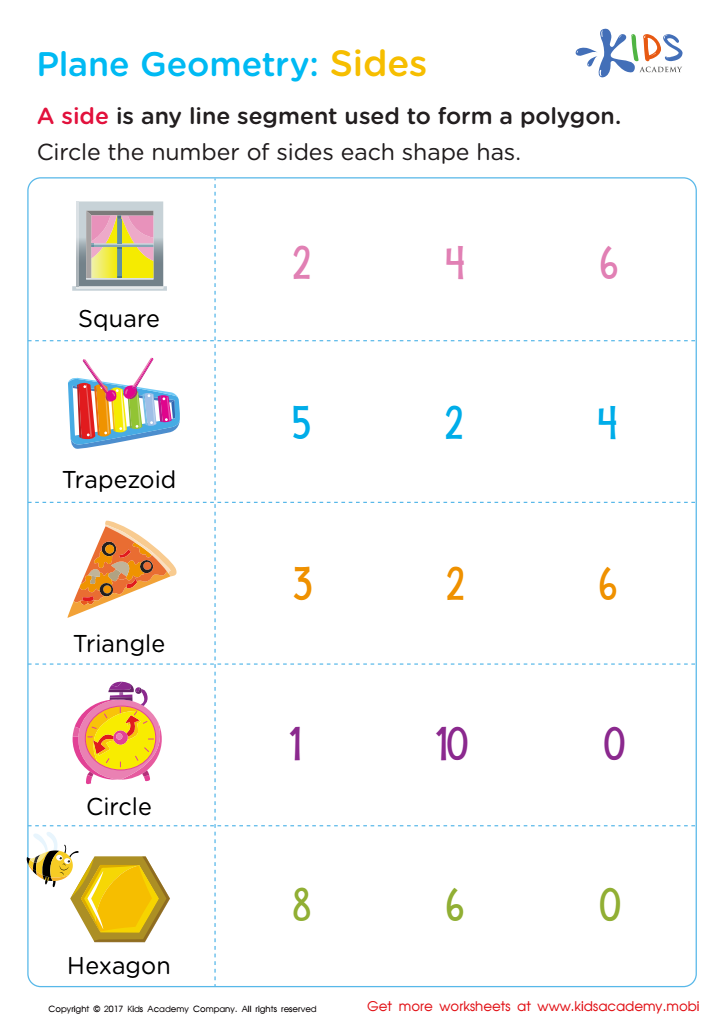
Welcome to our "Shape Identification Easy Kindergarten Worksheets" section! These engaging, printable worksheets are designed to help young learners explore and identify basic shapes in a fun and interactive way. Each worksheet encourages creativity and critical thinking through vibrant illustrations and enjoyable activities. Perfect for preschoolers and kindergartners, our resources support early math skills development while making learning enjoyable. From circles and squares to triangles and rectangles, your child will gain confidence in shape recognition. Download our free worksheets today and watch your little one thrive as they embark on their exciting shape adventure! Let's make learning shapes a delightful experience!
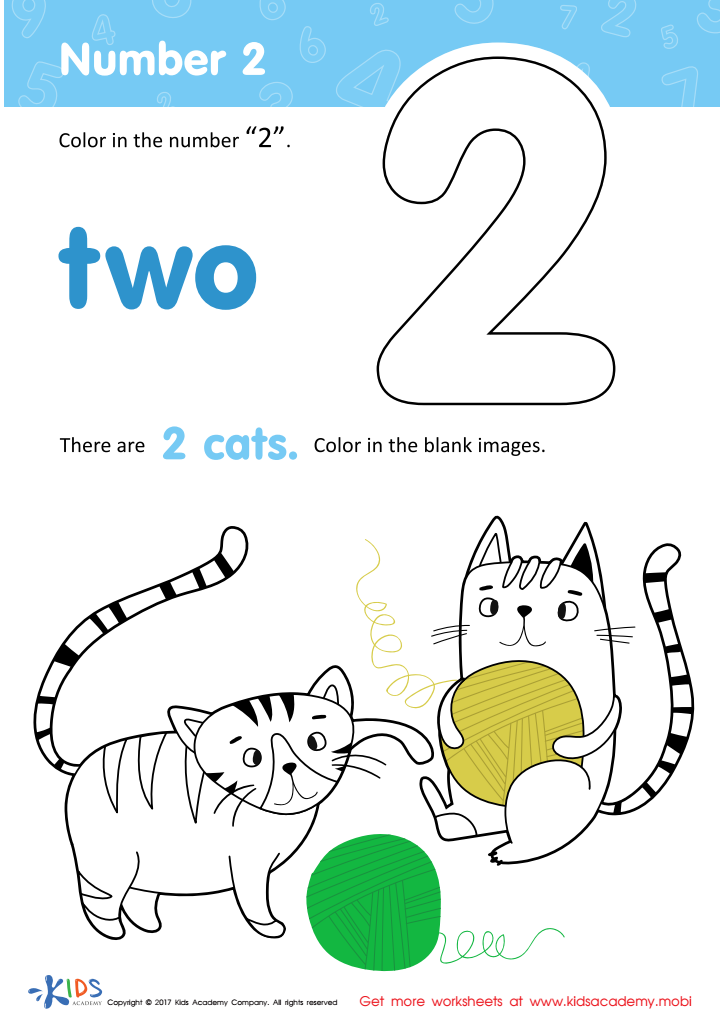
Number 2 Printable
 Assign to My Students
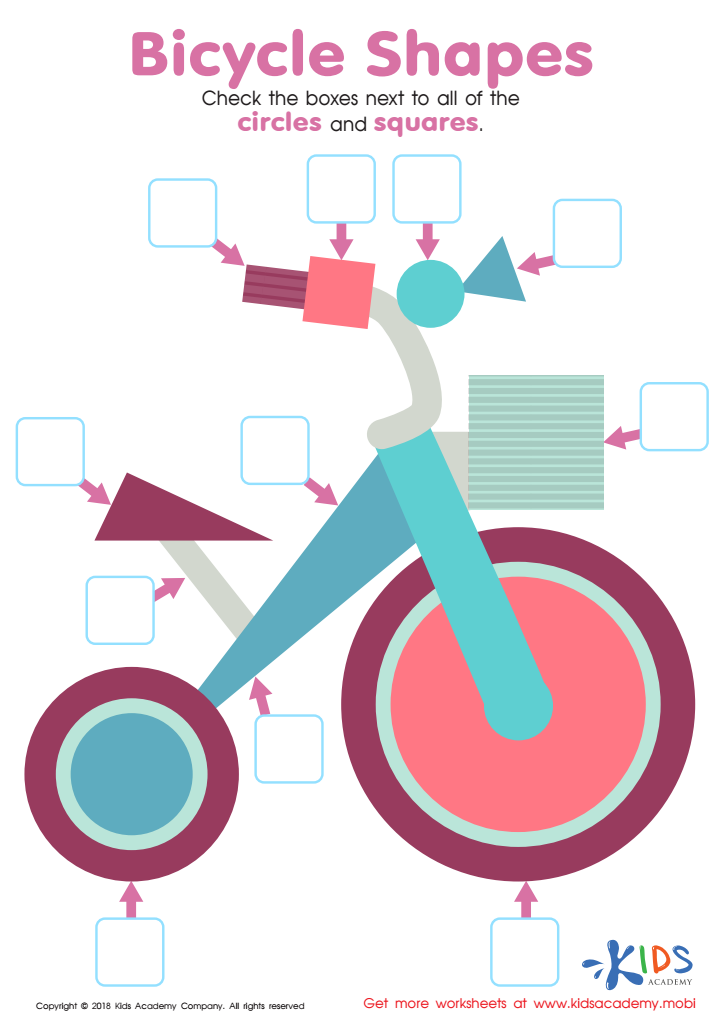
Bicycle Shapes Worksheet







Shape identification at the kindergarten level is crucial for several reasons, making it an area that parents and teachers should prioritize. First, learning shapes lays the foundation for essential math skills. Recognizing and naming shapes helps children develop spatial awareness and understanding of geometry, critical components in math education.
Moreover, shape identification enhances cognitive development. It encourages observational skills, critical thinking, and pattern recognition. As children differentiate between geometric forms, they strengthen their ability to categorize and analyze, skills that are vital across various academic disciplines.
Additionally, shape identification supports language development. As children learn the names and characteristics of shapes, they expand their vocabulary and communication skills. This knowledge is often linked to early literacy, as children begin to understand symbols and signs.
In social settings, activities centered around shape identification can foster collaboration and teamwork. Children often engage in group activities, allowing them to learn from others and develop essential social skills.
Lastly, recognizing shapes in everyday life instills curiosity and connects classroom learning to the real world. By nurturing these foundational skills, parents and teachers set their children on a path to academic success and a deeper understanding of the environment around them.