Shape Recognition Easy Kindergarten Math Worksheets
6 filtered results
-
From - To
Discover our engaging Shape Recognition Easy Kindergarten Math Worksheets designed to make learning fun! Perfect for young learners, these worksheets help children identify, differentiate, and categorize various shapes through interactive activities. With vibrant images and clear instructions, kids will enjoy exploring circles, squares, triangles, and more. These hands-on worksheets support early math skills and enhance cognitive development while fostering creativity. Ideal for classroom use or at-home practice, our shape recognition worksheets are simple yet effective tools that encourage young minds to explore geometric concepts. Download today and embark on a colorful and educational journey into the world of shapes!
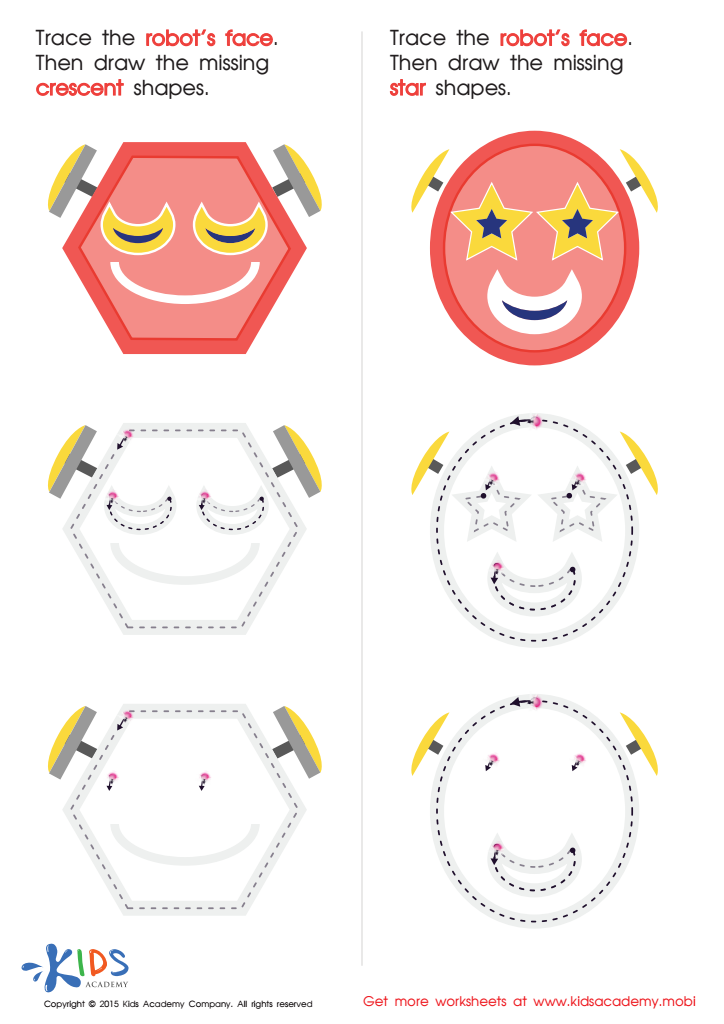
Composing a Robot's Face of Crescents And Stars Worksheet
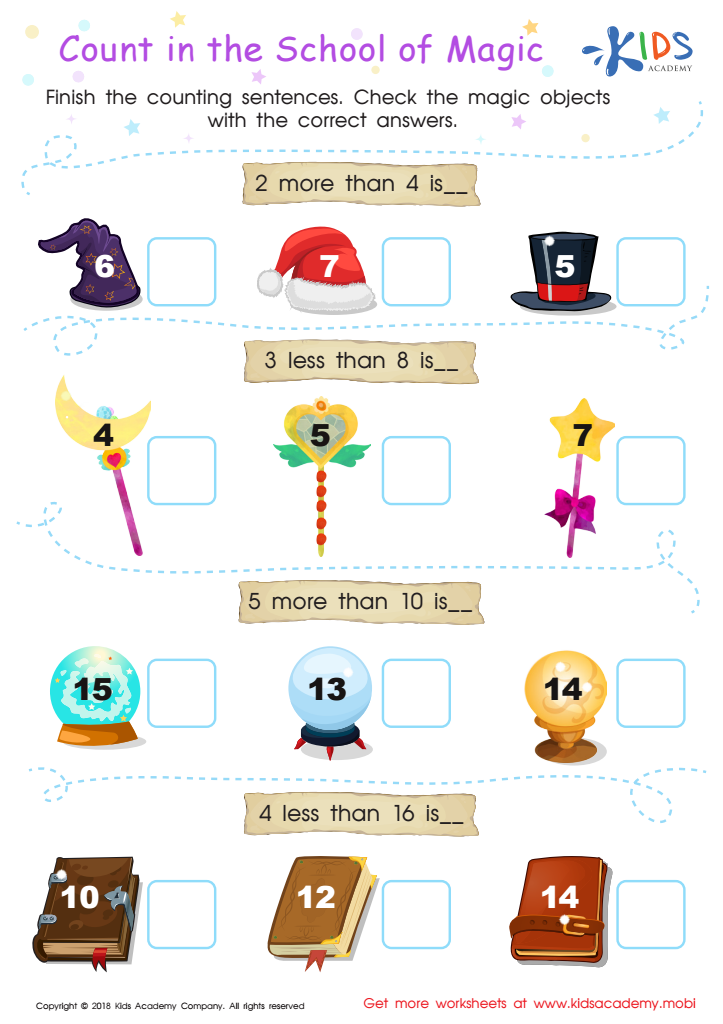
Count in the School of Magic Worksheet
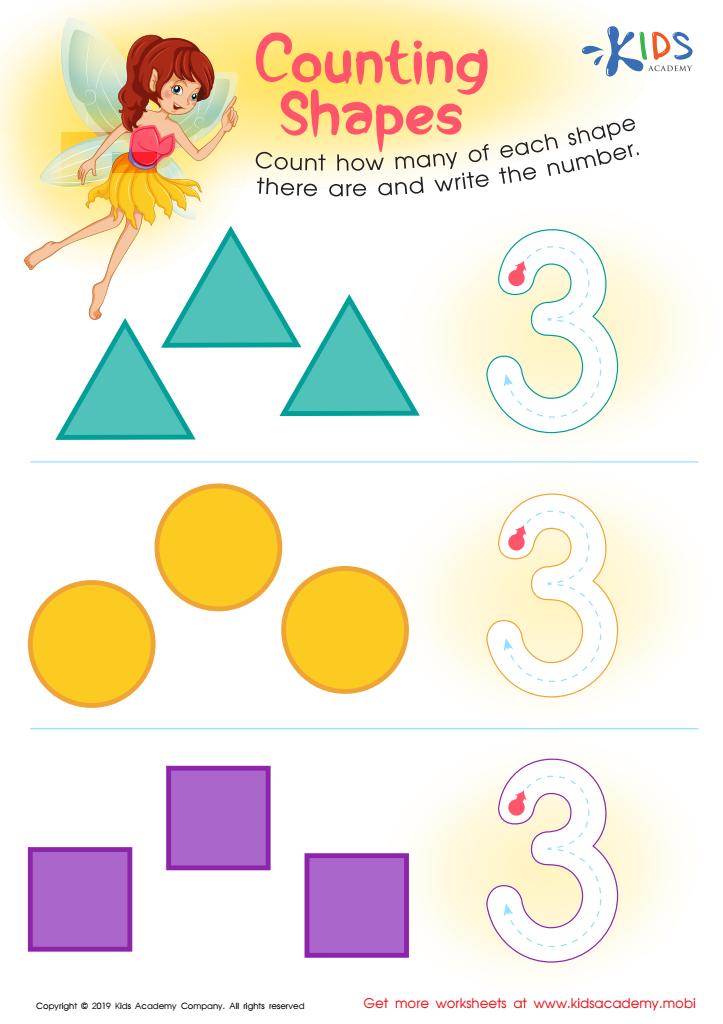
Counting Shapes Worksheet
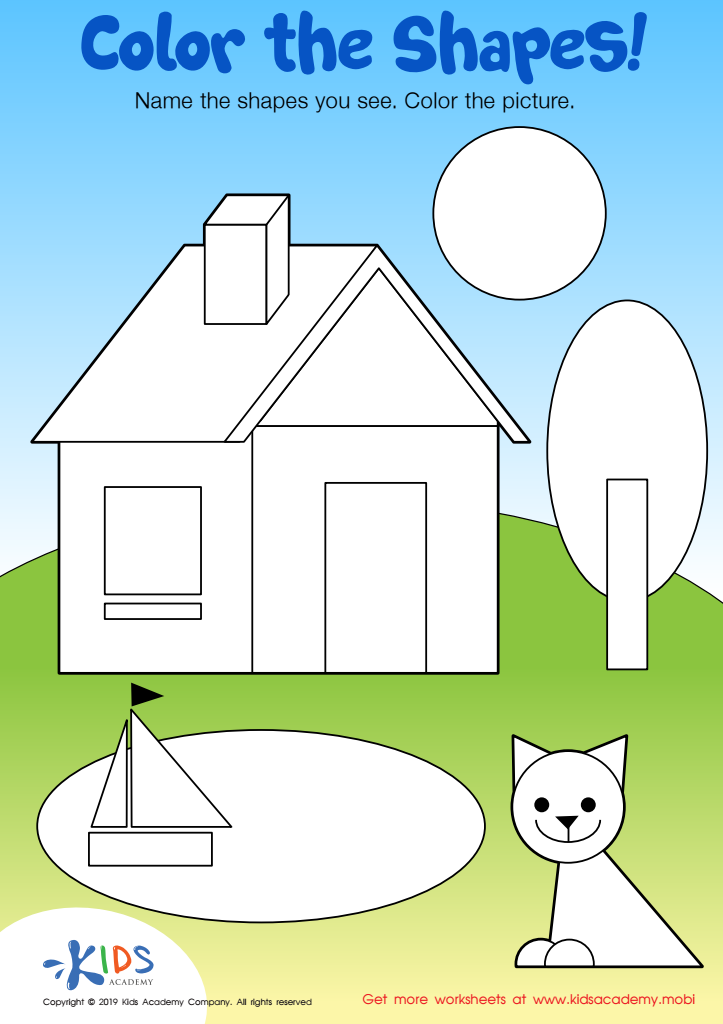
Color the Shapes Worksheet
 Assign to My Students
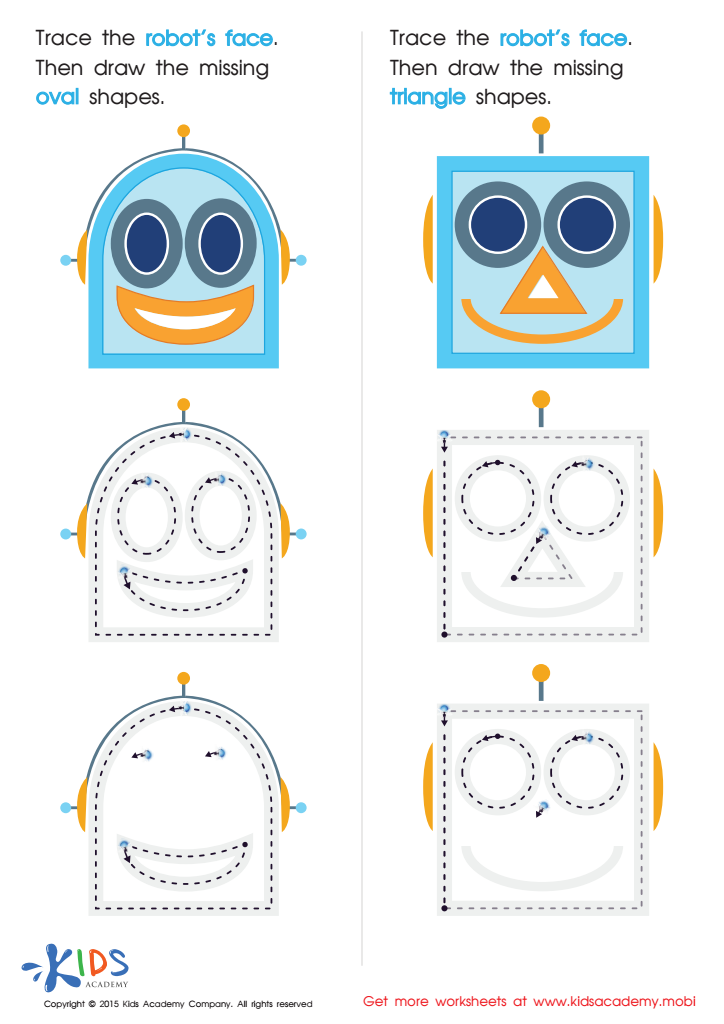
Drawing Ovals And Triangles with Fun Printable
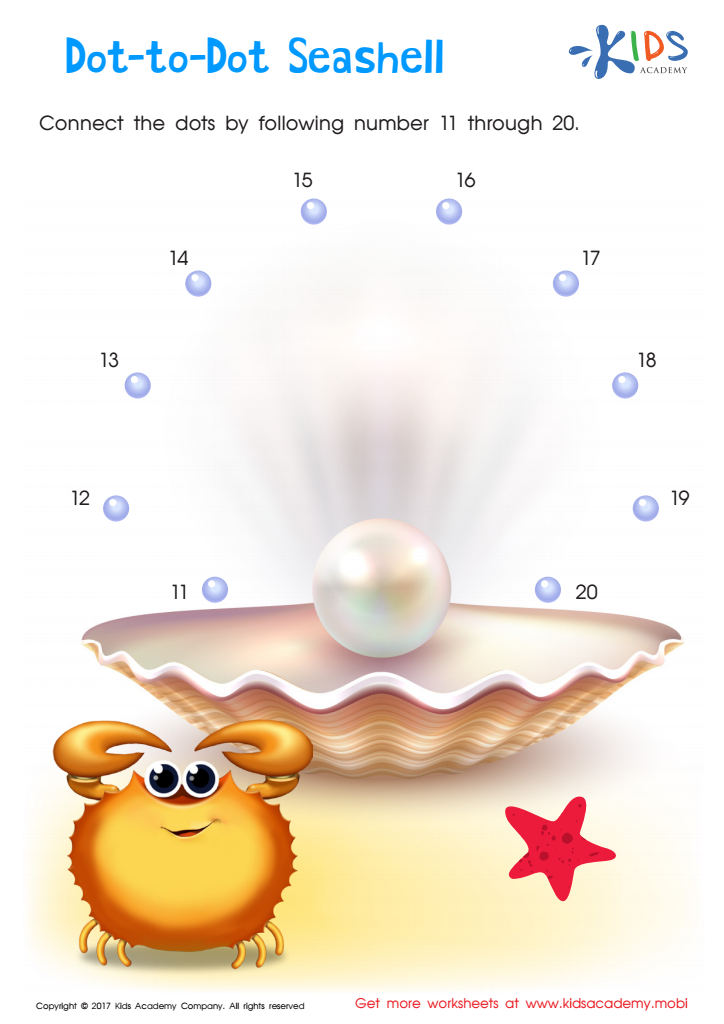
Ordering 11–20: Dot–to–dot Seashell Printable






.jpg)
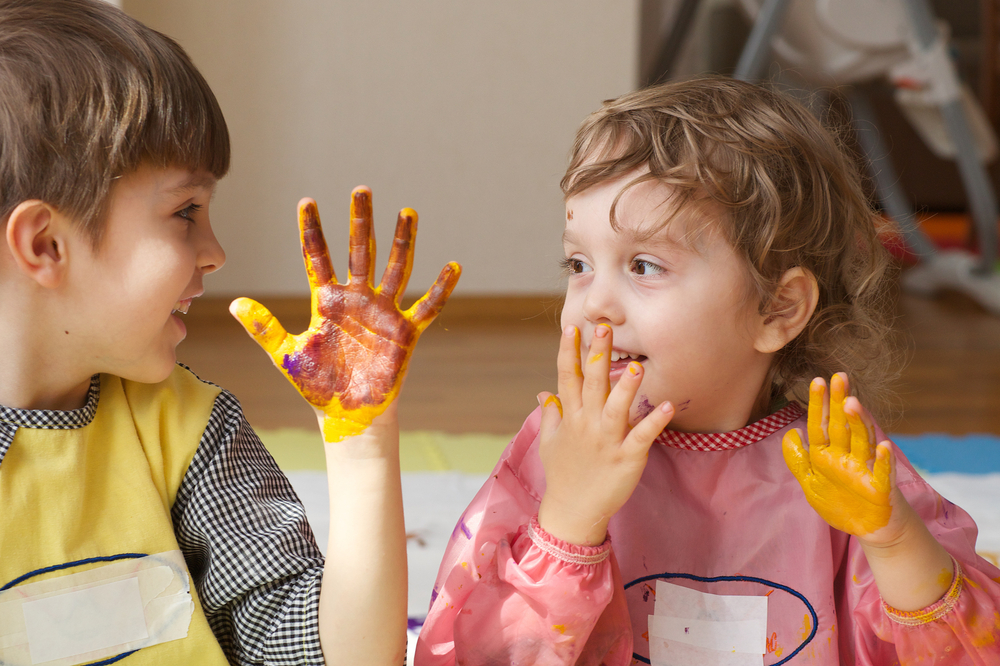
Shape recognition is a fundamental skill in early childhood education, serving as a gateway to more complex mathematical concepts. Parents and teachers should prioritize this skill, as it lays the groundwork for spatial awareness, problem-solving, and logical reasoning. By recognizing shapes, children improve their ability to categorize and organize their environment, enhancing cognitive development.
Engaging in shape recognition activities fosters critical thinking and encourages creativity. As children identify and manipulate shapes, they learn to appreciate patterns and relationships in their surroundings. This exploration helps develop fine motor skills as they draw, cut, or construct with various shapes.
Moreover, early shape recognition correlates with later success in mathematics. It aids in understanding geometry, measurement, and the properties of objects. When children can identify circles, squares, triangles, and other shapes, they build confidence, which is crucial for their overall educational journey.
Additionally, involving parents in shape recognition games at home strengthens the home-school connection, reinforcing learning through play. Together, parents and teachers create enriching environments that ignite curiosity and foster a love of learning, ensuring children are better prepared for future academic challenges. Prioritizing this area of development builds a solid foundation for mathematics and critical thinking.