Hand-eye Coordination Easy Worksheets - Page 2
29 filtered results
-
From - To
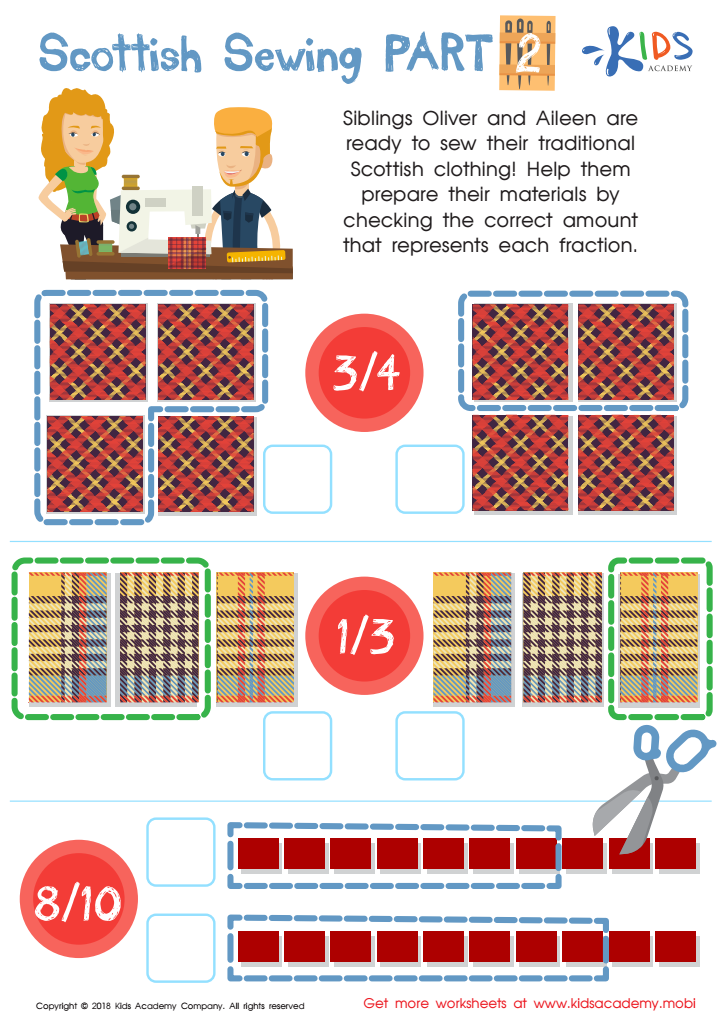
Scottish Sewing Part 2 Worksheet
 Assign to My Students
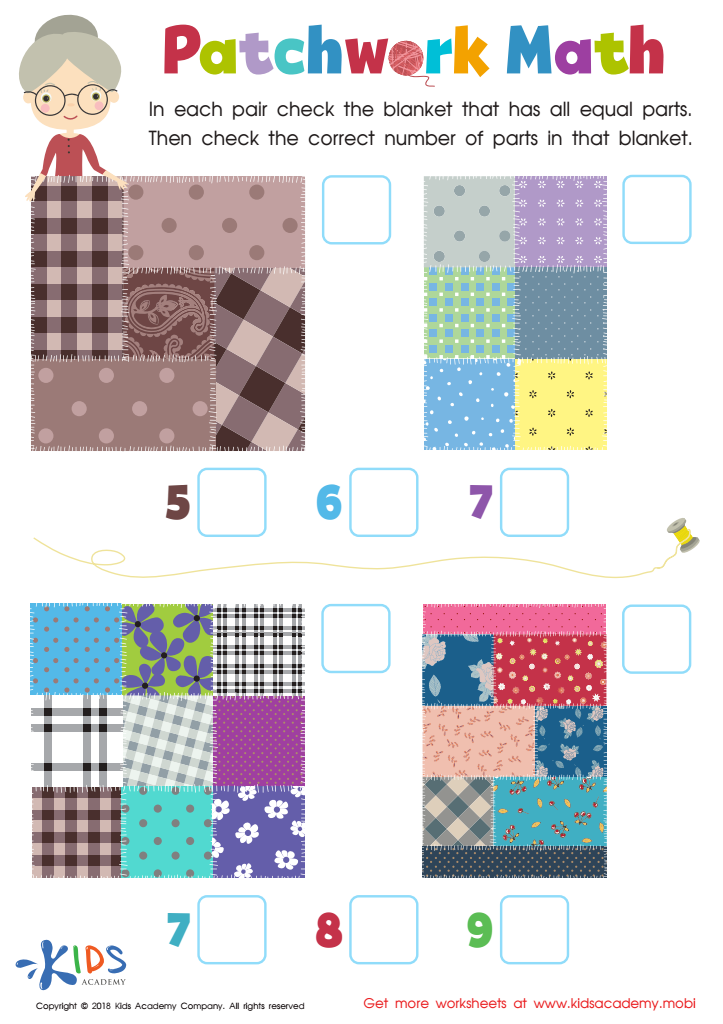
Patchwork Math Worksheet
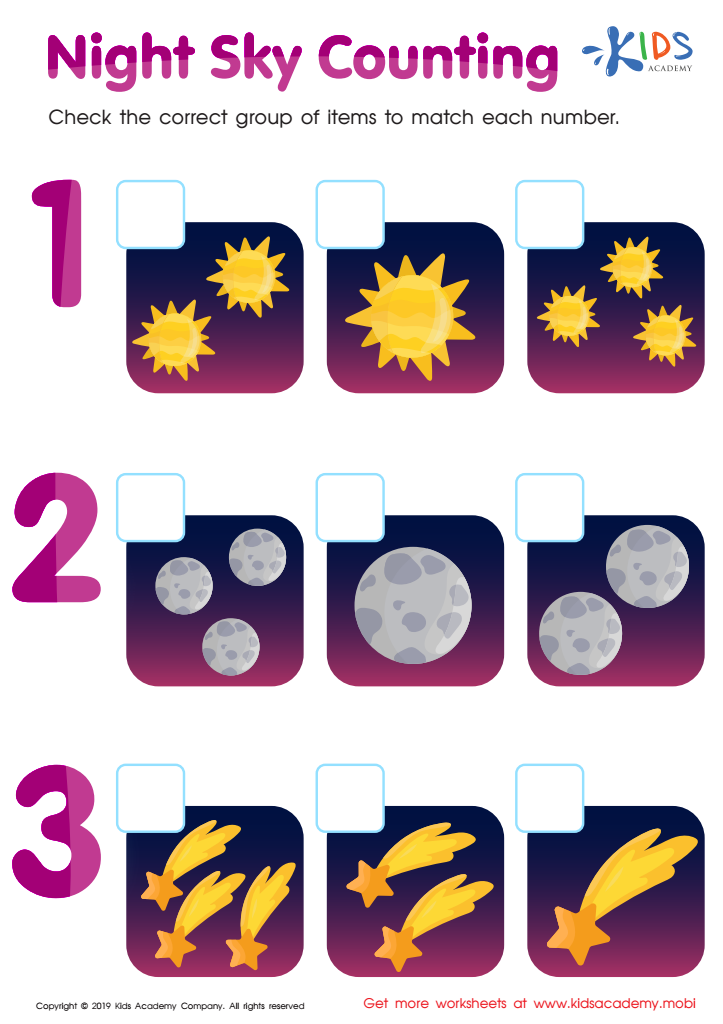
Night Sky Counting Worksheet
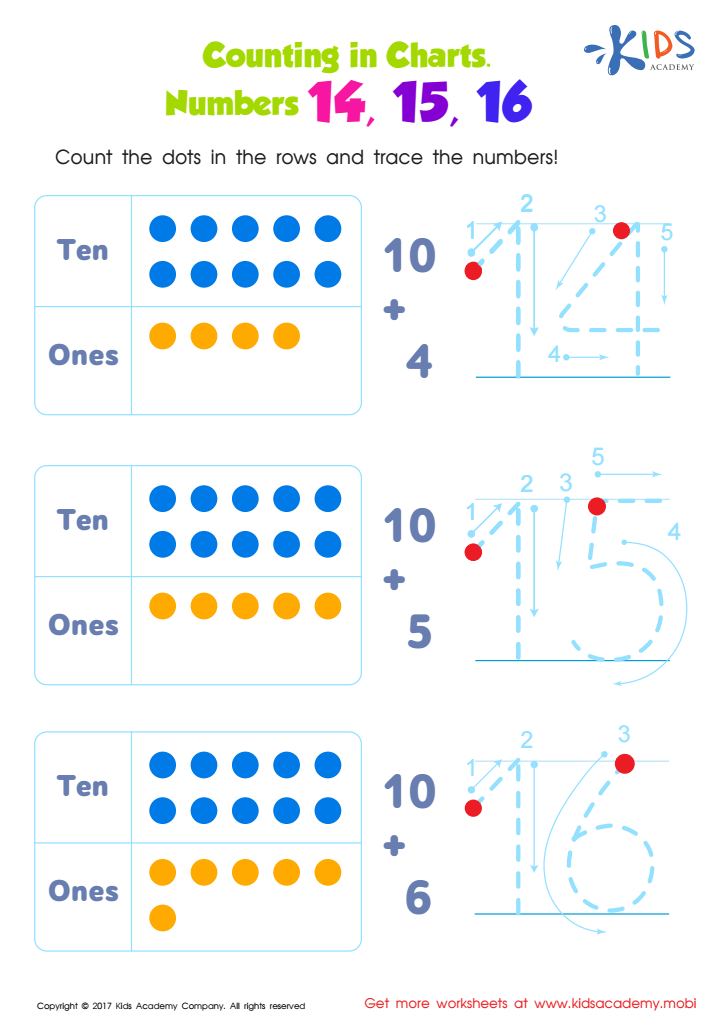
Number Tracing Worksheet
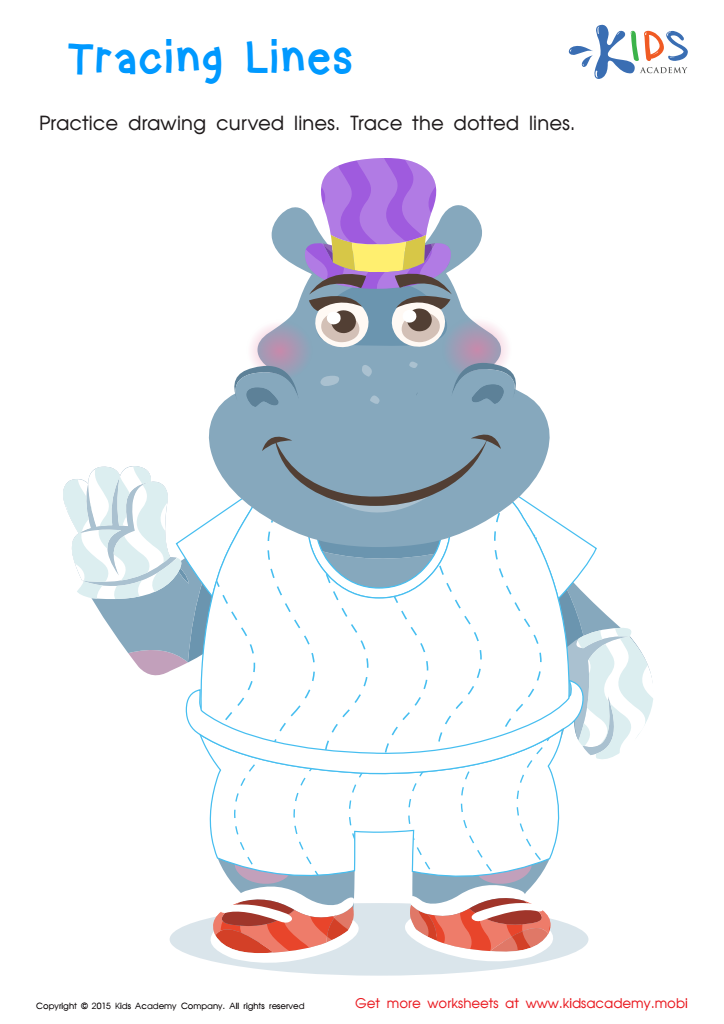
Tracing Lines Worksheet




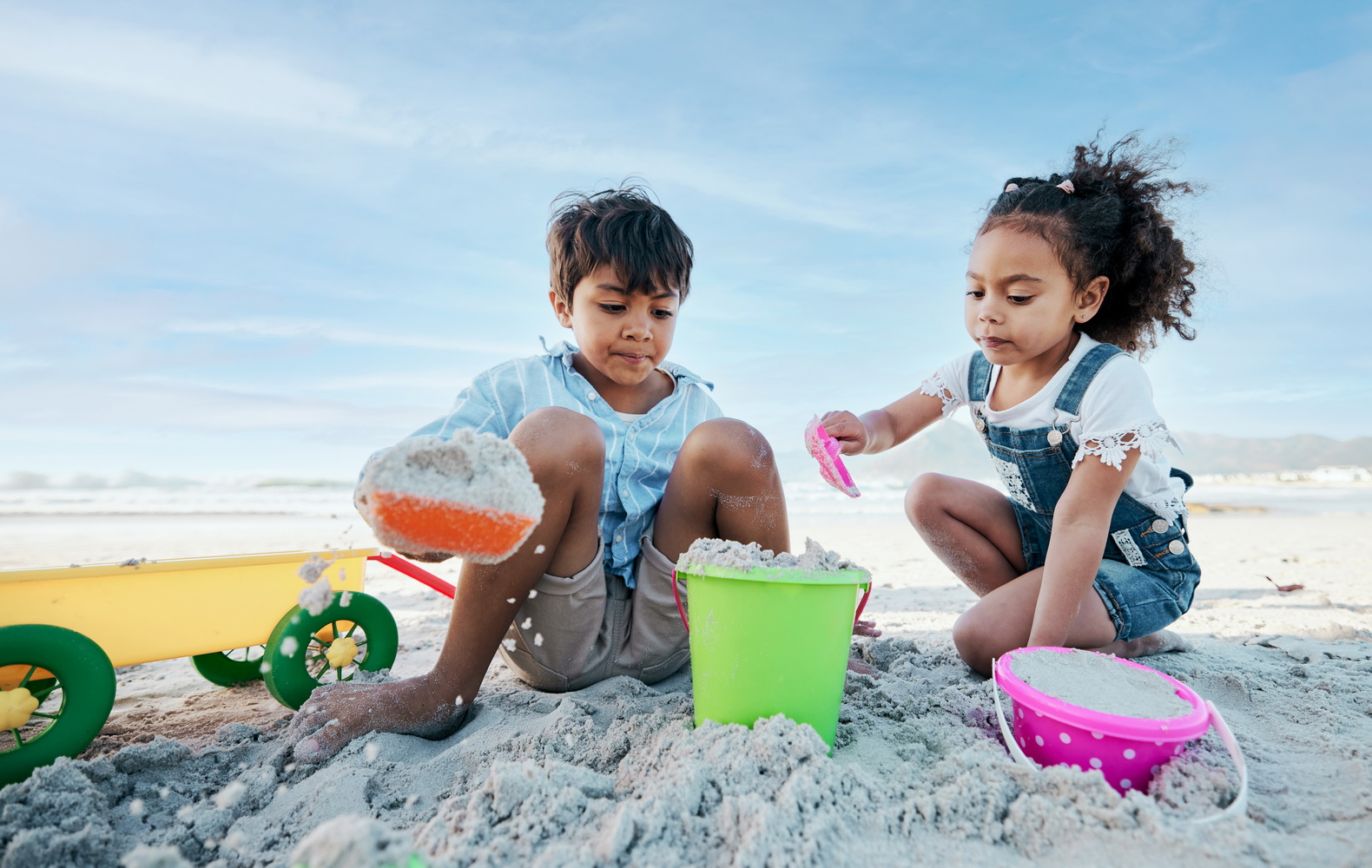

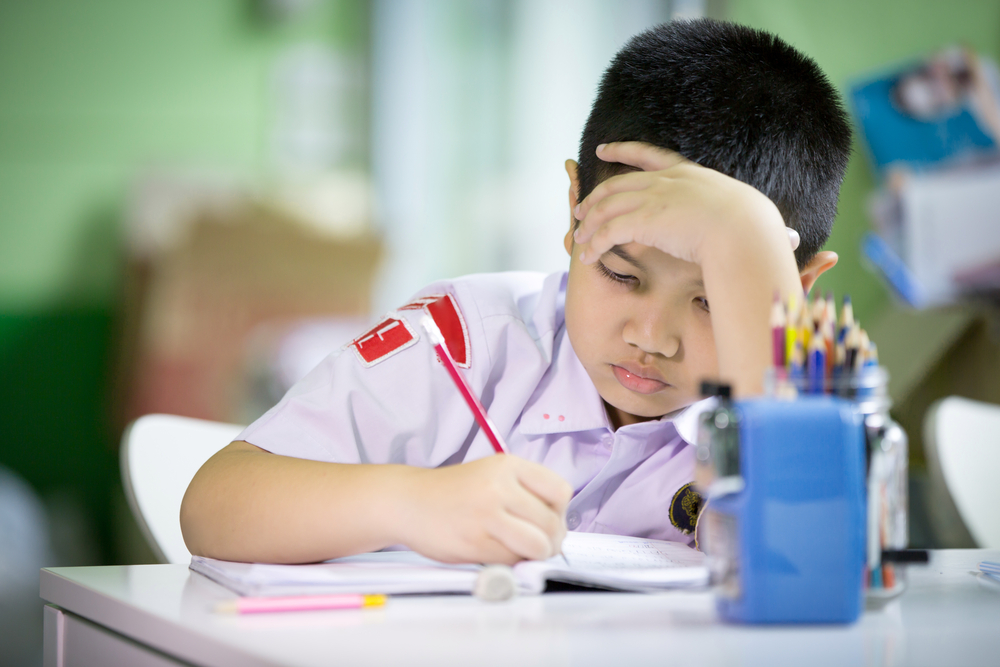

Hand-eye coordination is a crucial skill for young learners, impacting their daily activities and overall development. Parents and teachers should care about this skill because it lays the foundation for a variety of essential tasks, from writing and drawing to sports and everyday functions like tying shoelaces.
Developing hand-eye coordination enhances a child’s fine motor skills, which are important for academic tasks such as using scissors or completing puzzles. Children with good hand-eye coordination often find it easier to focus and excel in school, as they can carry out tasks more efficiently and with greater confidence.
Moreover, engaging in activities that promote hand-eye coordination, such as playing catch, crafting, and video games, fosters social interaction and team-building, helping children build relationships with peers. Such interactions cultivate essential life skills, like teamwork, patience, and perseverance.
By encouraging children to develop this skill, parents and teachers are not just promoting physical coordination but also nurturing cognitive development and self-esteem. Thus, fostering hand-eye coordination can significantly impact a child’s academic success and social skills, making it an important focus in early education.








