Object identification Easy Worksheets
3 filtered results
-
From - To
Welcome to our "Object Identification Easy Worksheets" page, where learning meets fun! Designed for early learners, these engaging worksheets help children master the skill of recognizing and identifying everyday objects. Our resources feature vibrant illustrations that captivate young minds while enhancing visual recognition, vocabulary, and cognitive skills. Perfect for preschool and kindergarten classrooms or home learning, these easy-to-understand worksheets promote independent learning and are adaptable for various skill levels. By fostering object identification abilities, we empower children to explore their surroundings with confidence. Start your adventure in learning today with our delightful and educational worksheets!
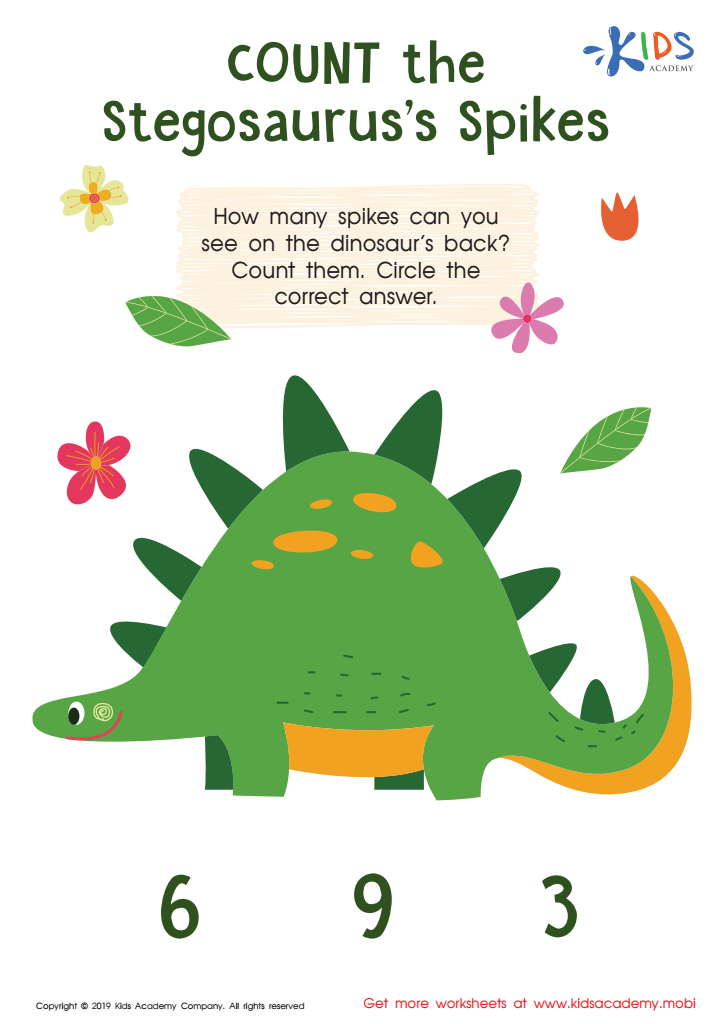
Count the Stegosaurus's Spikes Worksheet
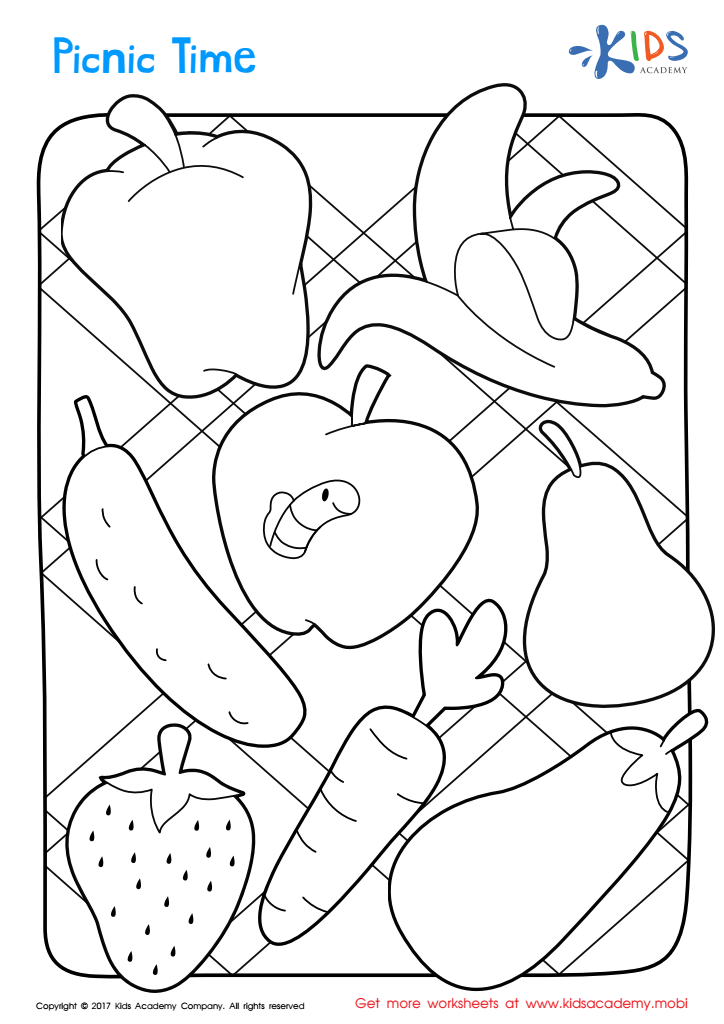
Picnic Time Coloring Page
 Assign to My Students
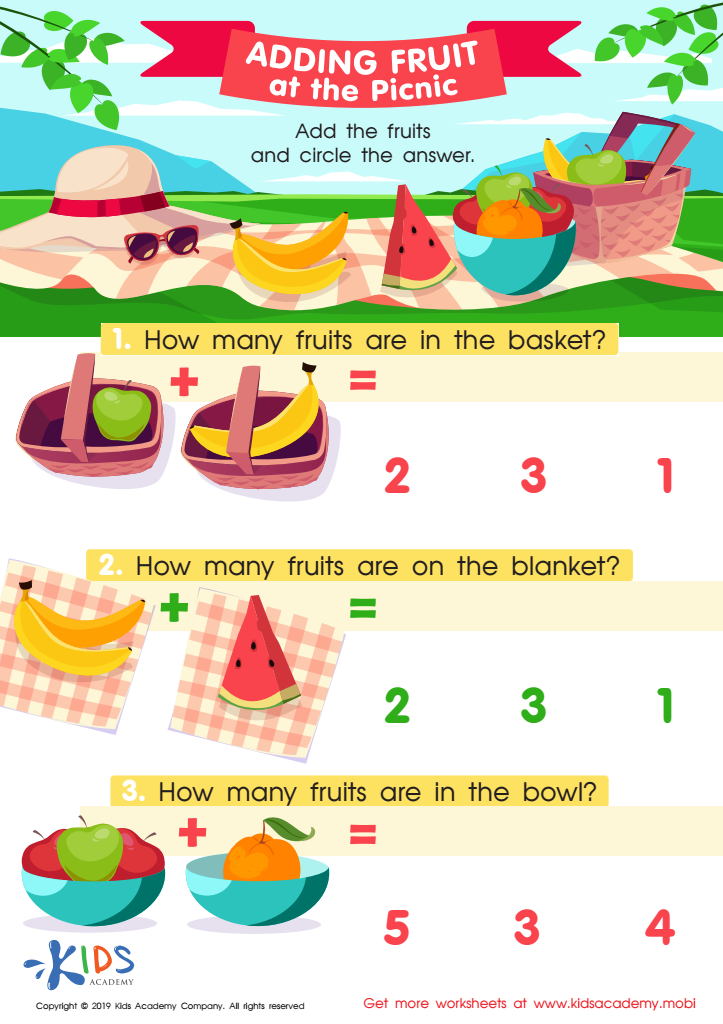
Adding Fruit at the Picnic Worksheet



.jpg)

Object identification is a fundamental skill that directly impacts a child's overall cognitive development and learning. For parents and teachers, understanding its importance can enhance the educational experience and foster a conducive learning environment.
First, object identification support language acquisition. As children learn to recognize and name objects, they expand their vocabulary, which is crucial for effective communication. This skill also boosts their confidence in expressing themselves.
Second, it enhances critical thinking and problem-solving abilities. By recognizing and categorizing different objects, children develop analytical skills that help them make sense of the world around them. This foundational skill lays the groundwork for more complex learning in areas such as science and mathematics.
Furthermore, facilitating object identification fosters sensory development. Engaging with various textures, shapes, and colors enriches children's sensory experiences and enhances their sensory integration.
Lastly, it encourages exploration and curiosity. When children can identify objects, they are more likely to engage in interactive play, promoting social skills and teamwork.
Ultimately, object identification contributes to a child's holistic development, making it essential for parents and teachers to prioritize this skill in their educational strategies. Supporting this aspect of learning prepares children for future academic success and lifelong learning.








