Shape identification Easy Worksheets
6 filtered results
-
From - To
Discover our "Shape Identification Easy Worksheets," designed to help young learners recognize and differentiate various shapes in a fun and engaging way! These printable worksheets provide a variety of activities that make learning shapes exciting, including coloring, matching, and tracing exercises. Perfect for preschool and kindergarten teachers, our resources support the development of essential early math skills while encouraging creativity. With clear instructions and vibrant visuals, children will enjoy mastering shape recognition in no time. Explore our thoughtfully crafted worksheets and watch your students gain confidence as they identify circles, squares, triangles, and more! Get started today and make learning shapes a joy!
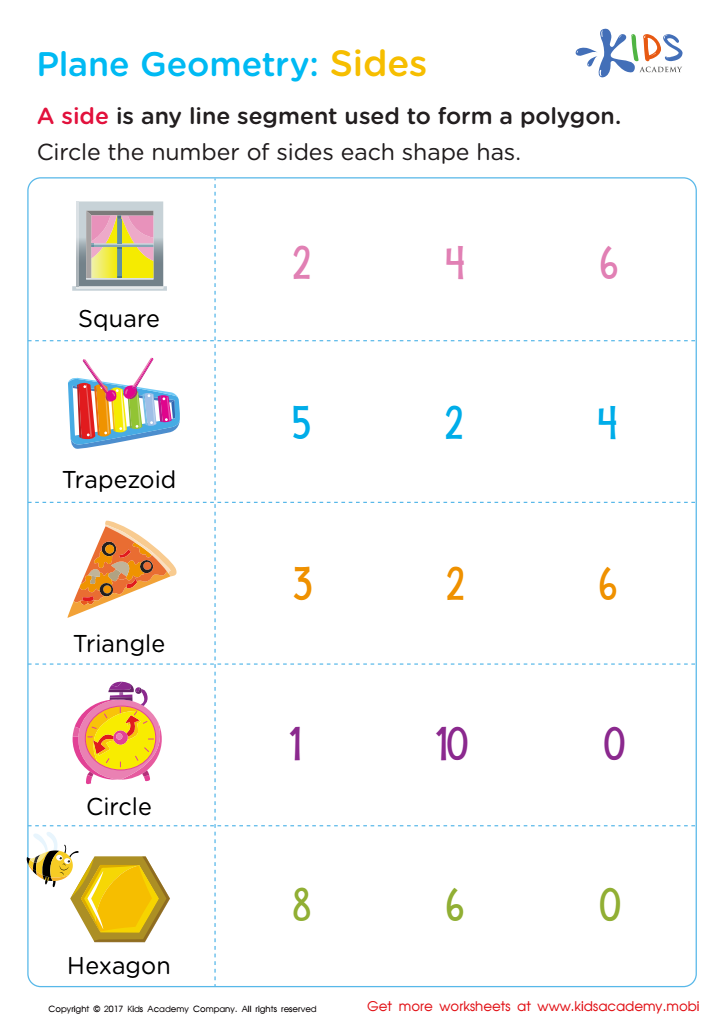
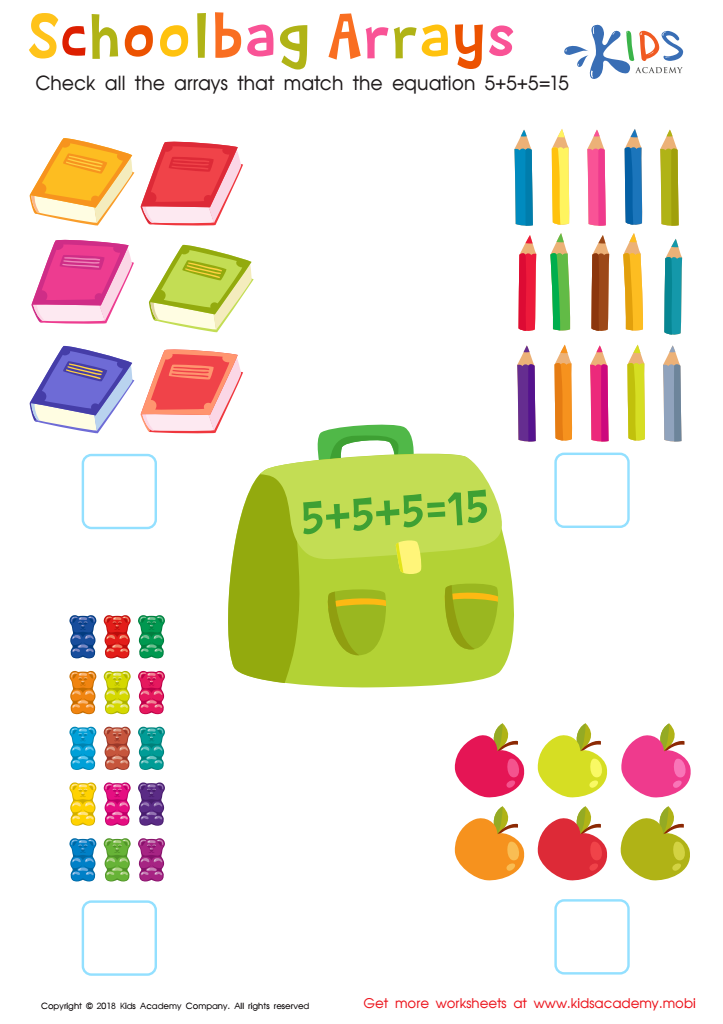
Schoolbag Arrays Worksheet
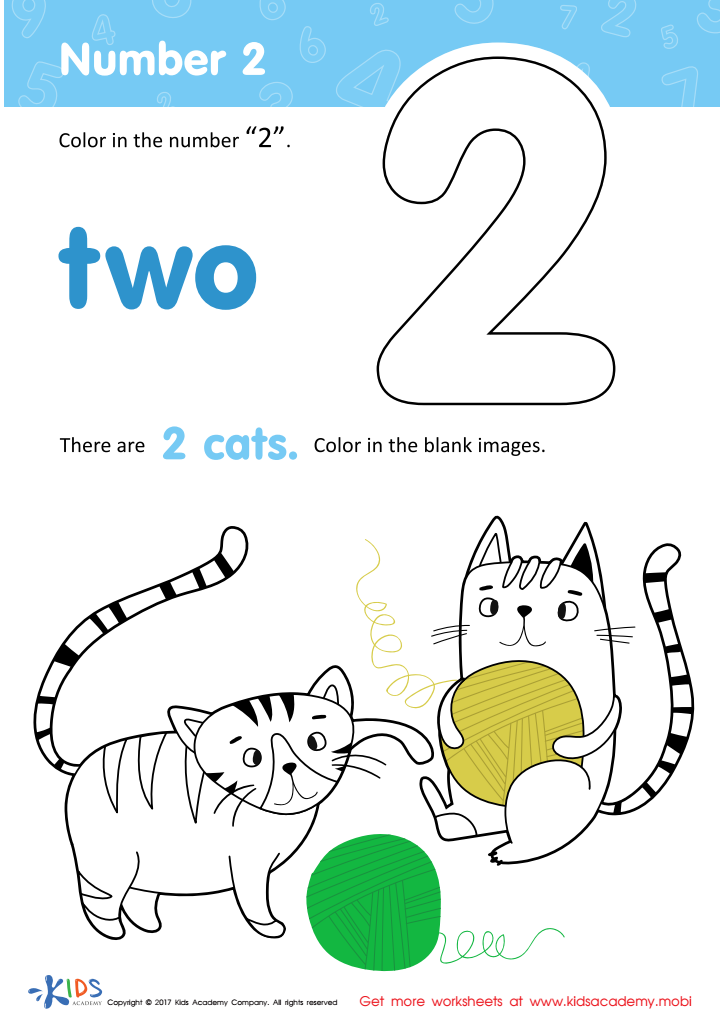
Number 2 Printable
 Assign to My Students
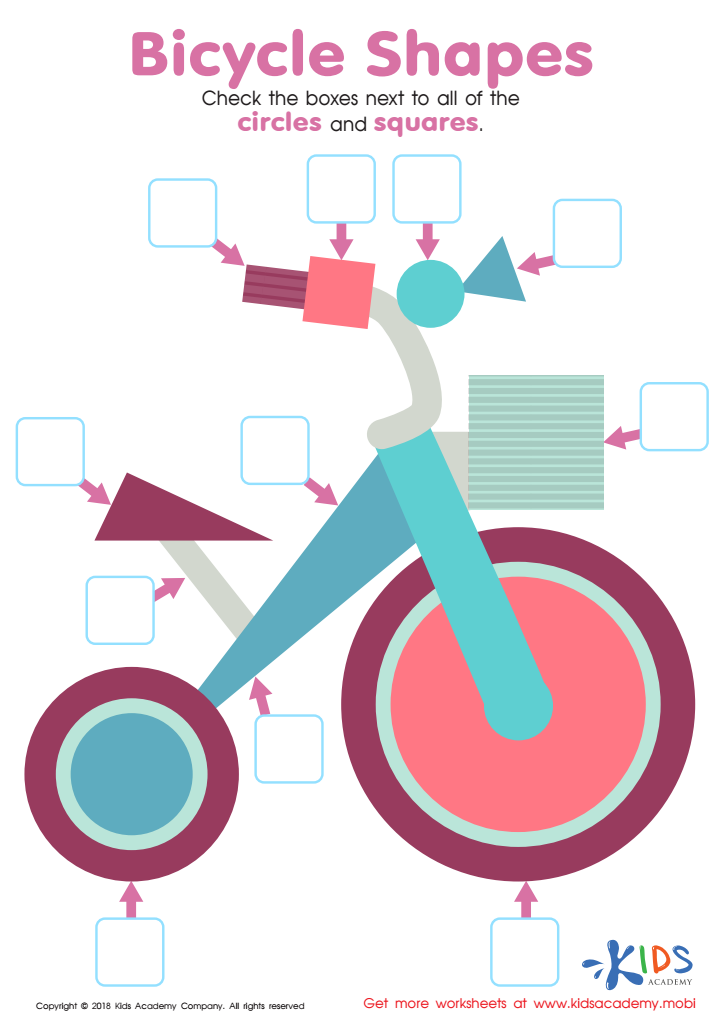
Bicycle Shapes Worksheet
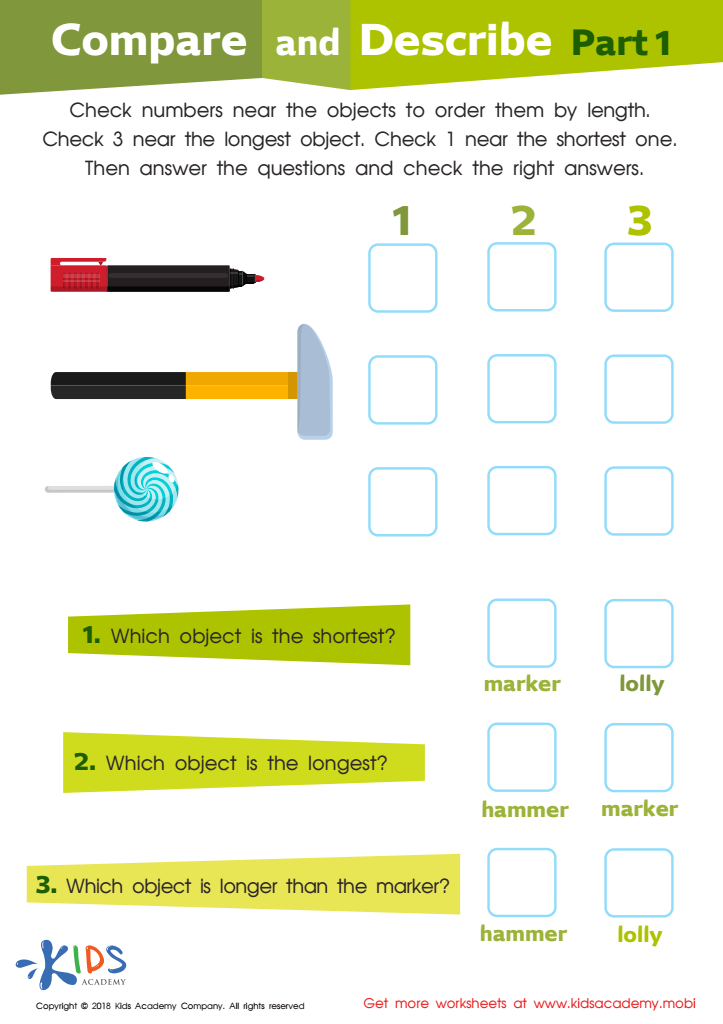
Compare and Describe: Part 1 Worksheet
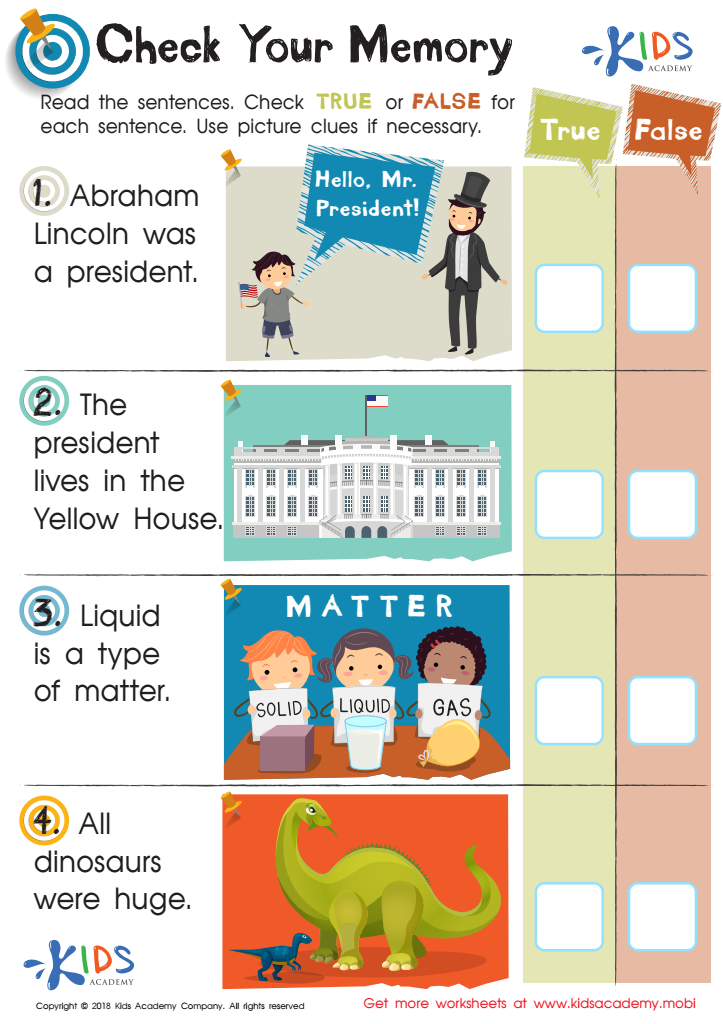
Check Memory Worksheet







Shape identification is a fundamental concept in early childhood education that plays a crucial role in cognitive development. Parents and teachers should care about this topic for several reasons. First, shape recognition enhances spatial awareness, helping children understand how various objects relate to each other in space. This skill is foundational for future learning in geometry and mathematics.
Second, identifying shapes fosters critical thinking and problem-solving skills. When children learn to classify shapes, they practice categorization, observation, and comparison—skills that are translatable to other subjects and daily life.
Additionally, shape identification encourages language development. Discussing shapes not only expands vocabulary but also allows children to express ideas and thoughts clearly. This can lead to improved communication skills as they articulate concepts related to shapes.
Moreover, understanding shapes is integral to developing fine motor skills through activities like cutting and drawing. Engaging with shapes through hands-on activities also boosts creativity as children learn to recognize shapes in the environment, inspiring imaginative play.
In summary, fostering shape identification is essential for children's overall development, laying the groundwork for academic success while facilitating growth in areas such as critical thinking, language skills, and creativity.








