
Story sequencing Easy Worksheets
3 filtered results
Difficulty Level
Grade
Age
-
From - To
Subject
Activity
Standards
Welcome to our “Story Sequencing Easy Worksheets” page! Here, young learners can enhance their comprehension and storytelling skills through engaging activities designed to teach them the steps of story structure. Our worksheets are perfect for early-grade students, helping them learn to arrange events in chronological order, recognize cause and effect, and understand character development. With simple illustrations and relatable themes, these worksheets promote critical thinking and creativity. Just print them out and watch your child’s confidence grow as they piece together their favorite tales in sequence. Start their journey in storytelling today with our fun, interactive resources!
Favorites
With answer key
Interactive
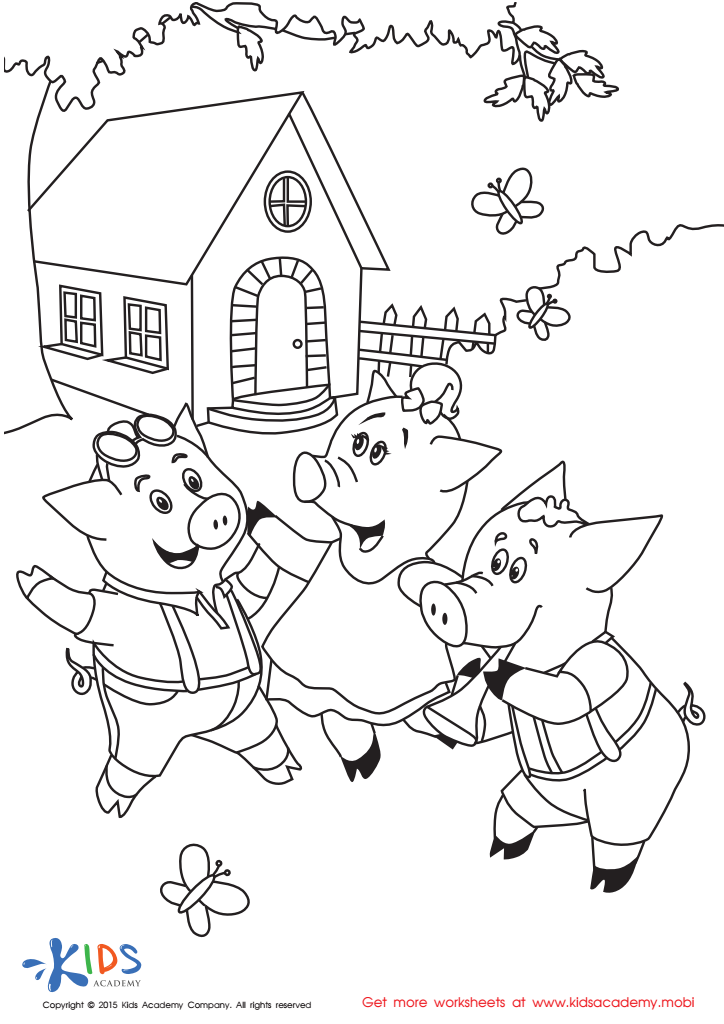
Folktales Printable PDF Worksheet: The 3 Little Pigs
Then, help your child to color the scene with pink piglets, blue sky and green grass. Make the brick house bright and vivid. Enjoy!
Download (PDF)
 Assign to My Students
Assign to My Students
Folktales Printable PDF Worksheet: The 3 Little Pigs
Worksheet
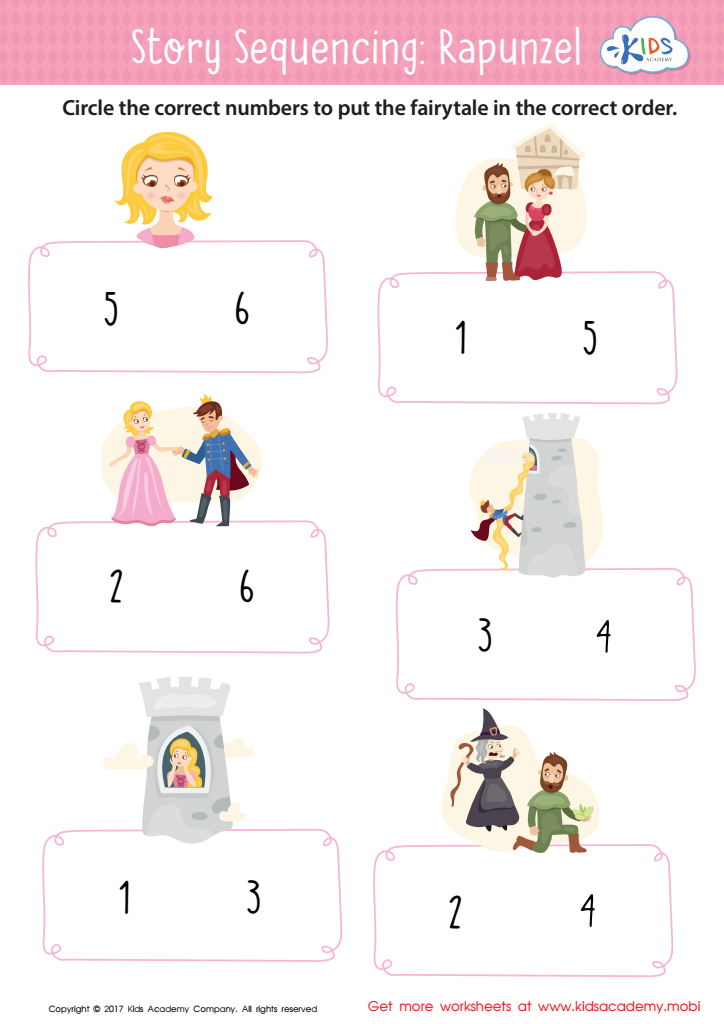
Rapunzel Story Sequencing Worksheet
Enhance your child's reading comprehension and help them sequence story events with this Rapunzel worksheet – it's thrilling and educational! Max 80 words.
Help your child develop their reading comprehension with this exciting Rapunzel story sequencing worksheet! Kids view pictures from the classic fairytale and number them in the right order, reinforcing their understanding of story events. Educational and entertaining!
Rapunzel Story Sequencing Worksheet
Worksheet
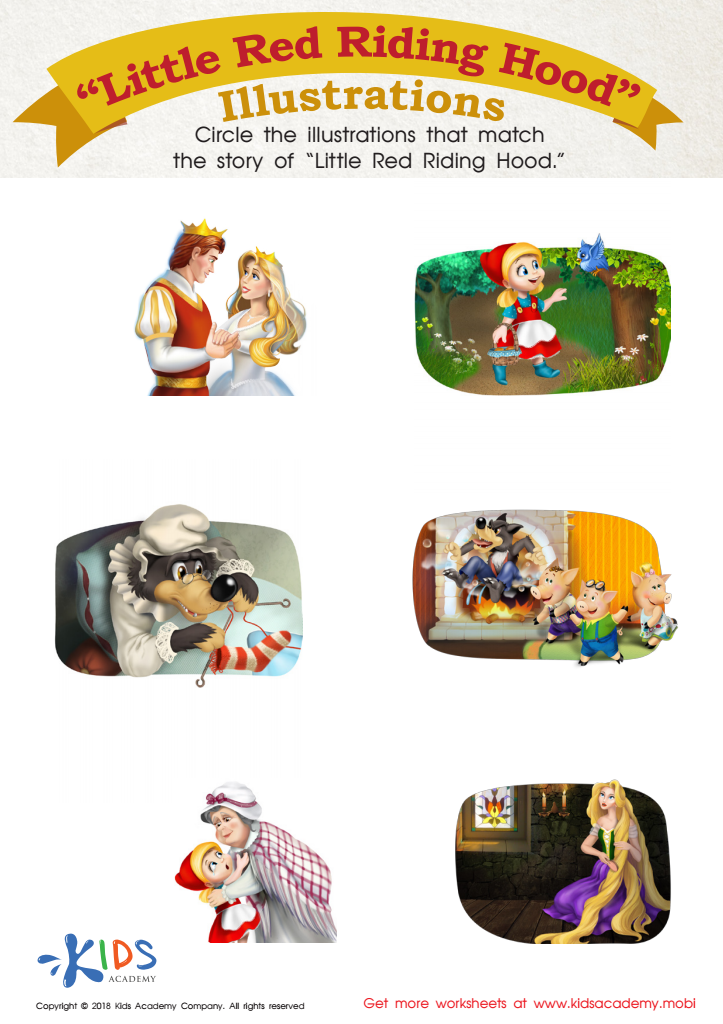
Little Red Riding Hood: Illustrations Worksheet
This worksheet encourages children to analyze illustrations from familiar fairy tales, such as Little Red Riding Hood, and decide which ones match the story and which don't. It's a great way to help them recall and retell stories they've heard or read. Illustrations are important elements that help children comprehend advanced readings.
Little Red Riding Hood: Illustrations Worksheet
Worksheet
Join Kids Academy for Free
Who is primarily going to use this learning content?







Story sequencing is a crucial skill for young learners, as it helps them understand the structure of narratives and enhances their comprehension abilities. When children learn to sequence a story, they can better grasp the beginning, middle, and end of a tale, fostering their ability to summarize and retell events coherently. This skill not only improves reading comprehension but also strengthens their writing abilities, as they will be more equipped to organize their thoughts logically.
Furthermore, sequencing promotes critical thinking and problem-solving. As children categorize events, they learn to identify cause-and-effect relationships, helping them draw connections between different parts of the story. This cognitive development is essential for their overall academic success.
For parents and teachers, fostering story sequencing can lead to more mindful and engaged learners. Incorporating activities, such as storytelling games or using picture cards to arrange plot events, can make learning enjoyable and interactive. Encouraging children to summarize their favorite stories or predict what might happen next strengthens their dialogue skills and builds confidence in communicating their ideas. Overall, story sequencing facilitates not just literary skills but also nurtures creativity, logic, and collaboration—all critical attributes for future learning.








