Categorization skills Easy Numbers Worksheets
4 filtered results
-
From - To
Introduce your child to fun and engaging categorization exercises with our Easy Numbers Worksheets! Tailored for young learners, these worksheets help kids develop crucial categorization skills by sorting and grouping numbers. Utilizing colorful, kid-friendly graphics, each activity encourages critical thinking, pattern recognition, and number familiarity. Ideal for preschoolers and kindergartners, our worksheets gradually build a strong foundation in early math concepts. Perfect for classroom use or at-home practice, these printable resources make learning numbers enjoyable and effective. Help your little ones boost their math skills with practical, easy-to-follow exercises designed to inspire a lifelong love for learning. Explore our collection today!
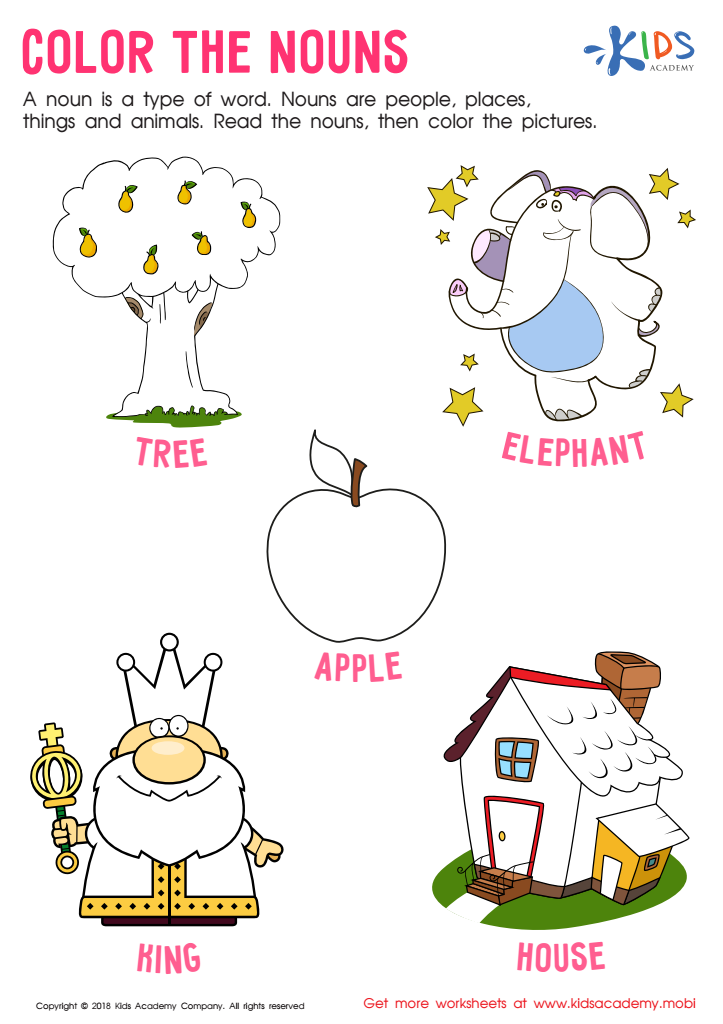
Color the Nouns Worksheet
 Assign to My Students
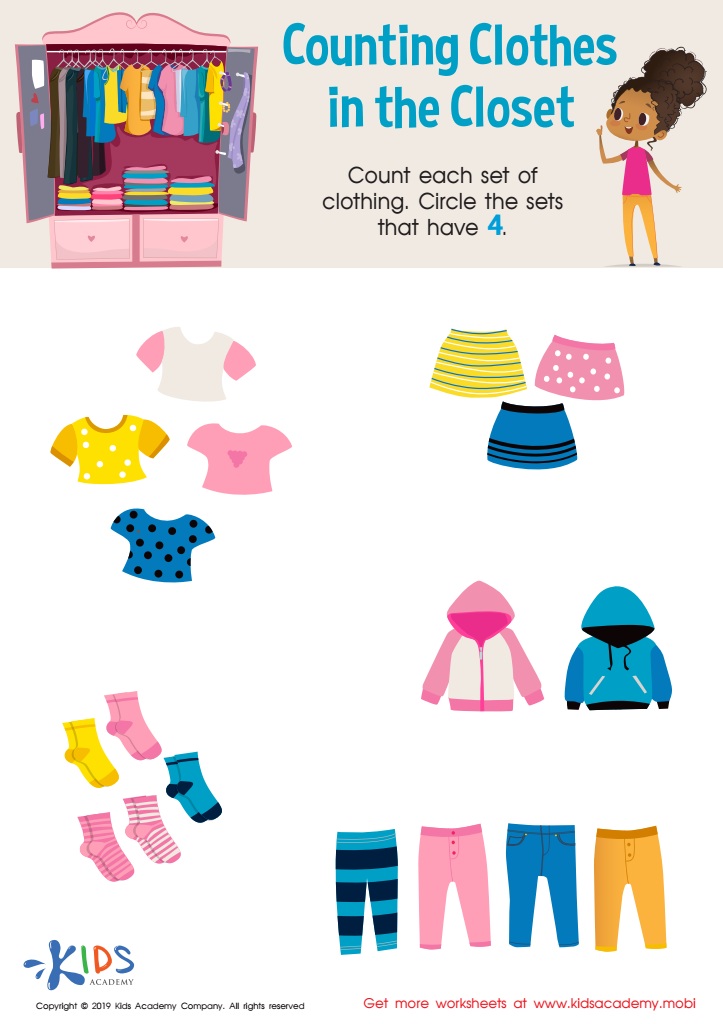
Counting Clothes Worksheet
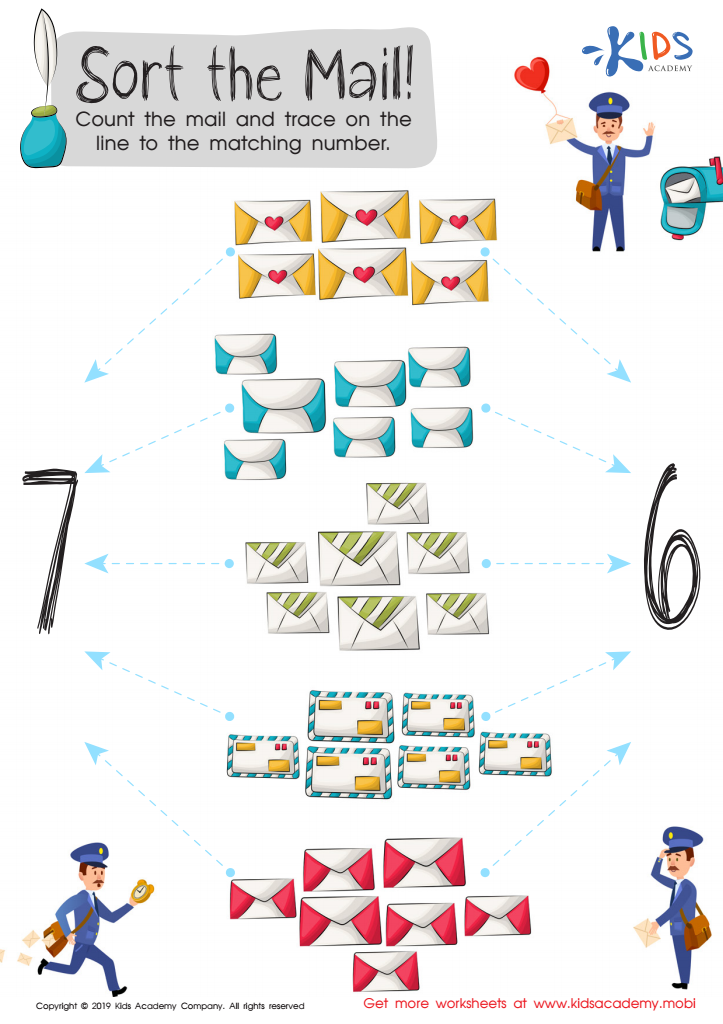
Sort the Mail Worksheet
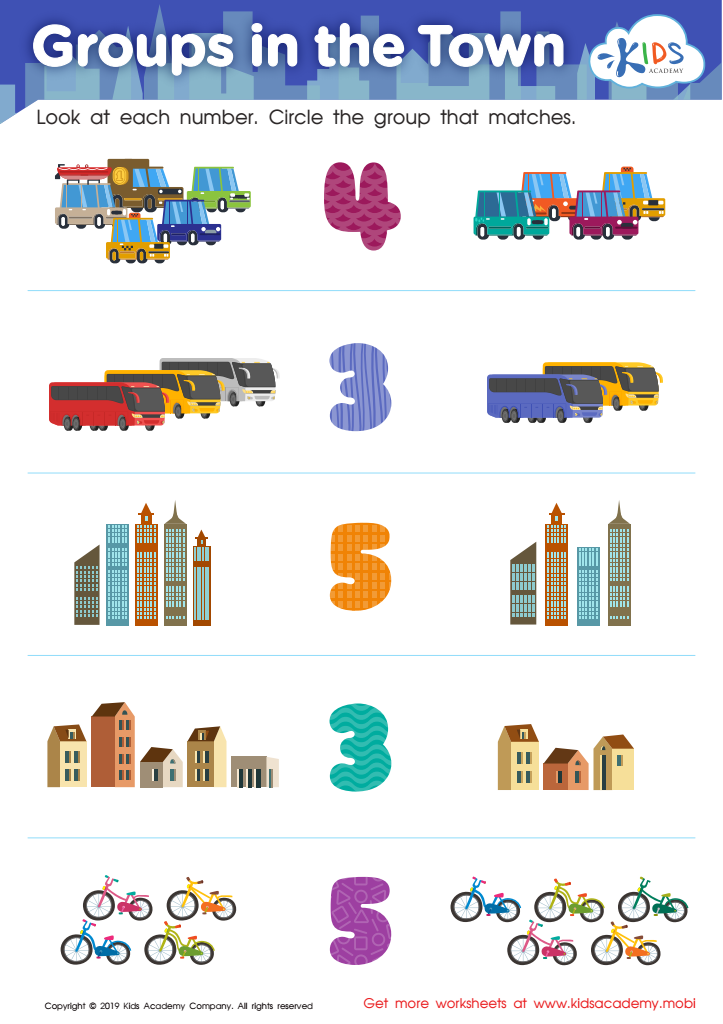
Groups in the Town Worksheet





.jpg)


Categorization skills and basic number skills are fundamental building blocks in early childhood development, and here's why parents and teachers should care about fostering these abilities in young children:
Categorization skills involve the ability to group objects, ideas, or information based on common characteristics. These skills are crucial because they enhance a child's cognitive development and comprehension abilities. By learning to categorize, children can better organize their thoughts and make sense of the world around them. This ability helps enhance memory, promote logical thinking, and supports language development as children learn to describe and compare different categories.
Basic number skills, such as recognizing and counting numbers, are equally essential. These easy number concepts lay the groundwork for more advanced mathematical skills needed in later academic stages. Being comfortable with numbers helps children with everyday tasks, from telling time to understanding money. Moreover, early numeracy skills are closely linked to later academic success, not only in math but across various subjects.
When parents and teachers actively engage in nurturing categorization and basic number skills through playful learning activities, they build a solid foundation for a child's ongoing intellectual growth. These early interventions can foster a positive attitude towards learning, set the stage for academic success, and equip children with essential life skills necessary for problem-solving and critical thinking.








