Fine Motor Skills Easy Numbers Worksheets - Page 2
29 filtered results
-
From - To
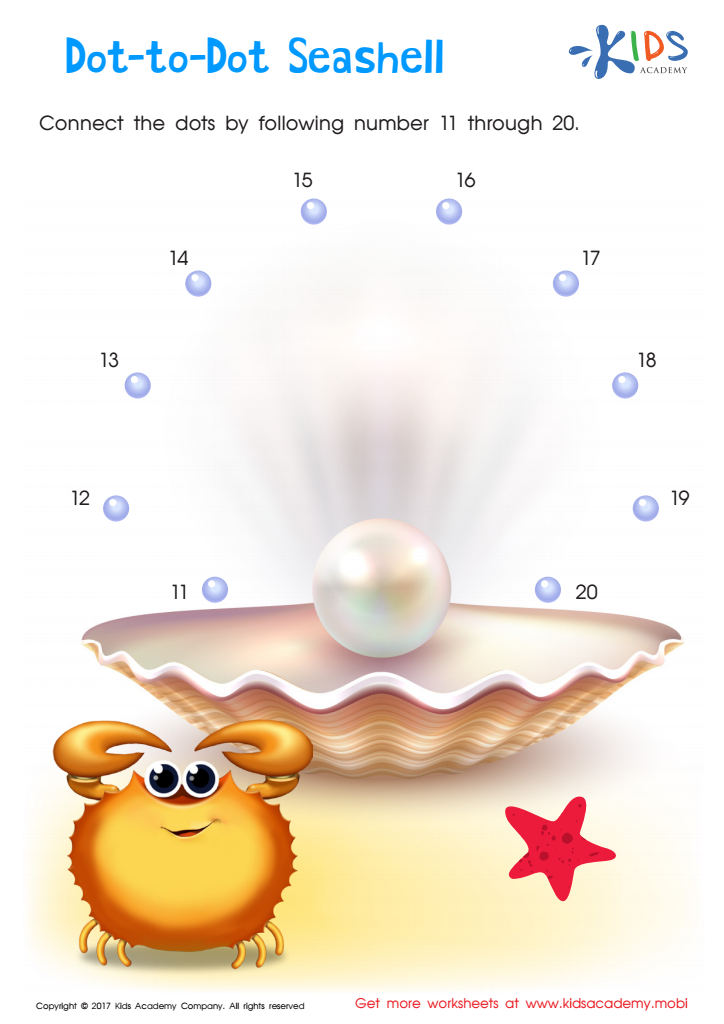
Ordering 11–20: Dot–to–dot Seashell Printable
 Assign to My Students
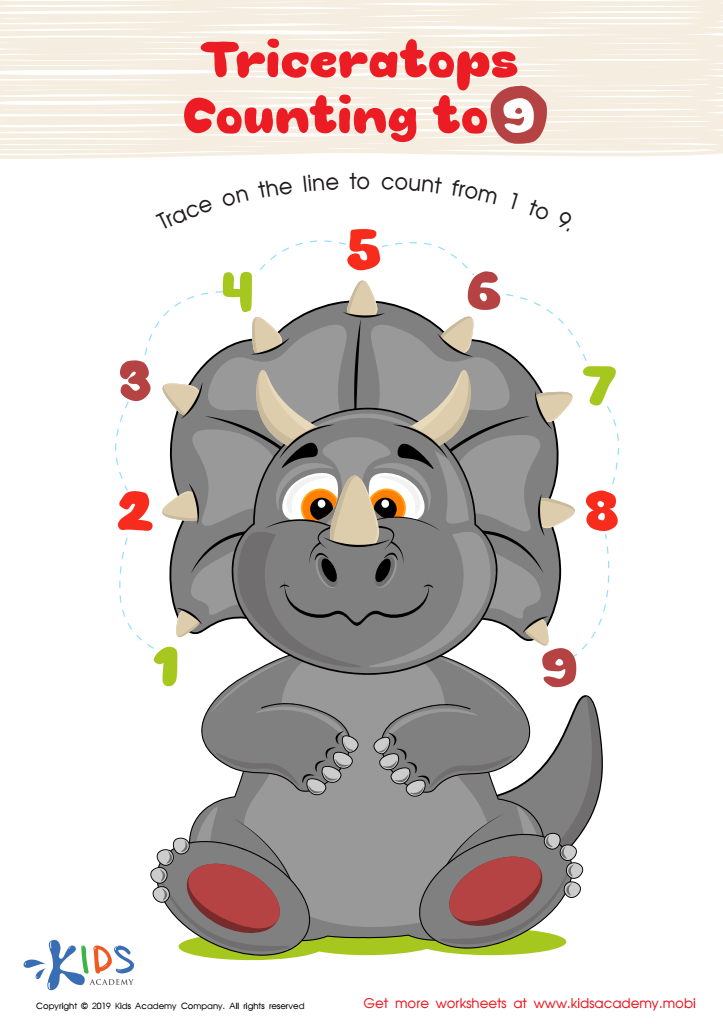
Triceratops Counting to 9 Worksheet

Counting on the City Skyline: Dot-to-Dot Worksheet
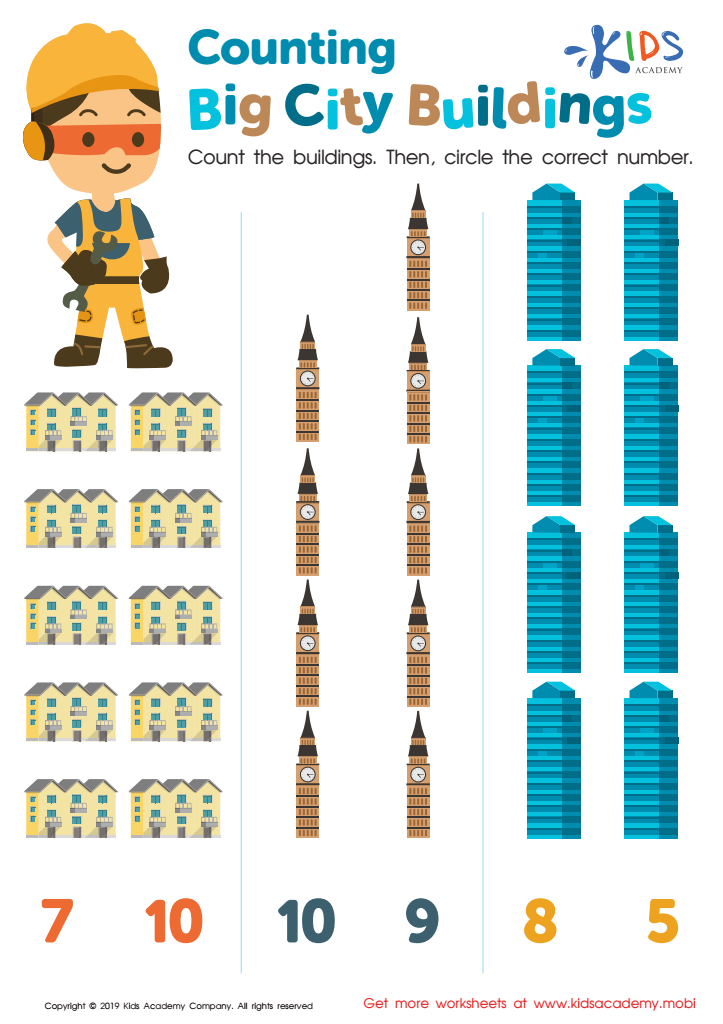
Counting Big City Buildings Worksheet

Night Sky Numbers Worksheet








Fine motor skills are crucial for early childhood development, as they involve the coordination of small muscles in the hands and fingers. Parents and teachers should care about fine motor skills because they are foundational for a child’s academic success and everyday functioning. Mastery of fine motor skills aids in tasks like writing, drawing, and using classroom tools, which are essential for engaging in school activities.
Moreover, developing fine motor skills helps to enhance cognitive development, as these skills require focus and precision, promoting problem-solving and critical thinking. Activities that involve technology—like clicking a mouse, typing on a keyboard, or manipulating touchscreen devices—also benefit from good fine motor coordination.
Furthermore, fine motor skills contribute to a child's social and emotional development; children who can confidently manipulate objects often feel a sense of accomplishment. Activities like puzzle solving, crafting, or even simple chores at home can improve these skills while fostering creativity and independence.
In an increasingly digital world, supporting fine motor skills equips children with the necessary tools to interact with their environment effectively. Therefore, it is vital for parents and teachers to nurture these skills through play, structured activities, and hands-on learning experiences.








