Understanding sequencing Easy Numbers Worksheets
3 filtered results
-
From - To
Welcome to our "Understanding Sequencing Easy Numbers Worksheets" page! Here, children can enhance their mathematical skills through engaging and interactive worksheets designed to teach sequencing using numbers. Our easy-to-follow activities help young learners grasp the concept of order and organization, laying a strong foundation for future math success. These printable worksheets offer a variety of challenges, from filling in missing numbers to arranging sequences correctly. Perfect for early grade students, these resources support essential skills while making learning fun. Explore our collection to boost your child's confidence in numbers and sequencing today!
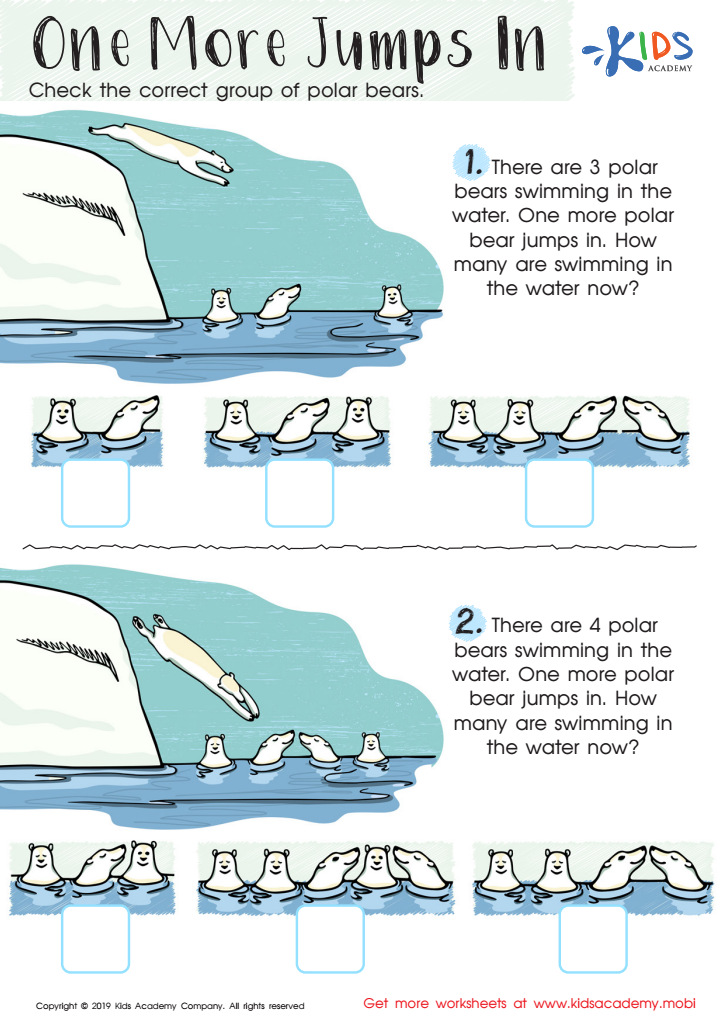
One More Jumps In Worksheet
 Assign to My Students
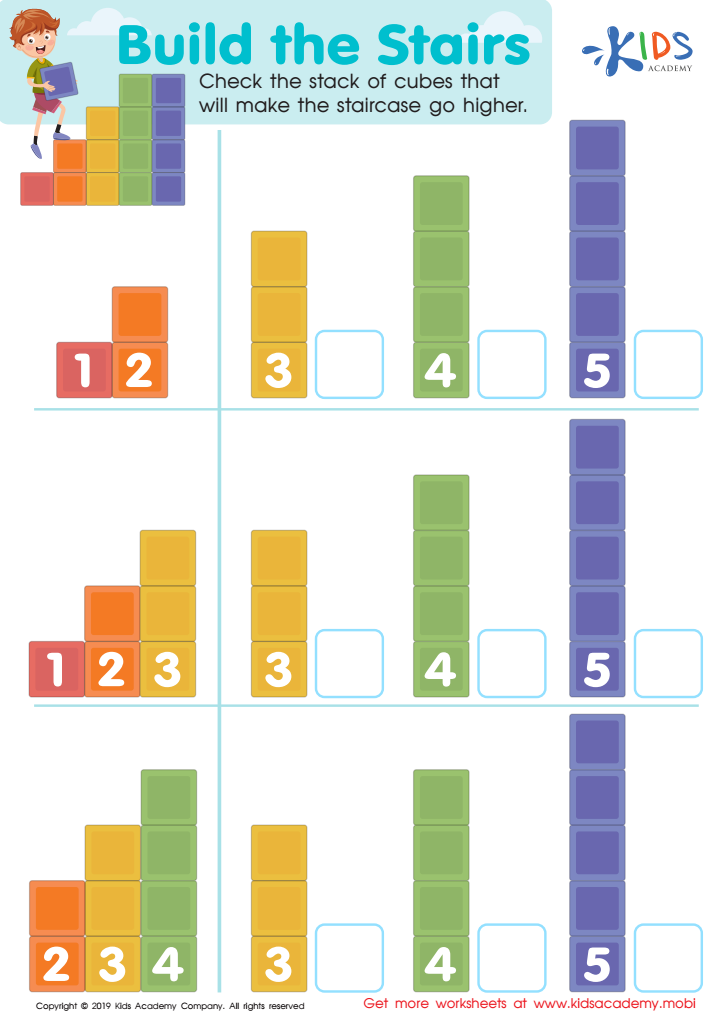
Build the Stairs Worksheet
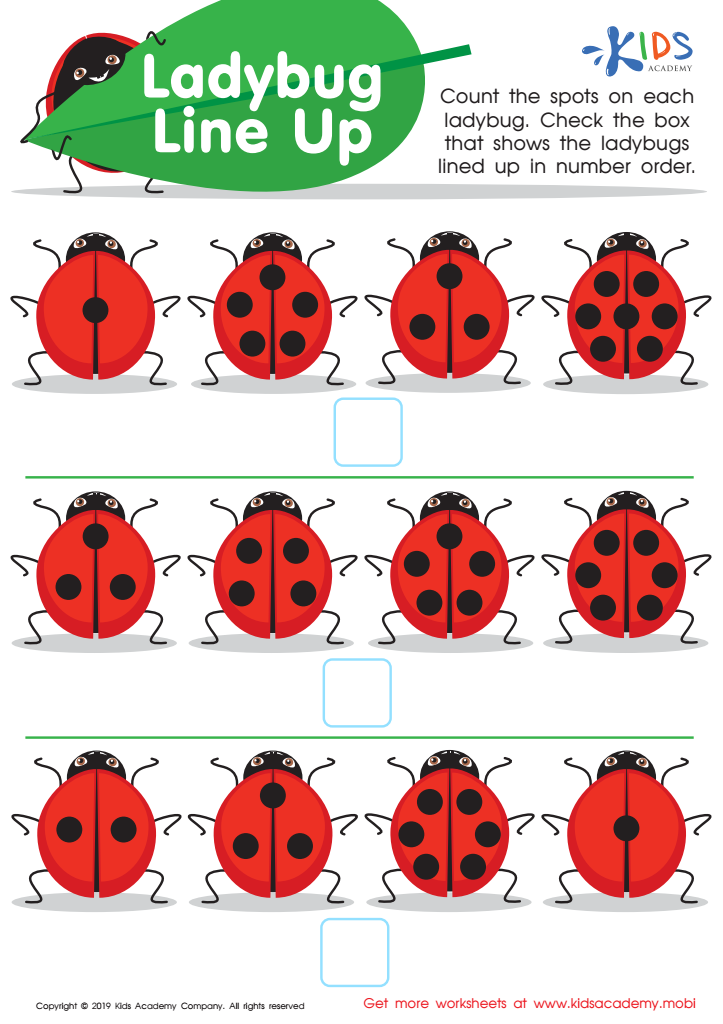
Ladybug Line Up Worksheet








Understanding sequencing, particularly with easy numbers, is crucial for both parents and teachers as it lays the foundation for a child's mathematical understanding and cognitive development. Sequencing involves recognizing and arranging numbers in a logical order, which is essential for grasping more complex mathematical concepts later on, such as addition, subtraction, and even problem-solving scenarios.
For parents, nurturing a child’s ability to sequence numbers can enhance their confidence in math, making them more willing to engage with the subject. This foundational skill fosters critical thinking, as children learn to recognize patterns and relationships between numbers. Engaging in simple counting games or number sequences at home can make learning fun and interactive.
Teachers play a key role in reinforcing these concepts within the classroom. By integrating sequencing activities into their lessons, they help students develop not only mathematical skills but also their overall cognitive abilities. Understanding sequencing allows children to better comprehend larger ideas, such as time management and ordering events, which are valuable life skills. Ultimately, both parents and teachers should prioritize sequencing skills to ensure that children have the tools they need for future academic success and personal growth.








