Shape Recognition Easy Math Worksheets
20 filtered results
-
From - To
Discover our engaging Shape Recognition Easy Math Worksheets, designed to help young learners master the fundamentals of shapes through fun activities! Featuring vibrant visuals and straightforward exercises, these worksheets make learning enjoyable for preschool and kindergarten students. Children will develop shape identification skills while enhancing their critical thinking and problem-solving abilities. Each worksheet promotes hands-on practice, reinforcing understanding through repetition in a playful manner. Ideal for classroom use or home learning, our worksheets accommodate various learning styles, ensuring all kids stay motivated. Download now for a seamless way to support your child's early math education and instill a love for shapes!
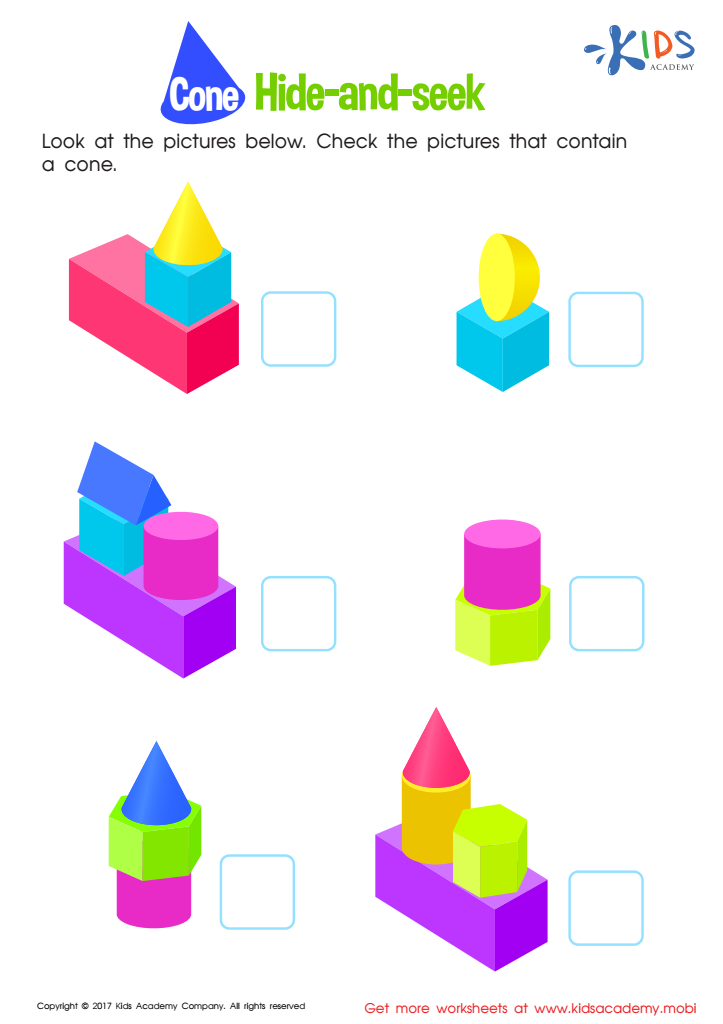
Cone Hide-and-Seek Worksheet
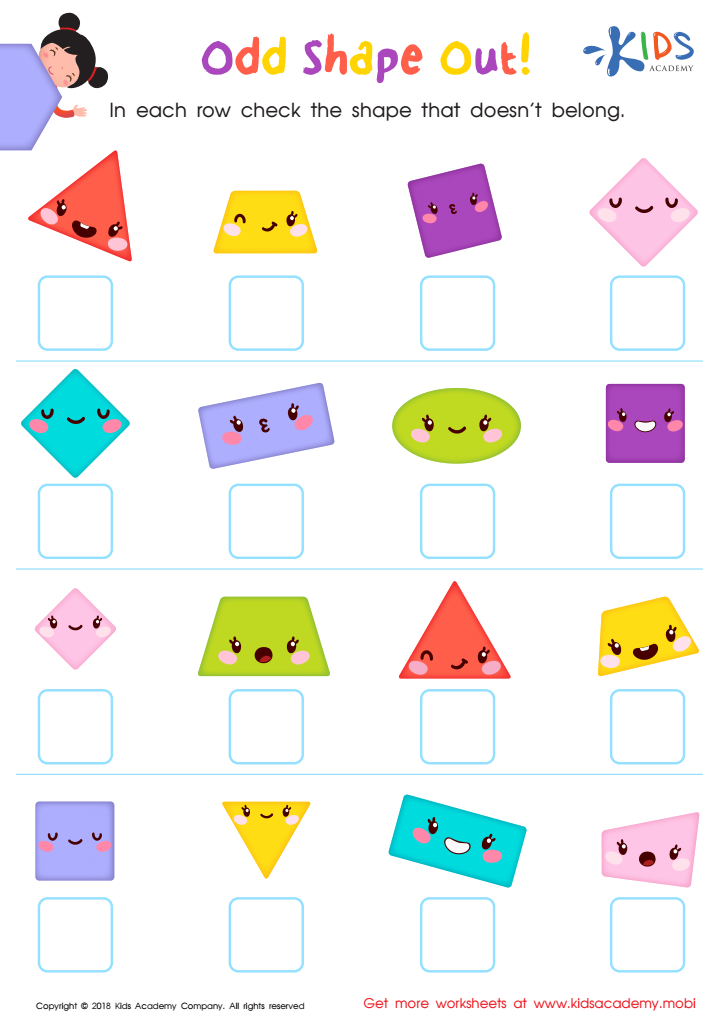
Odd Shape Out Worksheet for Grade 3
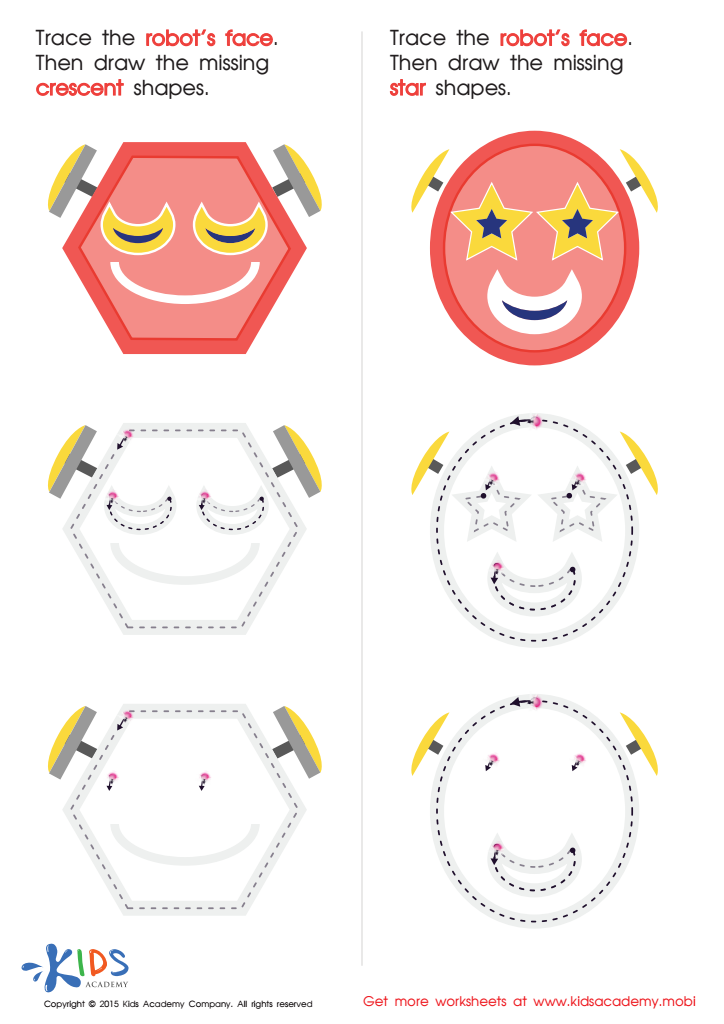
Composing a Robot's Face of Crescents And Stars Worksheet
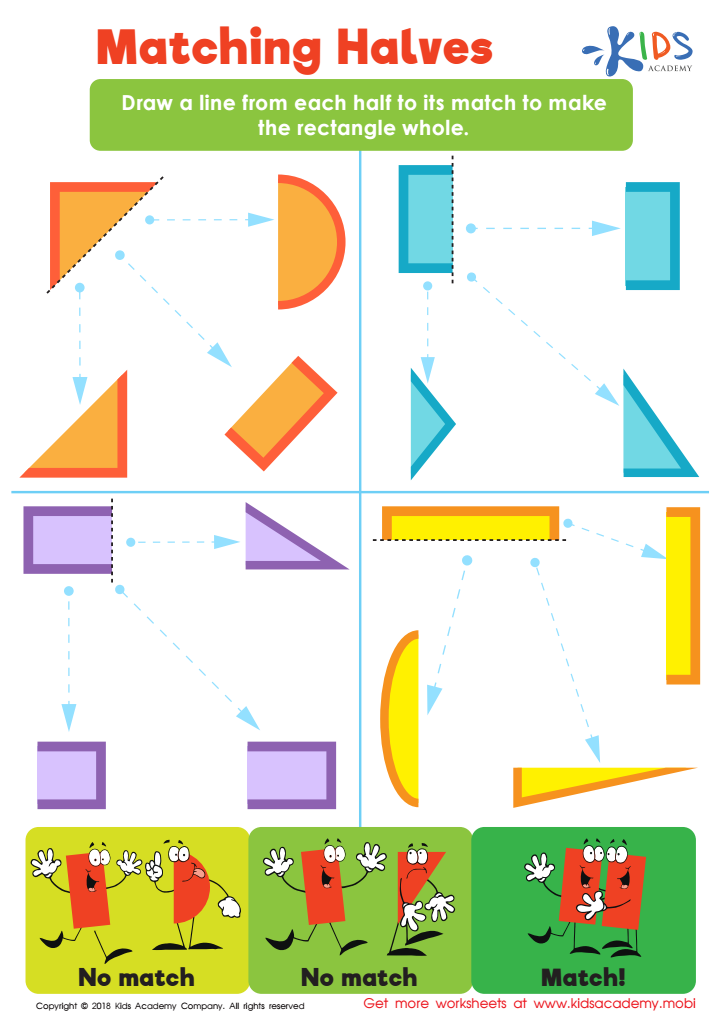
Matching Halves Worksheet
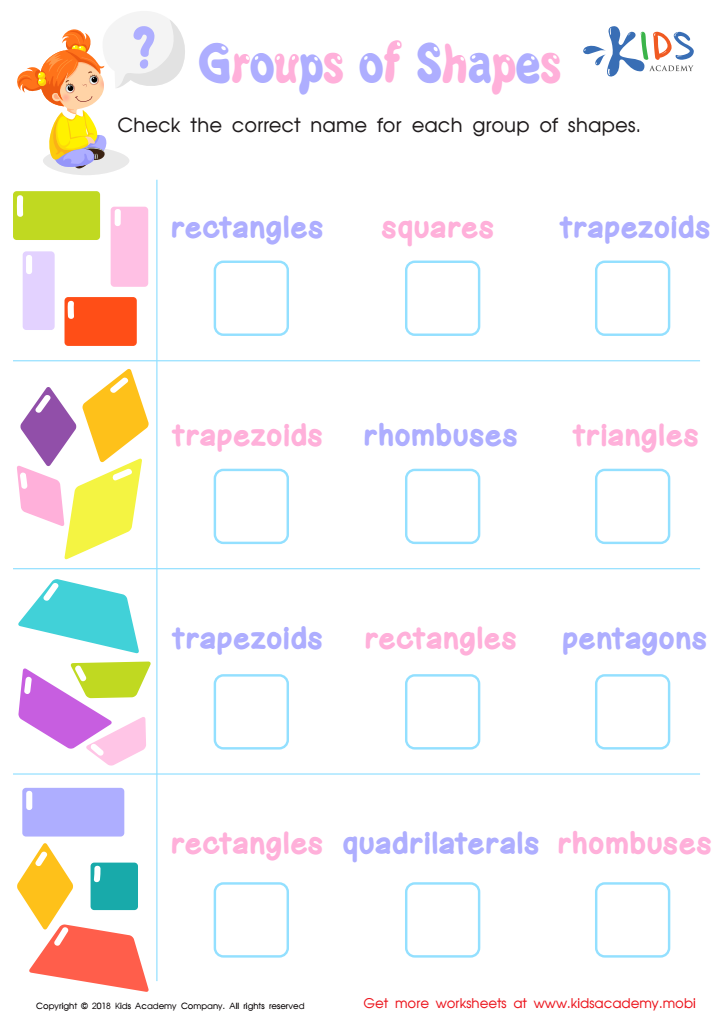
Groups of Shapes Worksheet
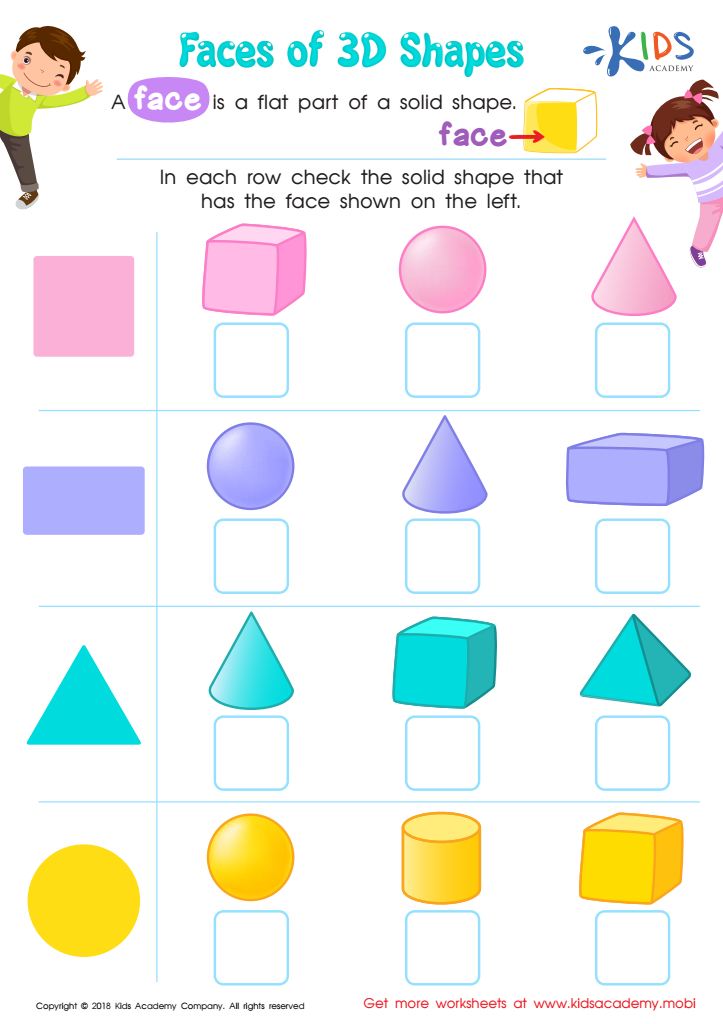
Faces of 3D Shapes Worksheet
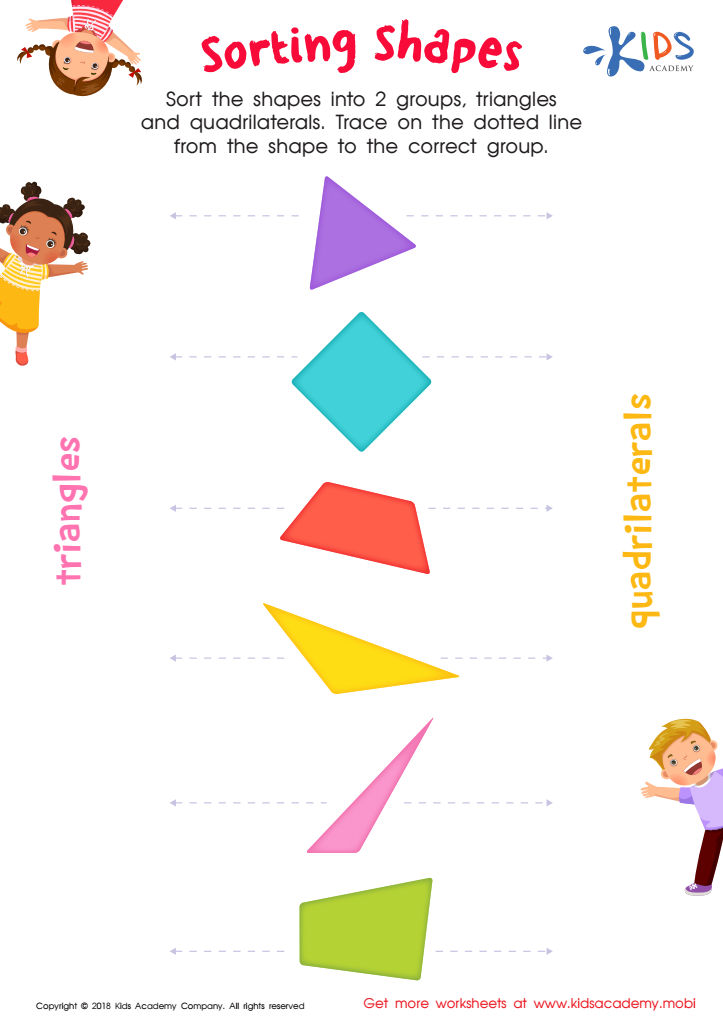
Sorting Shapes Worksheet
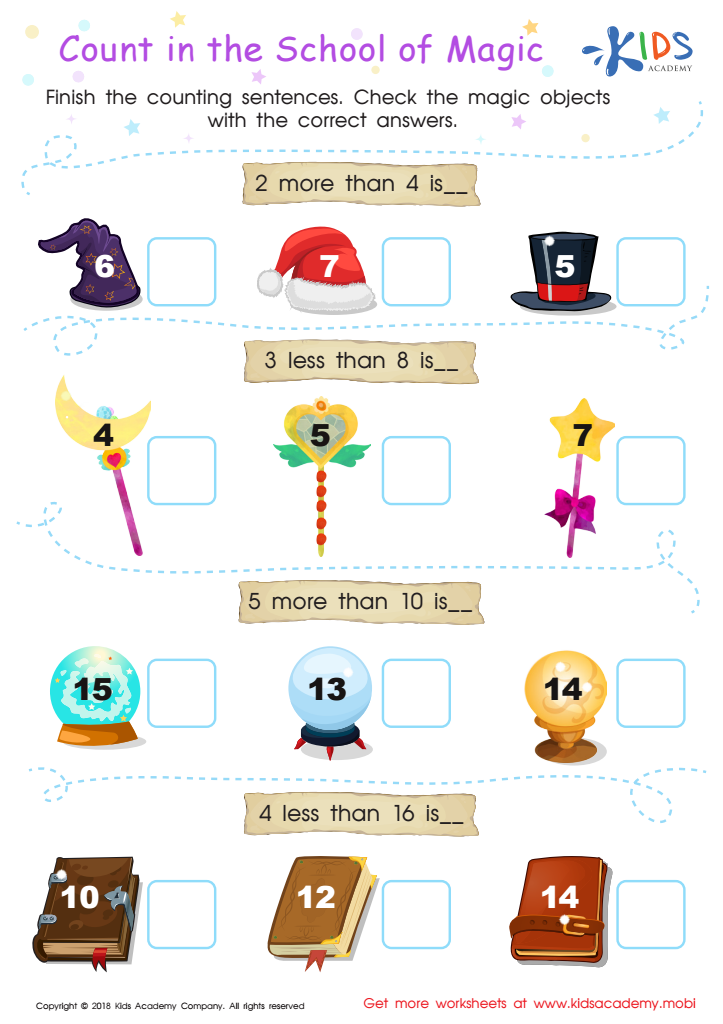
Count in the School of Magic Worksheet
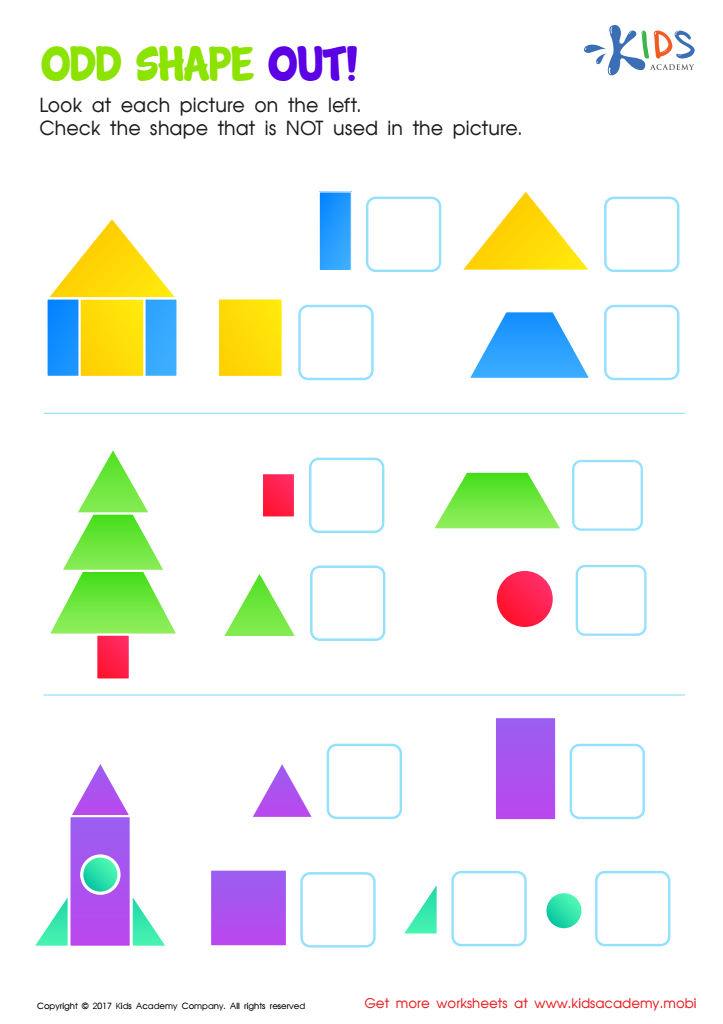
Odd Shape Out Worksheet for Grade 1
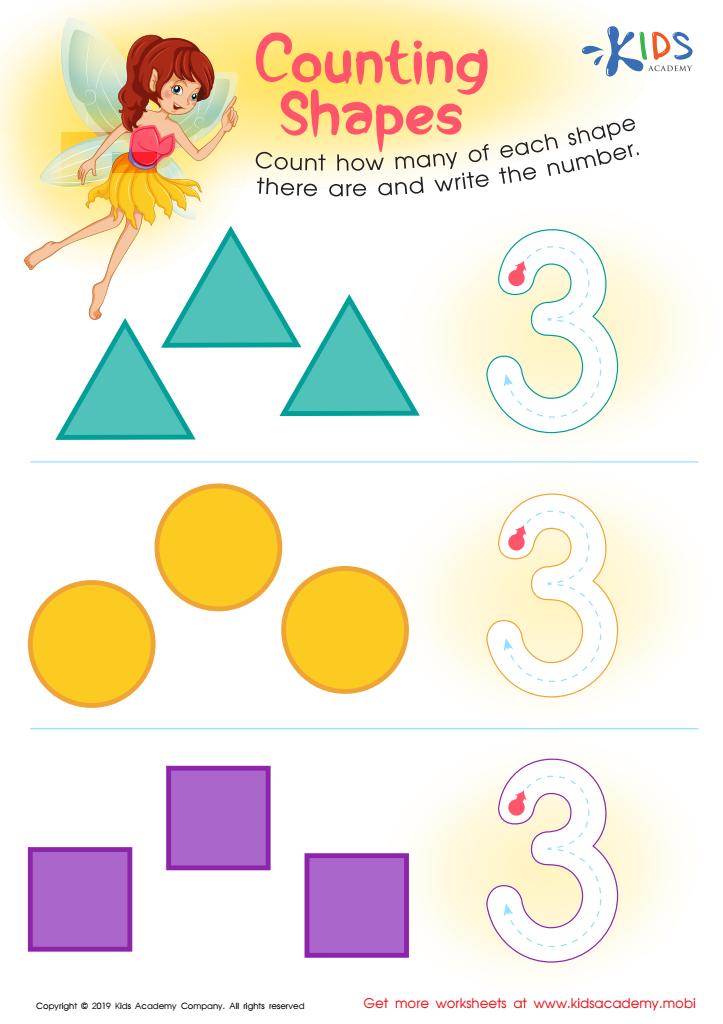
Counting Shapes Worksheet
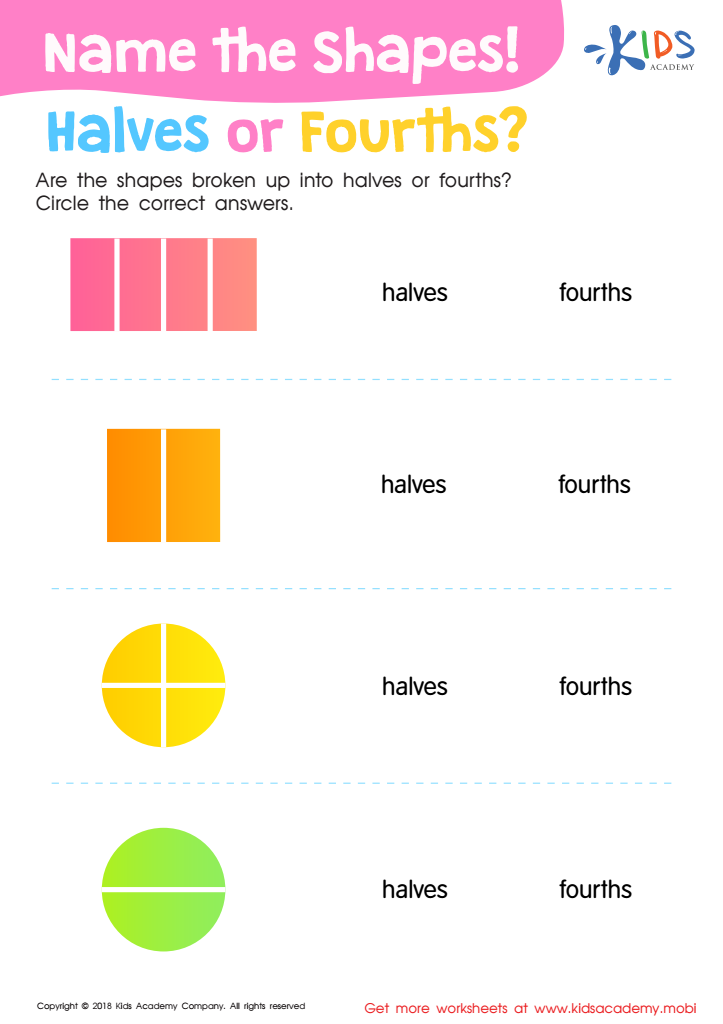
Name the Shapes Halves or Fourths? Worksheet
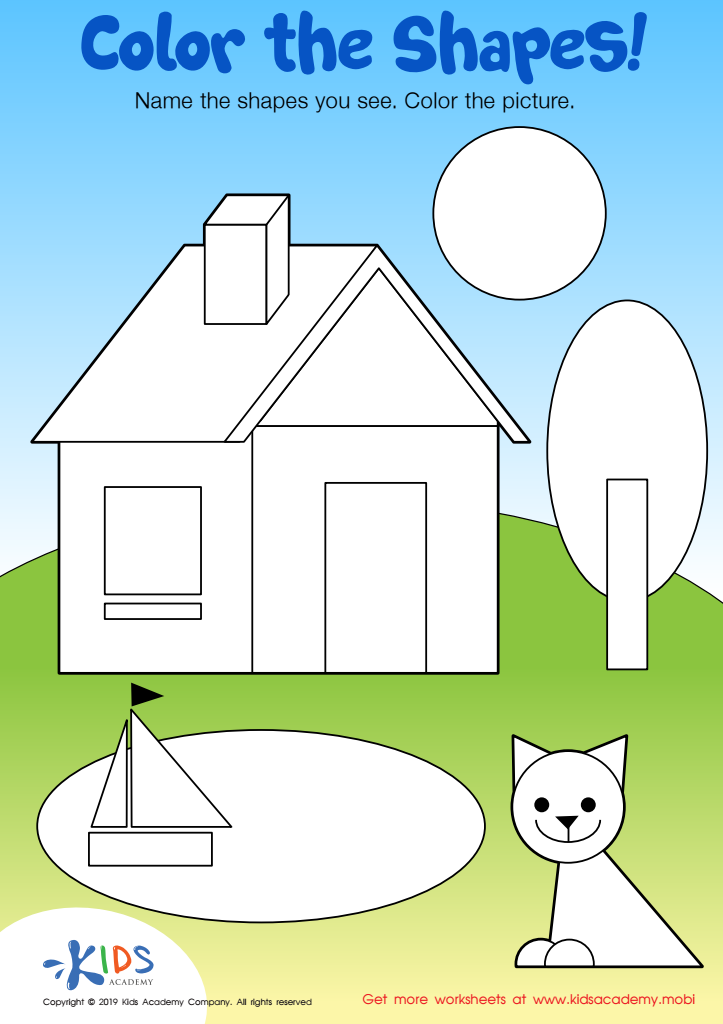
Color the Shapes Worksheet
 Assign to My Students
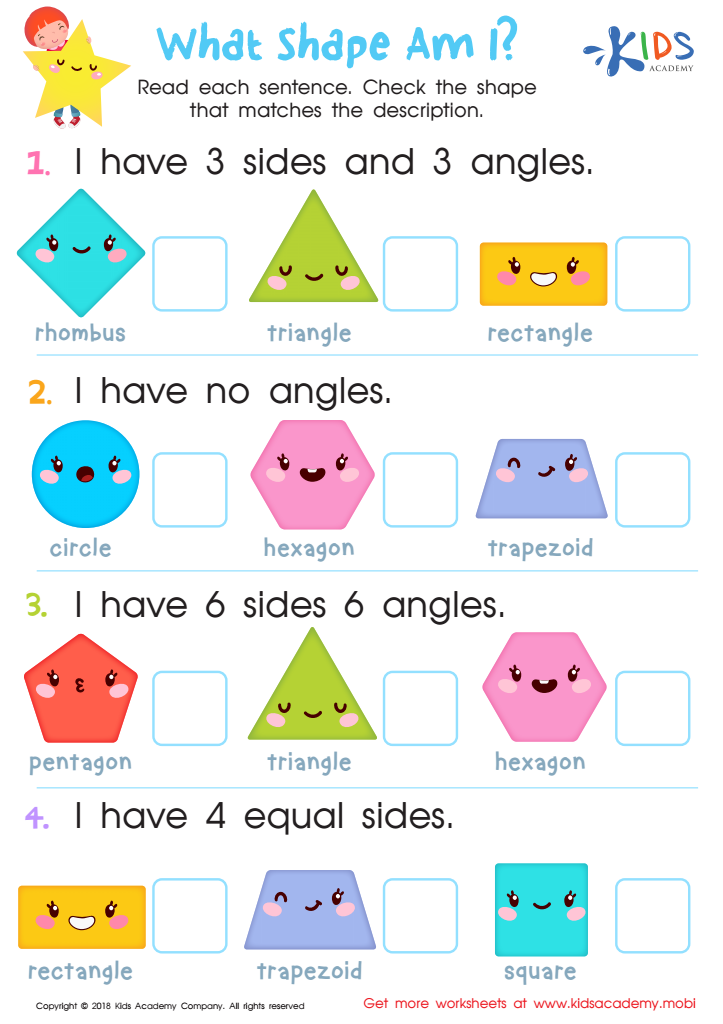
What Shape Am I? Worksheet
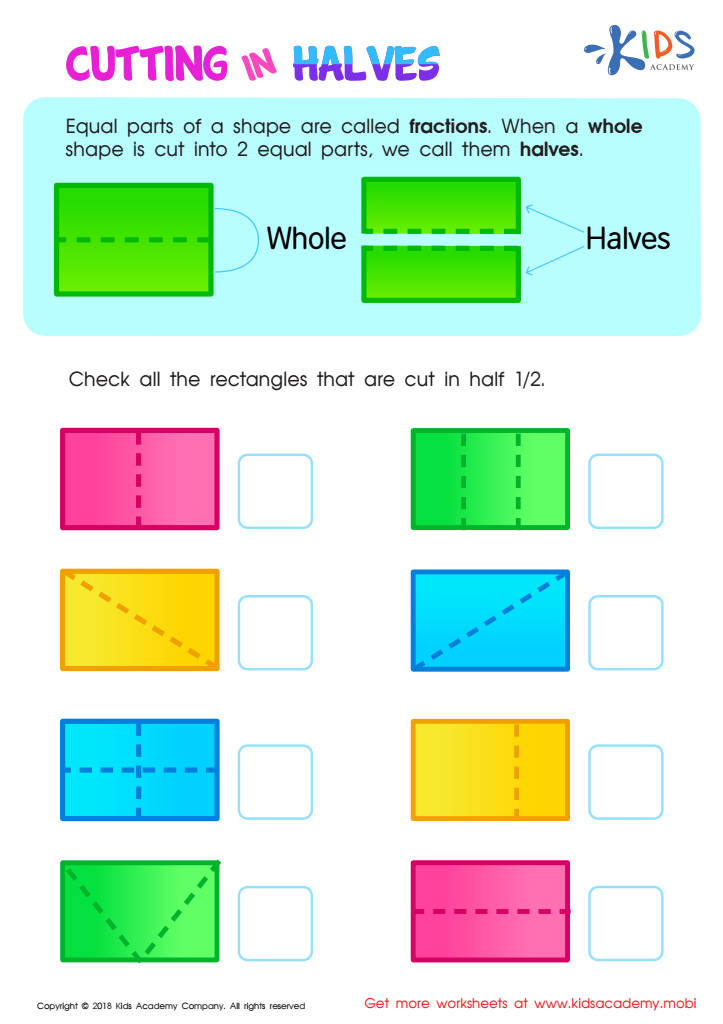
Cutting in Halves Worksheet
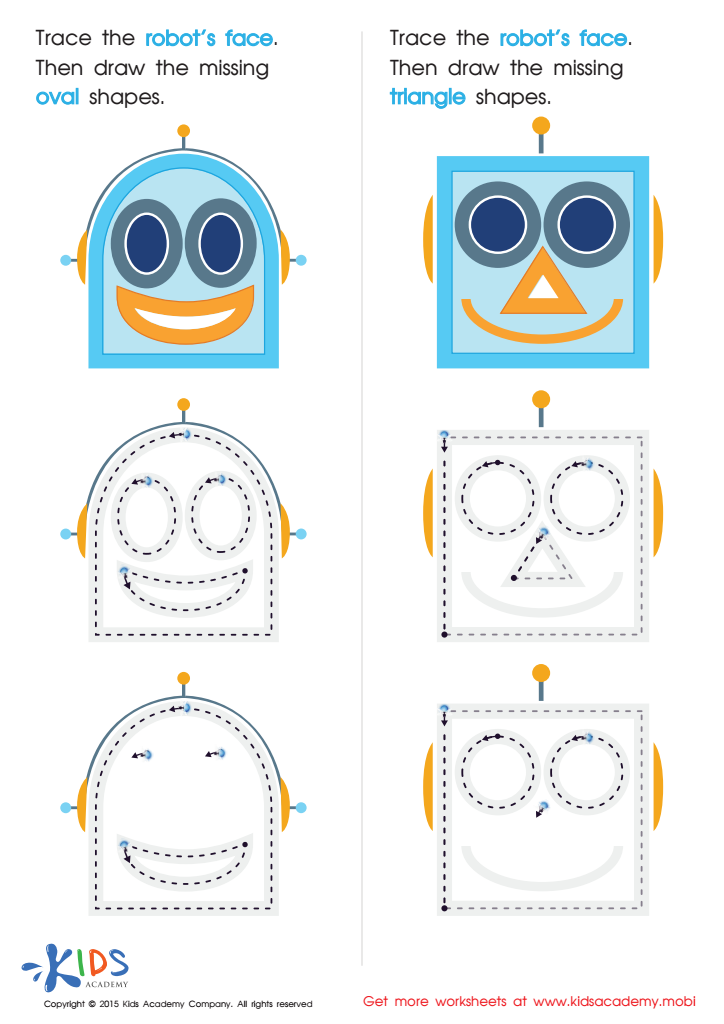
Drawing Ovals And Triangles with Fun Printable
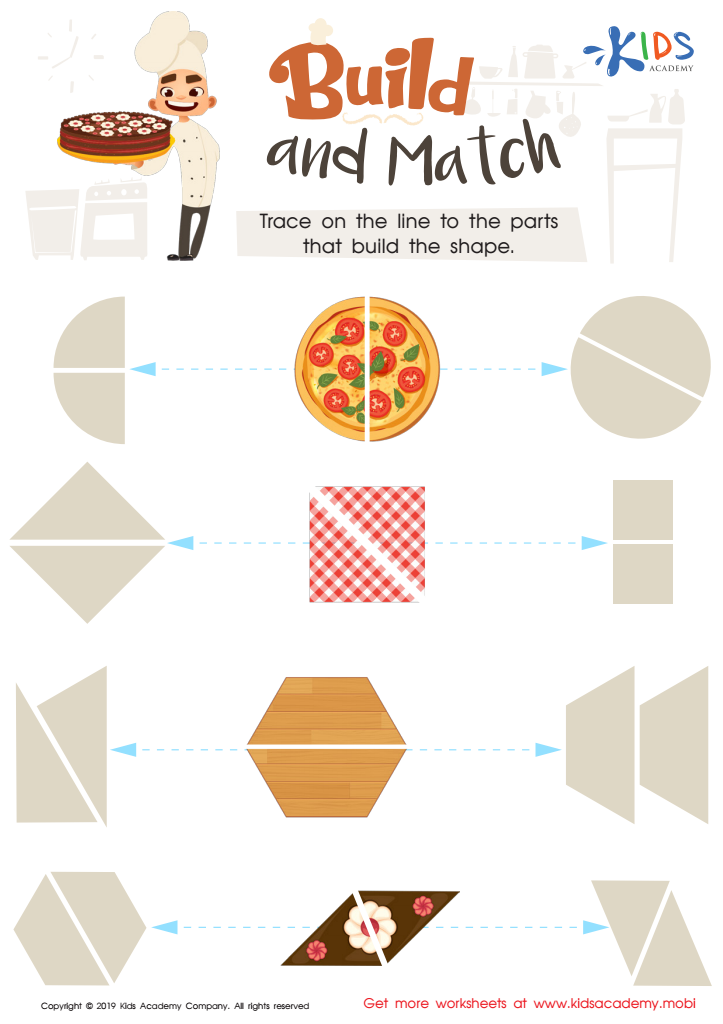
Build and Match Worksheet
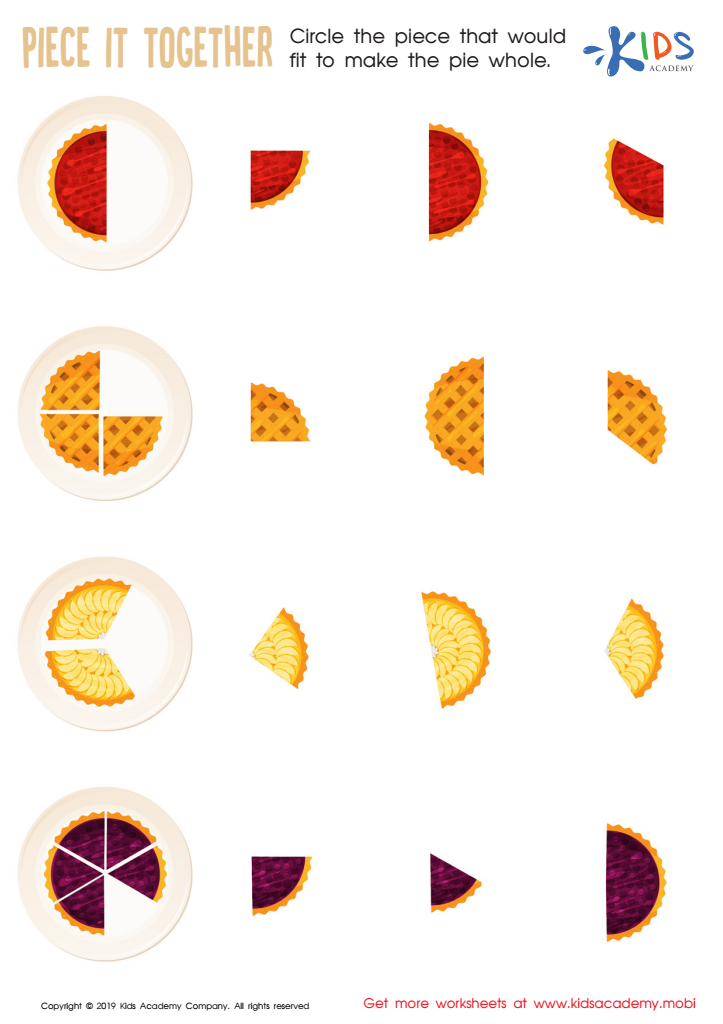
Piece it together Worksheet
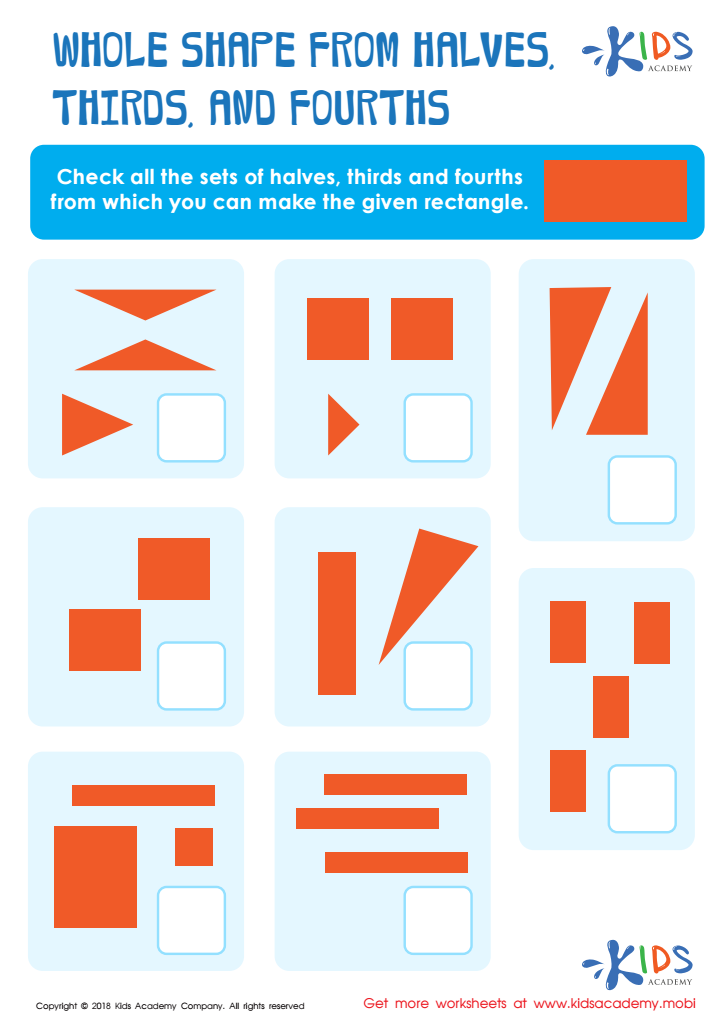
Whole Shape from Halves, Thirds and Fourths Worksheet
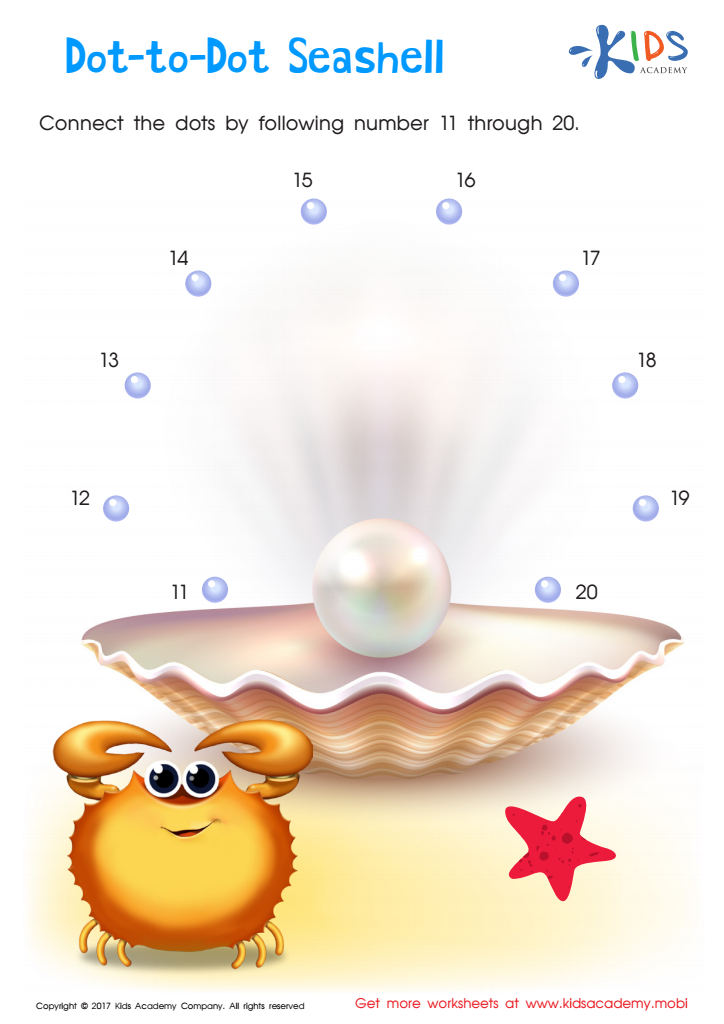
Ordering 11–20: Dot–to–dot Seashell Printable
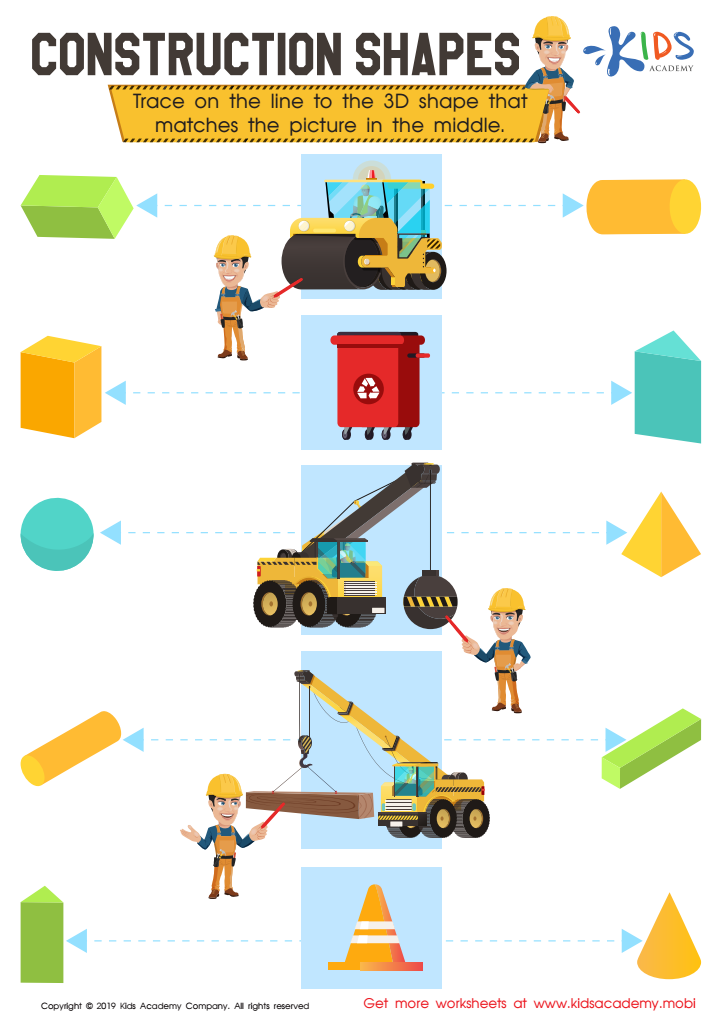
Construction Shapes Worksheet





Shape recognition is a fundamental skill that serves as a building block for mathematical understanding and cognitive development in early learners. For parents and teachers, fostering this skill is essential as it lays the foundation for geometry, spatial awareness, and problem-solving abilities. When children can identify and categorize shapes, they develop critical thinking skills that are applicable in various aspects of life.
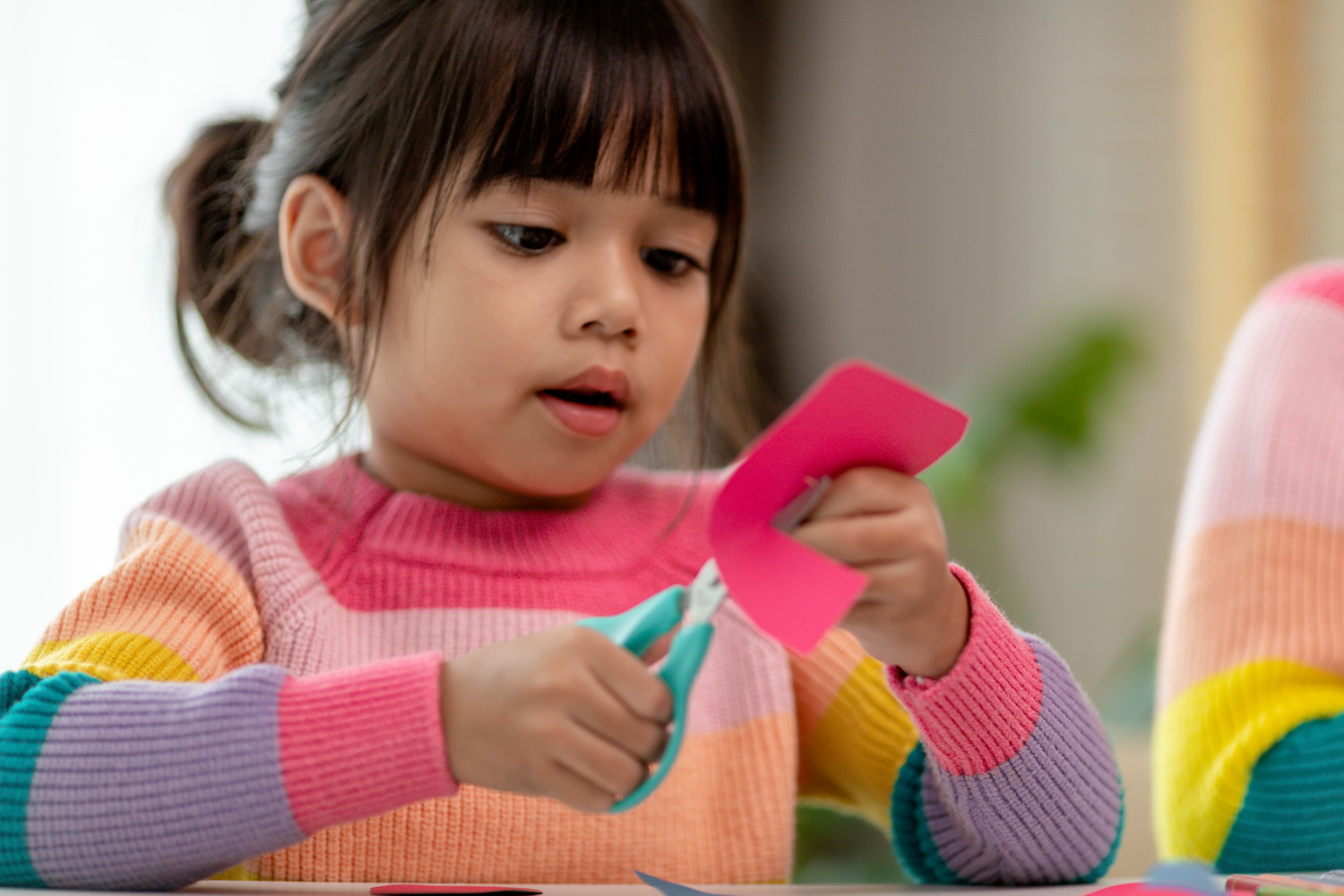
In addition, engaging in shape recognition activities can enhance fine motor skills and promote creativity. Activities like drawing, building with blocks, or using interactive toys encourage hands-on learning, making math concepts tangible and enjoyable.
Parents and teachers who prioritize shape recognition can help children grasp more complex mathematical ideas later on. The ability to visualize and manipulate shapes also supports skills in science and engineering, enhancing a child's overall educational experience. Furthermore, early exposure to shape-related concepts boosts confidence, encouraging a positive attitude toward learning and math in particular.
Ultimately, embracing shape recognition and easy math concepts not only promotes academic success but also fosters a love for learning, setting children on a path toward lifelong curiosity and achievement. Children benefit most in supportive environments that blend learning with play and exploration.








