Sorting skills Easy Math Worksheets
6 filtered results
-
From - To
Enhance your child's early mathematical understanding with our Sorting Skills Easy Math Worksheets! Designed for young learners, these engaging activities help kids develop essential sorting abilities, fostering their analytical thinking and organizational skills. Through vibrant illustrations and relatable themes, children can practice categorizing objects based on color, shape, size, and more. Our worksheets promote hands-on learning experiences that make mastering sorting both fun and effective. Perfect for use at home or in the classroom, these resources support early math education, enriching your child's foundational skills. Access the worksheets now and watch your little one thrive as they explore the world of sorting!
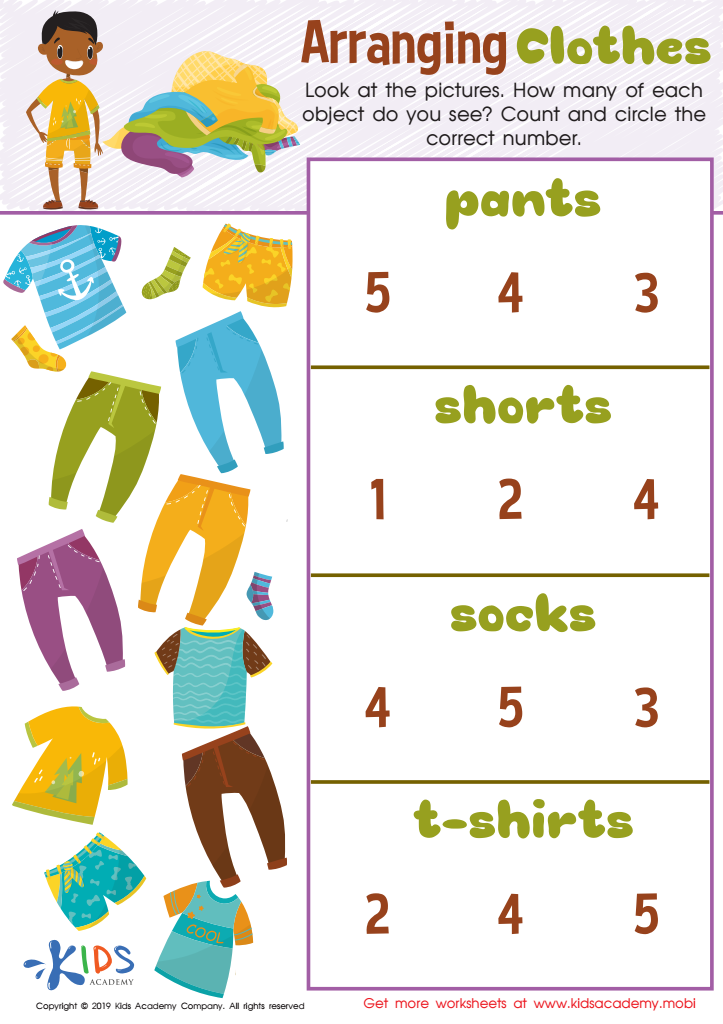
Arranging Clothes Worksheet
 Assign to My Students
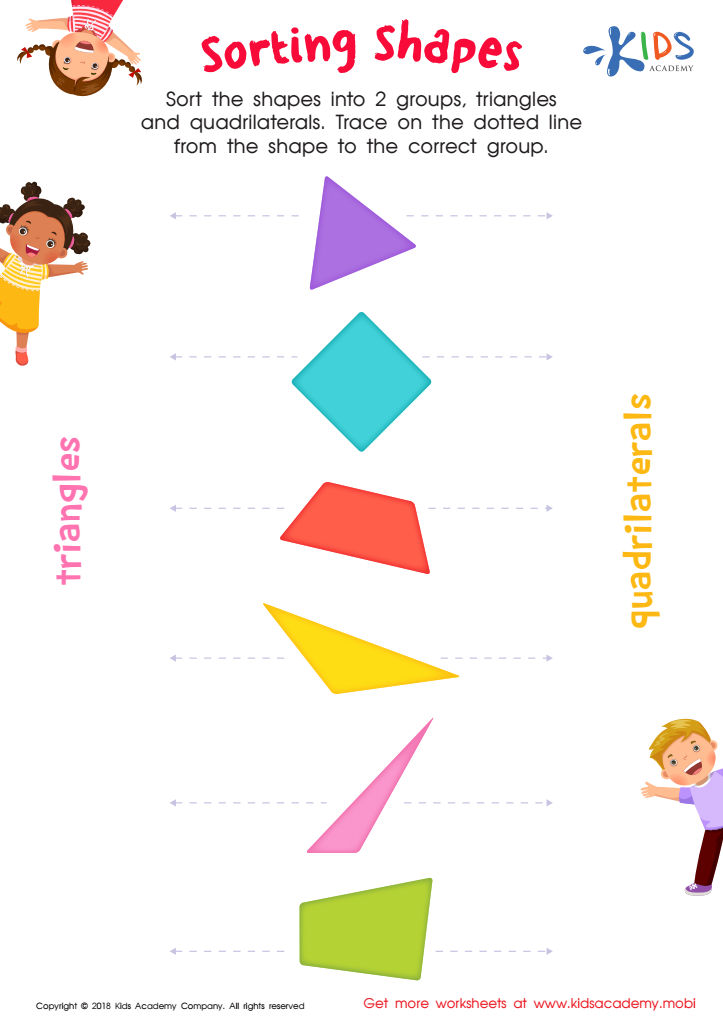
Sorting Shapes Worksheet
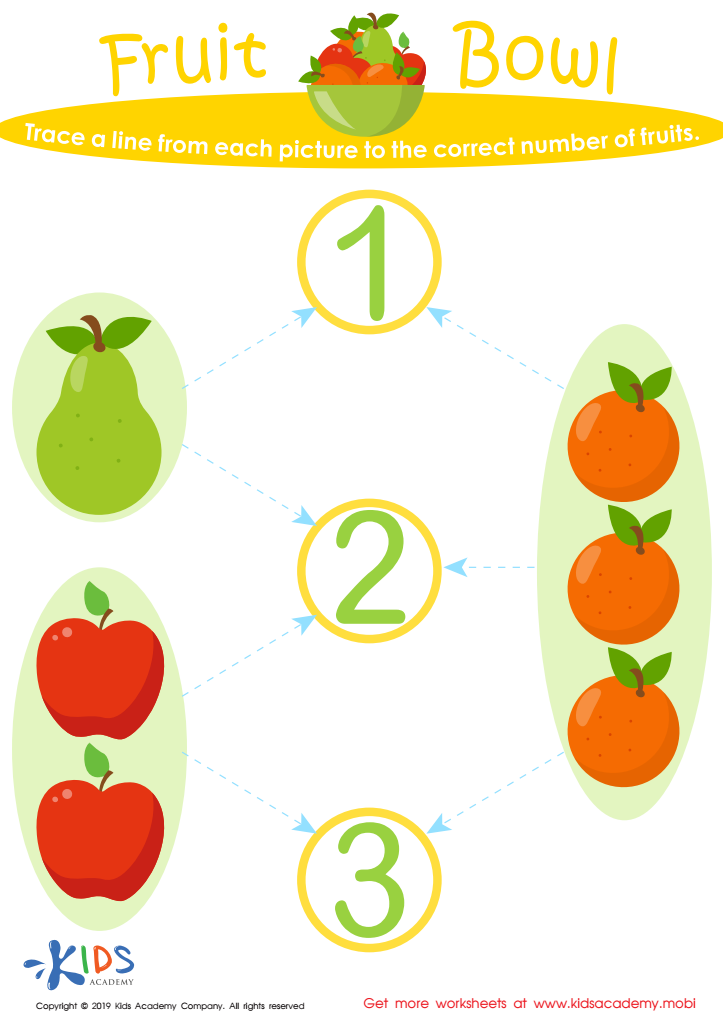
Fruit Bowl Worksheet
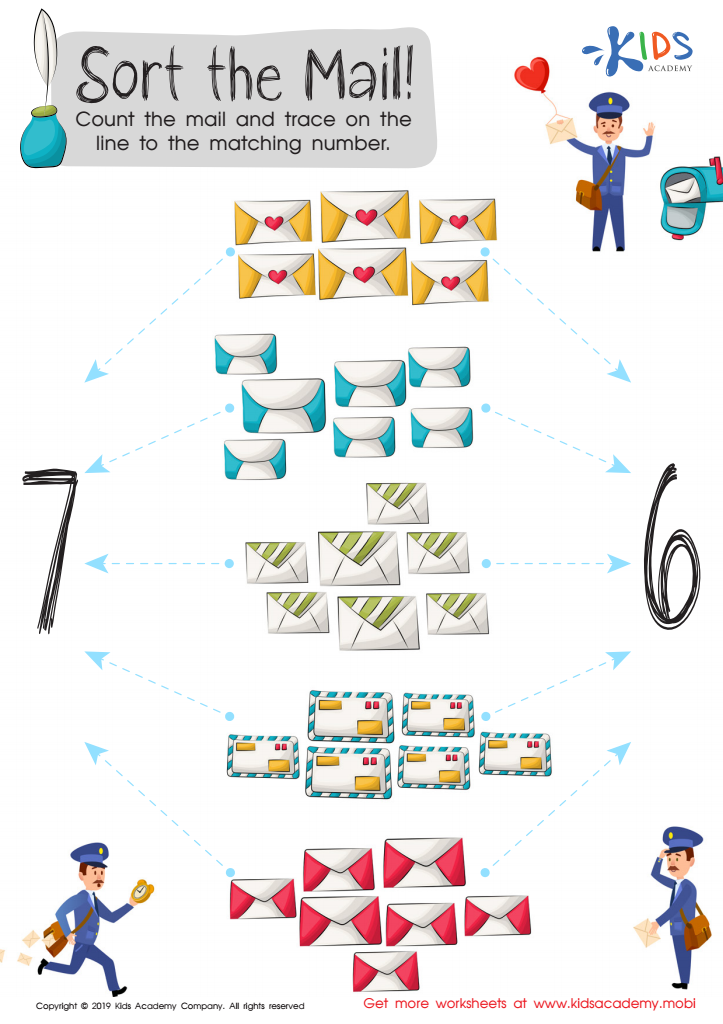
Sort the Mail Worksheet
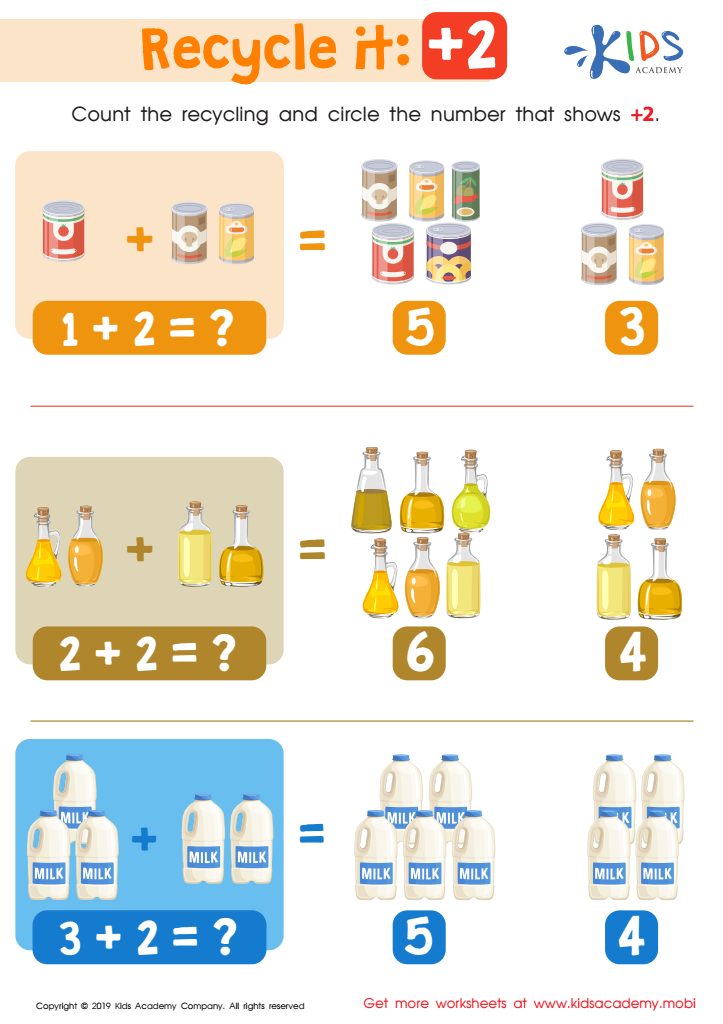
Recycle It: +2 Worksheet
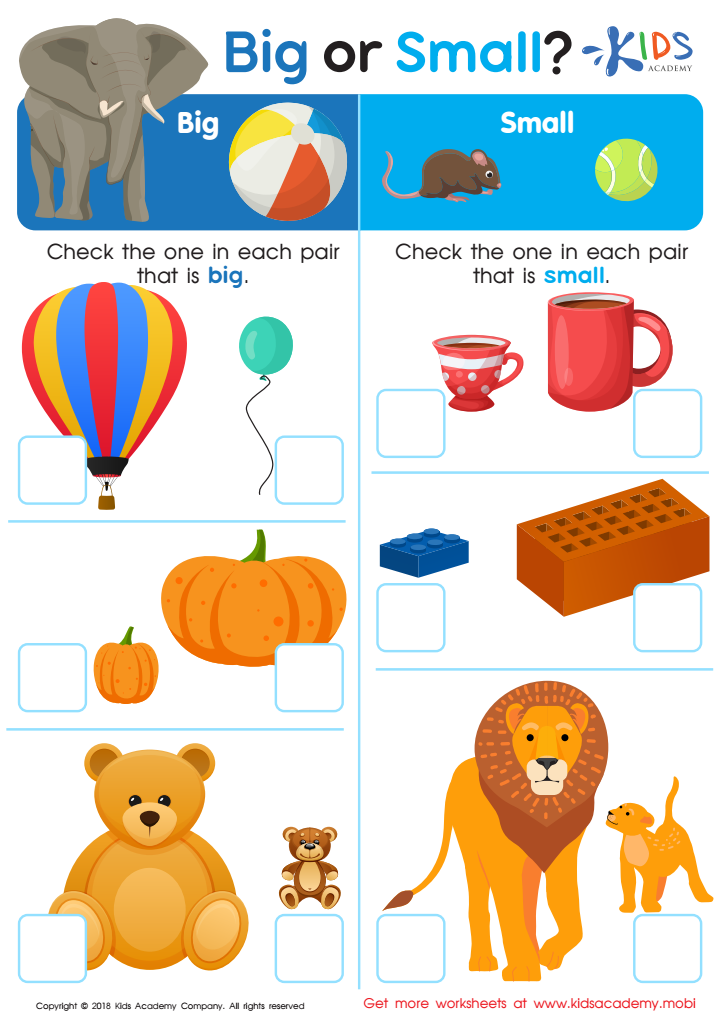
Big or Small? Worksheet







Sorting skills are foundational to early mathematical understanding and cognitive development. Parents and teachers should prioritize these skills for several reasons. Firstly, sorting is one of the first ways children learn to categorize and organize their environment, which enhances their problem-solving abilities. By engaging in sorting activities, children develop critical thinking skills as they learn to identify attributes, make decisions, and recognize patterns.
Moreover, sorting helps reinforce essential early math concepts, such as counting, comparing, and classifying. For instance, when children sort objects by color, size, or shape, they not only practice counting but also reinforce their understanding of data organization—skills they will later use in more complex math scenarios.
Additionally, sorting fosters language development. As children describe their sorting criteria, they practice vocabulary related to measurement and categorization, promoting language skills.
Finally, sorting nurtures social skills during group activities, encouraging collaboration and communication among peers. In an increasingly data-driven world, early sorting experiences lay the groundwork for future success in more advanced math concepts, making it crucial for educational growth. Parents and teachers should recognize the importance of these skills as they prepare children for formal education and real-life problem-solving experiences.








