Data interpretation Easy Measurement Worksheets
7 filtered results
-
From - To
Enhance your child's data interpretation skills with our Easy Measurement Worksheets! Perfect for early learners, these engaging worksheets introduce fundamental concepts in measurement and data collection through fun activities. Students will practice reading scales, interpreting graphs, and analyzing measurements in a clear and enjoyable way. Designed for varying skill levels, our worksheets encourage critical thinking and help build a strong mathematical foundation. Parents and educators will find these resources invaluable for reinforcing classroom learning at home. Explore our collection and make data interpretation a breeze for young minds! Get started today for a fun learning experience!
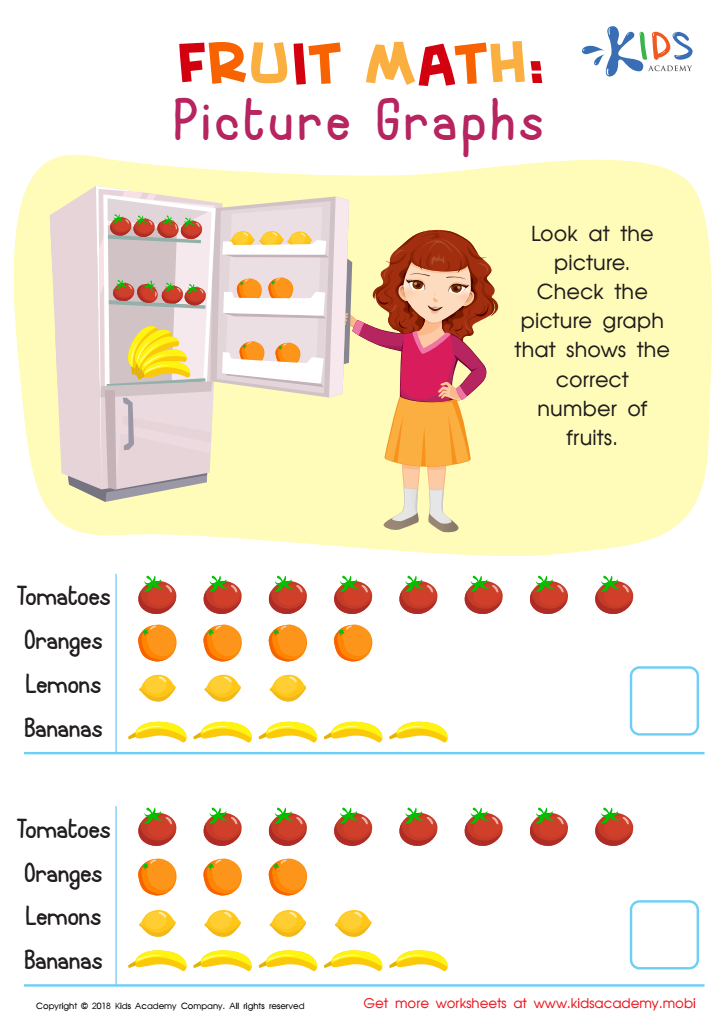
Fruit Math: Picture Graphs Worksheet
 Assign to My Students
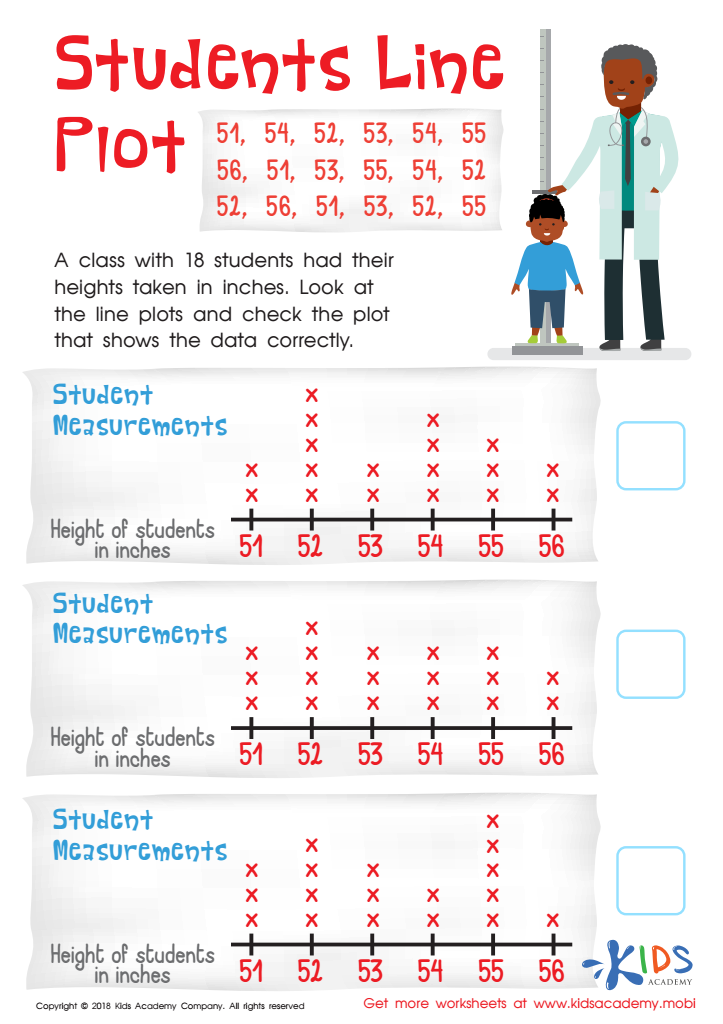
Students Line Plot Worksheet
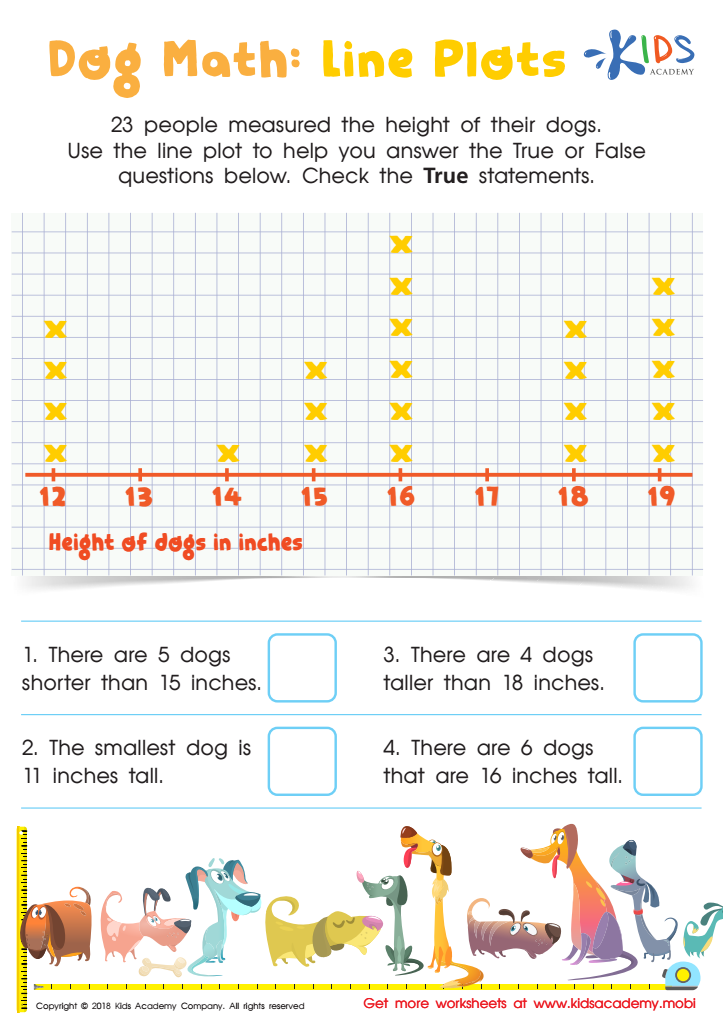
Dog Math: Line Plots Worksheet
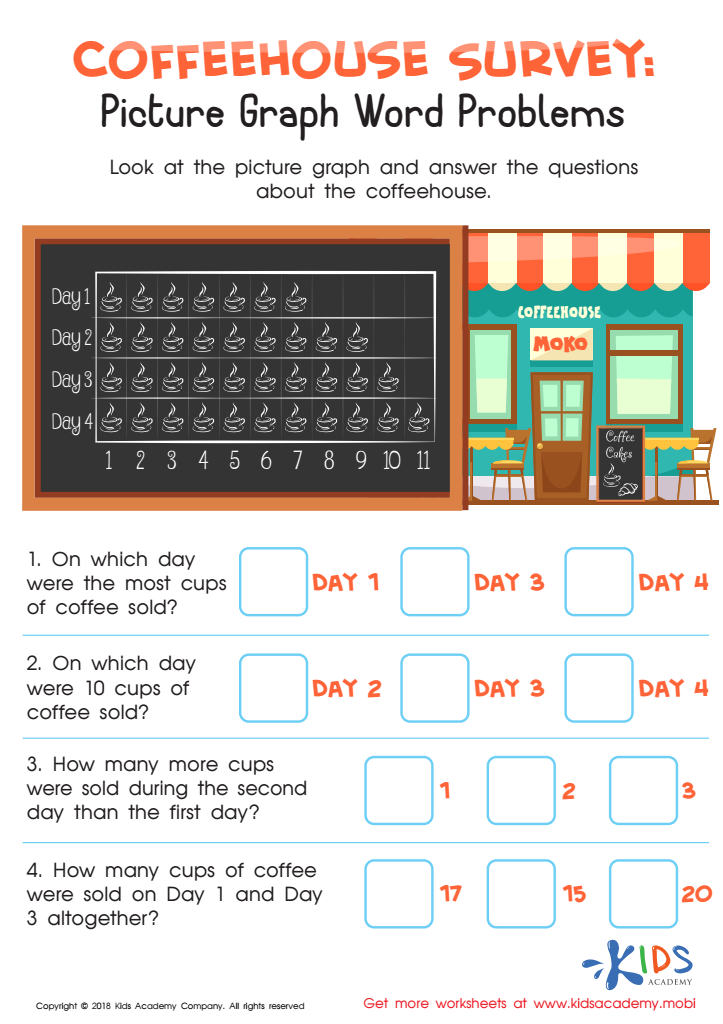
Coffeehouse Survey: Picture Graph Word Problems Worksheet
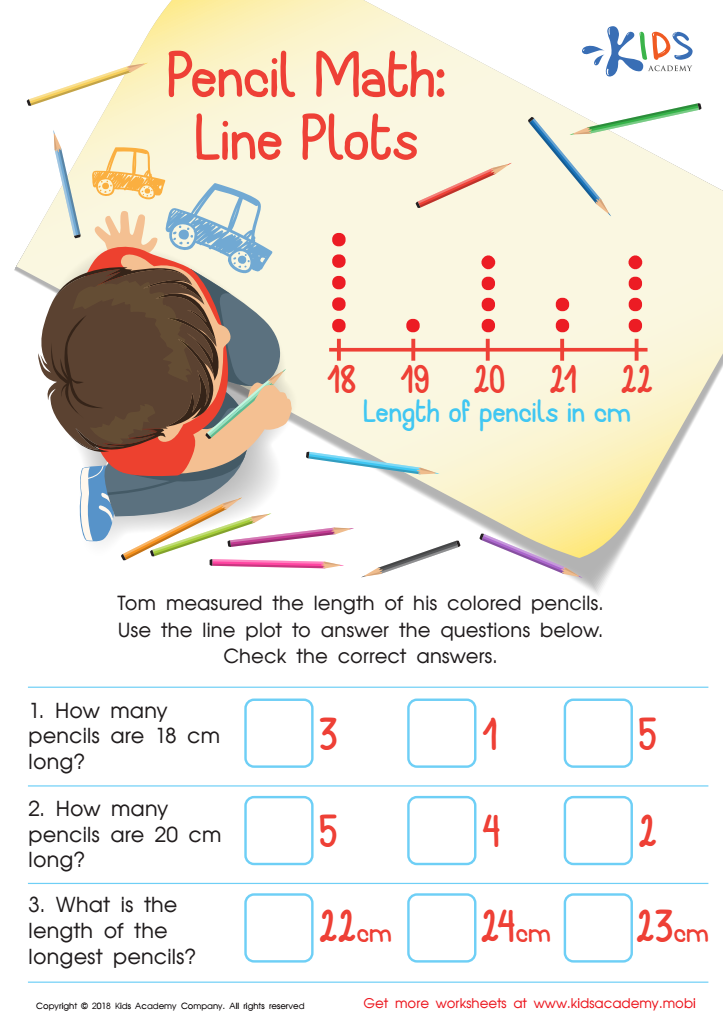
Pencil Math: Line Plots Worksheet
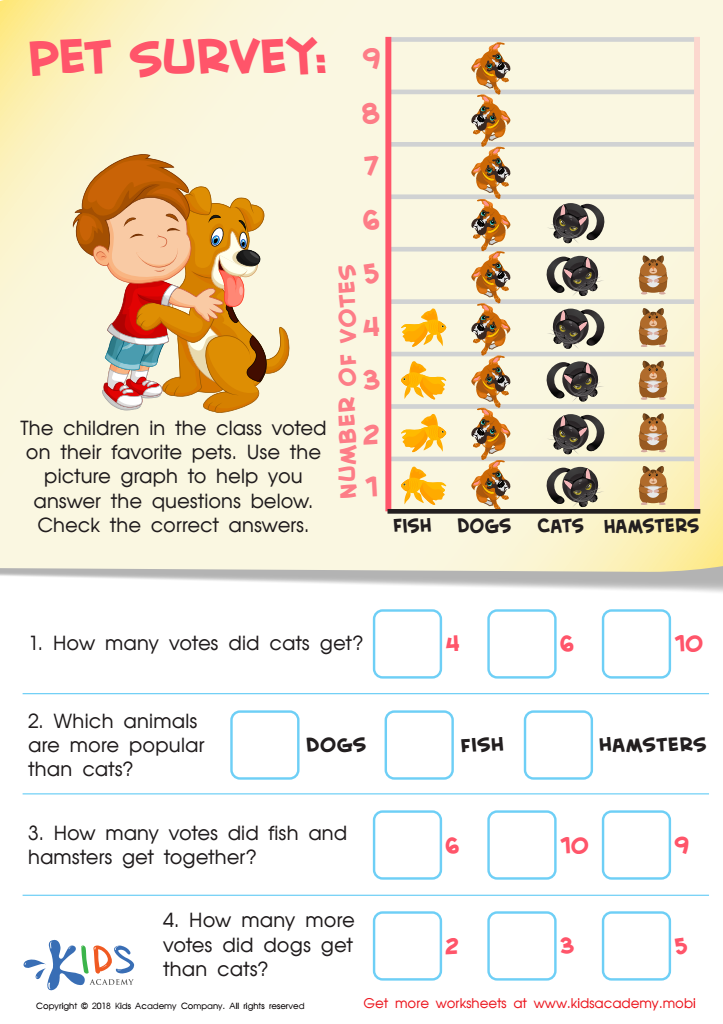
Pet Survey Worksheet
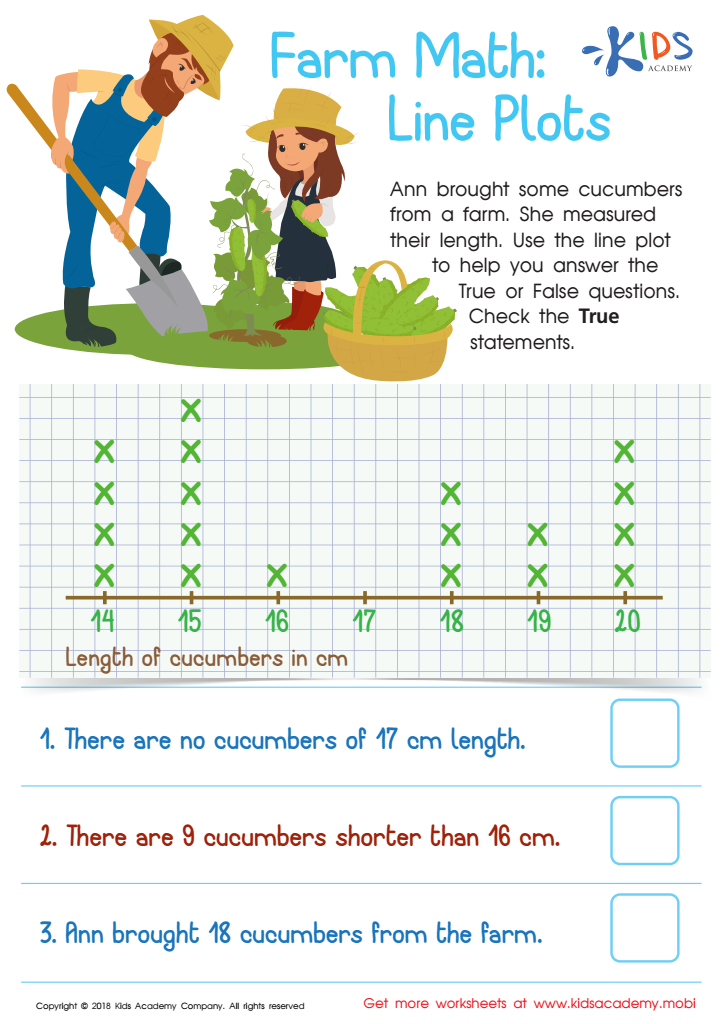
Farm Math: Line Plots Worksheet








Data interpretation is a crucial skill for both parents and teachers, as it helps foster critical thinking, analytical abilities, and informed decision-making in children. By focusing on data interpretation in early education, we empower students to understand and make sense of the information around them, which is vital in our technology-driven world.
Parents and teachers need to care about easy measurement and data interpretation because these skills enable children to comprehend statistics and graphs that they will encounter throughout their education and daily lives. Making sense of data equips them to assess situations, draw conclusions, and tackle problems effectively. For example, a child learning to read graphs will better understand survey results or trends in academic performance.
Furthermore, engaging with data fosters curiosity and communication skills. When families and educators discuss data set results, they model how to ask questions, analyze information, and share findings. This collaboration enhances the learning experience and prepares children for future academic and professional pursuits.
Ultimately, prioritizing data interpretation and measurement in early education lays a strong foundation for logical reasoning, critical thinking, and adaptability—skills that remain essential throughout life. By nurturing these capabilities, parents and teachers significantly impact children’s intellectual growth and readiness for the future.








