Color recognition Easy Preschool Worksheets - Page 2
27 filtered results
-
From - To
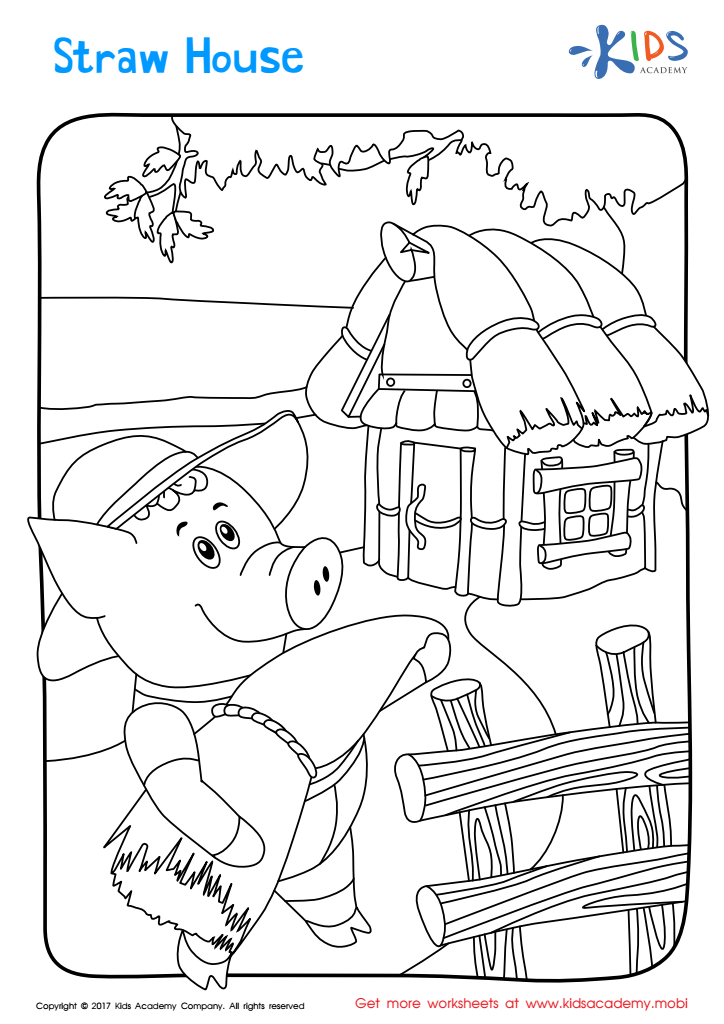
Straw House Printable Coloring Page
 Assign to My Students
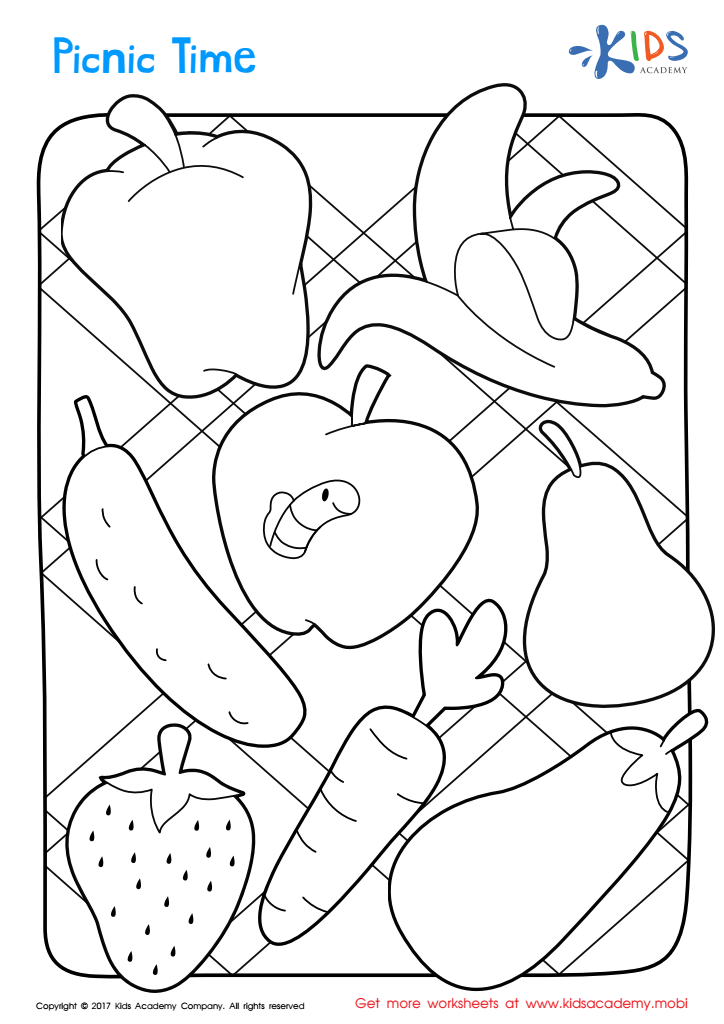
Picnic Time Coloring Page
Assign to My Students








Color recognition is a foundational skill for preschoolers that significantly impacts their cognitive development and learning processes. Parents and teachers should prioritize this skill as it lays the groundwork for future academic success. Recognizing colors enhances children's observational skills, allowing them to notice differences and similarities in their environment, which is essential for subjects like science and art.
Additionally, color recognition plays a crucial role in language development. As children learn to identify and name colors, they are also expanding their vocabulary and improving their communication skills. This practice encourages verbal interactions between parents, teachers, and children, fostering stronger relationships and a supportive learning environment.
Moreover, engaging with colors through various activities can boost creativity and imagination. By incorporating colors into playtime, art projects, and educational games, teachers and parents can provide fun, hands-on experiences that make learning enjoyable.
Furthermore, color recognition aids in cultural understanding, as colors often hold symbolic meanings in different societies. By helping children explore and understand colors, parents and teachers are equipping them with essential tools for expressing themselves and understanding the world around them. Overall, color recognition is crucial in nurturing well-rounded, confident learners ready for the future.