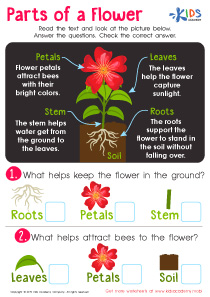
Sequencing Skills Easy Reading Fiction Worksheets
3 filtered results
-
From - To
Enhance your child's reading comprehension with our "Sequencing Skills Easy Reading Fiction Worksheets." Designed for early learners, these engaging worksheets focus on the crucial skill of sequencing, helping students understand the order of events in stories. Through fun activities and relatable texts, children will practice identifying chronological sequences, improving their narrative skills and comprehension strategies. Each worksheet offers a variety of formats, ensuring a diverse and interactive learning experience. Perfect for classroom use or at-home practice, these worksheets will make reading enjoyable while promoting essential skills. Get started today and watch your child's confidence in reading grow!
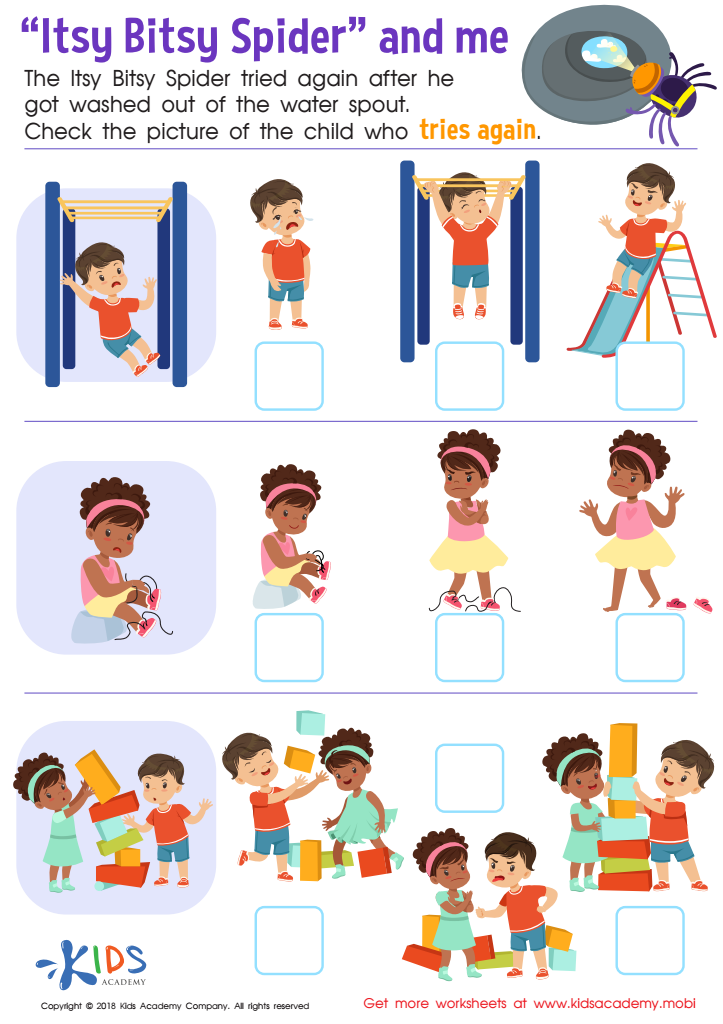
Itsy Bitsy Spider and Me Worksheet
 Assign to My Students
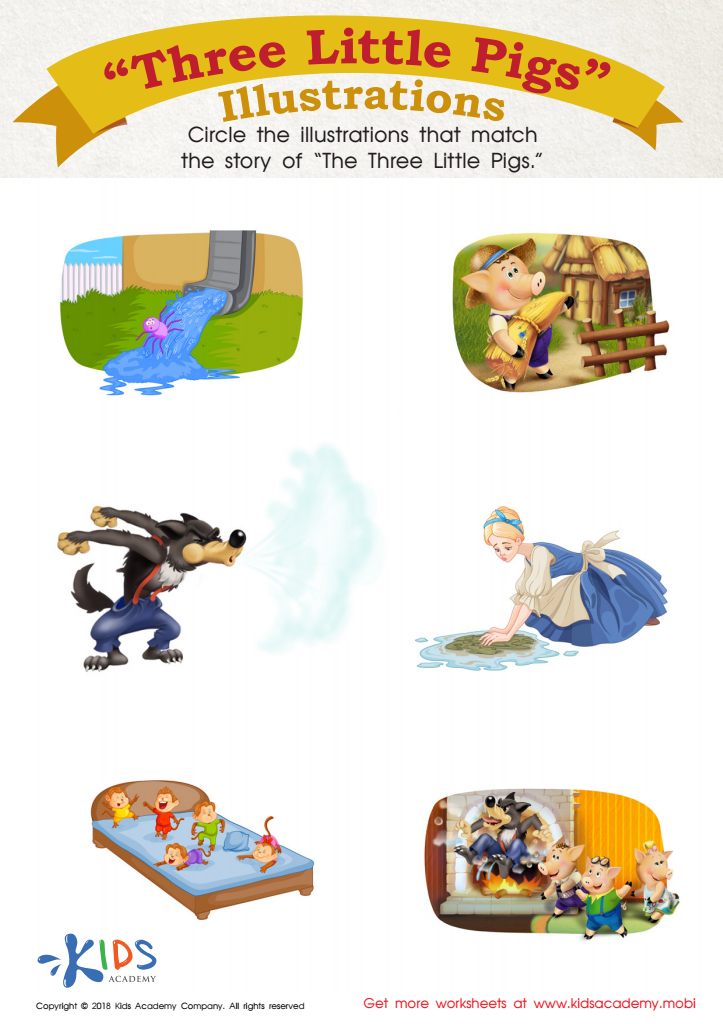
Three Little Pigs: Illustrations Worksheet
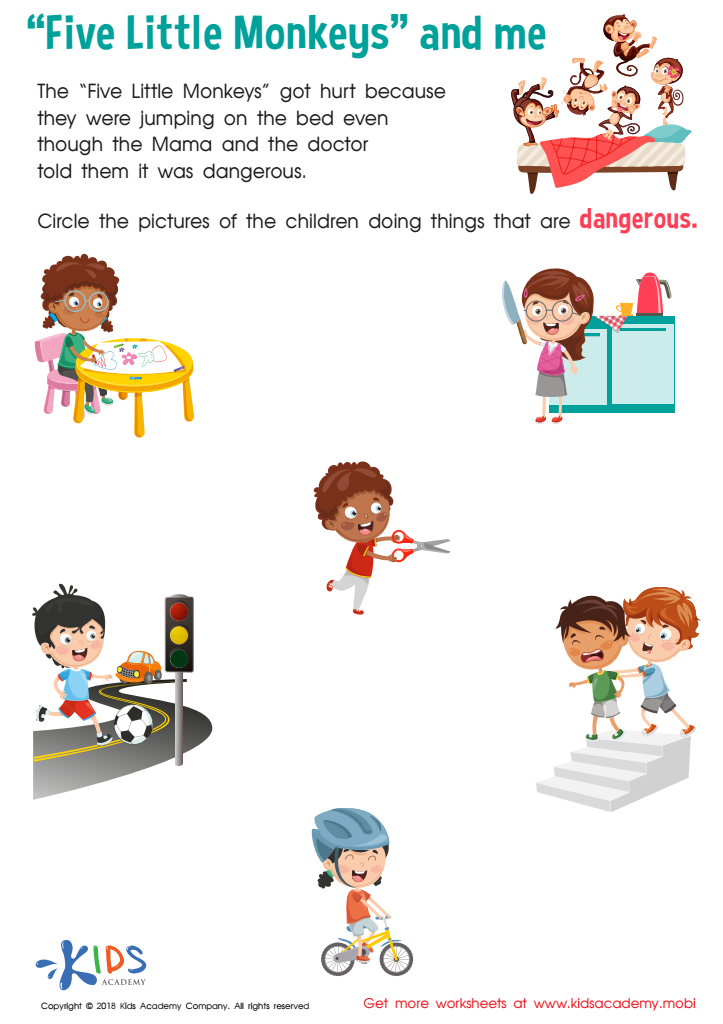
Five Little Monkeys and Me Worksheet







Sequencing skills are crucial for early readers, particularly when engaging with easy reading fiction. These skills involve the ability to understand and recall the order in which events occur in a story, which significantly aids comprehension. For parents and teachers, fostering strong sequencing skills enhances a child's critical thinking and narrative abilities, laying the groundwork for more complex reading and writing tasks later on.
Sequencing helps kids identify key components of a story: the beginning, middle, and end. This skill not only aids in their ability to follow plots and make predictions but also improves retention and recall, making discussions about texts more meaningful. Additionally, sequencing supports the development of vocabulary, as children learn to tie words and phrases to events or actions in a structured way.
Moreover, when children practice sequencing—whether through storytelling, retelling books, or engaging in activities that require ordering events—they learn to organize their thoughts, which is a vital skill in both academic settings and daily life. By prioritizing sequencing skills in early reading practices, parents and teachers empower children to become more confident readers and thinkers, ultimately fostering a lifelong love of learning.