Vocabulary enhancement Easy Reading Fiction Worksheets
6 filtered results
Difficulty Level
Grade
Age
-
From - To
Subject
Activity
Standards
Enhance your child's vocabulary skills with our engaging Easy Reading Fiction Worksheets! Designed for early learners, these worksheets feature captivating stories that spark imagination and promote language development. Each activity focuses on vocabulary enhancement, helping young readers expand their word bank while having fun. Children will explore new words in context, fostering better comprehension and retention. Ideal for classroom or at-home learning, our worksheets provide essential practice through creative activities and exercises. Start your child’s journey towards becoming a confident reader today—download our Vocabulary Enhancement Easy Reading Fiction Worksheets and watch their language skills flourish!
Favorites
With answer key
Interactive
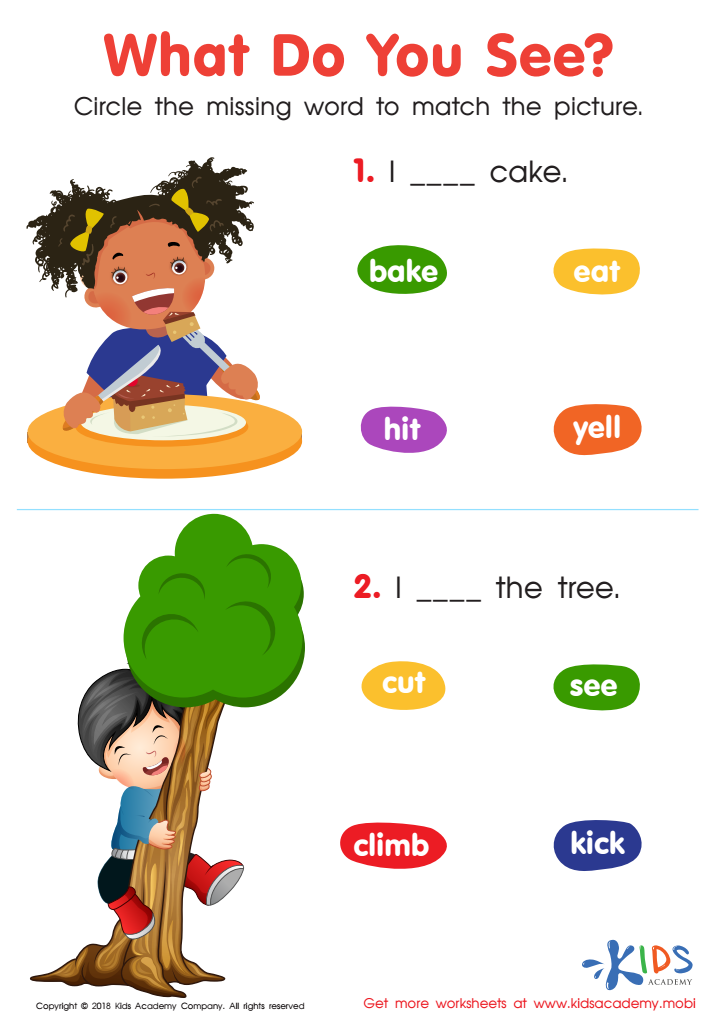
What Do You See? Reading Worksheet
New readers can use the attractive pictures and high-frequency words on this worksheet to practice expressive language skills and decode as they fill in the blanks. As they circle the correct words, they'll feel like reading superstars!
What Do You See? Reading Worksheet
Worksheet
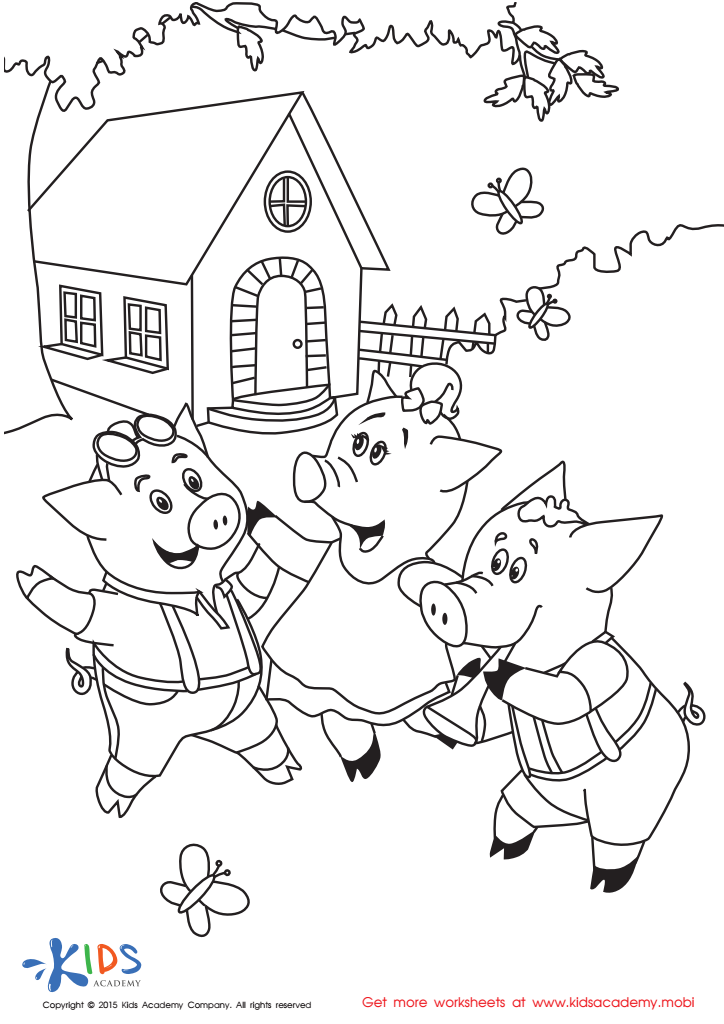
Folktales Printable PDF Worksheet: The 3 Little Pigs
Then, help your child to color the scene with pink piglets, blue sky and green grass. Make the brick house bright and vivid. Enjoy!
Download (PDF)
 Assign to My Students
Assign to My Students
Folktales Printable PDF Worksheet: The 3 Little Pigs
Worksheet
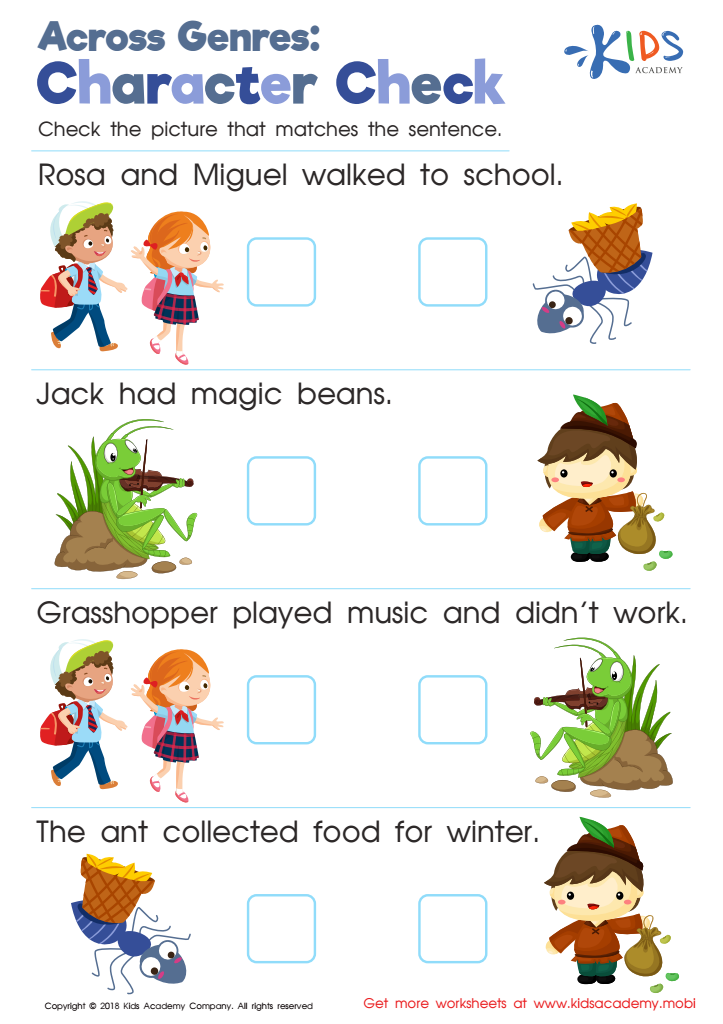
Across Genres: Character Check Worksheet
Read the sentences to your kids, then have them match the pictures to them. Ask them to look at the pictures and help them check which one goes with the sentence. The aim is to see how well they can do this exercise. (80 words)
Across Genres: Character Check Worksheet
Worksheet
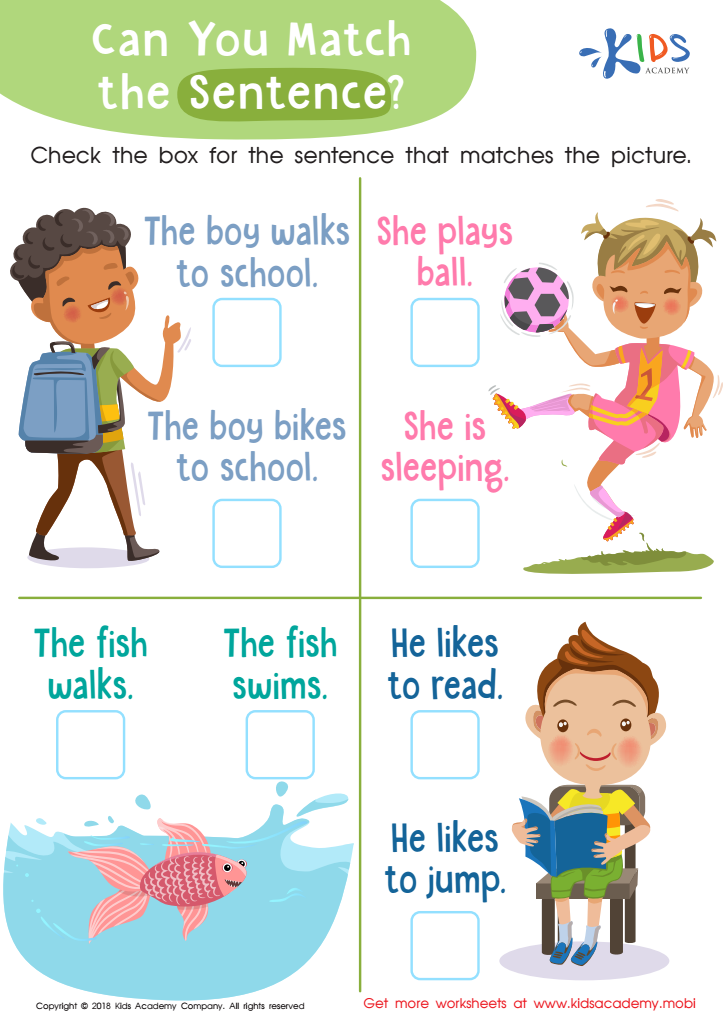
Can You Match the Sentence? Worksheet
Kids gain fluency with this worksheet which uses bright pictures. They select the sentence that matches the image and check the box. This repetition of words and phrases helps them improve their reading skills while having fun.
Can You Match the Sentence? Worksheet
Worksheet
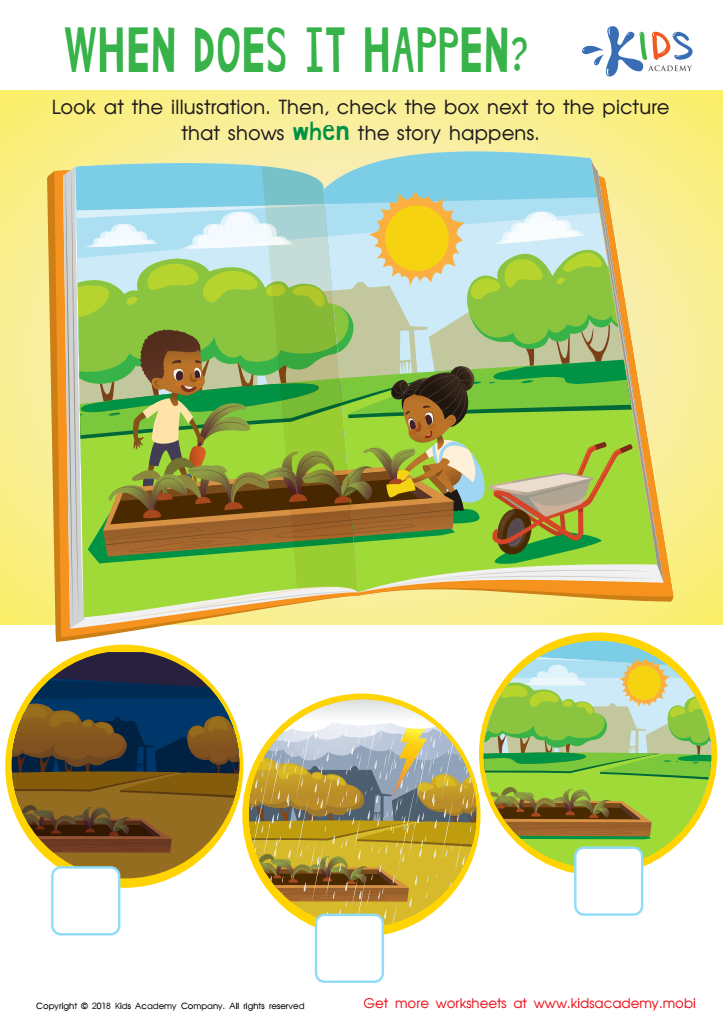
When Does It Happen? Worksheet
Help your kids learn about the different times of day and when events occur using this worksheet. Ask them to look at the pictures and determine which box shows when the story happened. Then, discuss how they can use this knowledge to better describe events that occur.
When Does It Happen? Worksheet
Worksheet
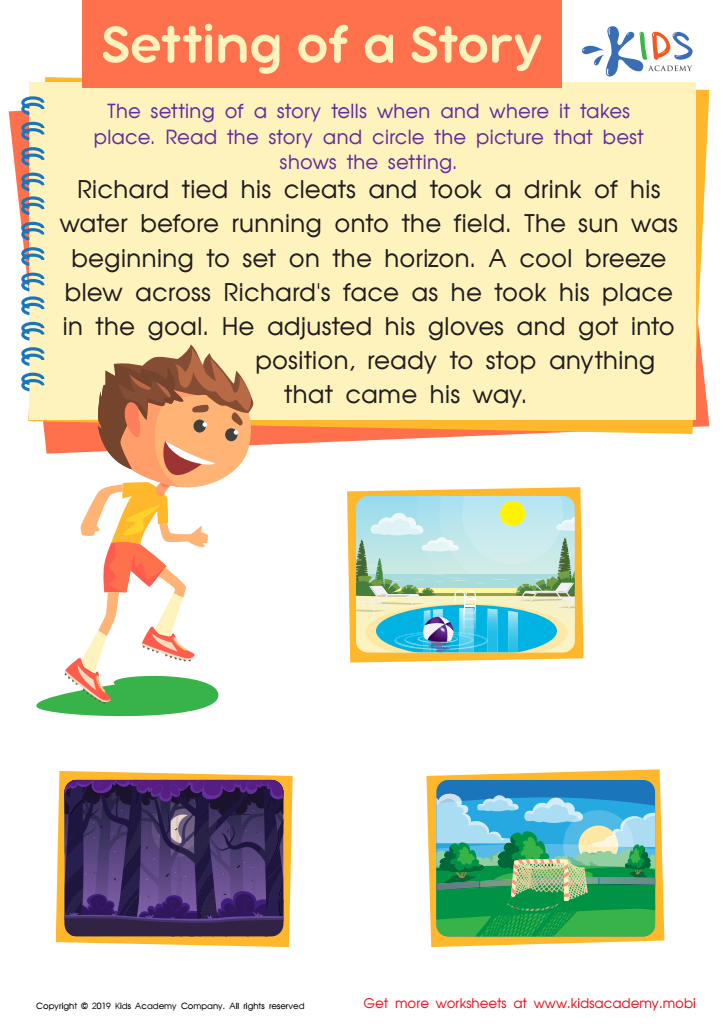
Setting of a Story Worksheet
You need characters, theme, POV, plot and setting to tell a good story. Ask your kids to explain them and use this worksheet with a story to teach them about setting. Read the story with your kids, then have them circle the picture that best shows the setting.
Setting of a Story Worksheet
Worksheet
Join Kids Academy for Free
Who is primarily going to use this learning content?


.jpg)



.jpg)

Vocabulary enhancement through easy reading fiction is vital for the development of young readers, making it an essential focus for parents and teachers. Engaging with simplified narratives nurtures language skills, increases comprehension, and boosts confidence. When children interact with easy-to-read texts, they encounter new words in context, allowing them to understand not just the definition but also the nuances of usage. This contextual learning fosters strong vocabulary retention, which is crucial for successful communication.
Moreover, early exposure to rich vocabulary through fiction helps spark a love for reading and storytelling. As children enjoy relatable characters and engaging plots, they are more likely to pursue reading as a lifelong interest, which opens doors to richer learning experiences beyond vocabulary—such as critical thinking, empathy, and creativity.
Additionally, vocabulary proficiency lays a foundational skill that supports future academic success. Strong vocabulary enhances comprehension of more complex texts, aiding children in junior and senior grades. Thus, prioritizing vocabulary through easy reading fiction is not just about language; it's an investment in a child's overall educational journey, equipping them with the skills necessary to navigate both academic and social landscapes effectively.