Color recognition Easy Grade 2 Worksheets - Page 2
28 filtered results
-
From - To
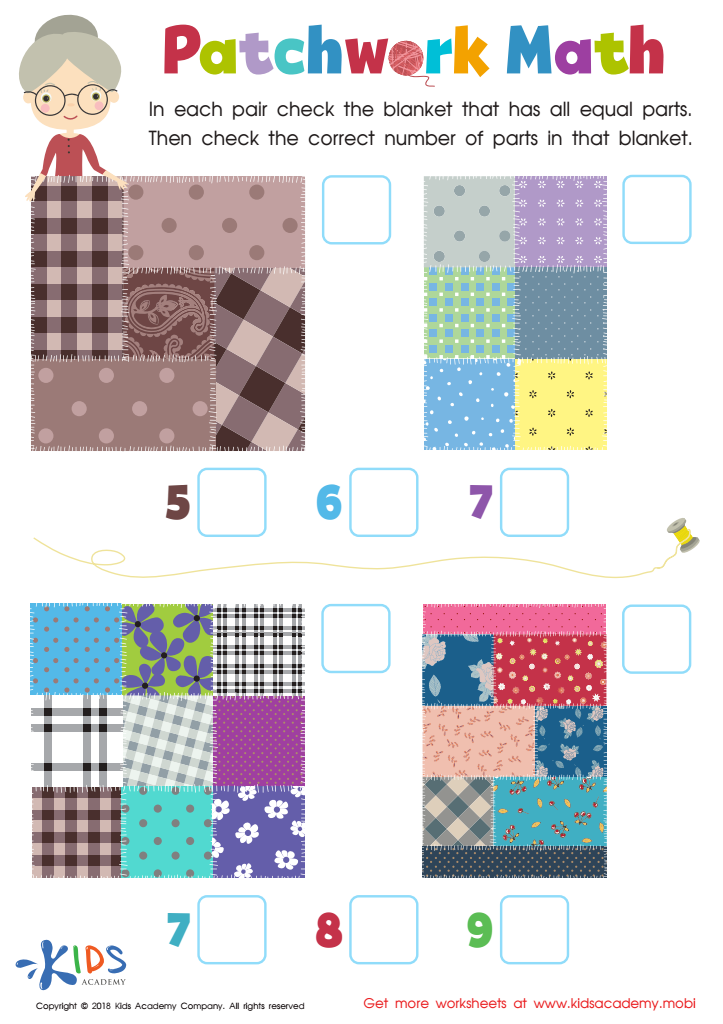
Patchwork Math Worksheet
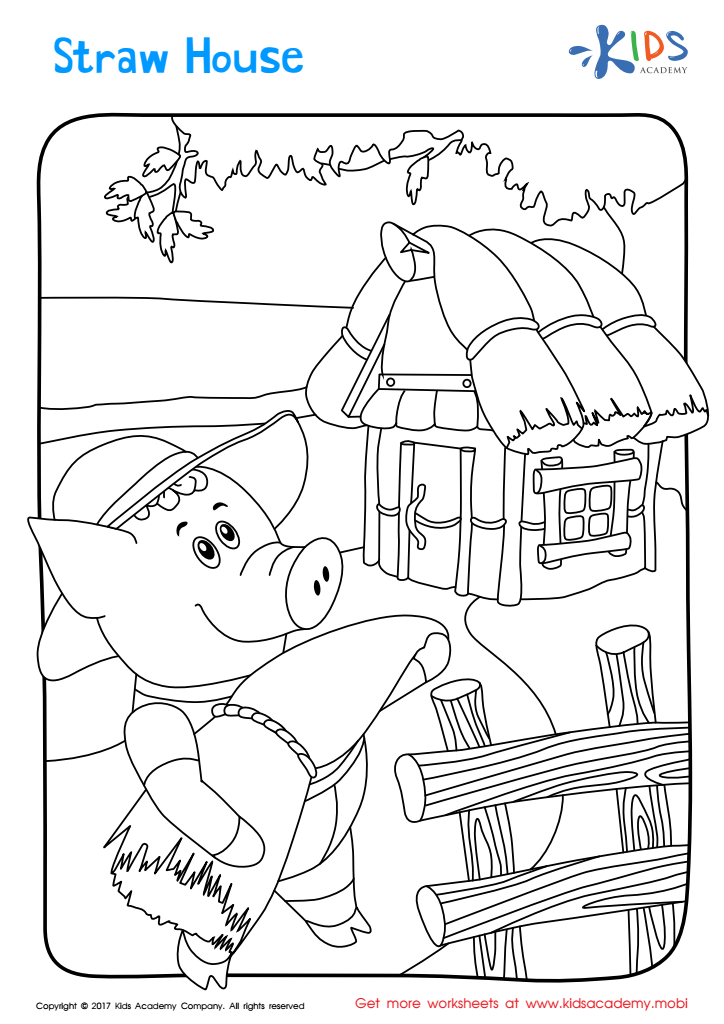
Straw House Printable Coloring Page
 Assign to My Students
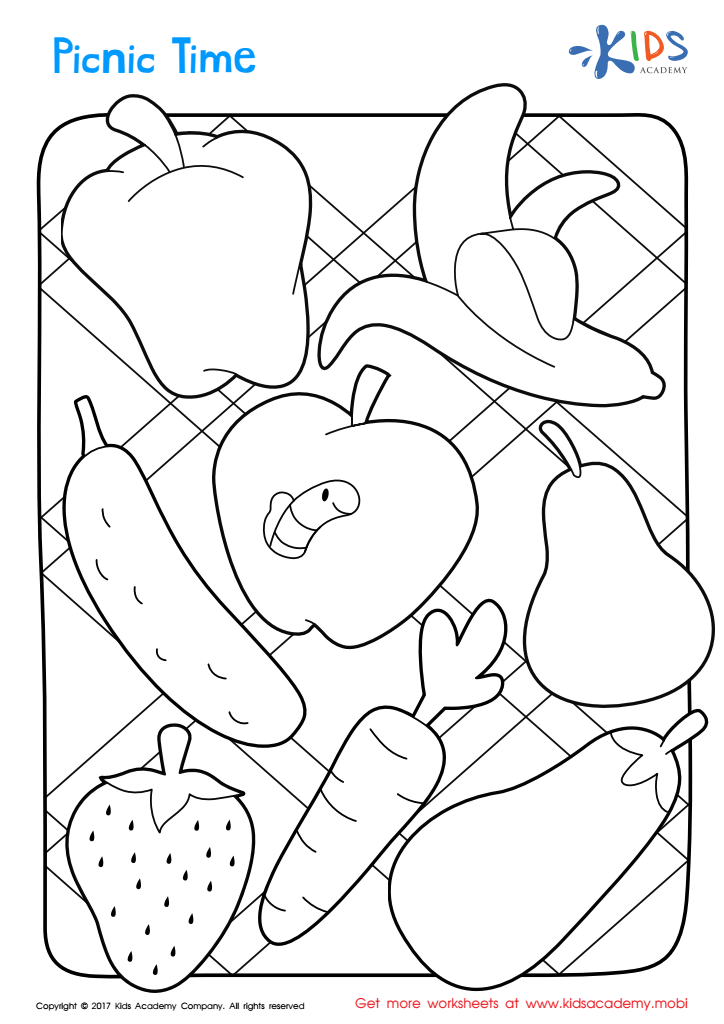
Picnic Time Coloring Page
Assign to My Students





Color recognition is a fundamental skill that emerges in early childhood and serves as a building block for various areas of learning. For parents and teachers of Grade 2 students, understanding its importance prepares children for more complex concepts. Firstly, color recognition enhances cognitive development; it helps children categorize, compare, and draw distinctions, which are essential skills in subjects like math and science.
Moreover, early color identification promotes language development. As children learn to name colors, they expand their vocabulary and improve their communication skills. This lays the ground for them to describe their surroundings more vividly and engage in conversations more effectively.
Socially, activities involving colors, such as art projects or group games, foster teamwork and encourage interaction among peers. This helps children build relationships and develop social skills.
In addition, color recognition supports emotional expression; it enables children to articulate their feelings through colors, whether it's expressing happiness with bright colors or calmness with cool tones.
In summary, supporting color recognition in Grade 2 is critical because it aids cognitive, linguistic, social, and emotional development, thereby creating a well-rounded foundation for future learning and personal growth. Parents and teachers play a pivotal role in nurturing these skills.