Subtraction practice Easy Grade 2 Addition and Subtraction Word Problems Worksheets
12 filtered results
-
From - To
Enhance your child's subtraction skills with our "Subtraction Practice Easy Grade 2 Addition and Subtraction Word Problems Worksheets." These engaging and educational worksheets are designed to help second graders master subtraction through interactive word problems that reflect real-life scenarios. Each activity builds problem-solving abilities by incorporating subtraction tasks with fun, relatable stories, promoting both confidence and competence in mathematics. Our worksheets are perfect for classroom use or at-home practice, ensuring a strong foundational understanding of subtraction concepts. Give your child the tools they need to succeed in math with our expertly crafted, easy-to-follow subtraction practice worksheets.
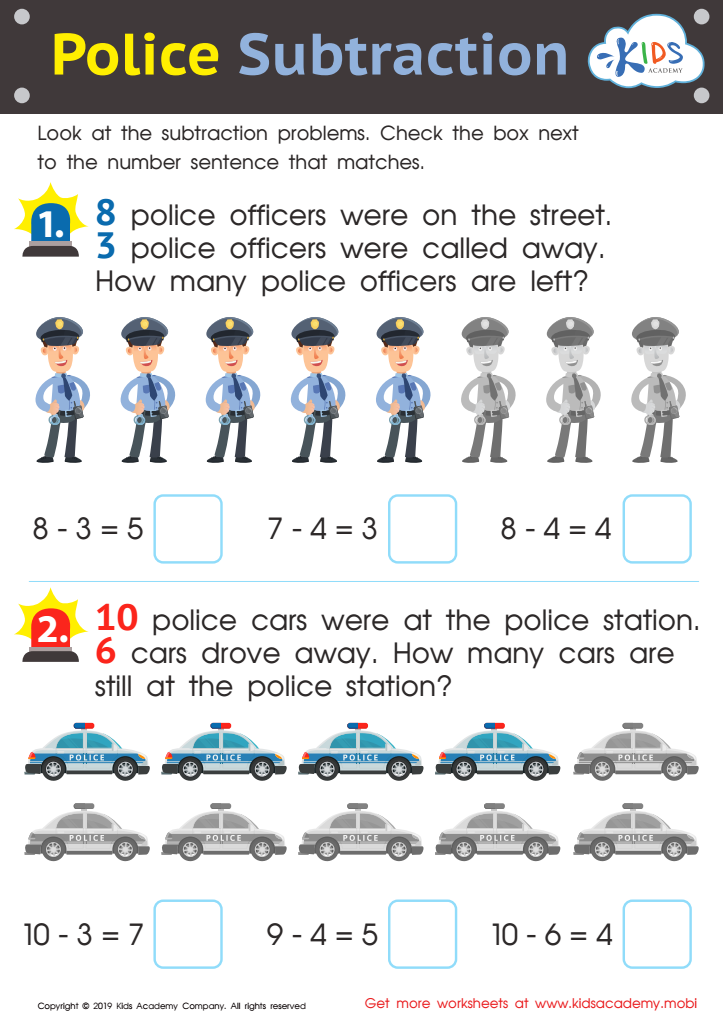
Police Subtraction Worksheet
 Assign to My Students
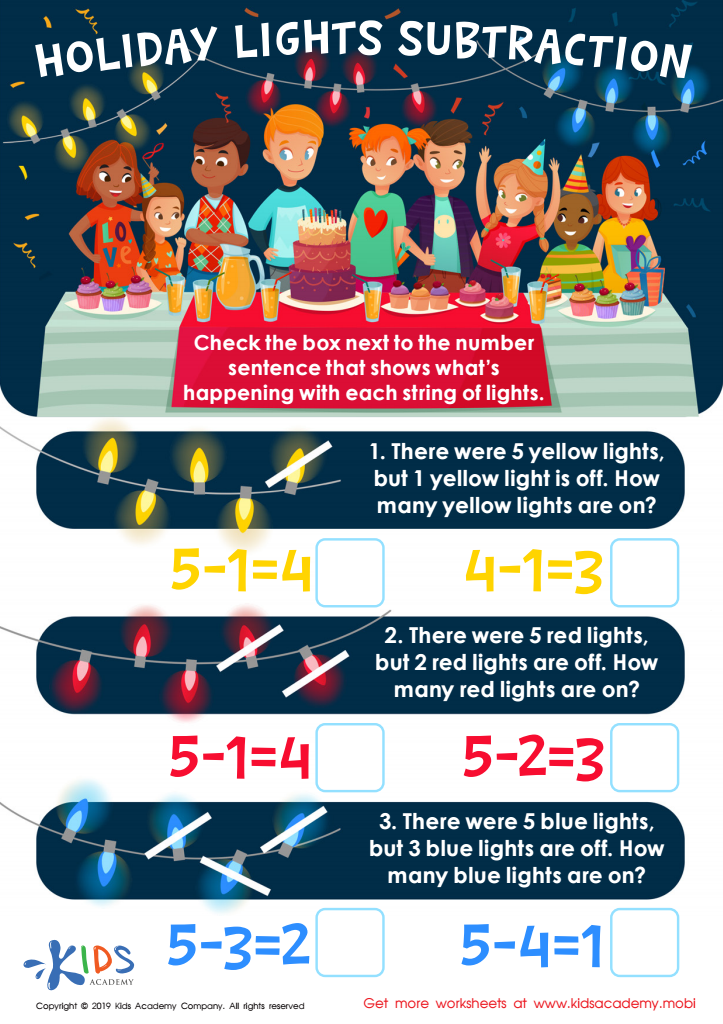
Holiday Lights Subtraction Worksheet
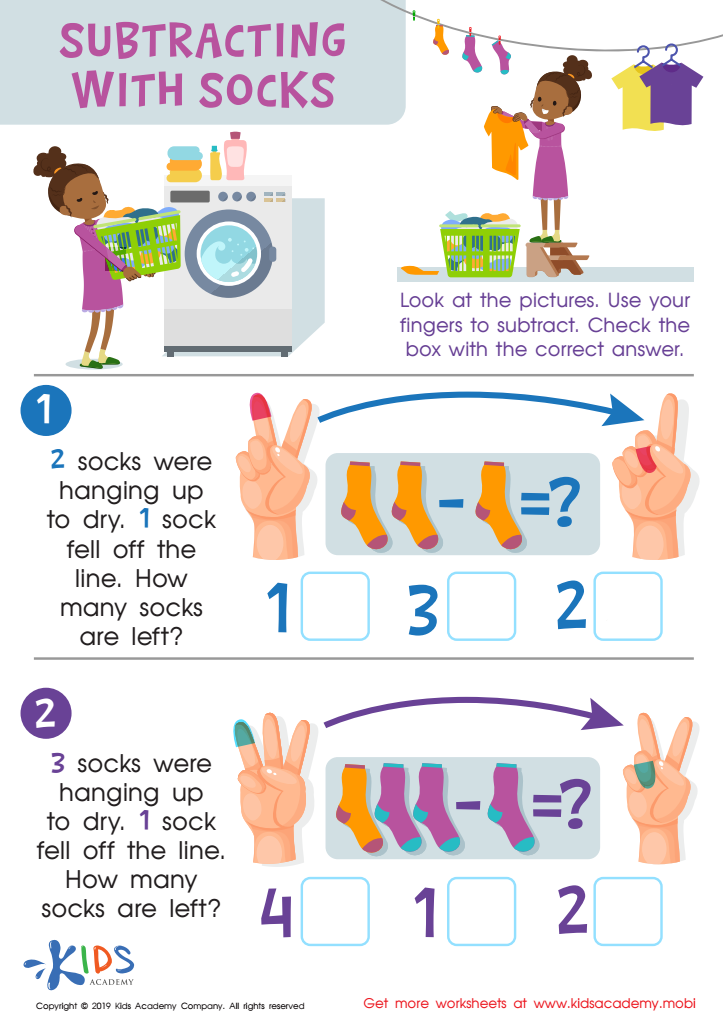
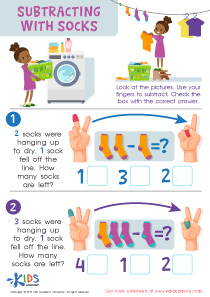
Subtracting Socks Worksheet
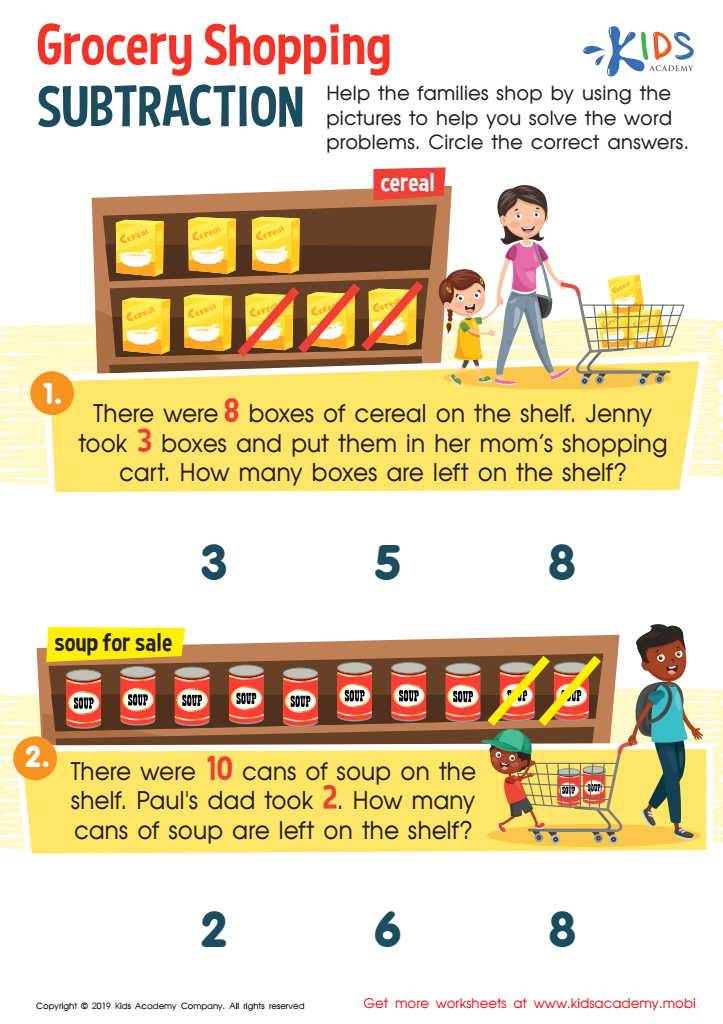
Grocery Shopping Subtraction Worksheet
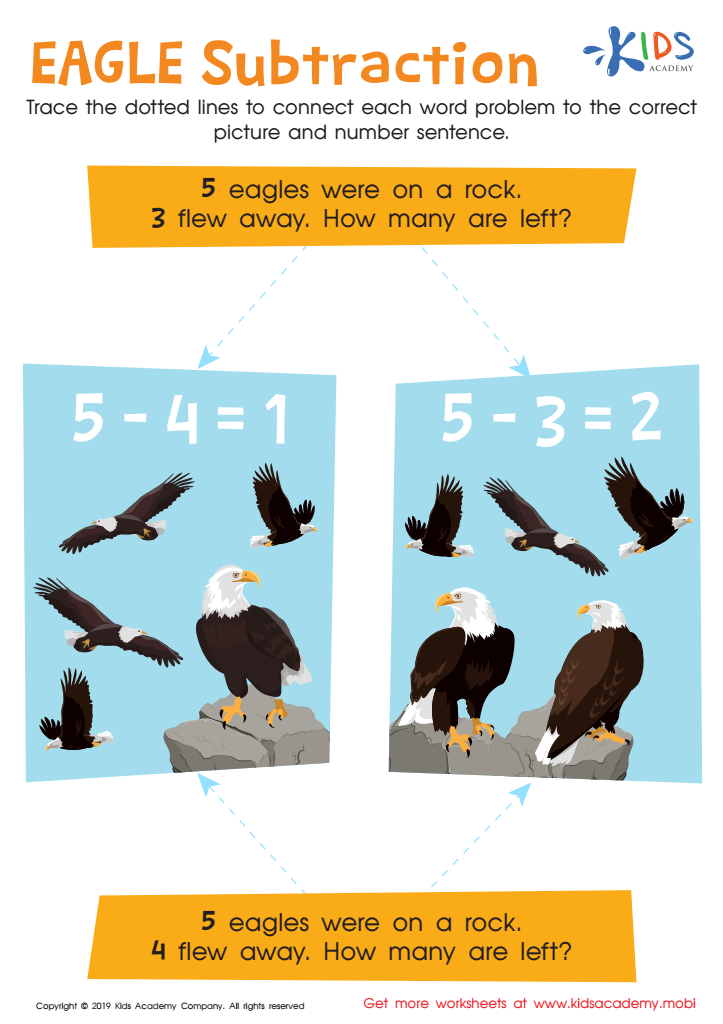
Eagle Subtraction Worksheet
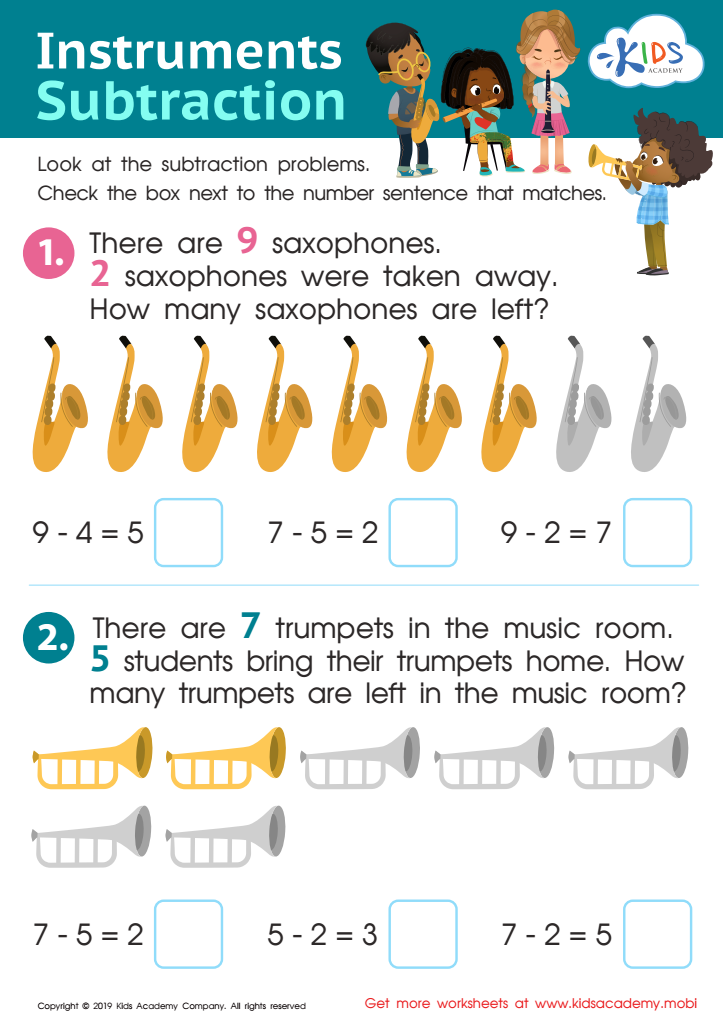
Instrument Subtraction Worksheet
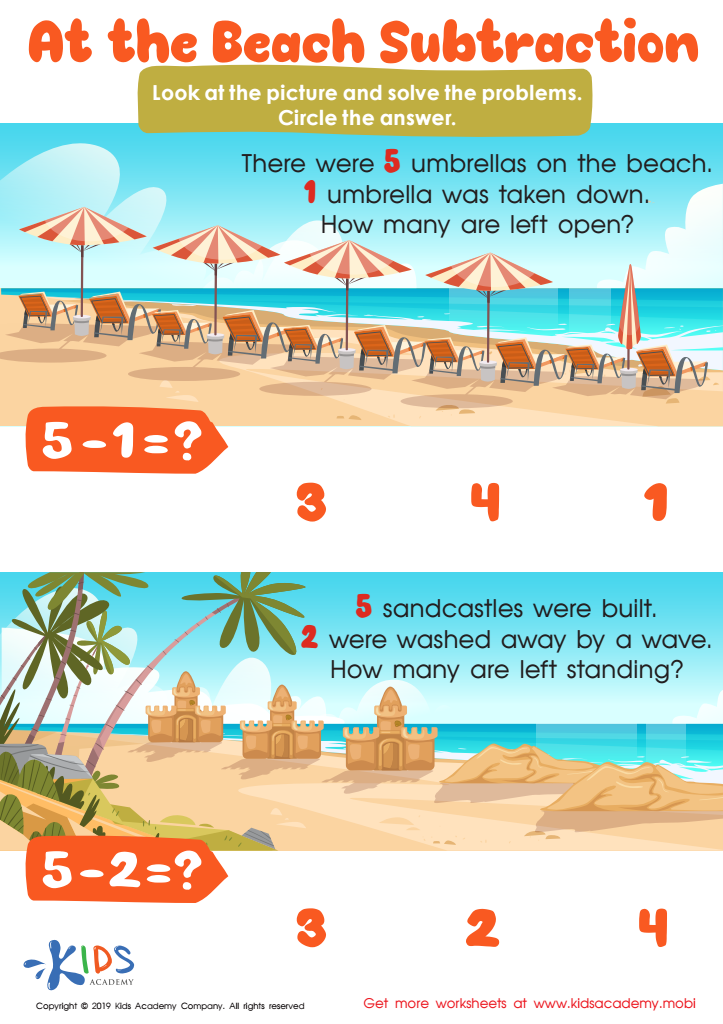
At the Beach Subtraction Worksheet
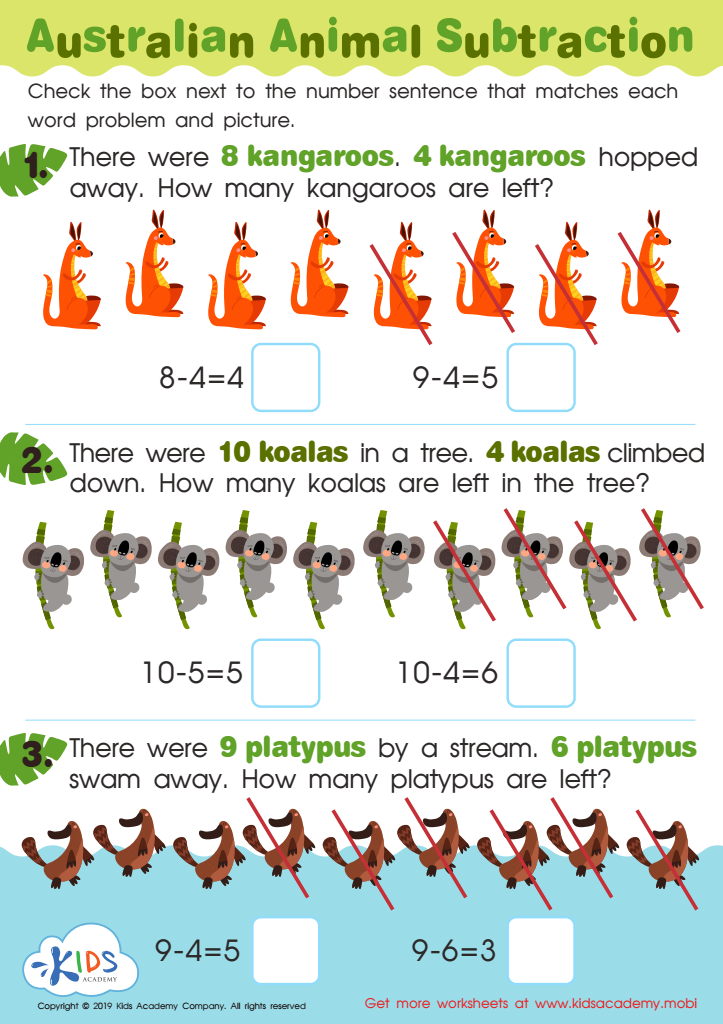
Australian Animal Subtraction Worksheet
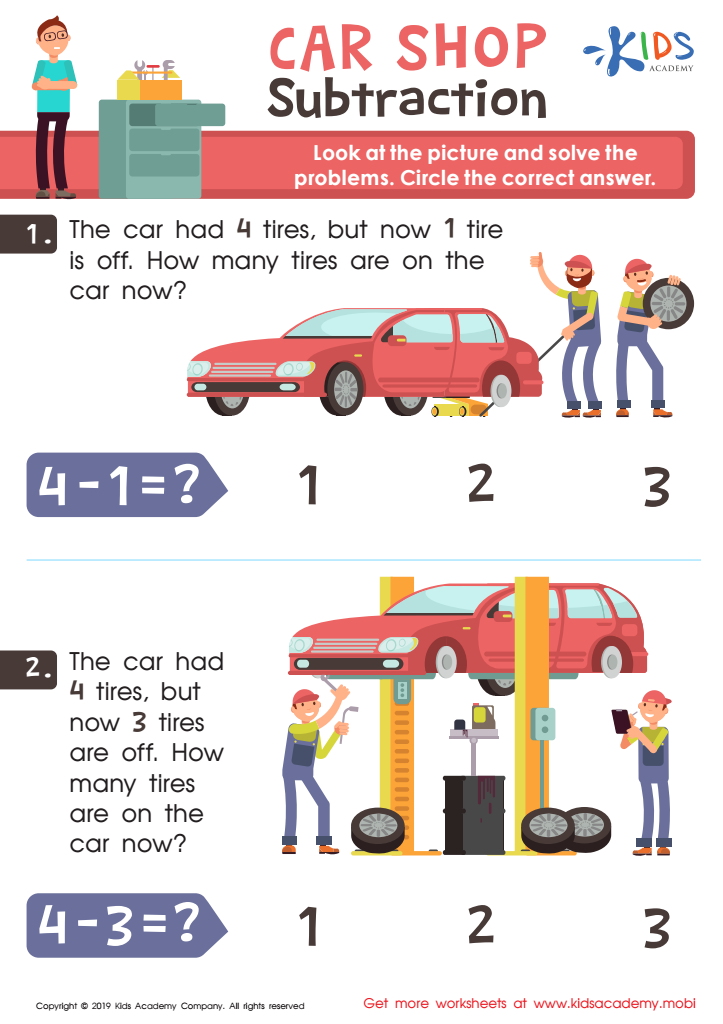
Car Shop Subtraction Worksheet
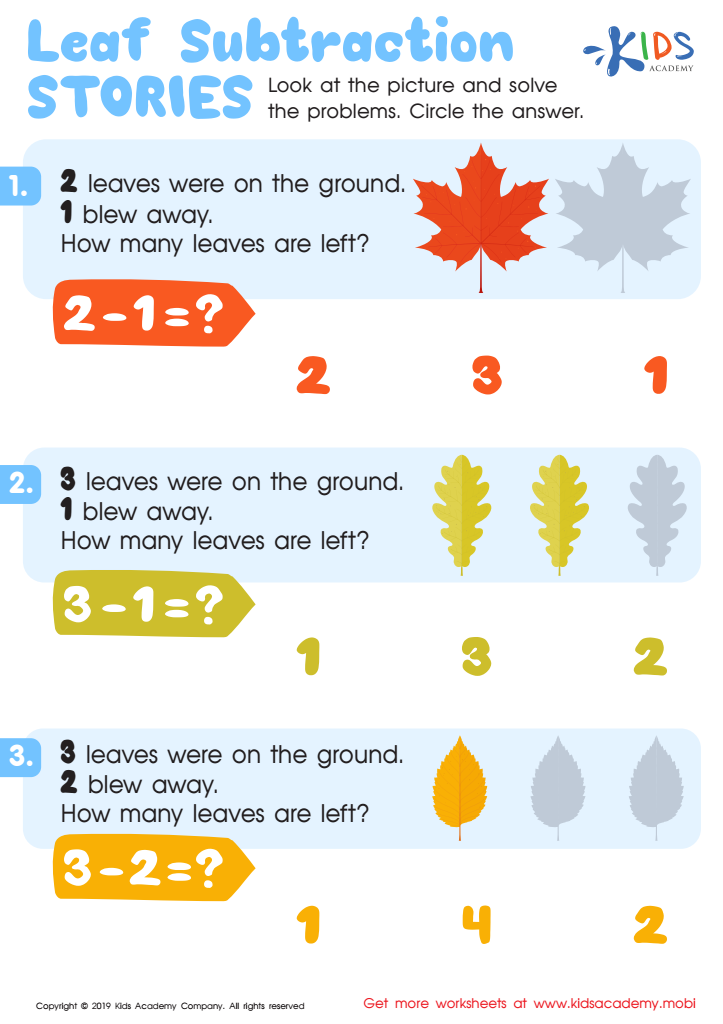
Leaf Subtraction Stories Worksheet
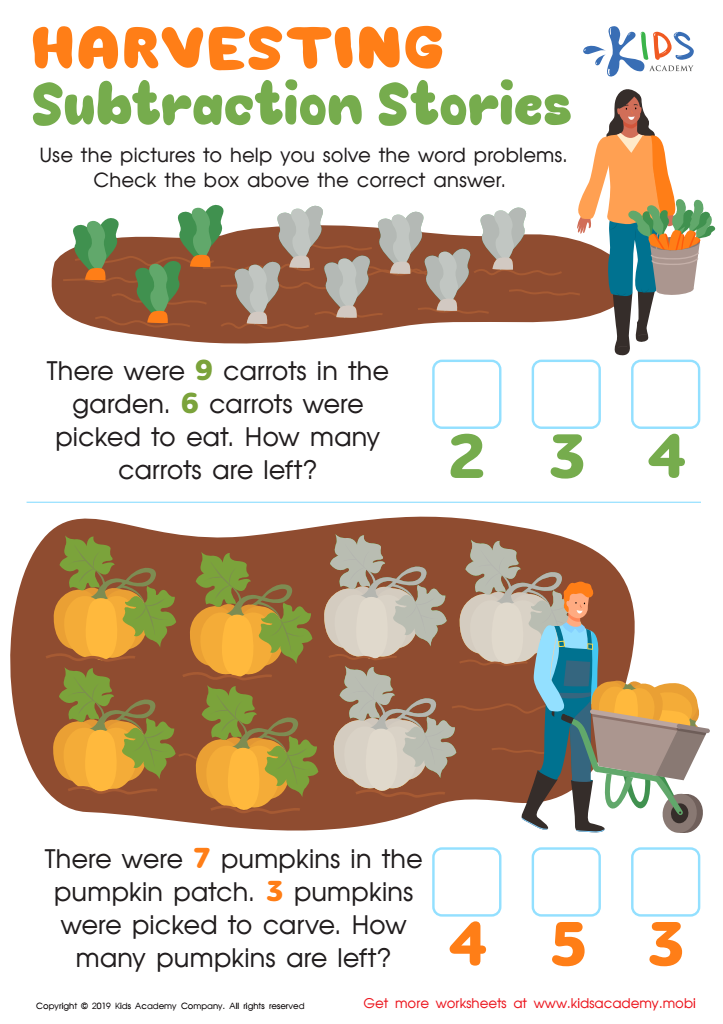
Harvesting Subtraction Stories Worksheet
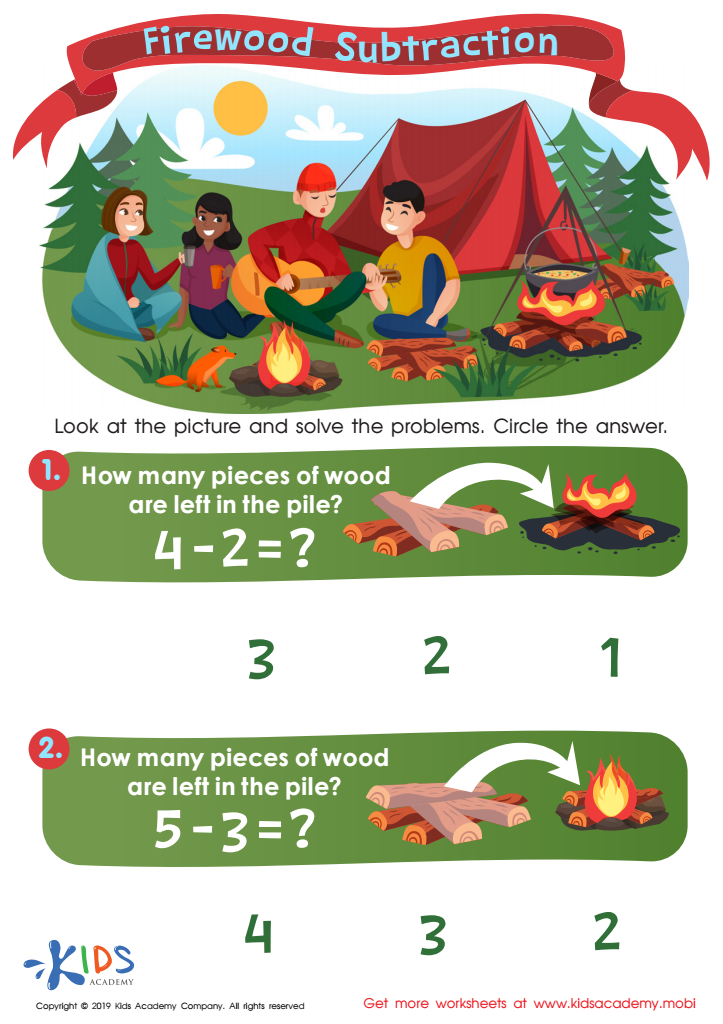
Firewood Subtraction Worksheet








Ensuring that second graders practice subtraction and tackle addition and subtraction word problems is crucial for several reasons. First, foundational arithmetic skills like subtraction form the bedrock of more advanced mathematical concepts. By mastering these basics early, children build the confidence and proficiency necessary for future math success.
Additionally, word problems integrate real-life context, helping children understand how math applies to everyday situations. This not only makes learning more engaging but also reinforces comprehension skills, critical thinking, and analytical abilities. They become adept at translating a story or scenario into a mathematical expression, which is a valuable skill beyond the classroom.
Parental or teacher involvement in this practice can identify any gaps in understanding early on, allowing for timely interventions. Supportive learning environments at home or school can foster a positive attitude towards math, reducing anxieties and making learning enjoyable.
Regular practice ensures consistent reinforcement. For teachers, adapting instruction methods to suit individual needs can promote a more personalized learning experience. For parents, participating in their child's learning process fosters a strong bond and shows the value placed on education, encouraging lifelong learning habits.
Overall, this practice is fundamental to cognitive development, equipping children with vital problem-solving skills and laying the groundwork for future academic achievement.