Letter recognition Easy Grade 3 Worksheets
5 filtered results
-
From - To
Welcome to our collection of Easy Grade 3 Letter Recognition Worksheets! These engaging and interactive resources are designed to help young learners master the essential skill of recognizing letters. Our worksheets feature fun activities, including tracing, matching, and identifying letters in various contexts. Perfect for reinforcing foundational literacy skills, these worksheets cater to varied learning styles, making them an excellent addition to any classroom or at-home learning toolkit. With each completed worksheet, children gain confidence in their reading abilities while enjoying educational fun. Explore our easy-to-use printables today and watch your child excel in letter recognition!
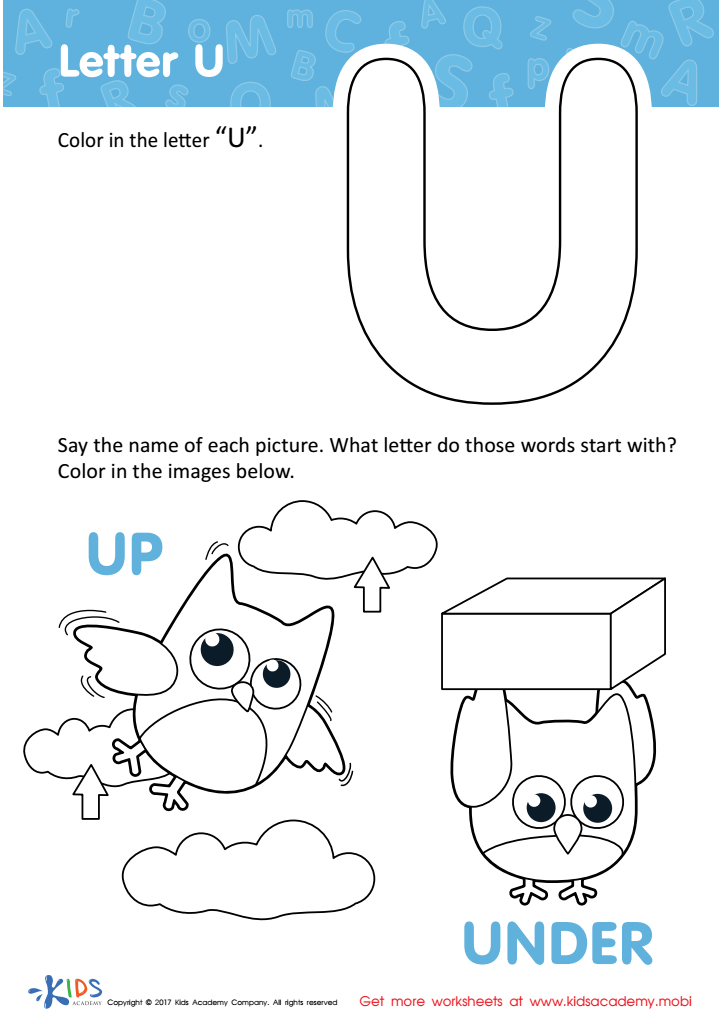
Letter U Coloring Sheet
 Assign to My Students
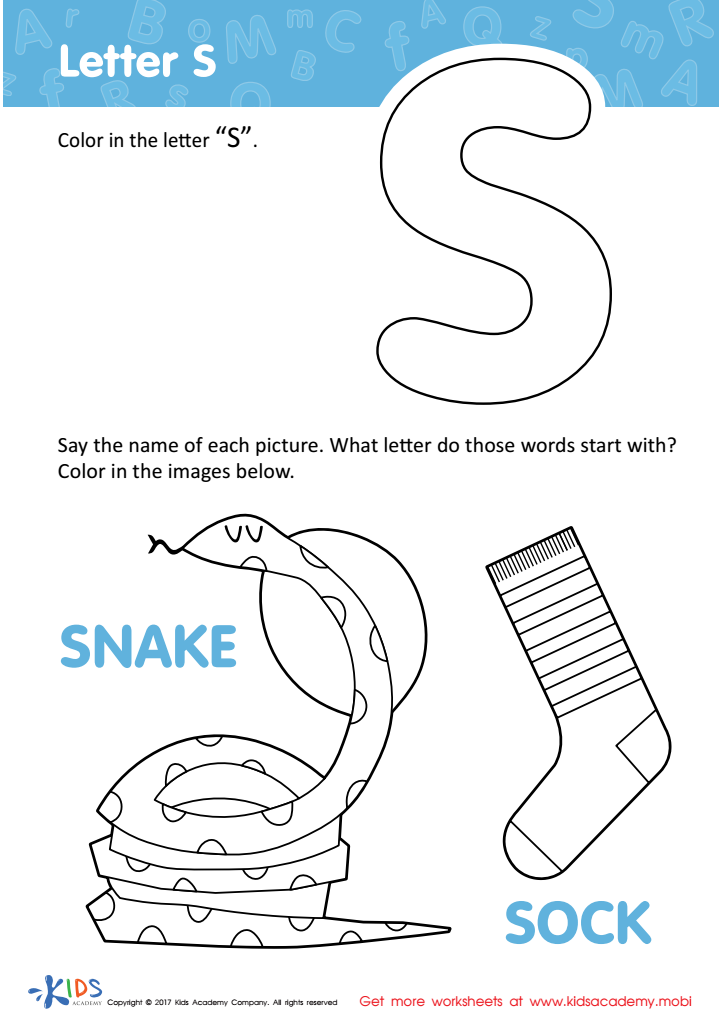
Letter S Coloring Sheet
Assign to My Students
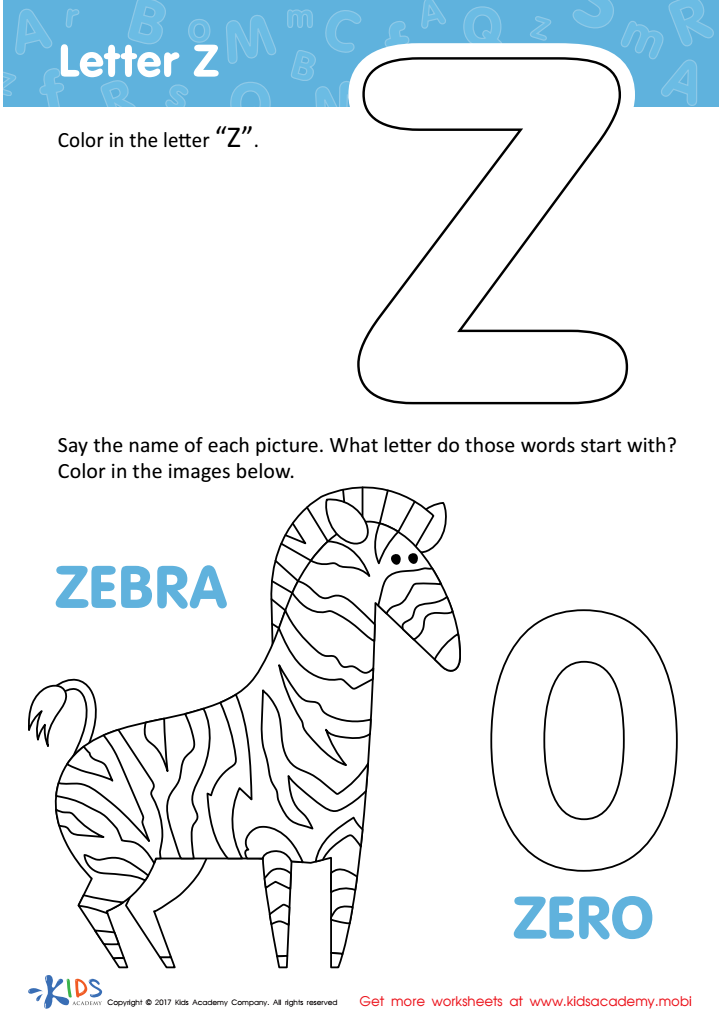
Letter Z Coloring Sheet
Assign to My Students
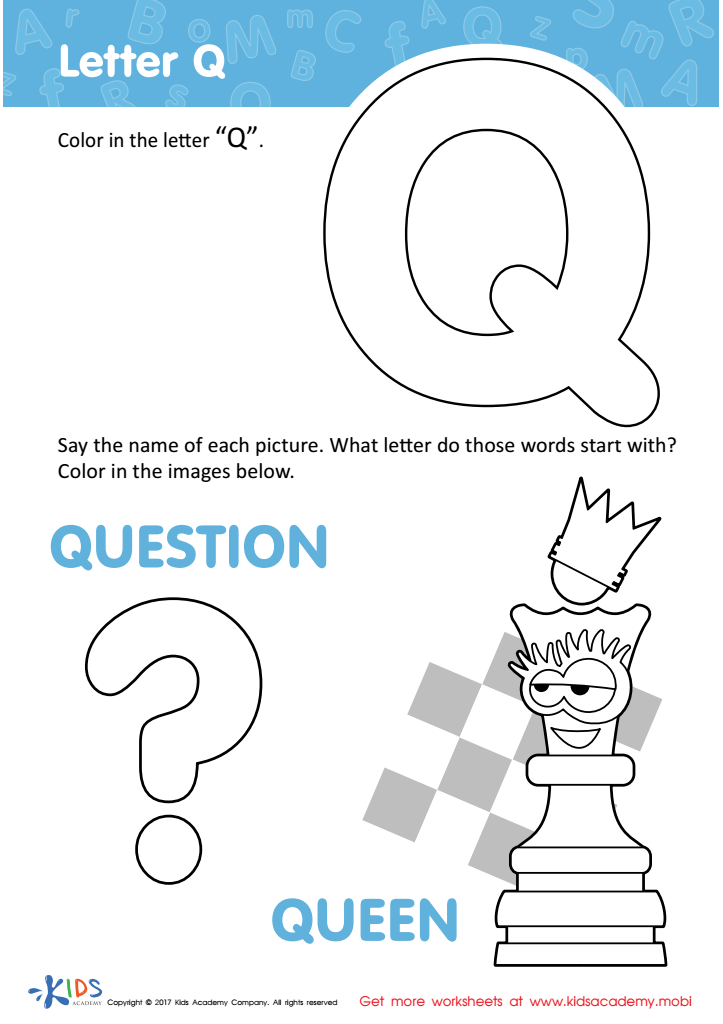
Letter Q Coloring Sheet
Assign to My Students
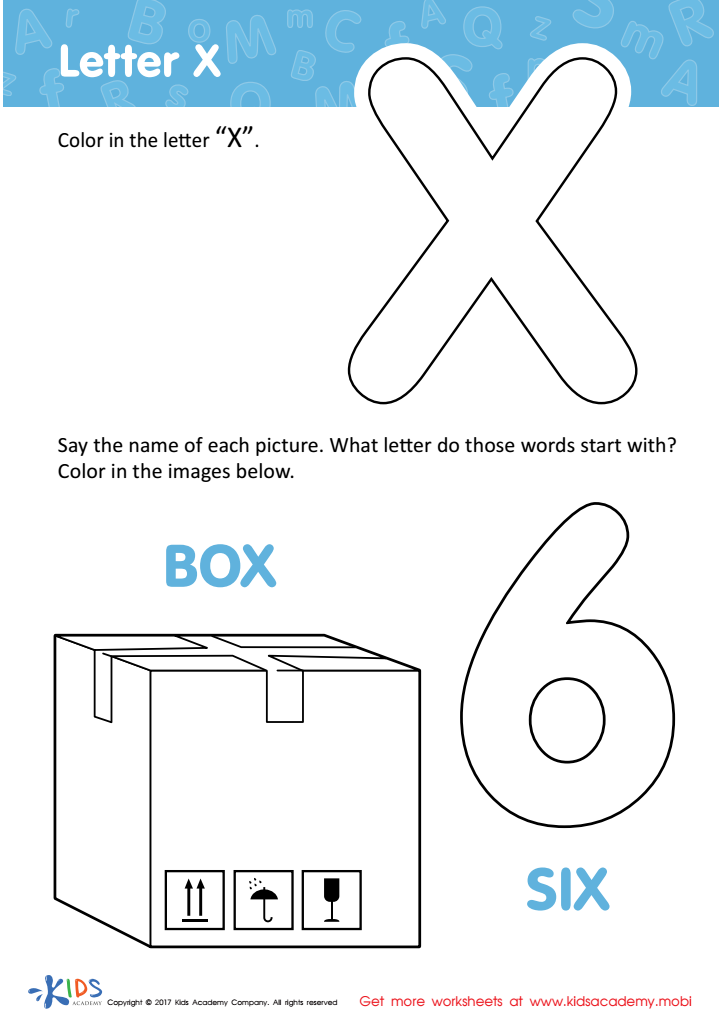
Letter X Coloring Sheet
Assign to My Students








Letter recognition is crucial for early literacy development, significantly impacting a child's reading and writing skills. For parents and teachers, fostering letter recognition in Grade 3 and earlier is essential for several reasons.
Firstly, understanding letters is foundational to reading. Children who can identify letters and their associated sounds are better equipped to break down words, promoting fluent reading. This skill is vital as they encounter more complex texts in later grades.
Secondly, letter recognition boosts spelling abilities. By recognizing letters and their configurations, children develop a visual memory of words, which aids in their writing and overall communication skills.
Moreover, letter recognition connects to broader cognitive and social-emotional development. Engaging with letters often brings about confidence in children as they master new skills. This sense of accomplishment encourages a love for learning and motivates them to take on new challenges.
Finally, early literacy skills correlate with later academic success. Parents and teachers who prioritize letter recognition help lay a solid foundation for ongoing educational achievement, leading to improved classroom performance and more opportunities in the future. Ultimately, supporting letter recognition benefits not only the child's academic journey but also their overall growth and development.