Counting practice Grade 1 Worksheets - Page 2
40 filtered results
-
From - To
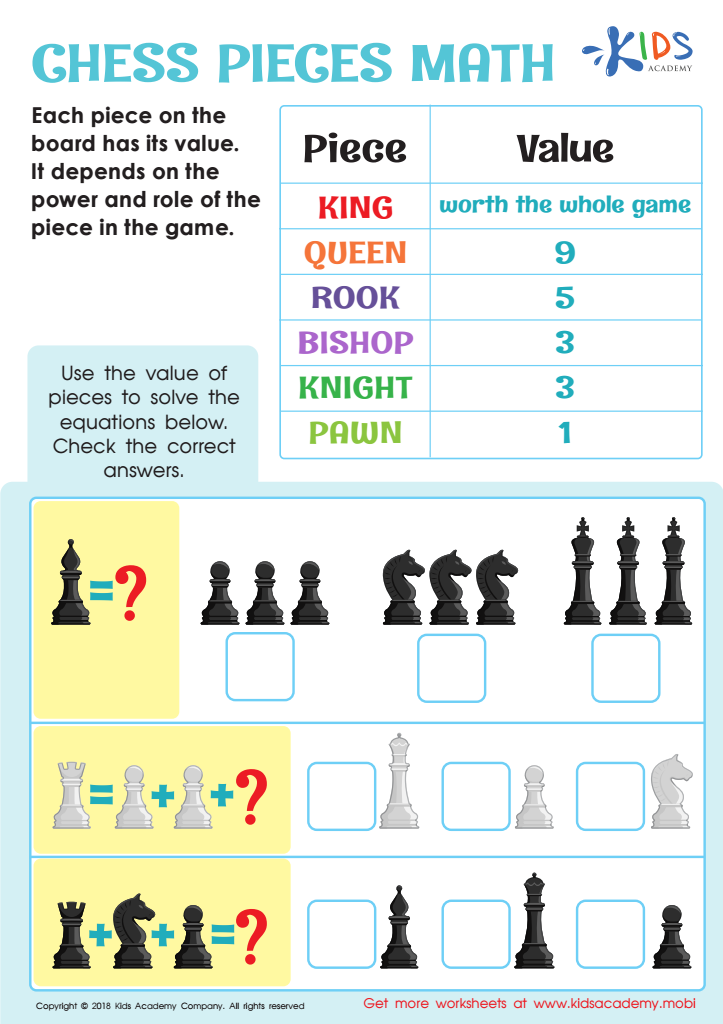
Chess Pieces Math Worksheet
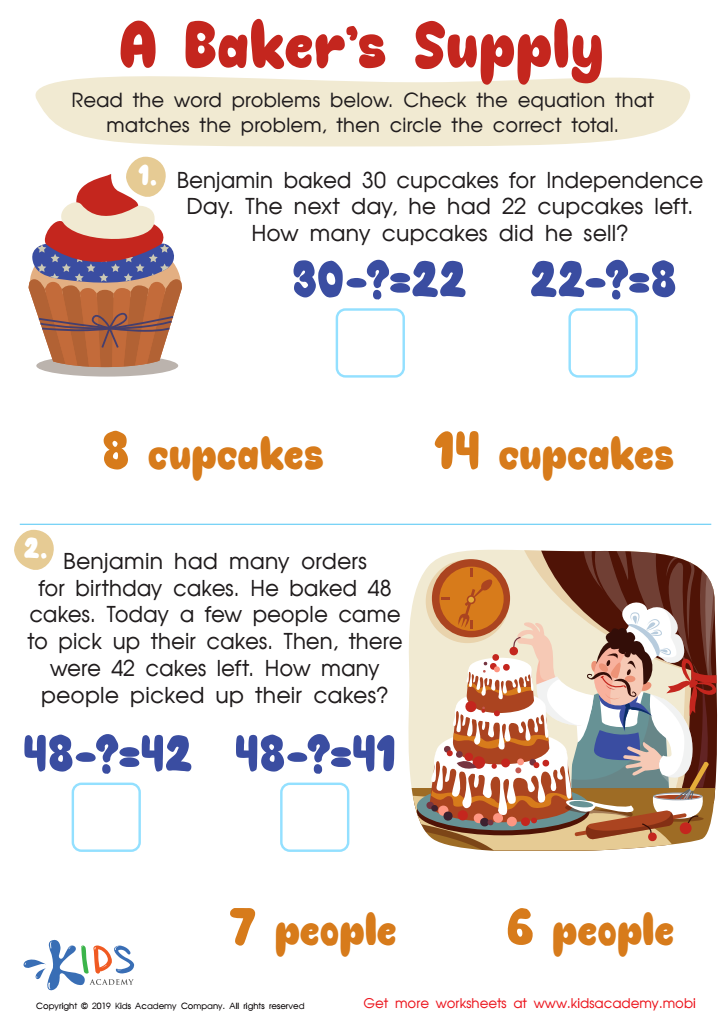
A Baker's Supply Worksheet
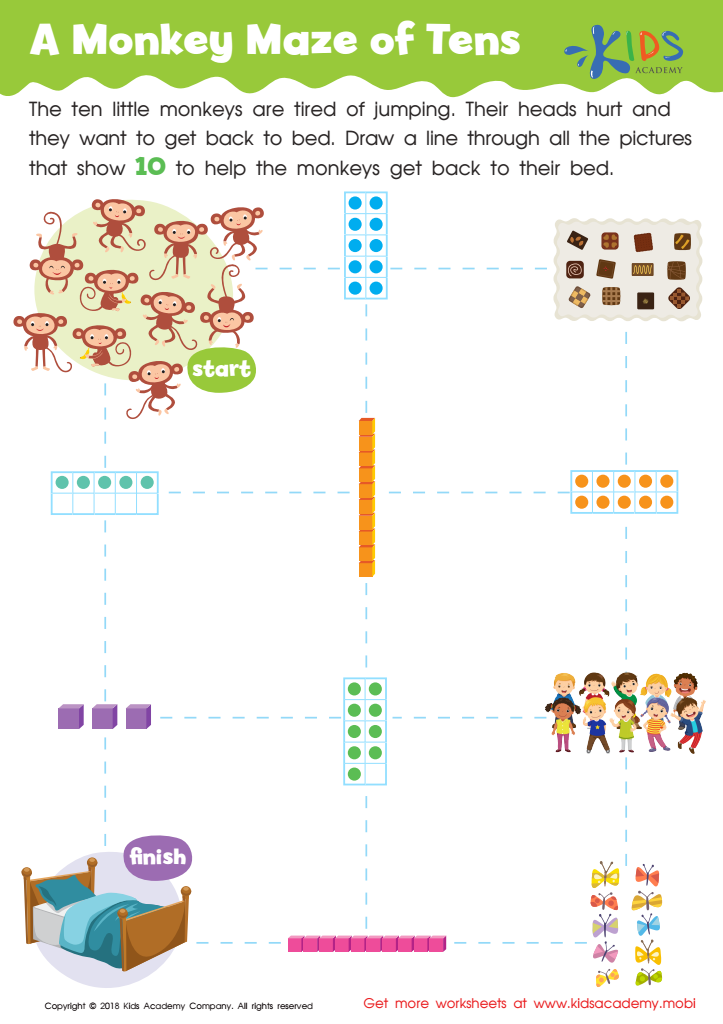
A Monkey Maze of Tens Worksheet
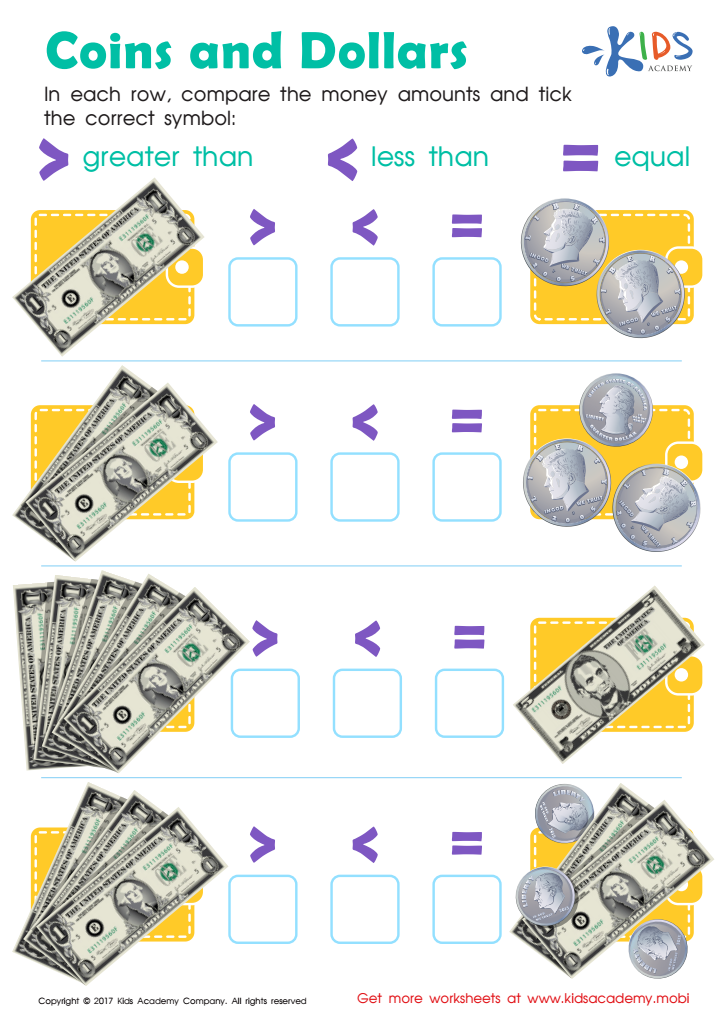
Money: Coins Dollars Printable
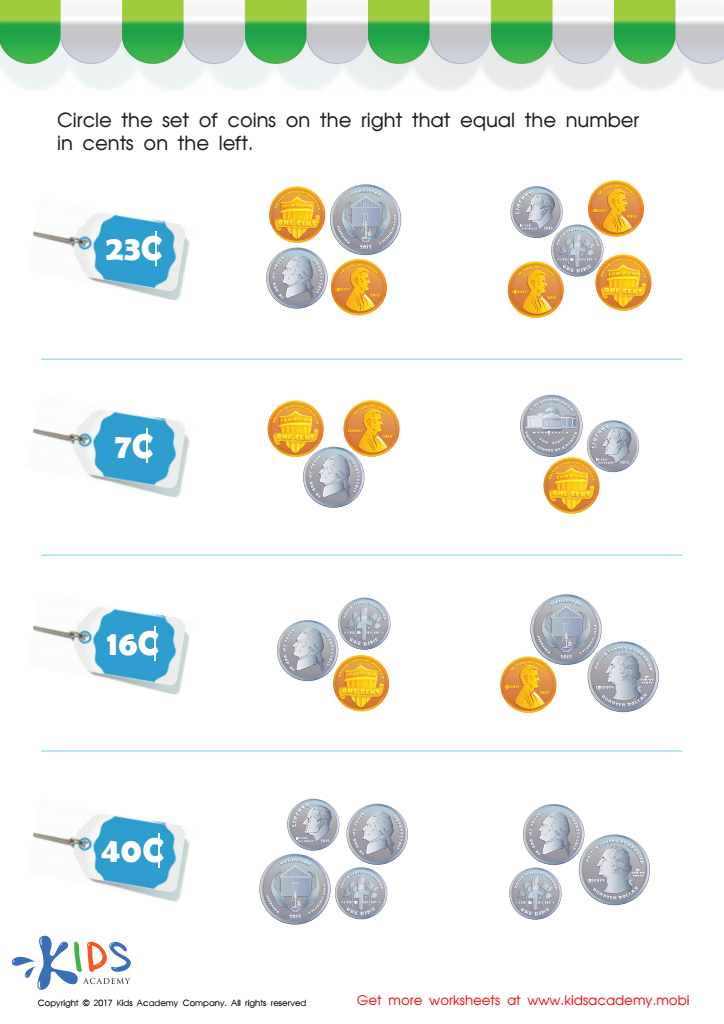
Picking the Coins You Need Money Worksheet
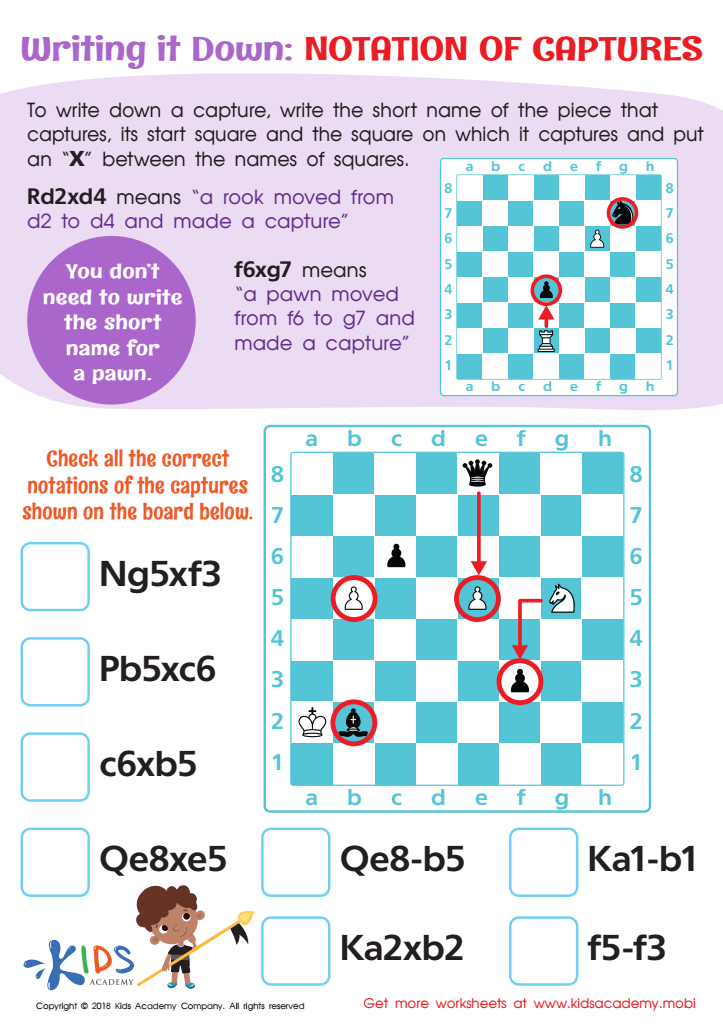
Notation of Captures Writing it Down Worksheet
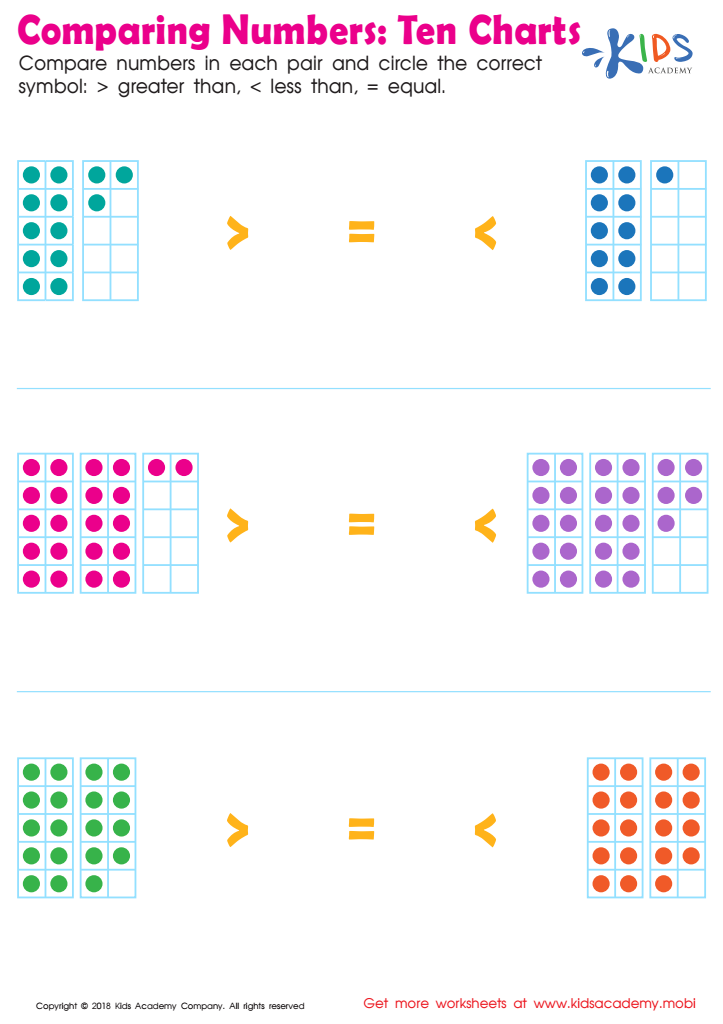
Ten Charts Worksheet
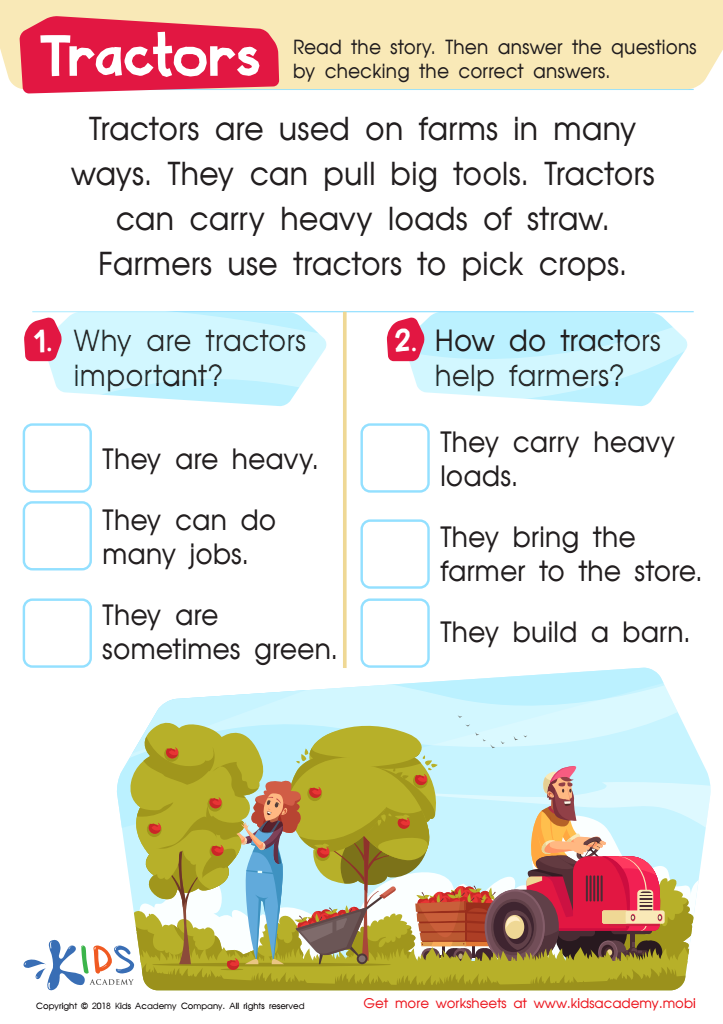
Tractors Worksheet
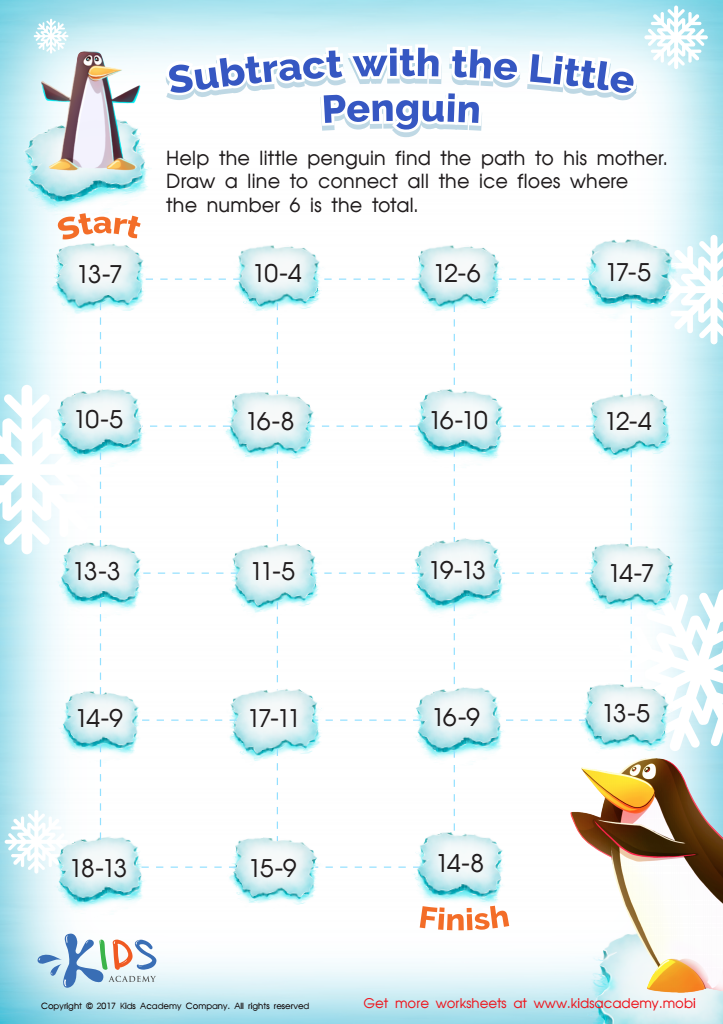
Subtract With The Little Penguin Substraction Worksheet
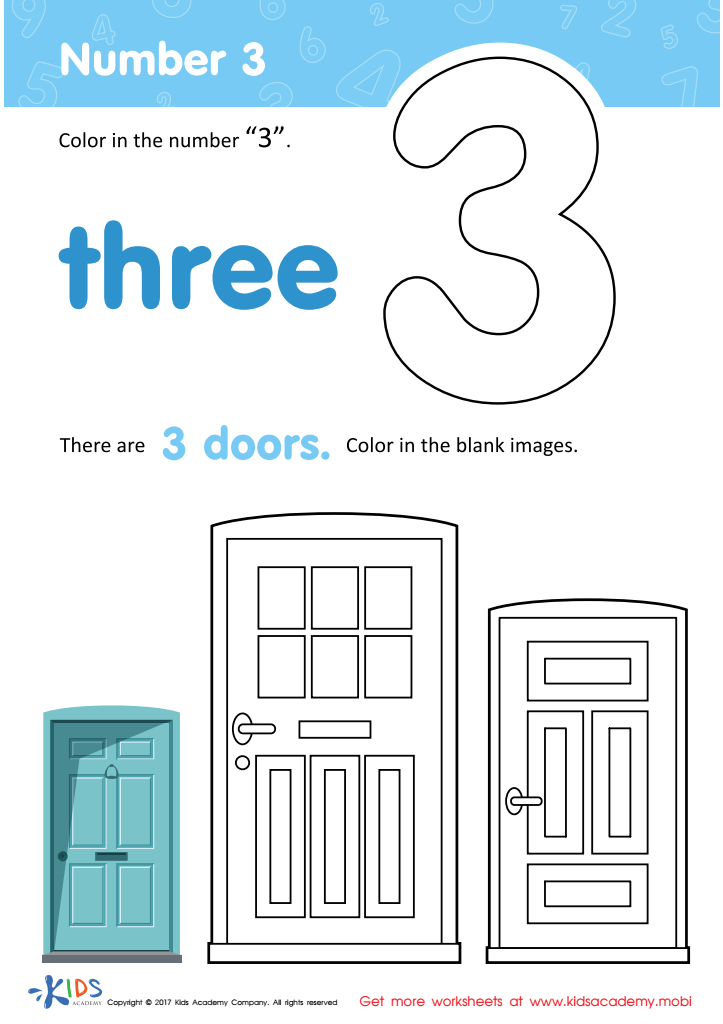
Number 3 Worksheet
 Assign to My Students
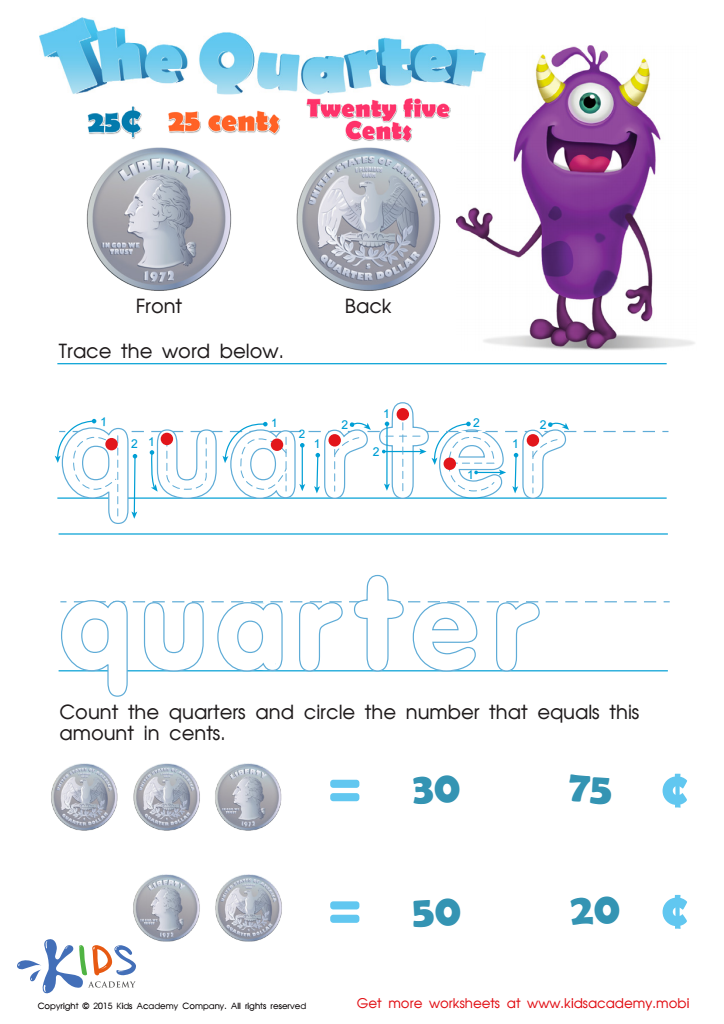
Twenty Five Cents or the Quarter Money Worksheet
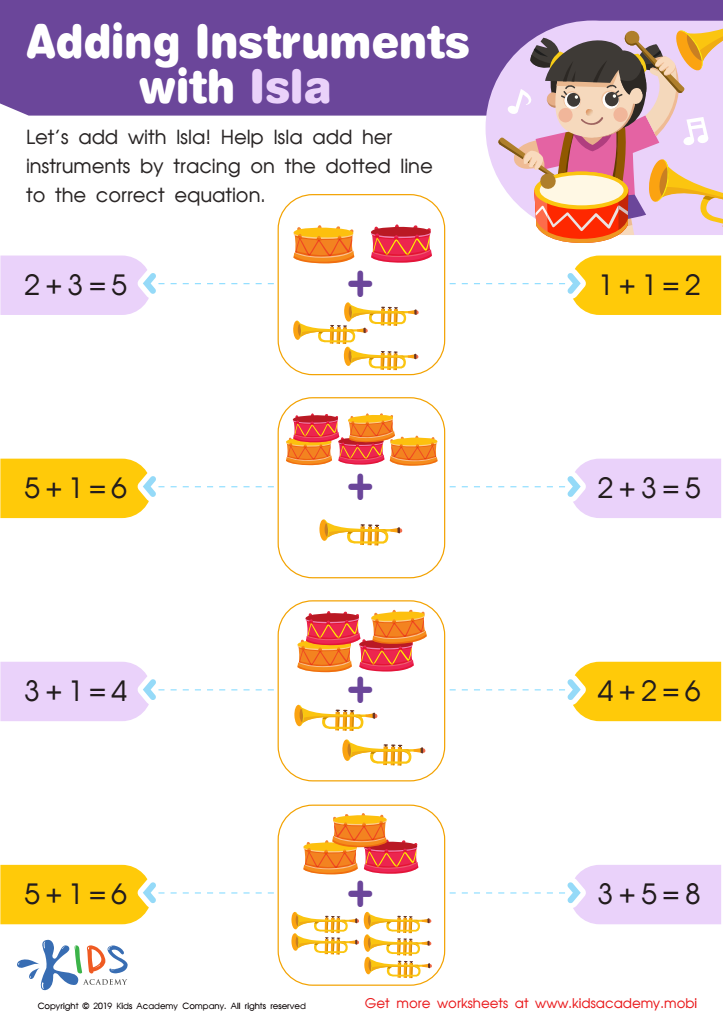
Adding Instruments with Isla Worksheet
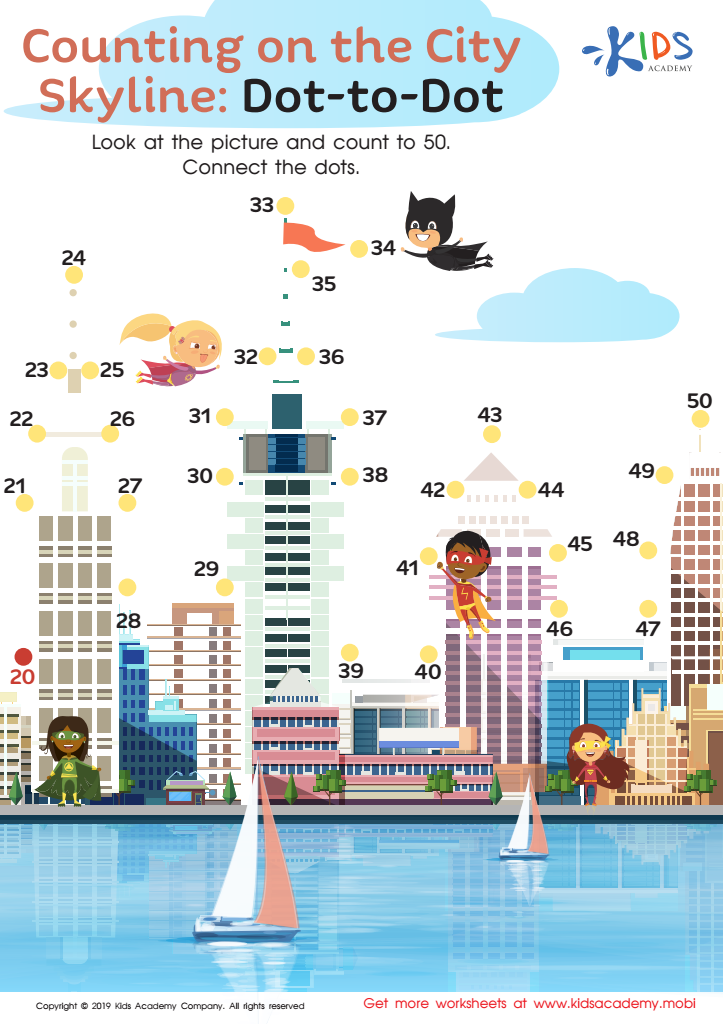
Counting on the City Skyline: Dot-to-Dot Worksheet
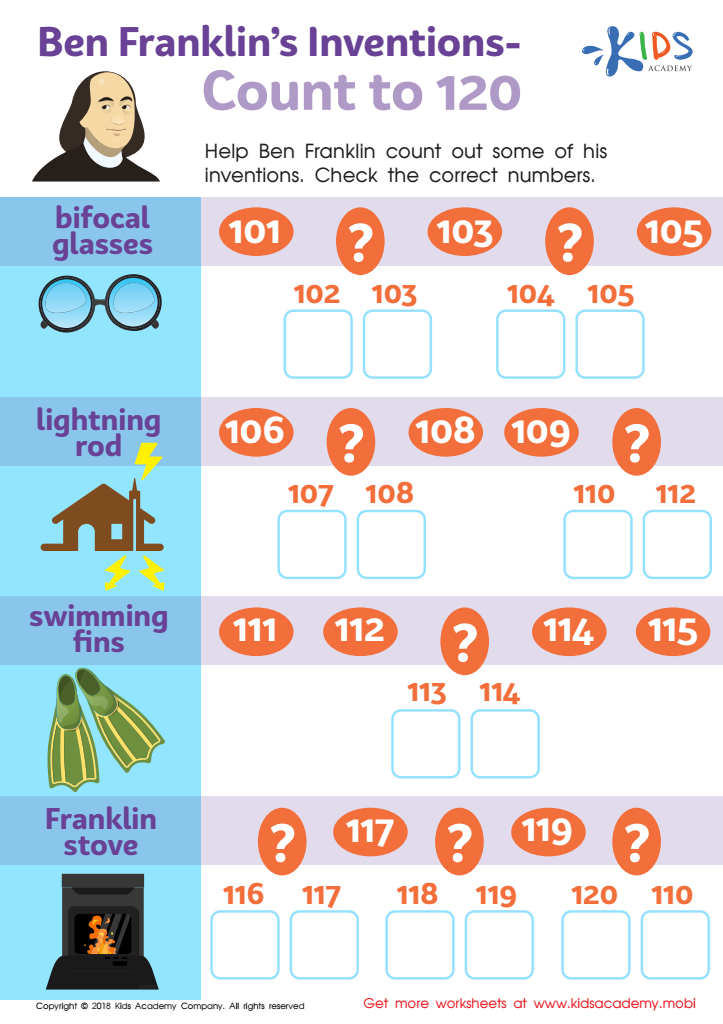
Ben Franklin’s Inventions – Count to 120 Worksheet







Counting practice in Grade 1 is foundational for children's mathematical development and overall cognitive growth. At this age, students transition from concrete to abstract thinking, and mastering counting lays the groundwork for more complex mathematical concepts. Understanding numbers helps children develop critical skills, such as addition and subtraction, which are vital for everyday problem-solving.
Additionally, counting practice enhances a child's ability to recognize patterns, sequences, and relationships among numbers. This fosters a deeper understanding of math concepts as they progress through their education. Furthermore, counting skills promote confidence in handling mathematical tasks, reducing anxiety around numbers as they advance to higher grades.
Parents and teachers should also recognize that counting can be integrated into daily activities, making learning engaging and relevant. Simple activities like counting objects during a grocery trip or counting steps on a walk reinforce these skills in a fun and meaningful way.
Moreover, a strong foundation in counting aids in the development of essential life skills, such as budgeting and time management, which are beneficial beyond the classroom. By prioritizing counting practice, parents and teachers set the stage for lifelong mathematical understanding and proficiency, which ultimately contributes to a child’s success in school and beyond.