Identification skills Grade 1 Worksheets
5 filtered results
Difficulty Level
Grade
Age
-
From - To
Subject
Activity
Standards
Enhance your first grader's learning journey with our "Identification Skills Grade 1 Worksheets"! Designed to support early learners, these engaging worksheets focus on essential skills such as recognizing objects, sorting items, and identifying colors and shapes. Our interactive activities make learning fun, encouraging children to sharpen their observation and reasoning abilities while building confidence. Perfect for classroom or at-home activities, these worksheets align with Grade 1 curriculum standards, fostering critical thinking skills in young minds. Visit our website to access a wide range of printable resources that inspire creativity and learning in young learners!
Favorites
With answer key
Interactive
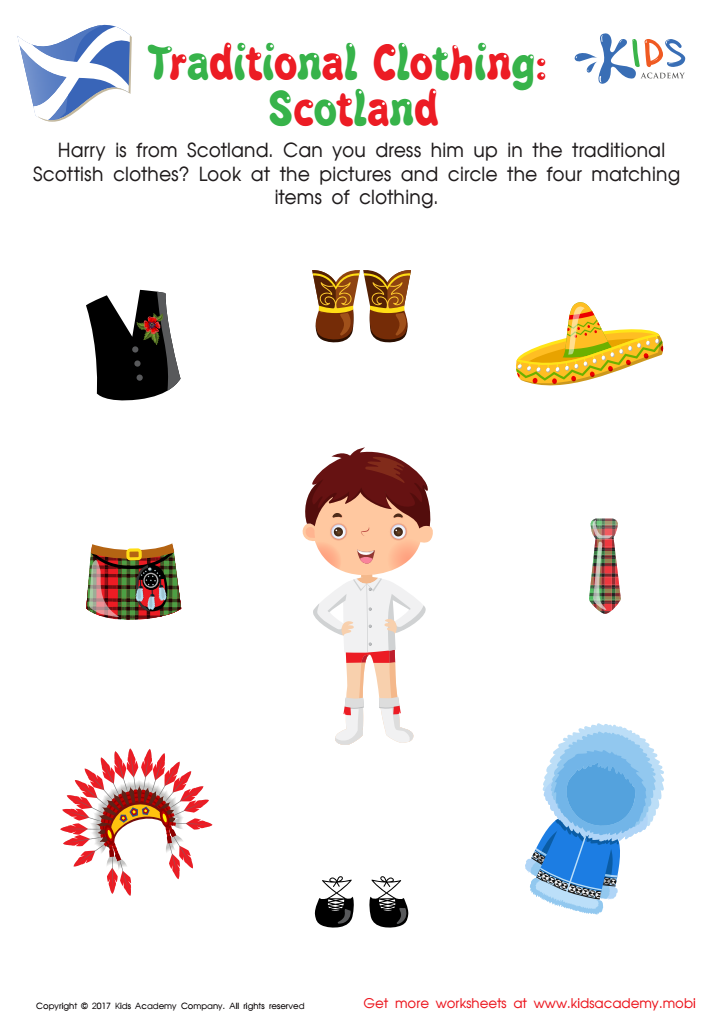
Traditional Clothing in Scotland Worksheet
Explore Scotland's traditional clothing without leaving home! This engaging worksheet will help your kid gain a new appreciation for different cultures. They'll have a blast learning about Scotland's clothing!
 Assign to My Students
Traditional Clothing in Scotland Worksheet
Worksheet
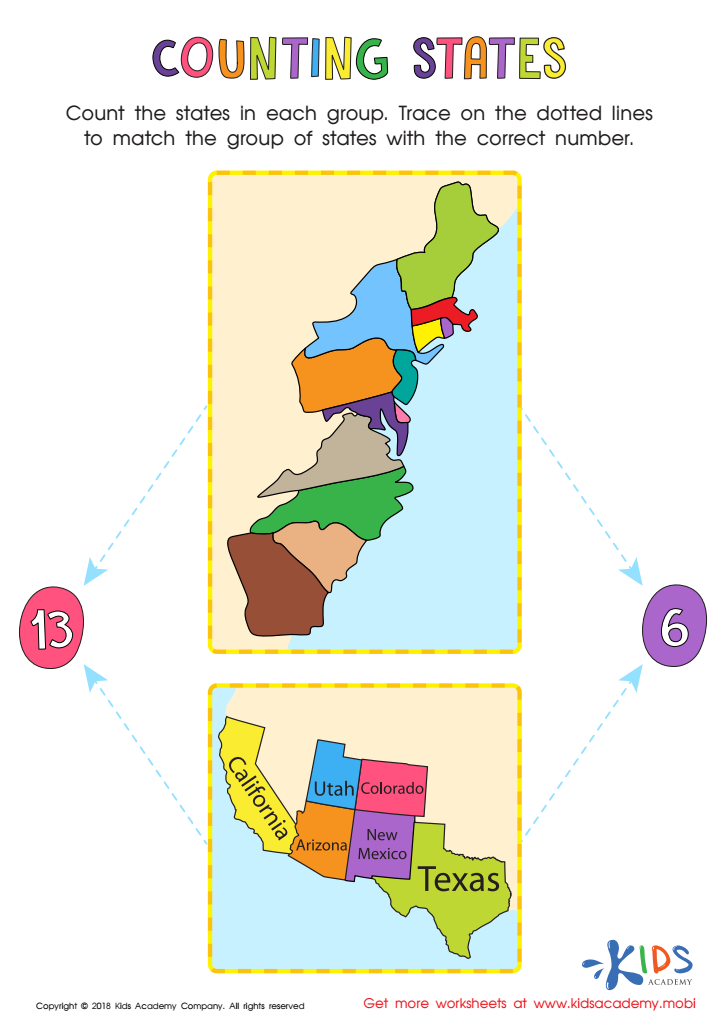
Counting States Worksheet
This fun and educative worksheet helps your kids learn more about their country. Ask them if they can name all the states, then help them trace on the dotted lines to match each state group to the correct number. Counting together is a fun way to reinforce learning.
Counting States Worksheet
Worksheet
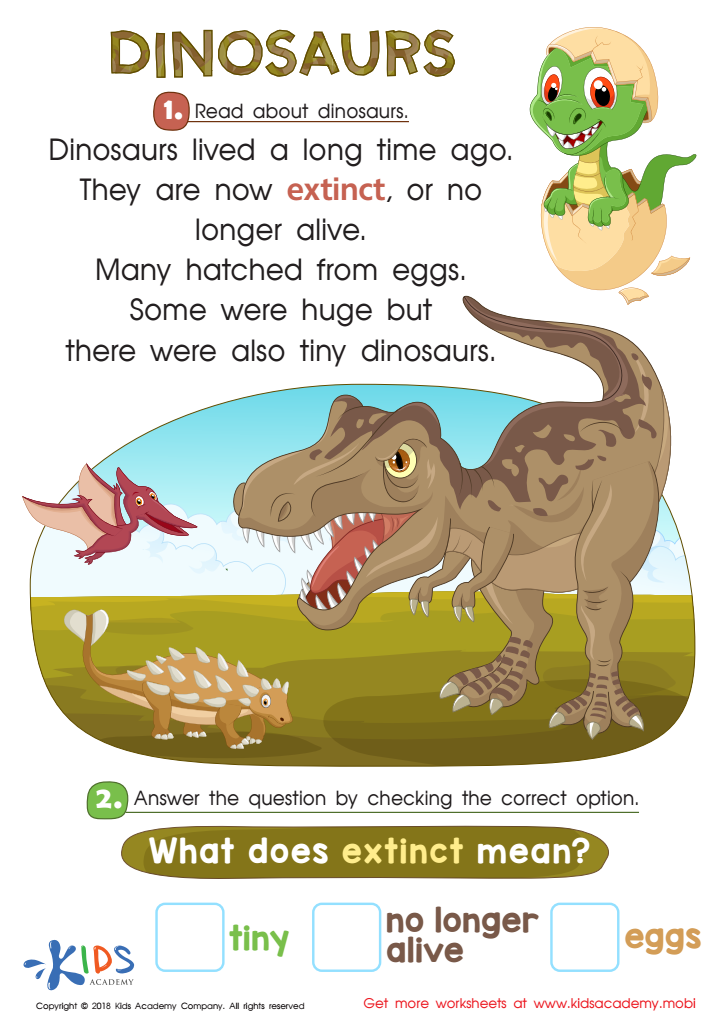
Dinosaurs Worksheet
Kids are often fascinated by dinosaurs, creatures that roamed the Earth before man. Sadly, they are now extinct. To learn more, read facts on this worksheet to your kids and help them answer the question at the end by selecting the correct option.
Dinosaurs Worksheet
Worksheet
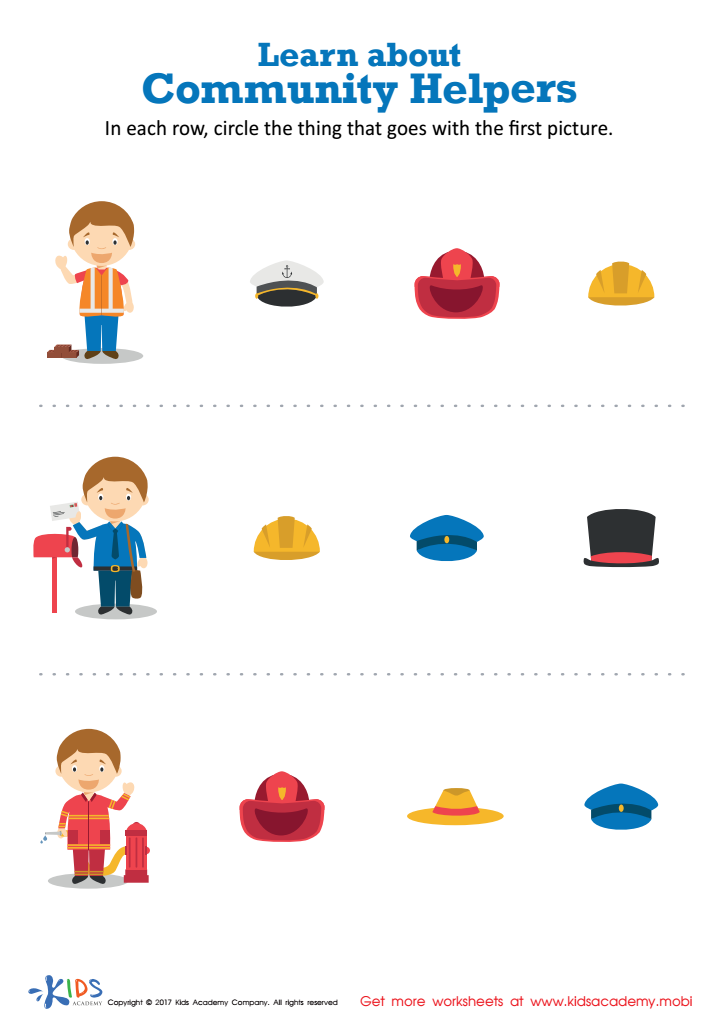
Learn about Community Helpers Printable
Introduce your little one to the amazing and hard-working people in the community with this free worksheet. It will help them use matching and observational skills to match the correct hat to its worker and recognize community helpers. Perfect for early learners, this worksheet uses familiar images to help them gain a deeper appreciation for their community helpers!
Learn about Community Helpers Printable
Worksheet
Join Kids Academy for Free
Who is primarily going to use this learning content?







Identification skills in Grade 1 are crucial for a child's development and academic success. At this early stage, children begin to recognize and understand various concepts, which are foundational for future learning. Parents and teachers should prioritize these skills because they significantly influence a child's ability to decode language, understand mathematics, and engage meaningfully with their environment.
Effective identification skills enable children to distinguish between letters and sounds, recognize numbers and shapes, and identify objects and emotions in their surroundings. This ability aids in phonemic awareness and reading comprehension, which are essential for literacy. Socially, when children learn to identify emotions and social cues, they enhance their interpersonal skills and empathy.
Furthermore, fostering these skills early on can build a child's confidence and motivation to learn. When children feel competent in identifying and comparing new concepts, they are more likely to engage actively in classroom activities and discussions. Early development of identification skills lays a strong foundation for critical thinking and problem-solving, which are vital for academic achievement in later years. Therefore, parents and teachers should collaborate to nurture and support these essential skills, ensuring children are prepared for future educational challenges.