Vocabulary Building Grade 1 Worksheets
31 filtered results
-
From - To
Dive into our Vocabulary Building Grade 1 Worksheets, designed to enhance young learners' language skills in a fun and engaging way! These printable activities feature vibrant illustrations and interactive exercises that promote word recognition and comprehension. Each worksheet is tailored to reinforce essential vocabulary, making learning enjoyable for first graders. Your child will explore various themes, including animals, food, and everyday objects, while developing critical thinking and language abilities. Perfect for home or classroom use, these worksheets encourage independent learning and boost confidence in early reading. Enhance your child's vocabulary today with our comprehensive collection of engaging worksheets!
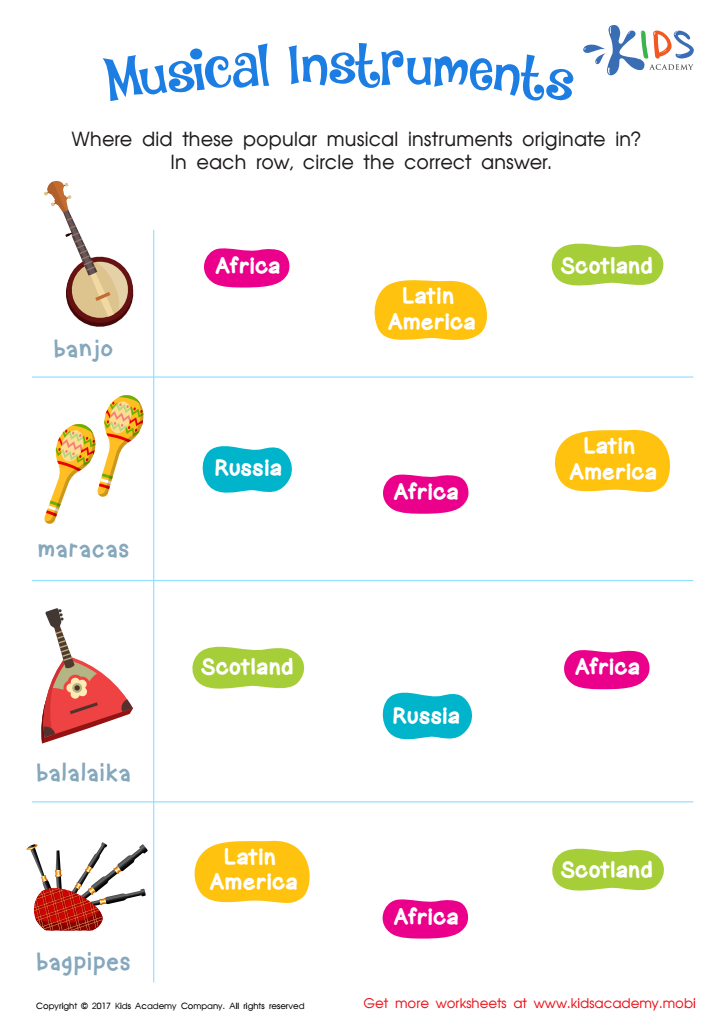
Musical Instruments Printable
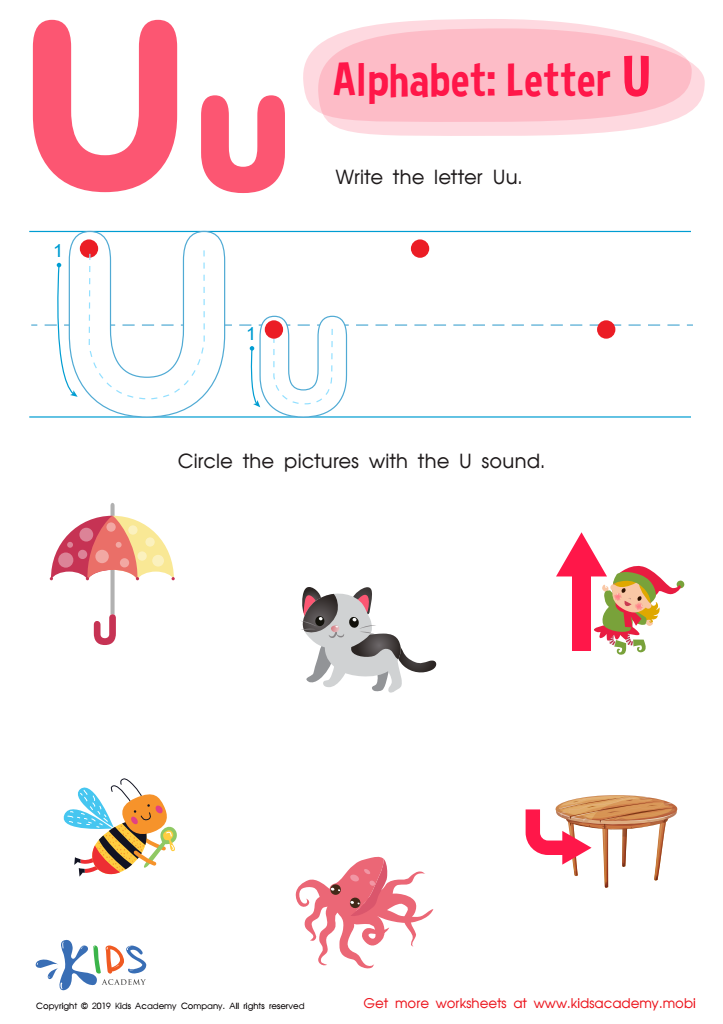
Letter U Tracing Worksheet
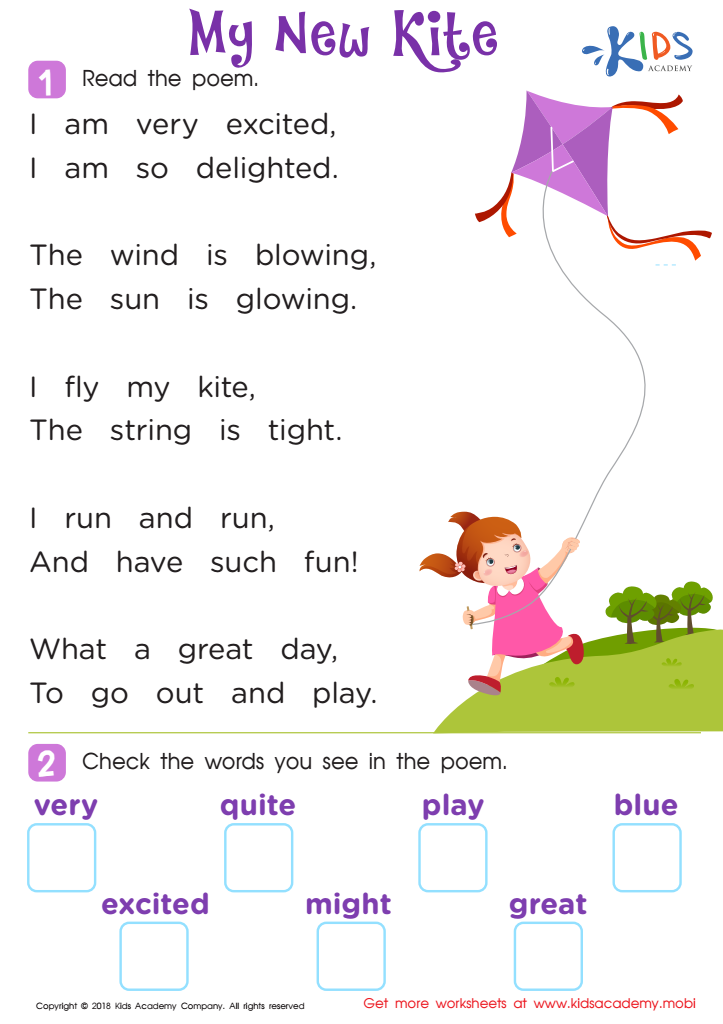
Poem: My New Kite Worksheet
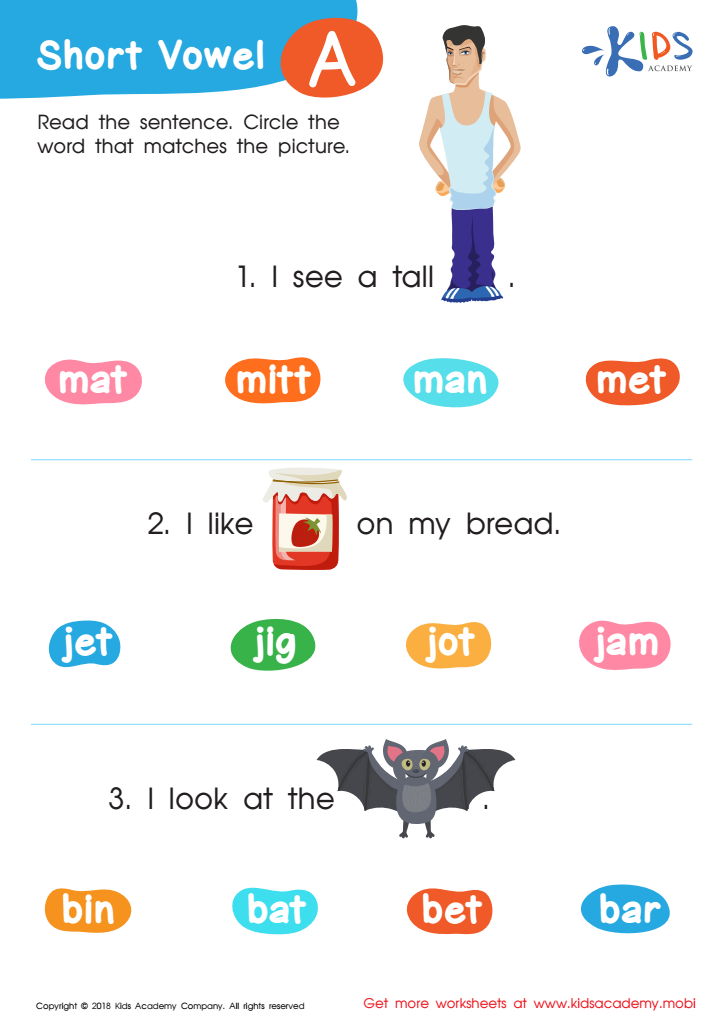
Short Vowel /a/ Worksheet
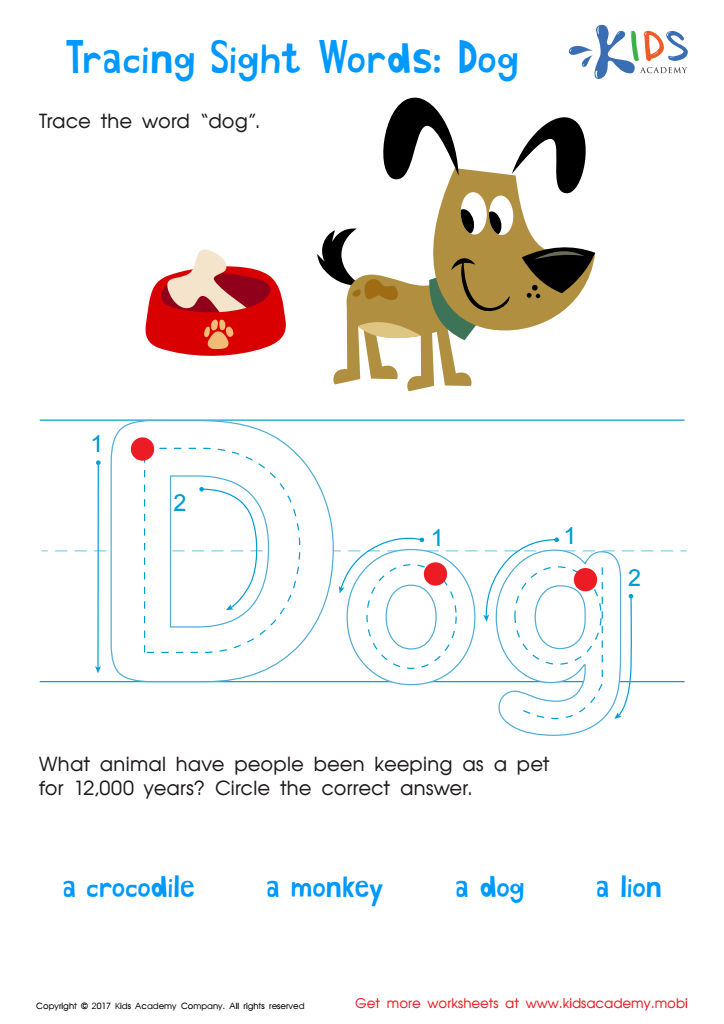
Dog Worksheet Sight Words Worksheet
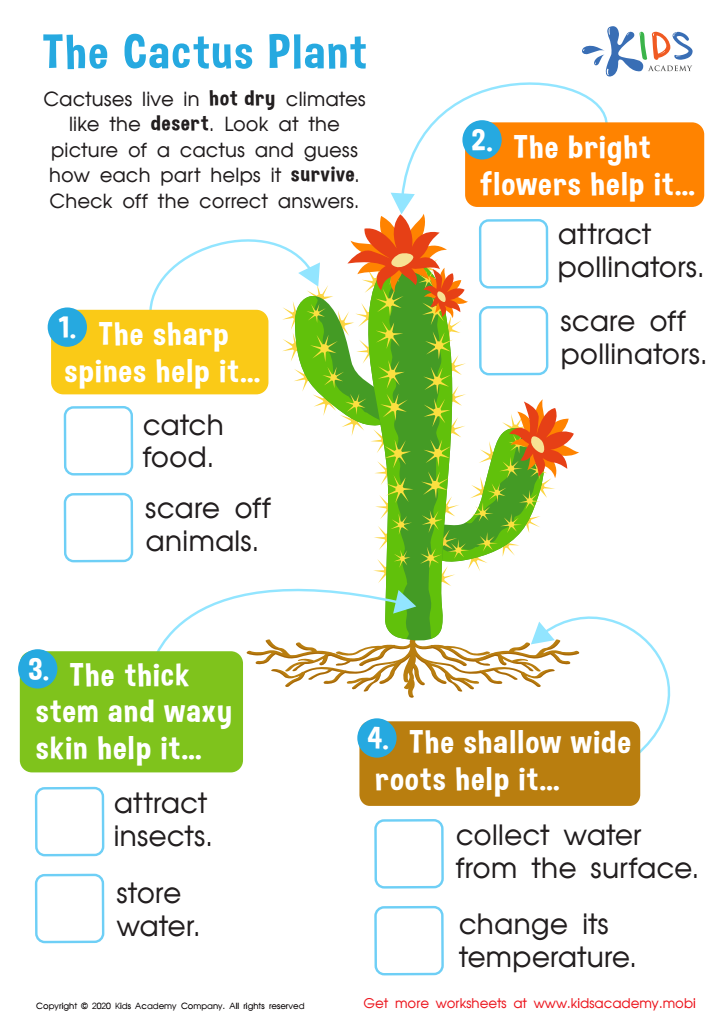
The Cactus Plant Worksheet
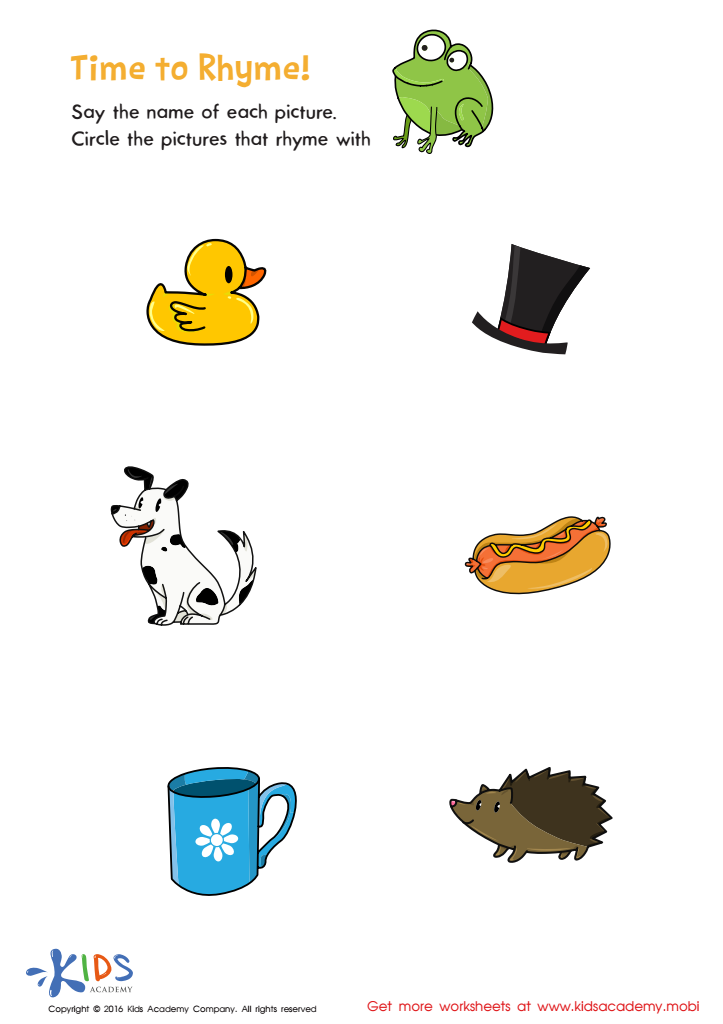
Rhyming Worksheet: Time to Rhyme Rhyming Worksheet
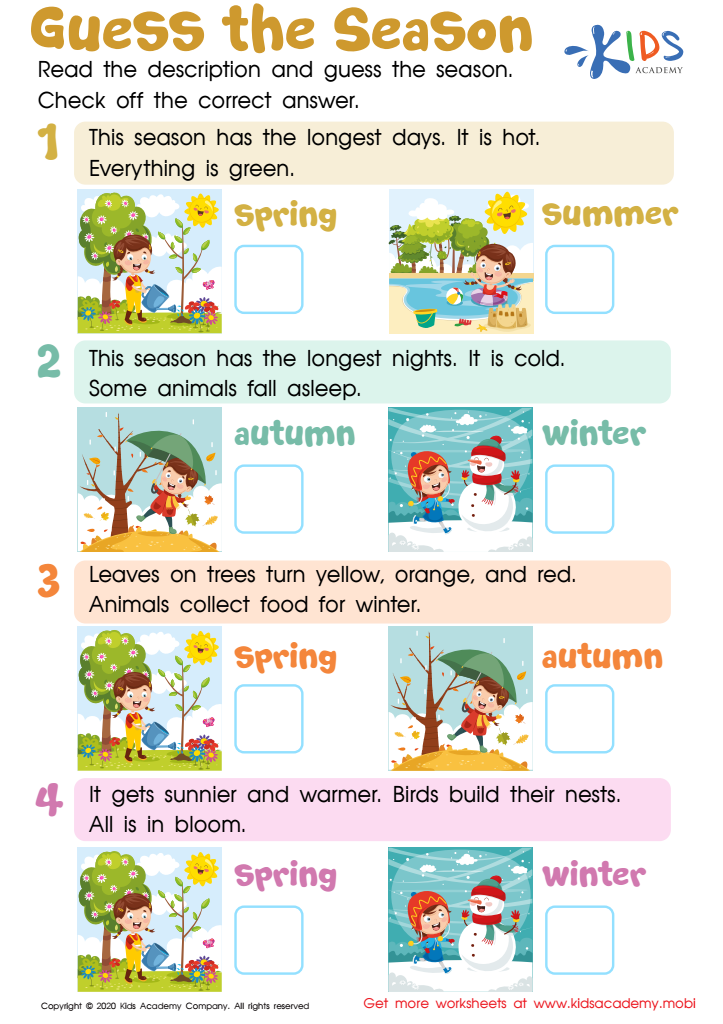
Guess the Season Worksheet
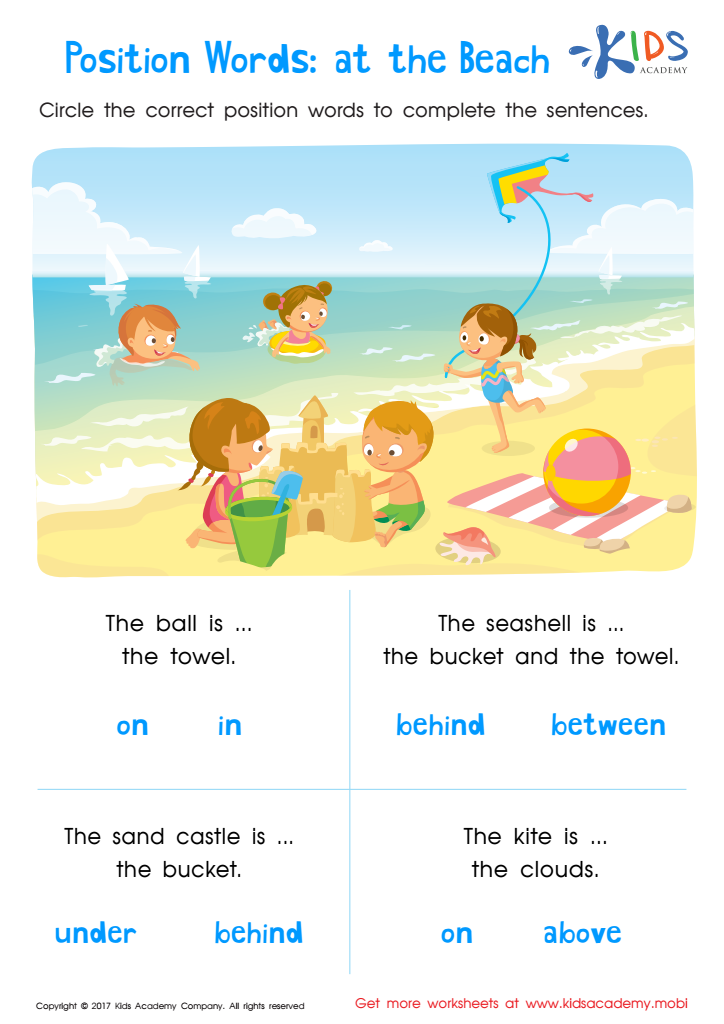
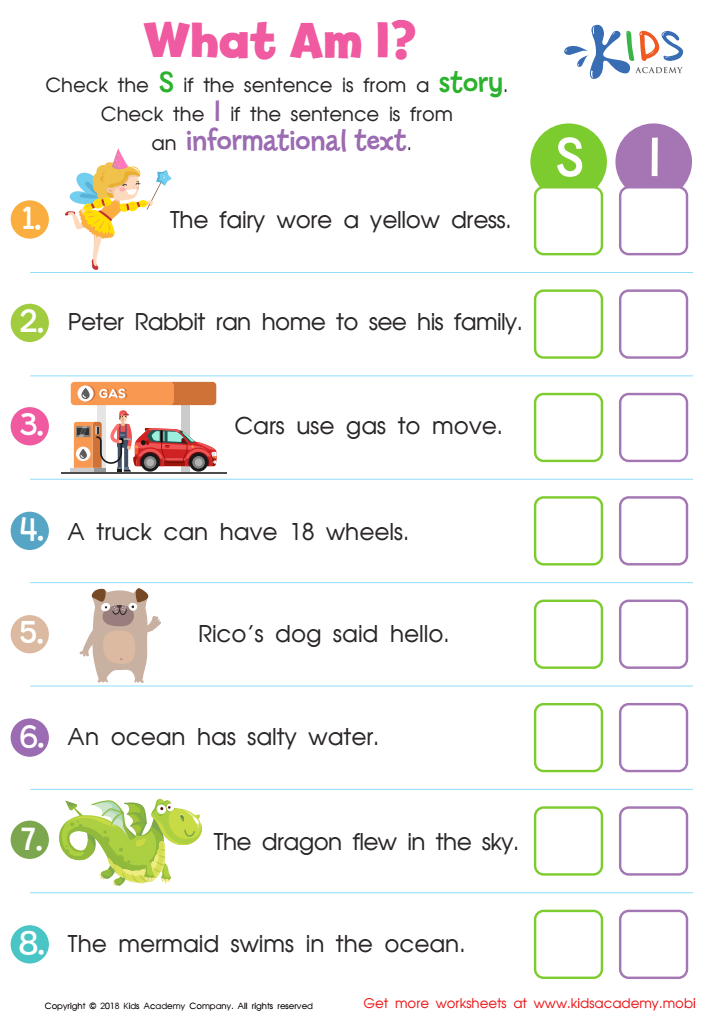
What Am I? Worksheet
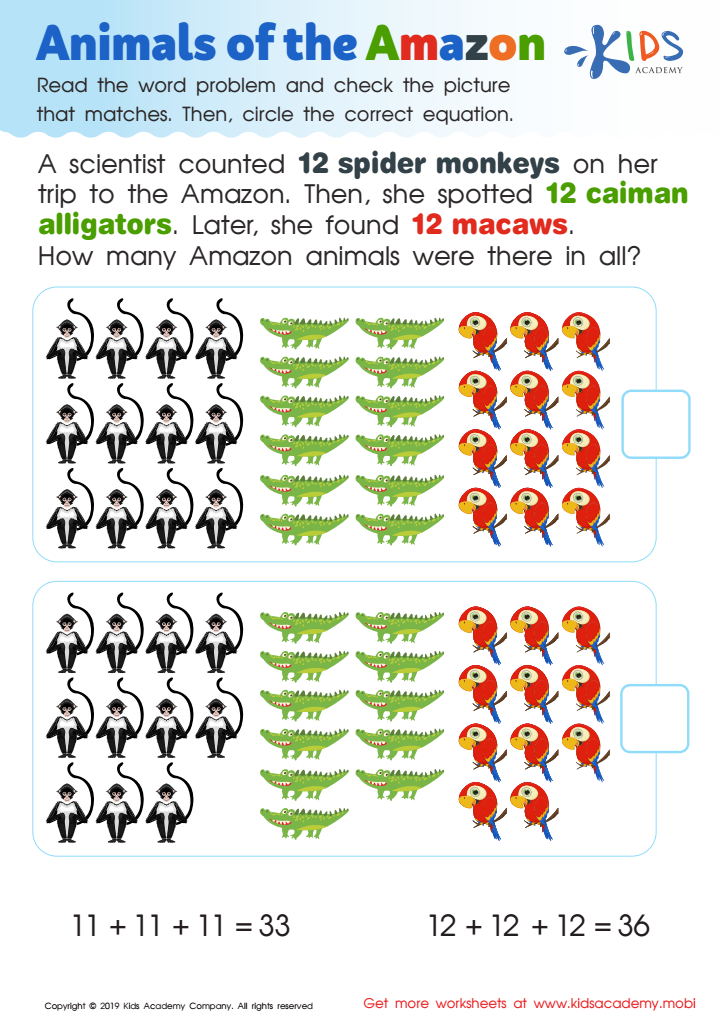
Animals of Amazon Worksheet
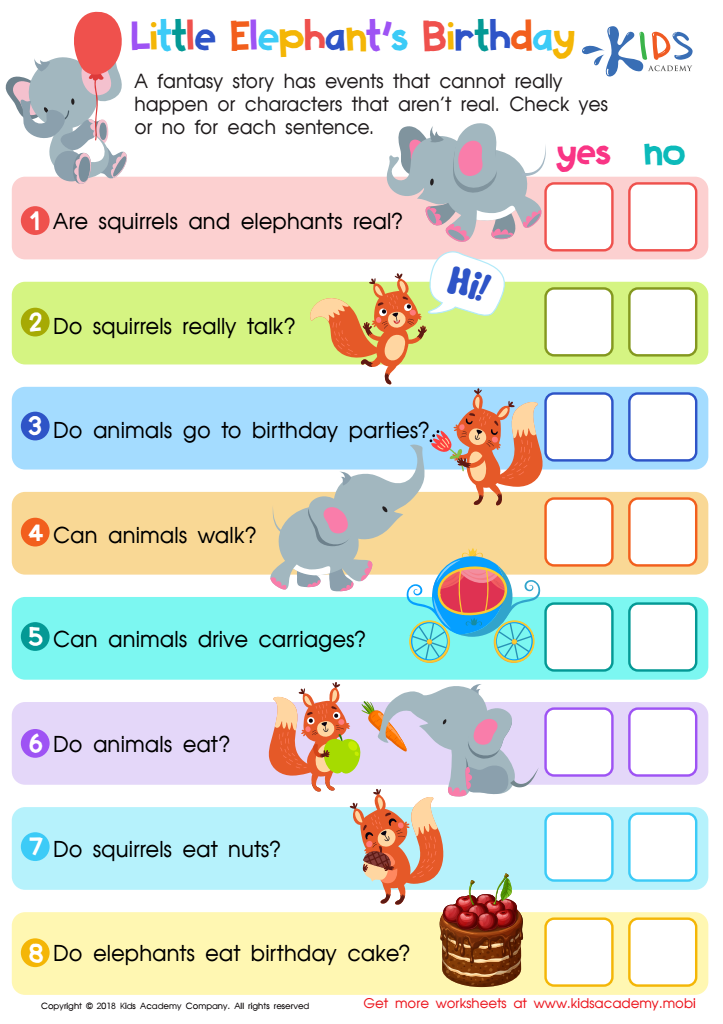
Little Elephant's Birthday Worksheet
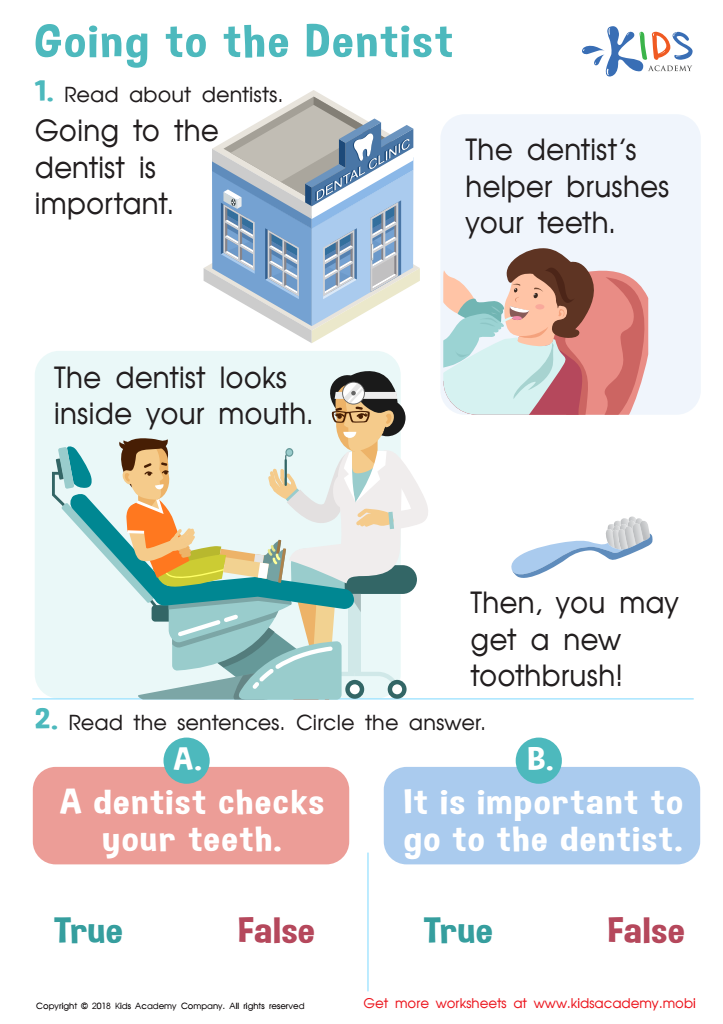
Going to the Dentist Part 2 Worksheet
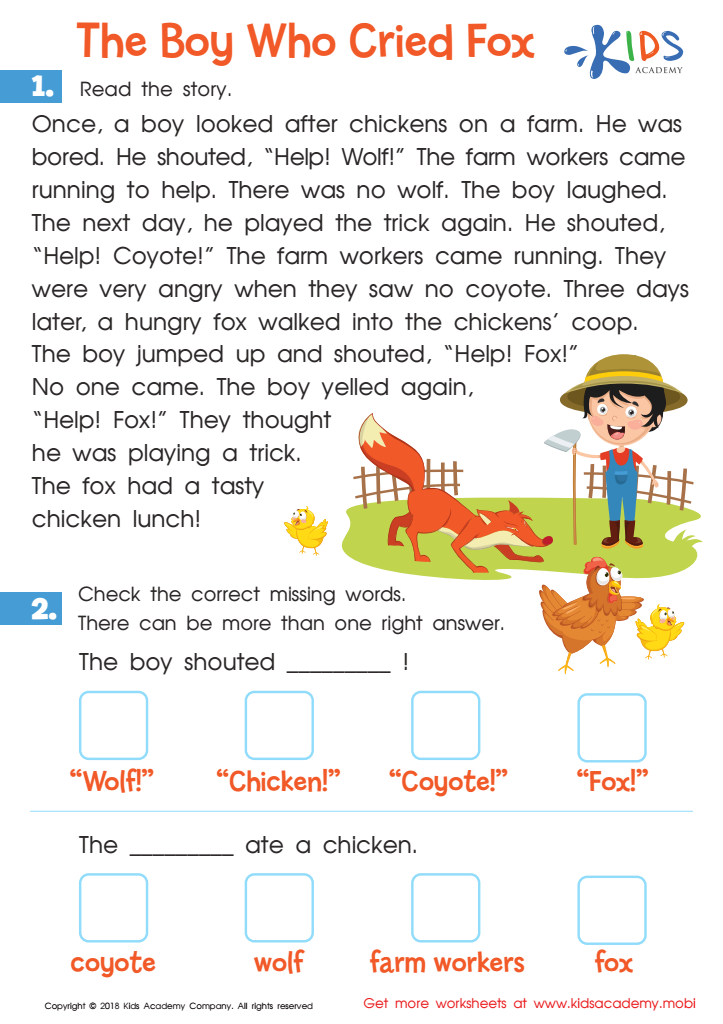
The Boy Who Cried Fox Worksheet
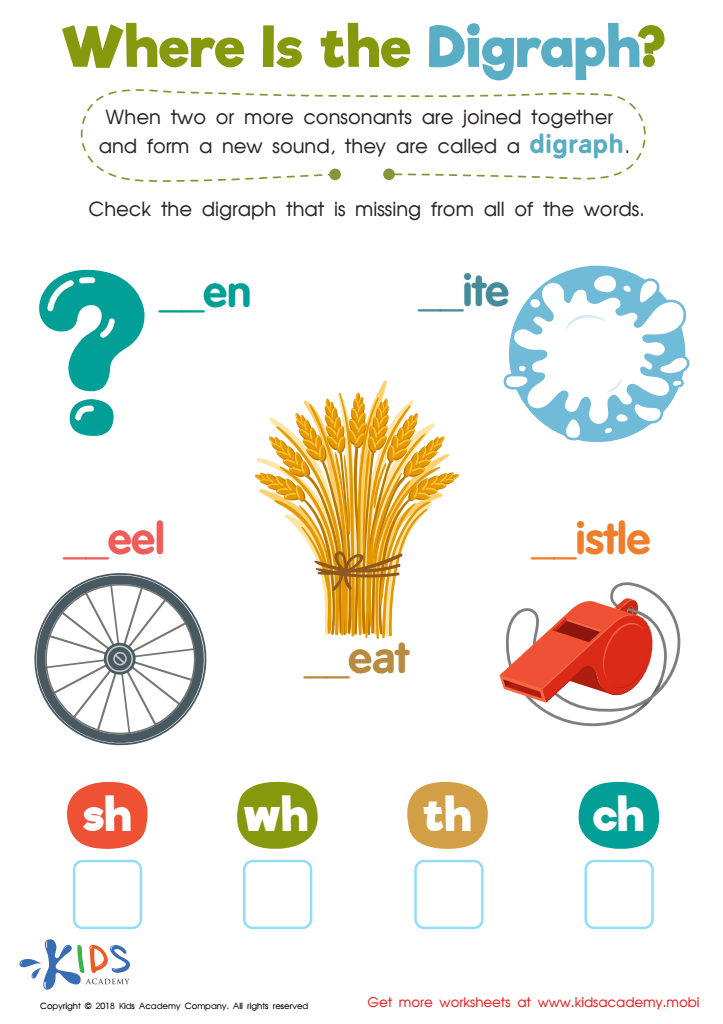
Where Is the Digraph? Worksheet
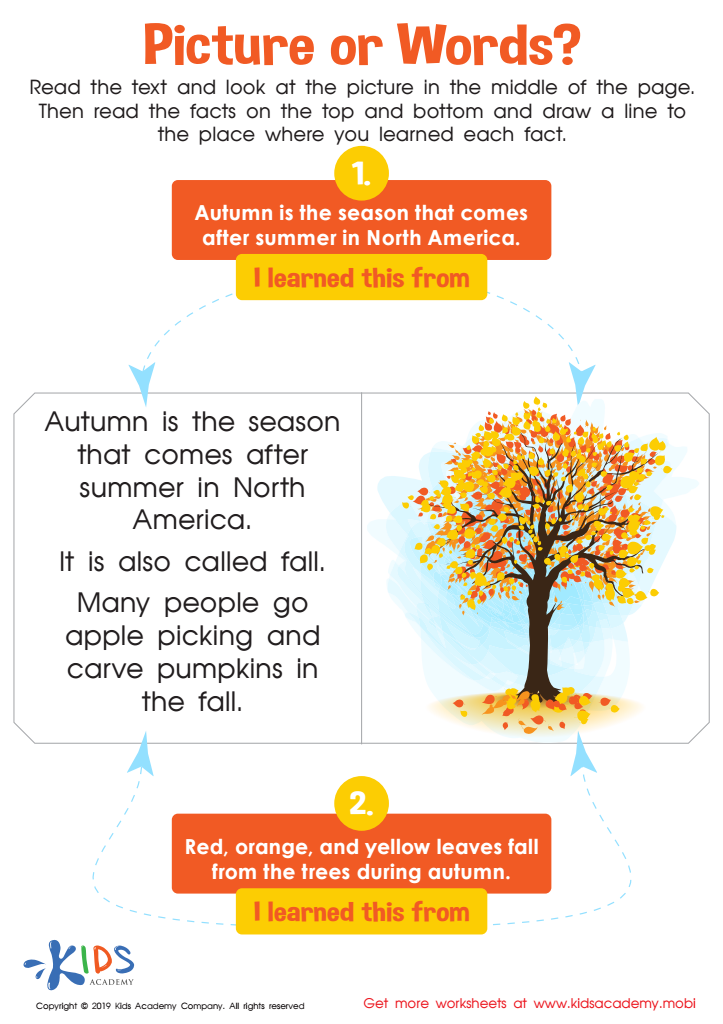
Picture Words Worksheet
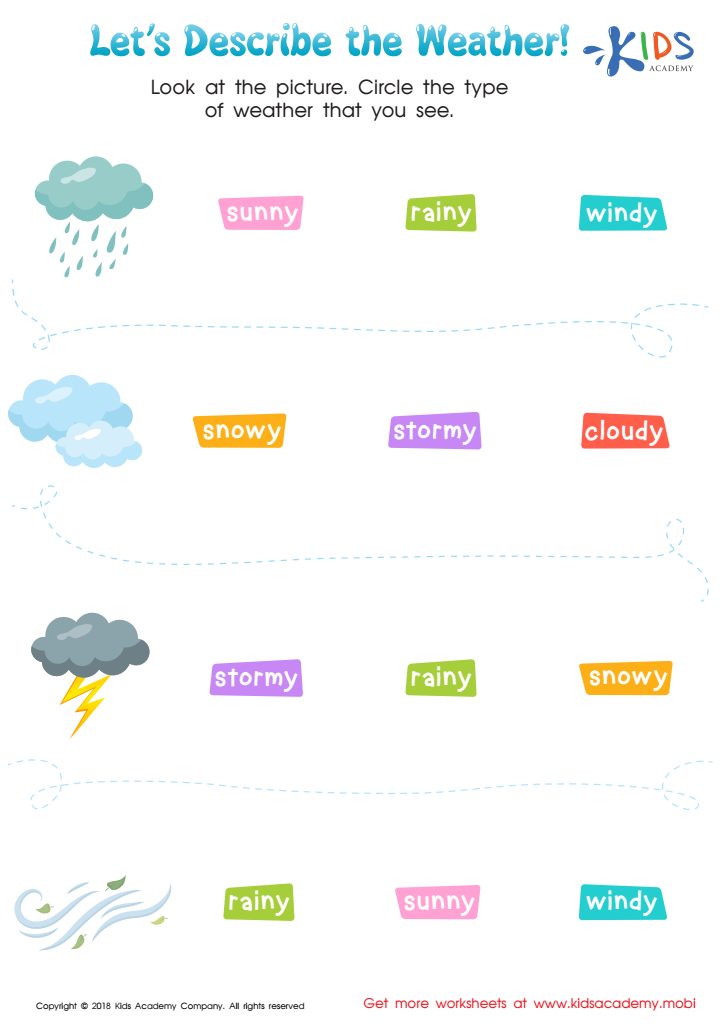
Let's Describe the Weather! Worksheet
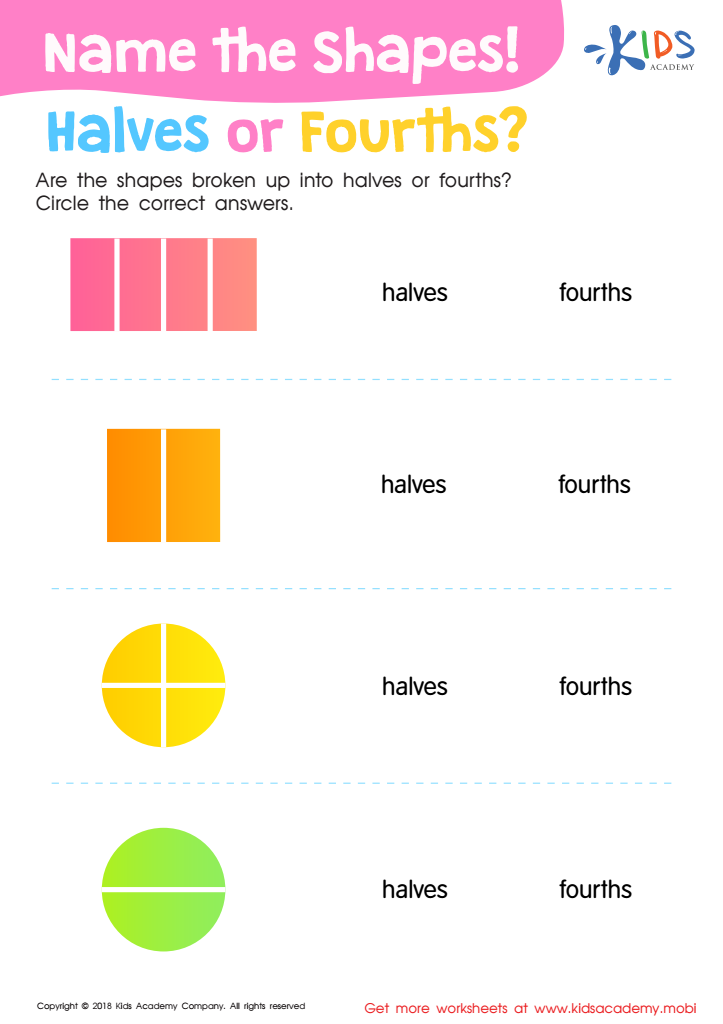
Name the Shapes Halves or Fourths? Worksheet
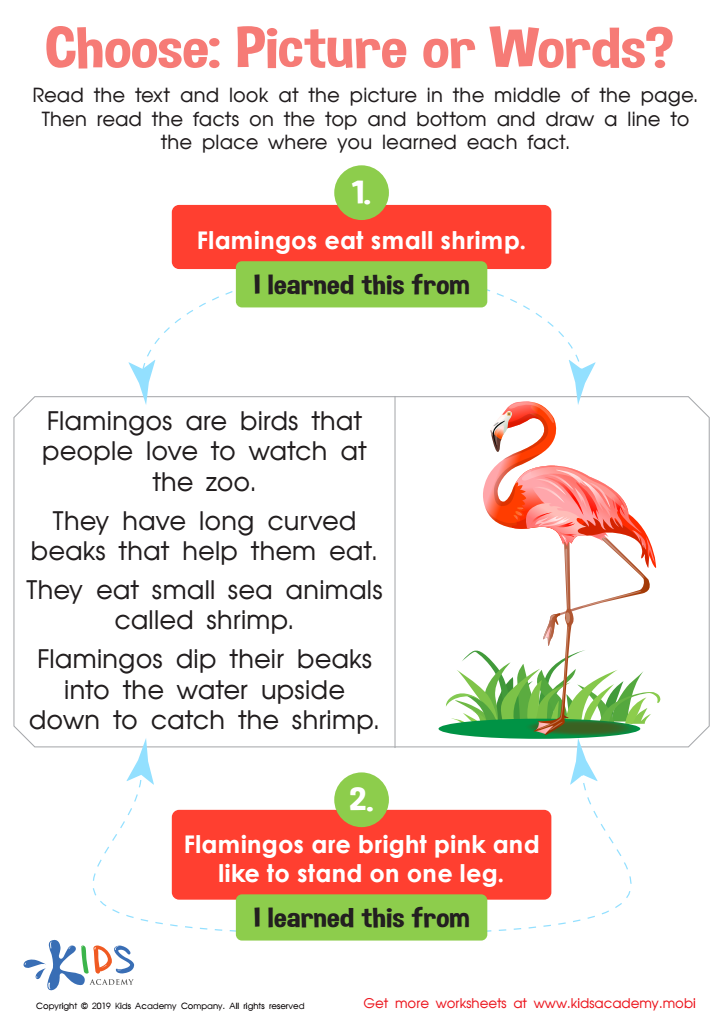
Choose Picture Words Worksheet
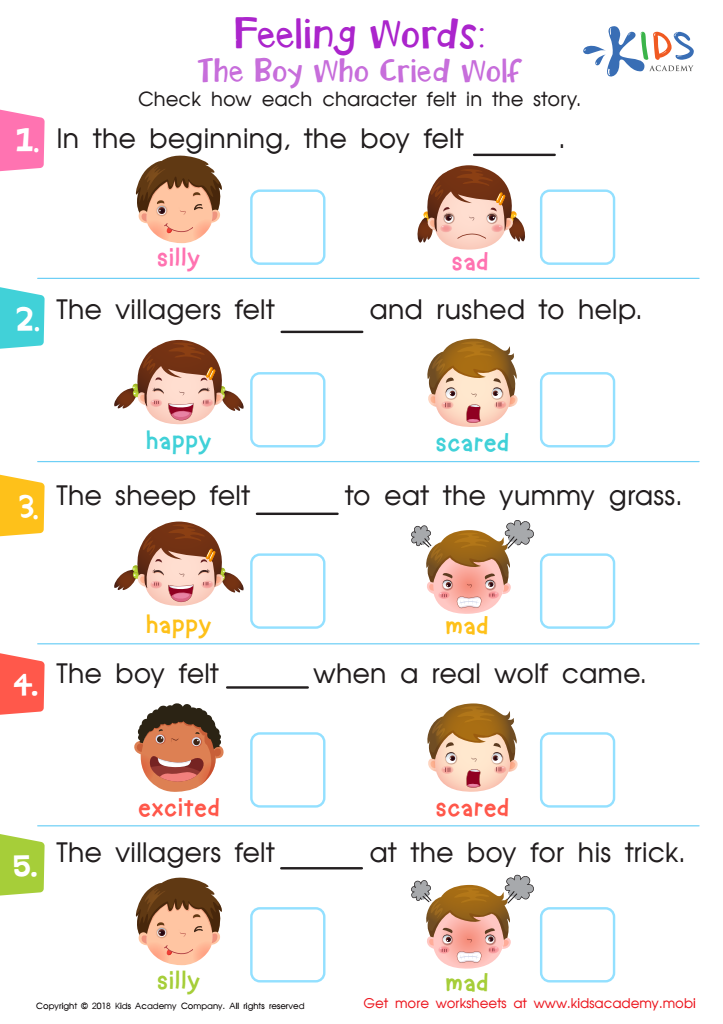
Feeling Words: The Boy Who Cried Wolf Worksheet
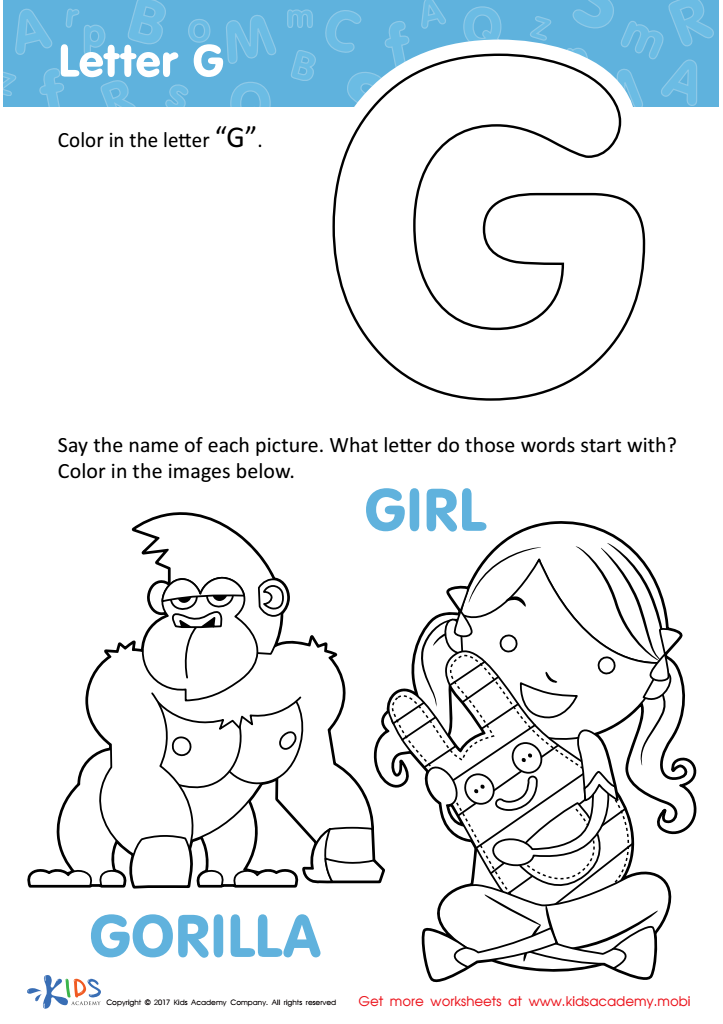
Letter G Coloring Sheet
 Assign to My Students
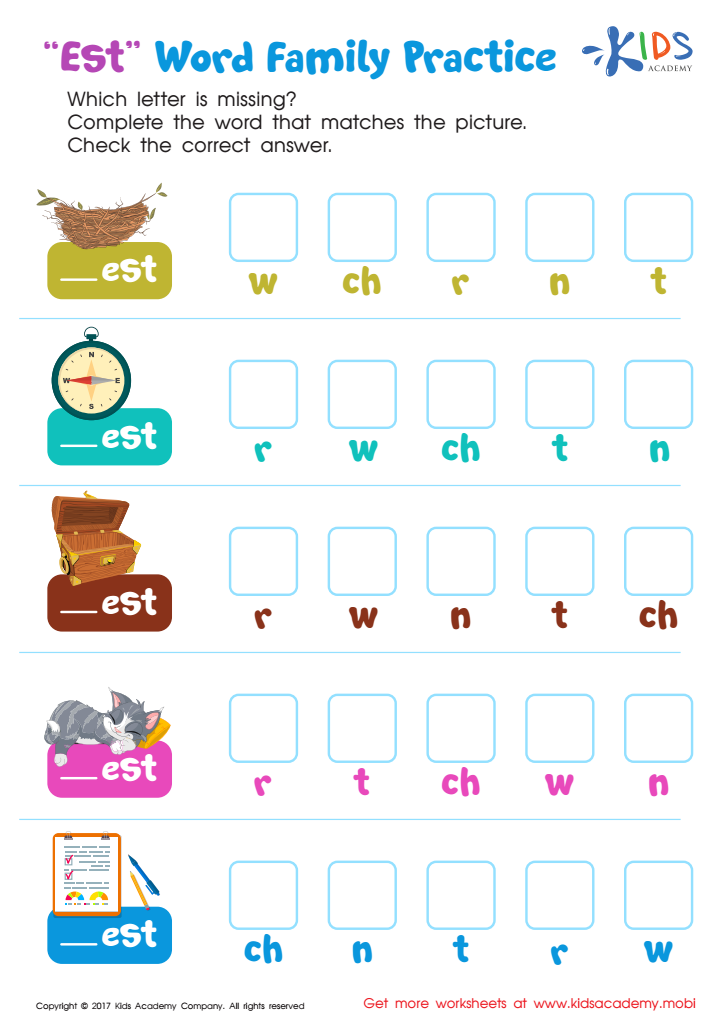
Words Family "est" Spelling Worksheet
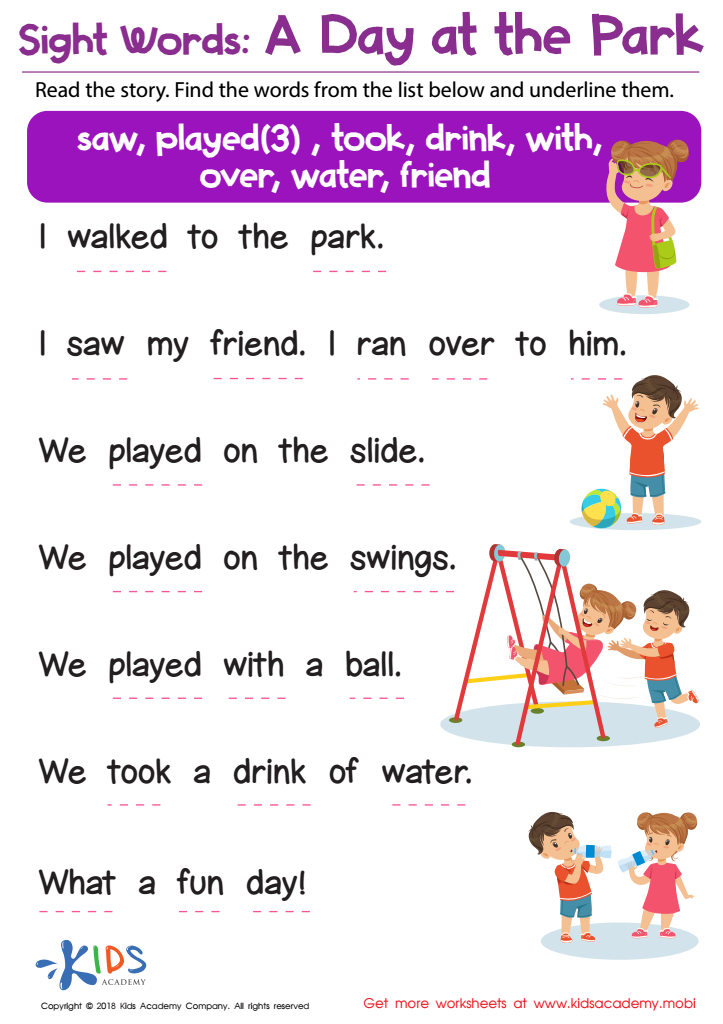
Sight Words: A Day at the Park Worksheet
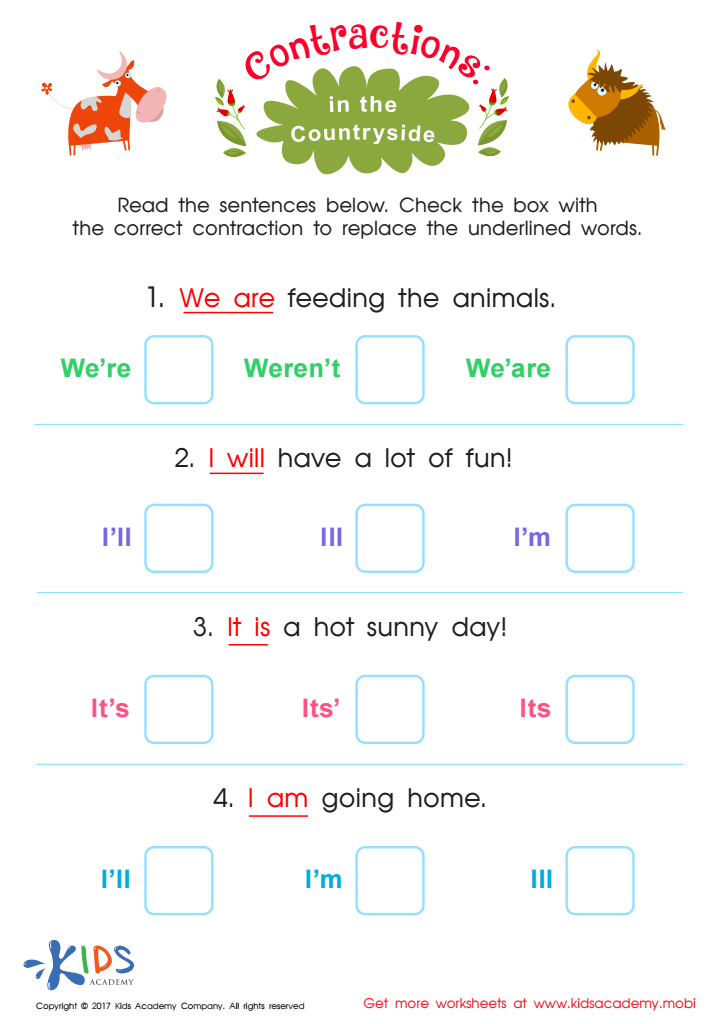
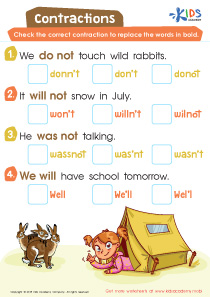
Contractions: In the Countryside Worksheet








Vocabulary building in Grade 1 is crucial as it lays the foundation for children's communication skills and reading comprehension. During this critical developmental stage, children expand their understanding of language, which directly influences their ability to express thoughts and feelings effectively. A rich vocabulary not only enhances speaking and writing skills but also is essential for listening and understanding in all subjects.
Mentioning vocabulary is particularly important in Grade 1 because students start engaging with more complex texts and ideas. The words they learn during this year significantly affect their ability to grasp new concepts as they move forward in education. Furthermore, a strong vocabulary supports performance on assessments tied to literacy and academic achievement.
Parents and teachers play a pivotal role in fostering vocabulary growth through engaging activities like reading aloud, storytelling, and interactive conversations. By immersing children in diverse language experiences, they create environments ripe for learning and curiosity. Ultimately, a well-developed vocabulary opens up opportunities, enhances self-esteem, and prepares children for lifelong learning. By prioritizing vocabulary building now, parents and teachers can ensure that students are equipped for future academic challenges and everyday interactions.