Shape Recognition Grade 1 2D Shapes Worksheets
13 filtered results
-
From - To
Boost your first grader's geometry skills with our engaging Shape Recognition Grade 1 2D Shapes Worksheets! Designed to make learning fun and effective, these worksheets help young learners identify, trace, and understand basic 2D shapes such as circles, squares, triangles, and rectangles. Perfect for reinforcing classroom lessons or providing extra practice at home, our worksheets feature a variety of exercises, including matching shapes, completing patterns, and solving shape-based puzzles. With colorful visuals and age-appropriate activities, kids develop essential math skills while building a strong foundation for future geometry concepts. Try our free printable worksheets today and watch your child's confidence soar!
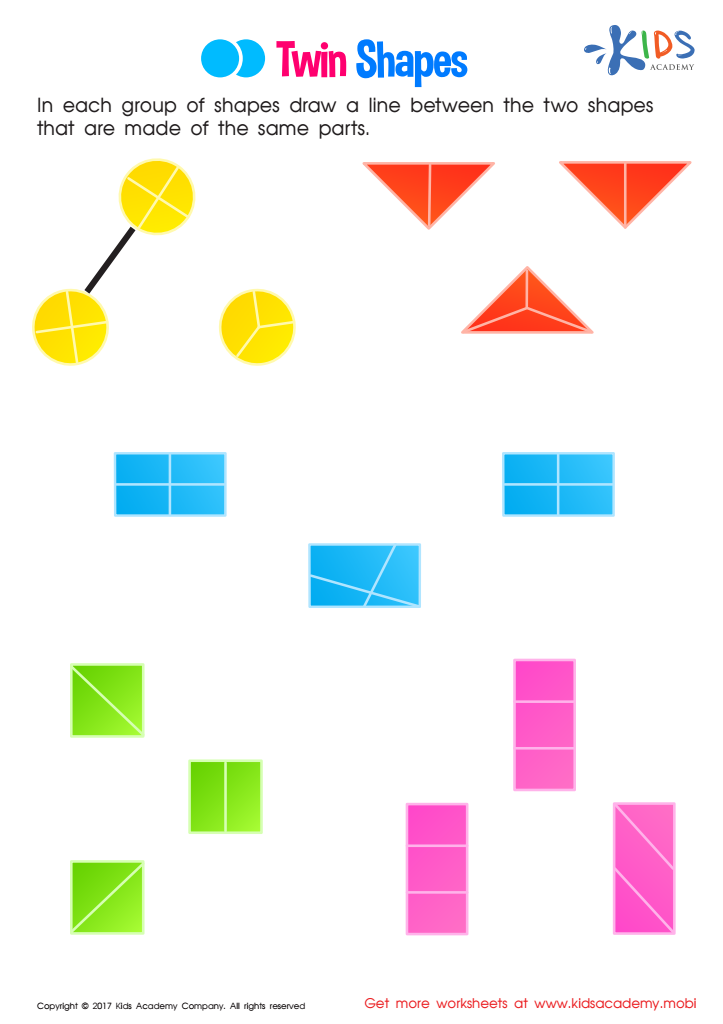
Twin Shapes Worksheet
 Assign to My Students
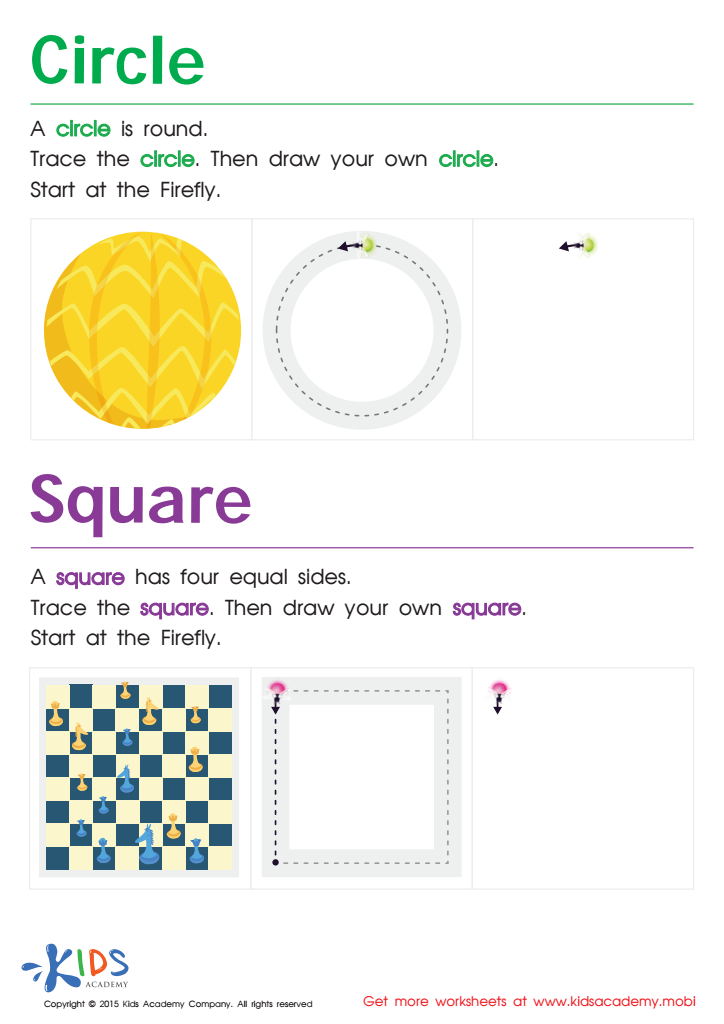
Trace And Draw a Circle And a Square Worksheet
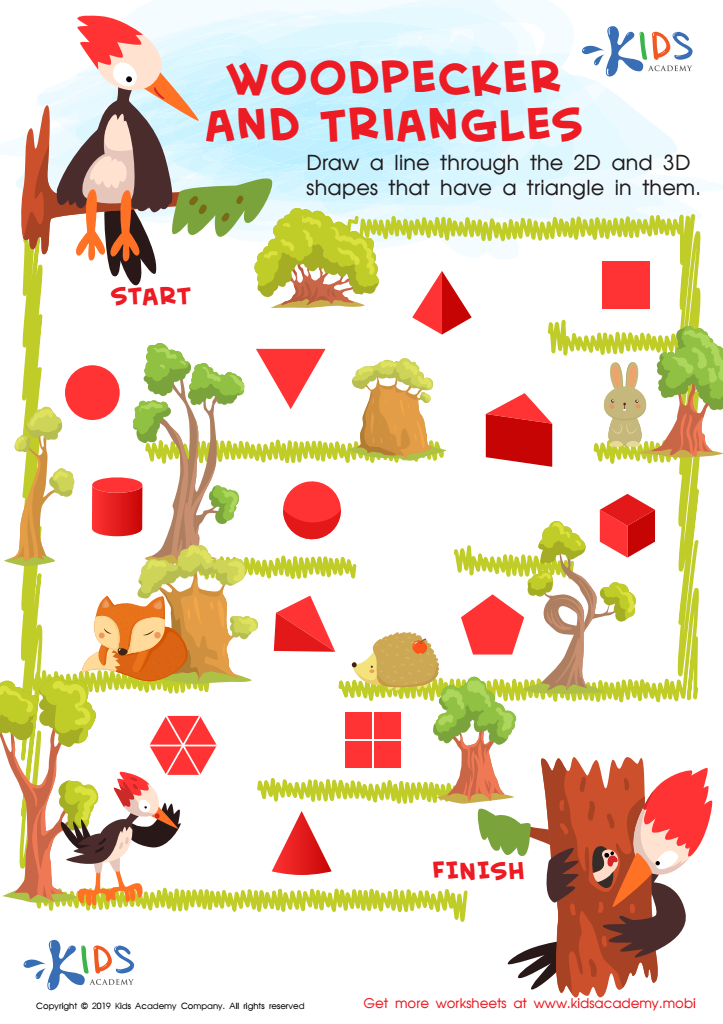
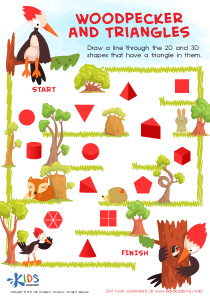
Woodpecker and Triangles Worksheet
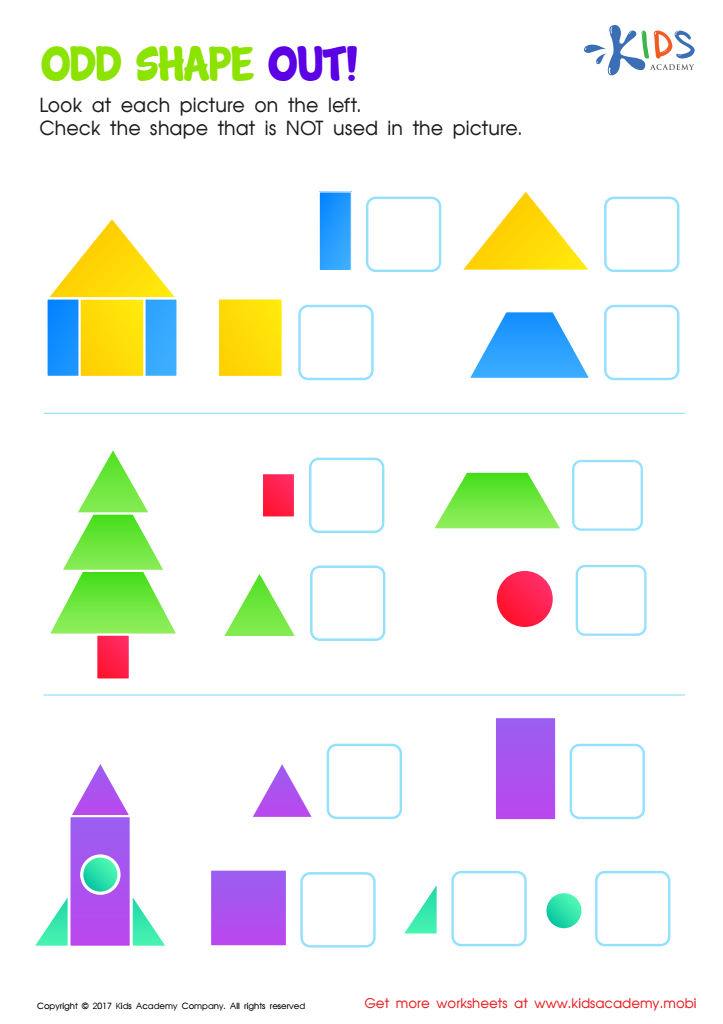
Odd Shape Out Worksheet for Grade 1
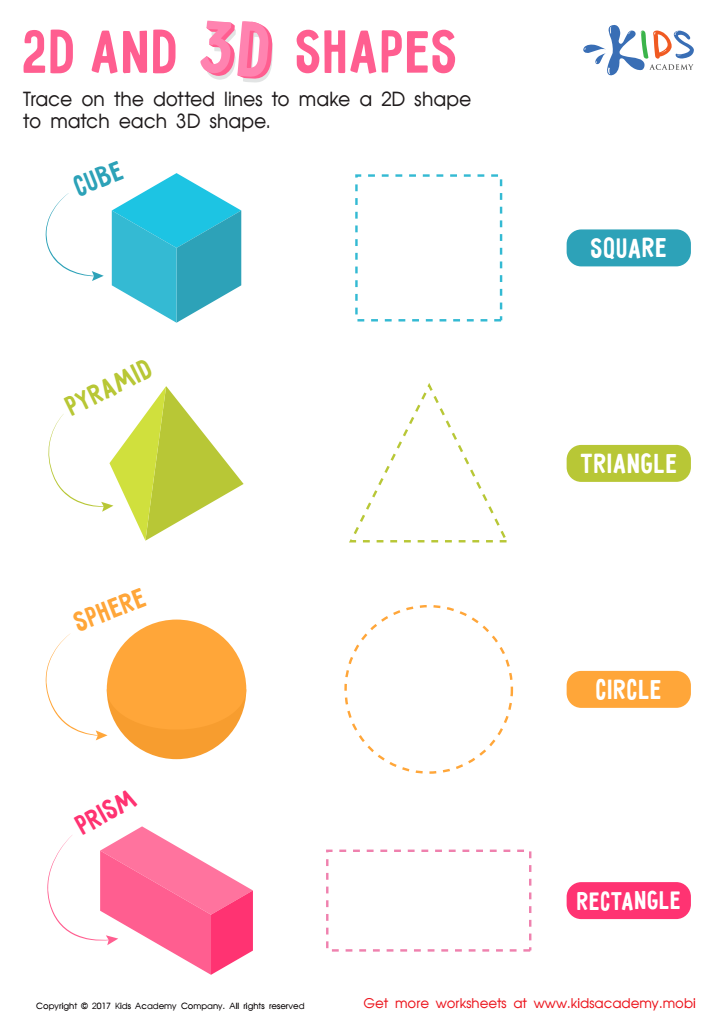
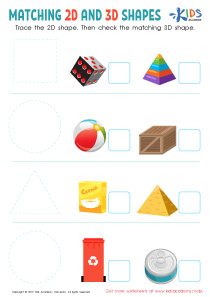
2D and 3D Shapes Worksheet
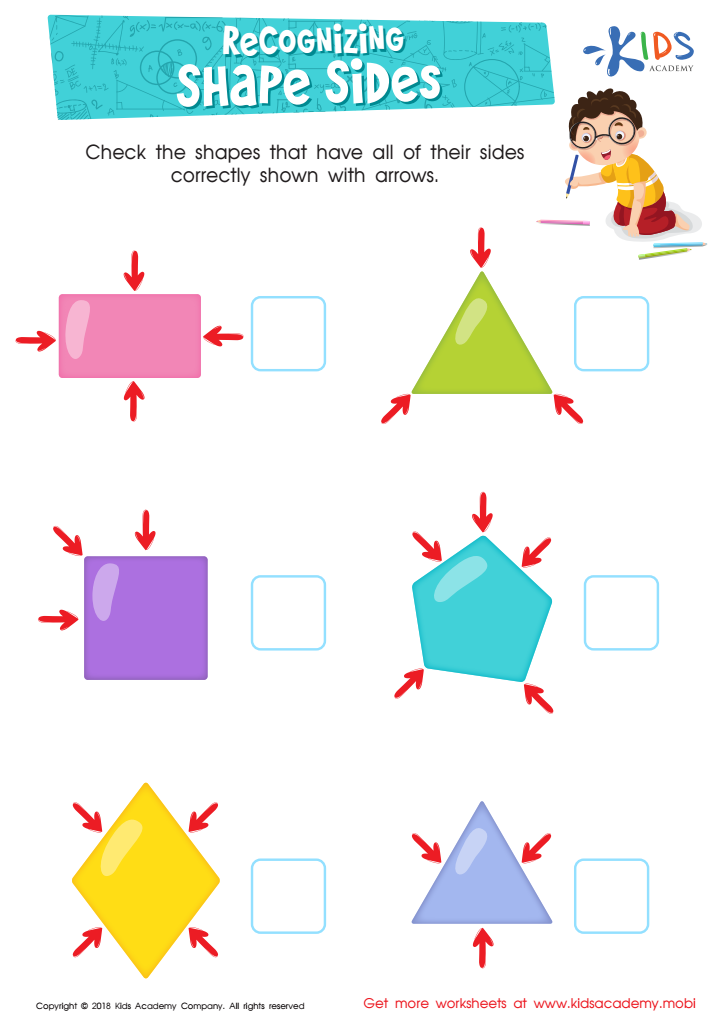
Recognizing Shape Sides Worksheet
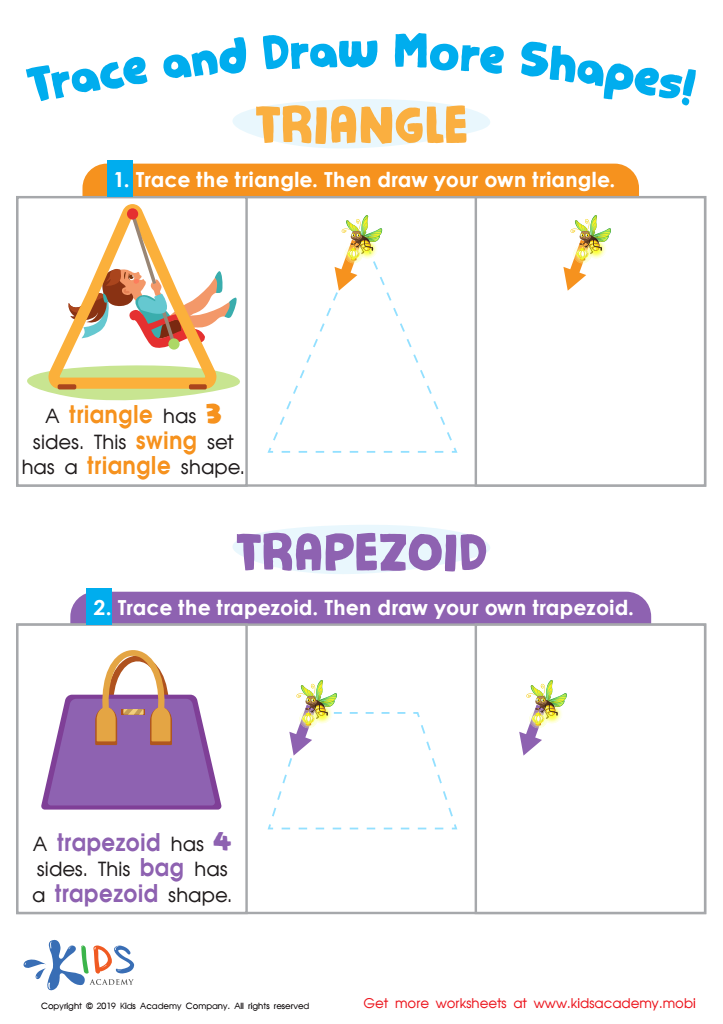
Trace and Draw More Shapes Worksheet
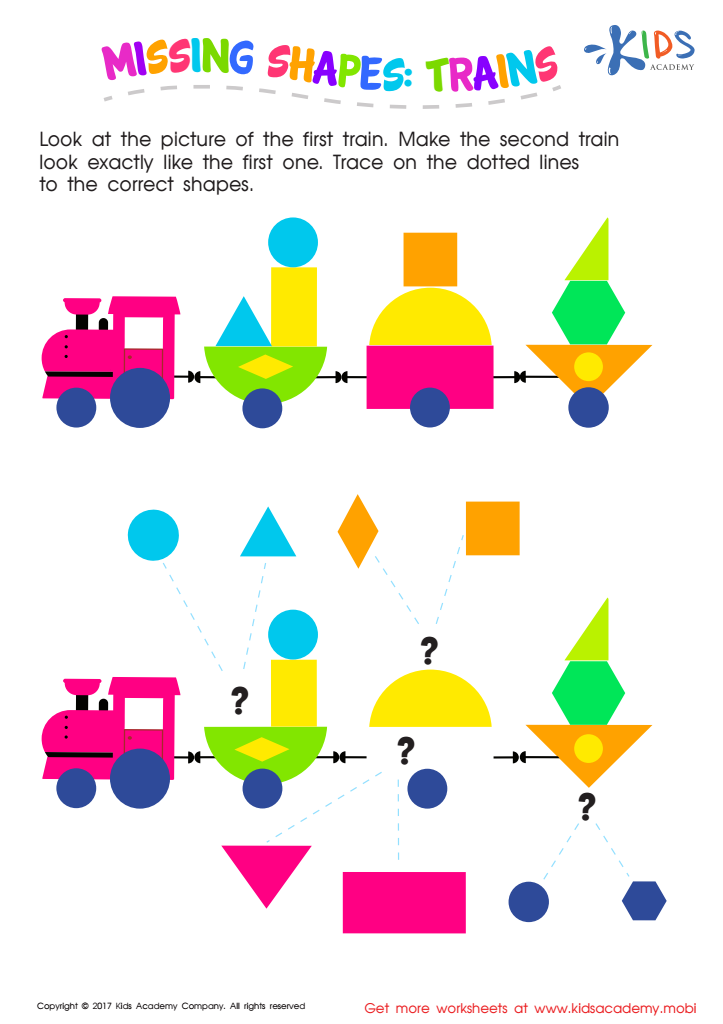
Missing Shapes: Trains Worksheet
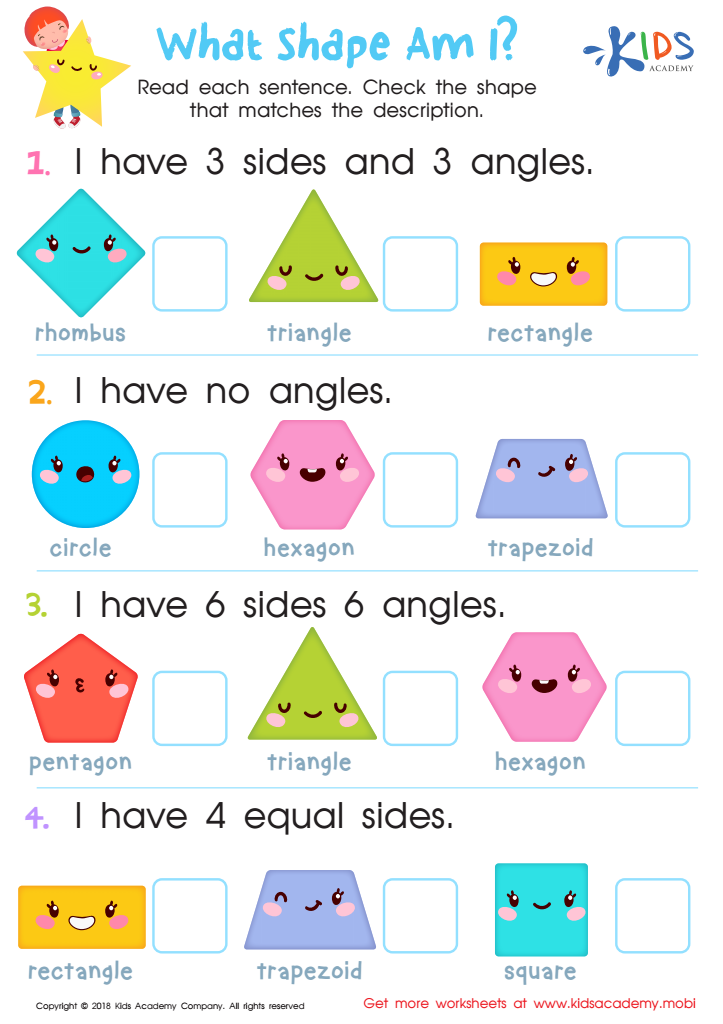
What Shape Am I? Worksheet
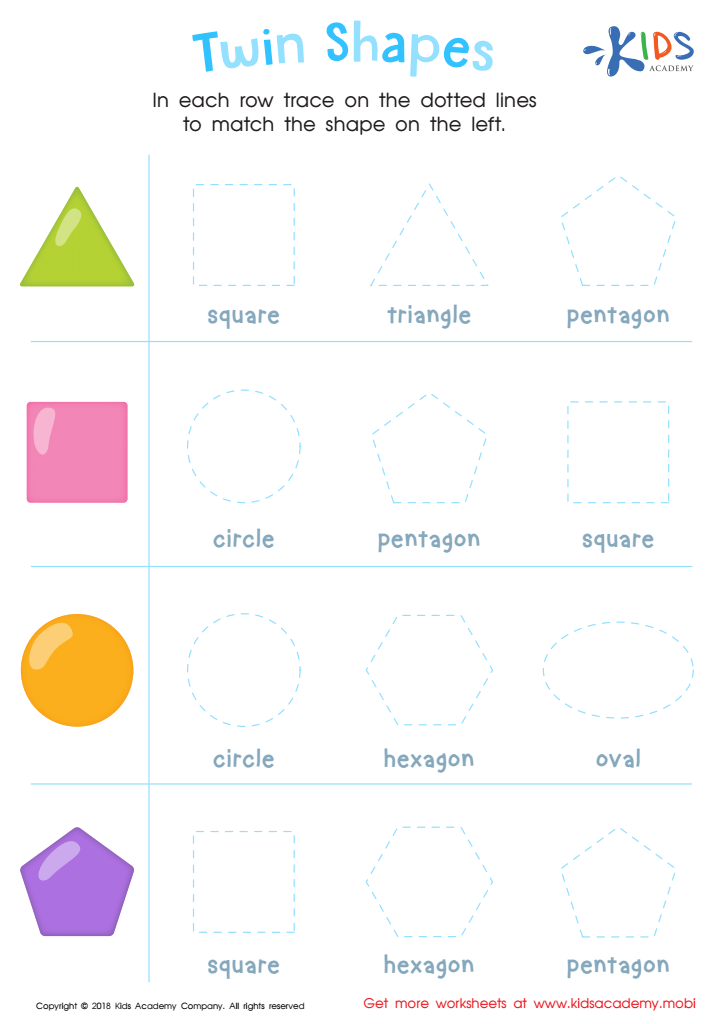
Twin Shapes Dot-to-Dot Worksheet
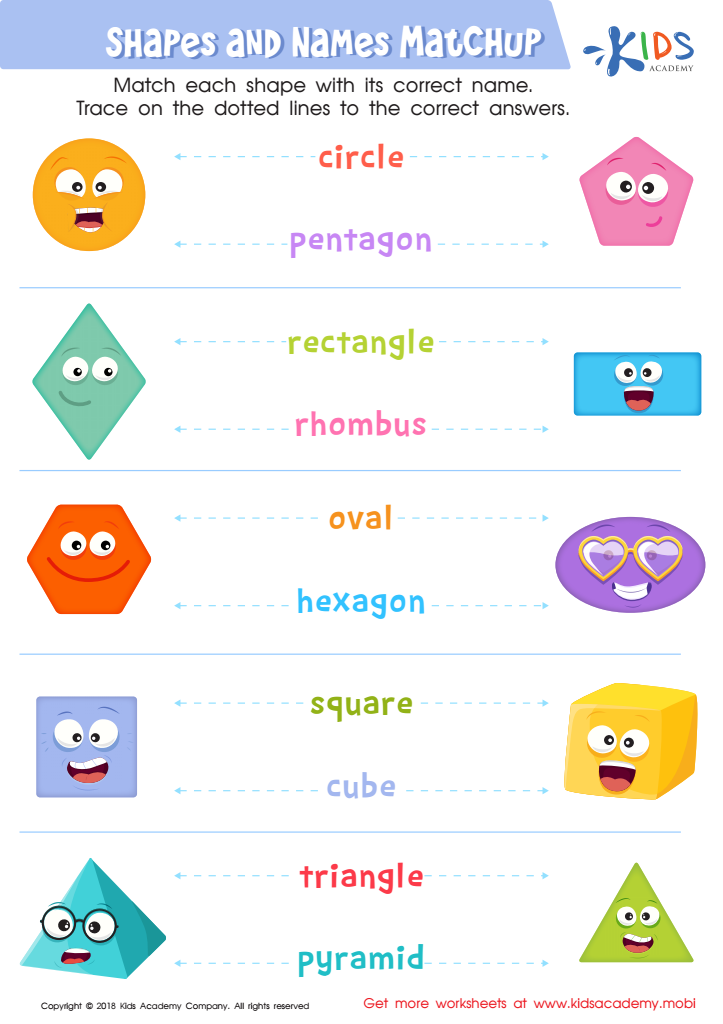
Shapes and Names Matchup Worksheet
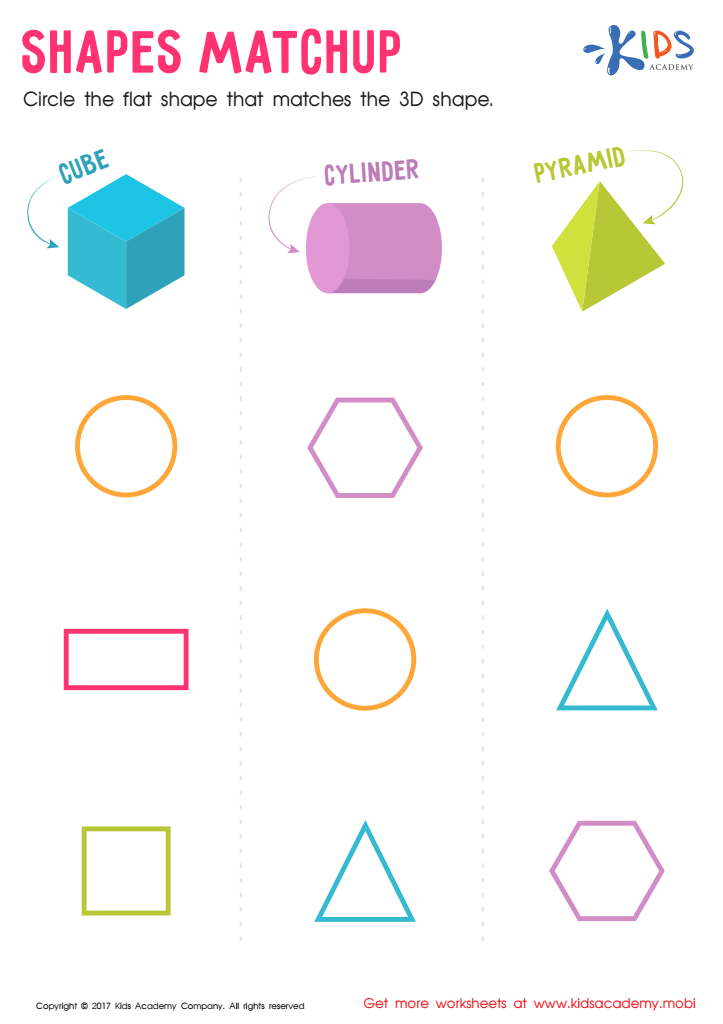
Shapes Matchup Worksheet
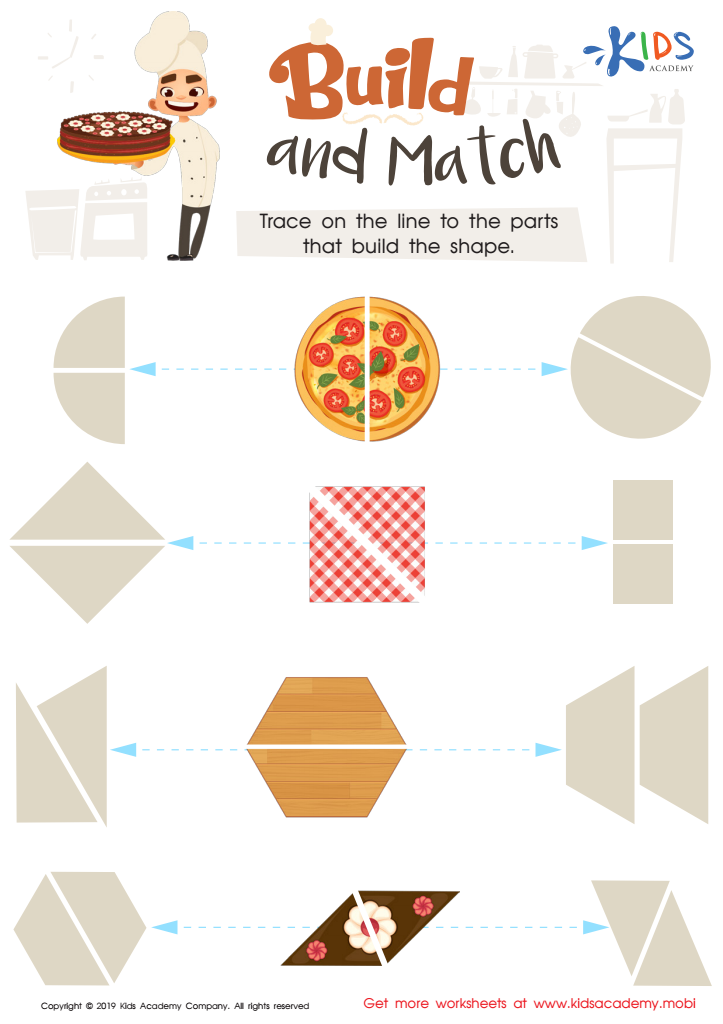
Build and Match Worksheet





Shape recognition is a fundamental aspect of early childhood education, particularly for Grade 1 students learning about 2D shapes. This foundational skill is essential for several reasons.
First, understanding shapes helps children identify and classify objects in their environment, enhancing their observational skills and encouraging attention to detail. Recognizing and naming shapes such as circles, squares, triangles, and rectangles promote cognitive development by helping children understand spatial relationships and geometric properties.
Additionally, shape recognition supports mathematical reasoning and problem-solving. When children work with shapes, they learn to make sense of data, develop measurement skills, and understand concepts like symmetry and fractions. Engaging with shapes also lays the groundwork for graphing, geometry, and more advanced math topics they will encounter in later grades.
Furthermore, learning to recognize and manipulate shapes aids in the development of fine motor skills. Activities like drawing, cutting, and assembling shapes require hand-eye coordination and precision.
Beyond academics, shape recognition is crucial for everyday life skills. For example, it helps children with activities like organizing items, following instructions, and even navigation by reading maps or signs.
In summary, parents and teachers should prioritize shape recognition in early education because it's a multifaceted skill that fosters cognitive development, mathematical reasoning, fine motor skills, and practical life competencies.