Fine Motor Skills Grade 1 Numbers Worksheets - Page 2
30 filtered results
-
From - To
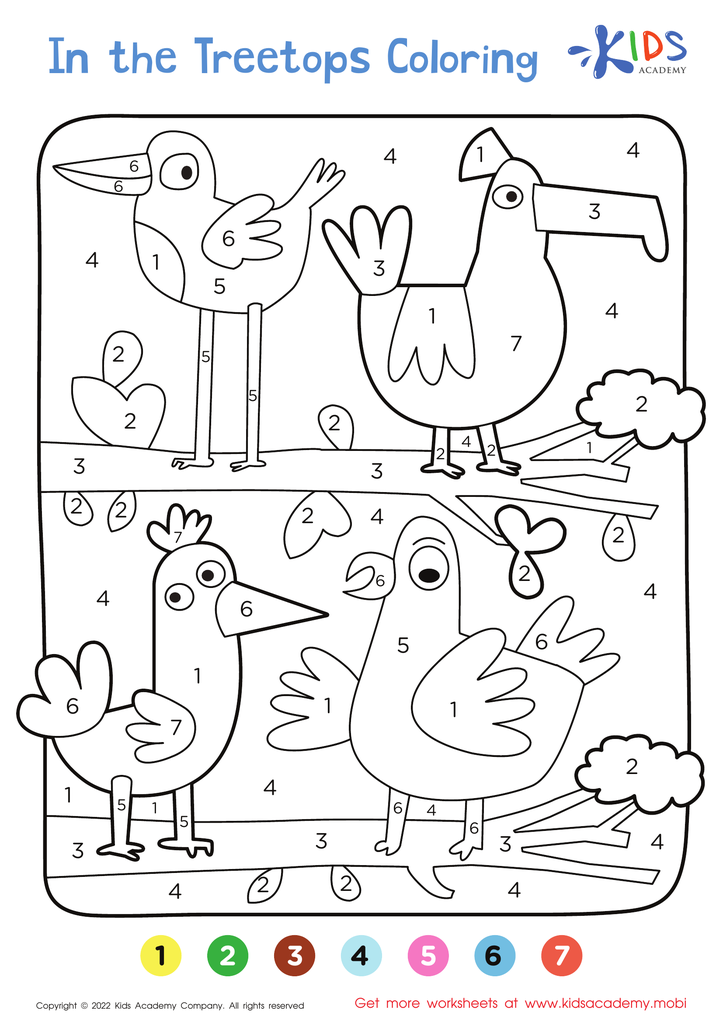
In the Treetops – Coloring Page
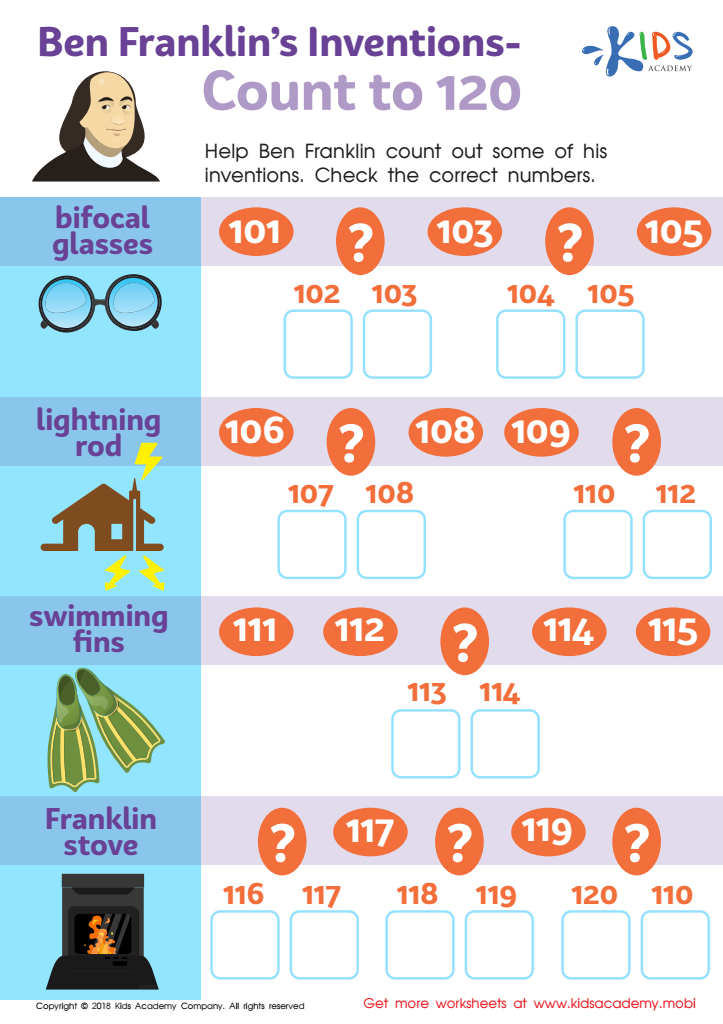
Ben Franklin’s Inventions – Count to 120 Worksheet
 Assign to My Students
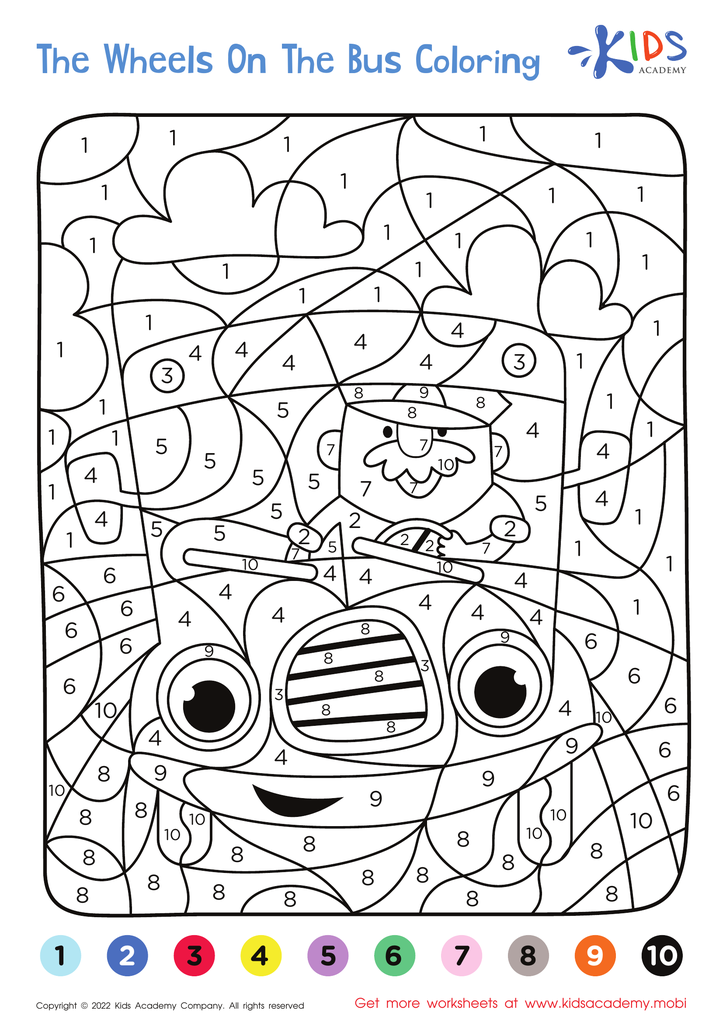
Wheels on the Bus – Coloring by Numbers
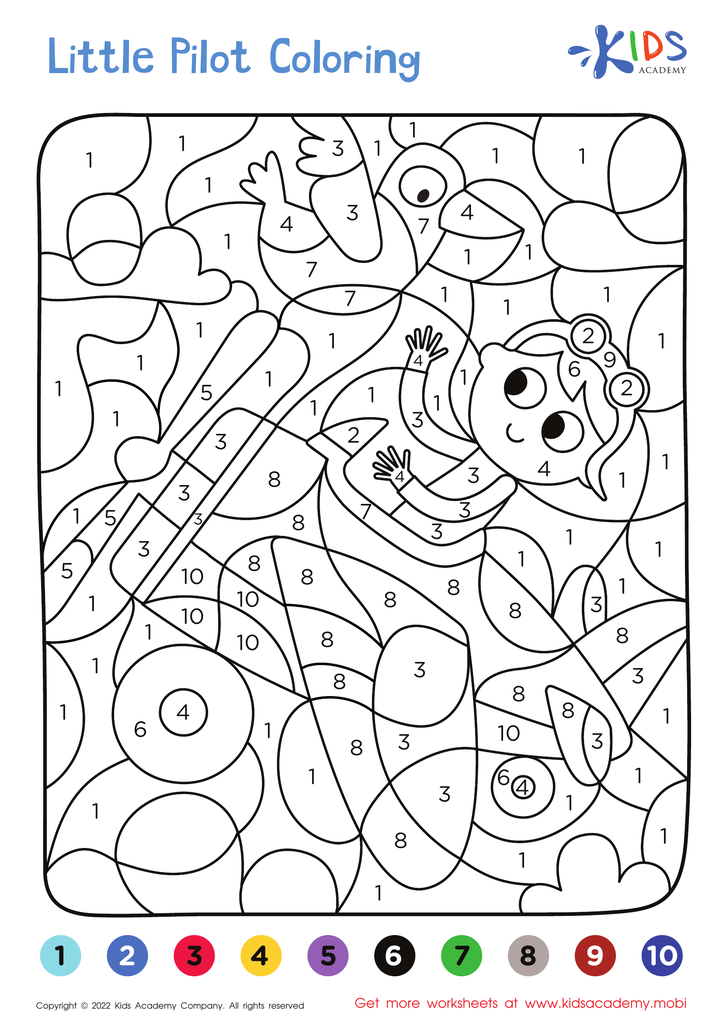
Little Pilot – Coloring by Numbers
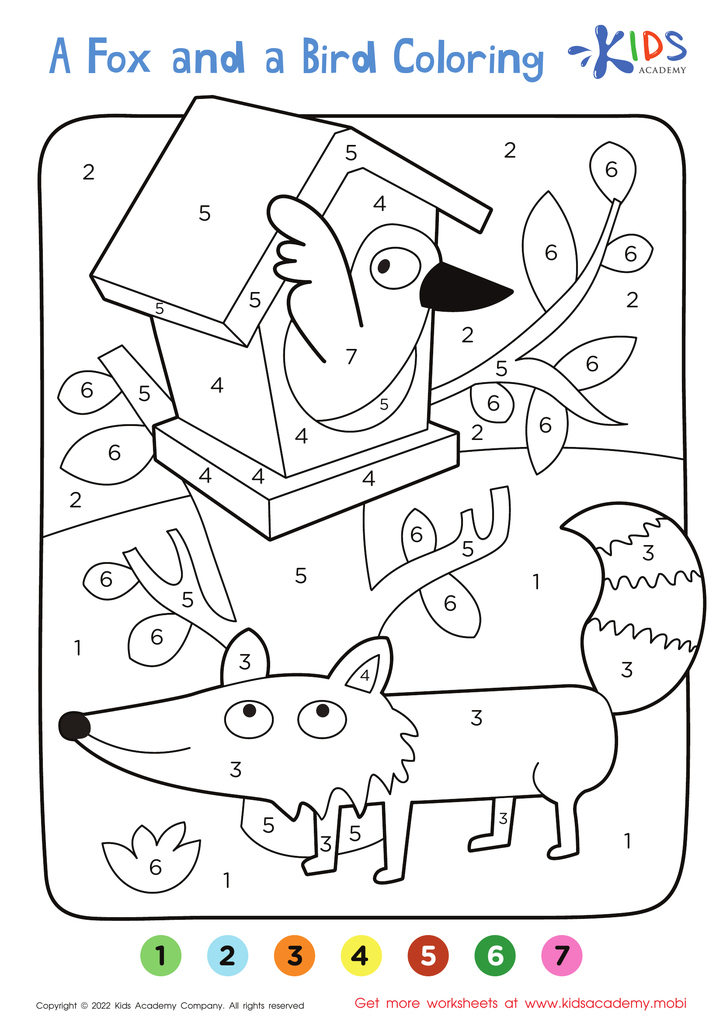
A Fox and a Bird – Coloring by Numbers
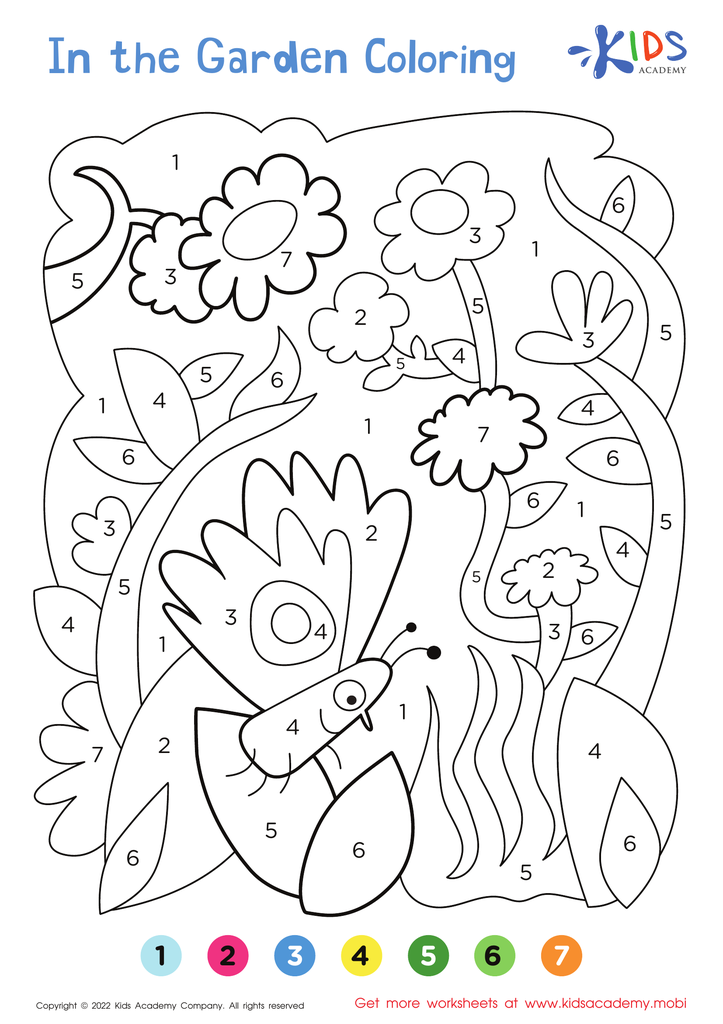
In the Garden – Coloring by Numbers




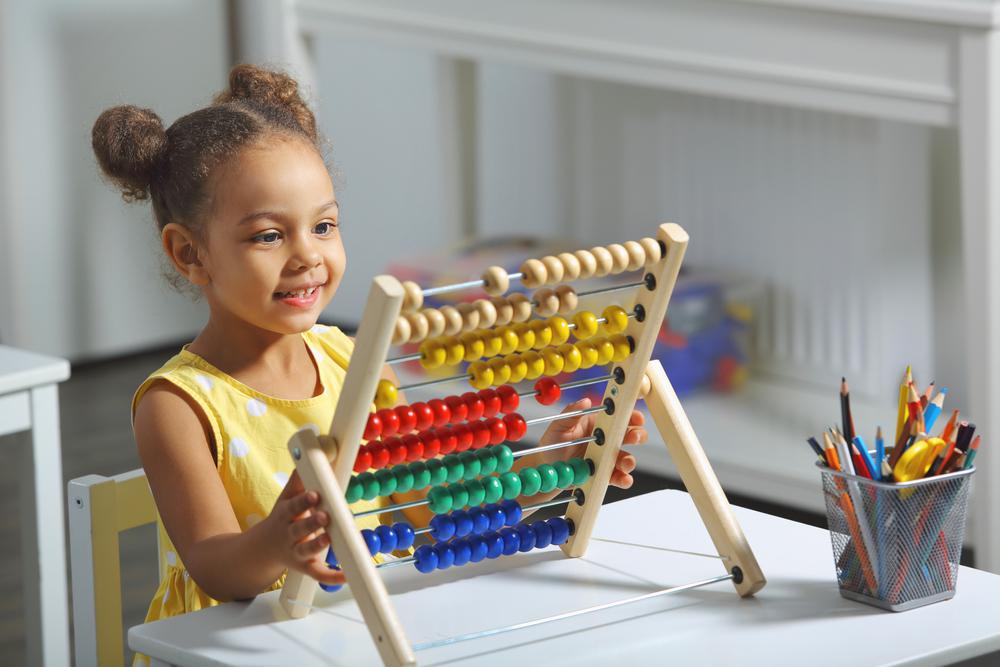



Fine motor skills involve the coordination of small muscle movements in the hands and fingers and are crucial for young children’s overall development. When it comes to first-graders learning numbers, strong fine motor skills can make a significant difference in their ability to grasp, write, and comprehend mathematical concepts.
Parents and teachers should prioritize the development of these skills for several reasons. First, writing numbers correctly requires precise hand-eye coordination. Poor fine motor skills can lead to frustration or a lack of confidence, which can hinder a child's progress in math. Second, as children enhance these skills, they can focus better on solving mathematical problems rather than struggling with forming numbers correctly. Better fine motor skill coordination thus leads to more productive and enriching learning experiences.
Moreover, fine motor skills are fundamental not just in math but across all subjects and daily activities, like tying shoelaces or using scissors. Encouraging activities such as drawing, cutting, or bead threading can foster these skills. Eventually, this foundation helps in preparing children for complex tasks in higher grades. In sum, investing time and effort into developing fine motor skills in grade 1 sets the stage for a smoother, more effective learning journey across a wide array of educational milestones.