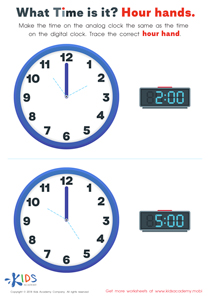
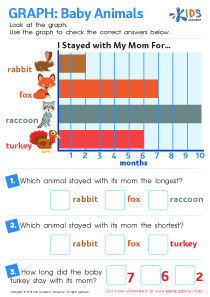
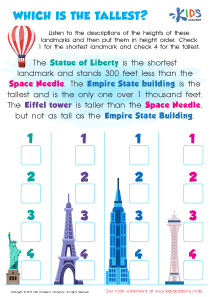
Visual Learning Grade 1 Math Worksheets
10 filtered results
-
From - To
Discover our Visual Learning Grade 1 Math Worksheets designed to enhance young learners' understanding of essential math concepts through engaging visuals. These worksheets incorporate colorful graphics and illustrations, making math both fun and accessible for first graders. With a focus on visual skills, our resources help students grasp numbers, addition, subtraction, and other fundamental topics effectively. Perfect for classroom use or at-home practice, these worksheets foster an interactive learning environment that supports diverse learning styles. Equip your child with the tools they need to succeed in math while enjoying the process of learning with our thoughtfully crafted resources!
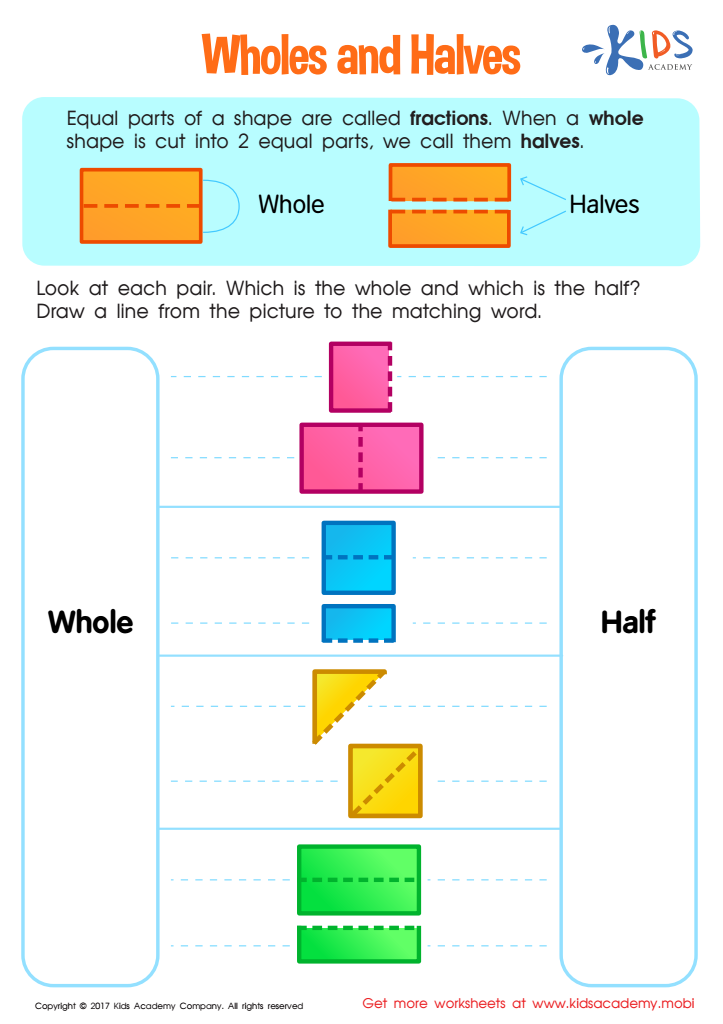
Wholes and Halves Worksheet
 Assign to My Students
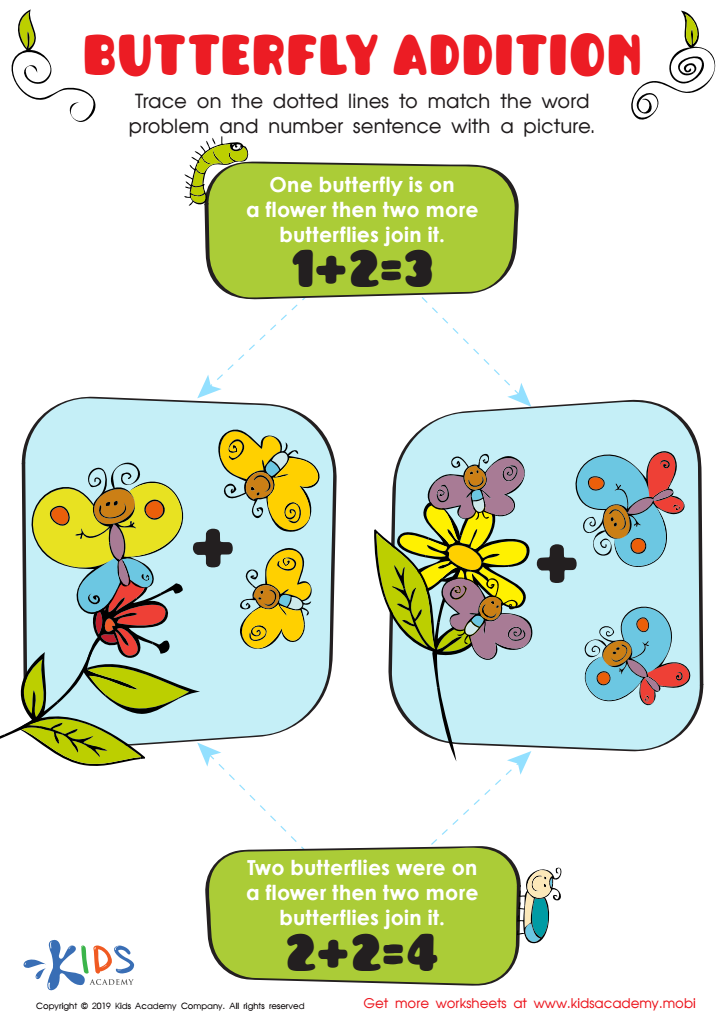
Butterfly Addition Worksheet
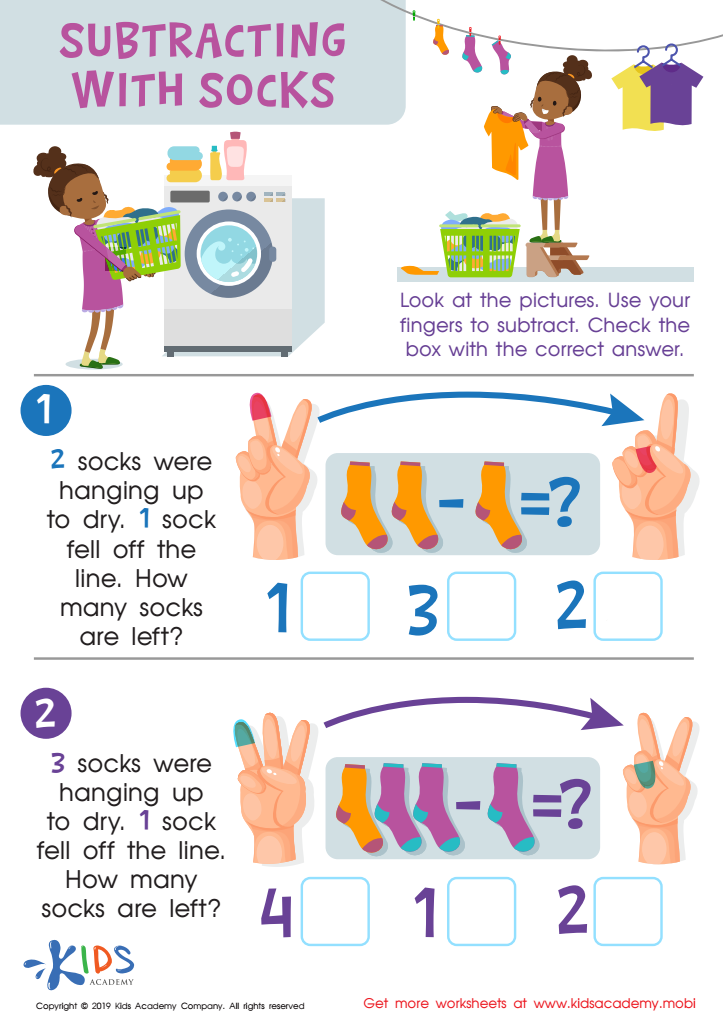
Subtracting Socks Worksheet
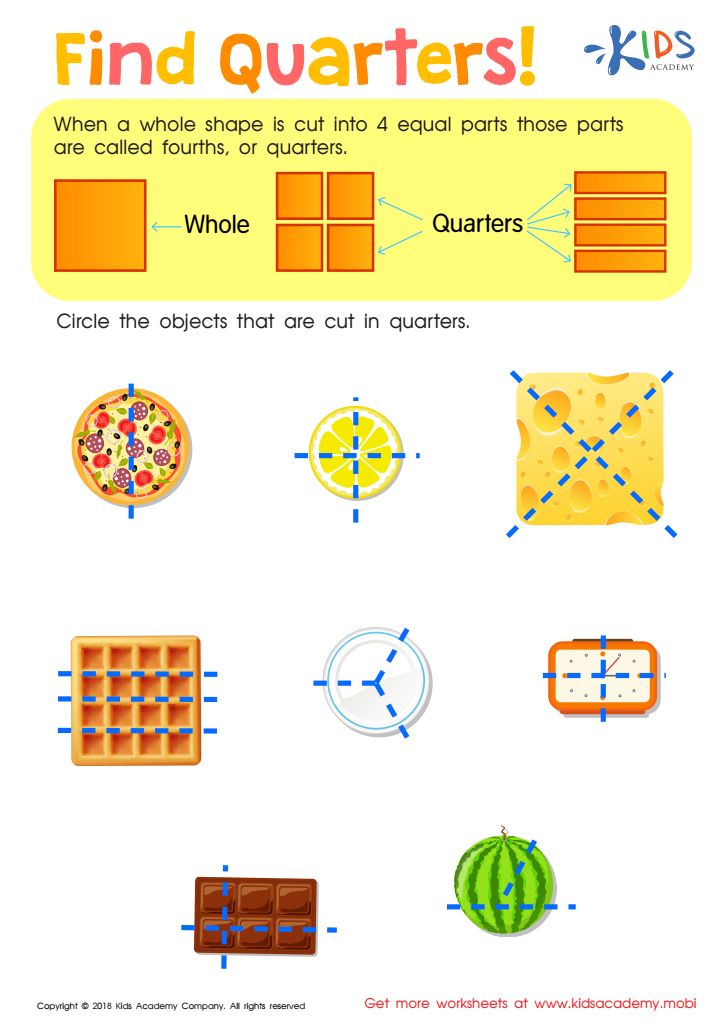
Find Quarters Worksheet
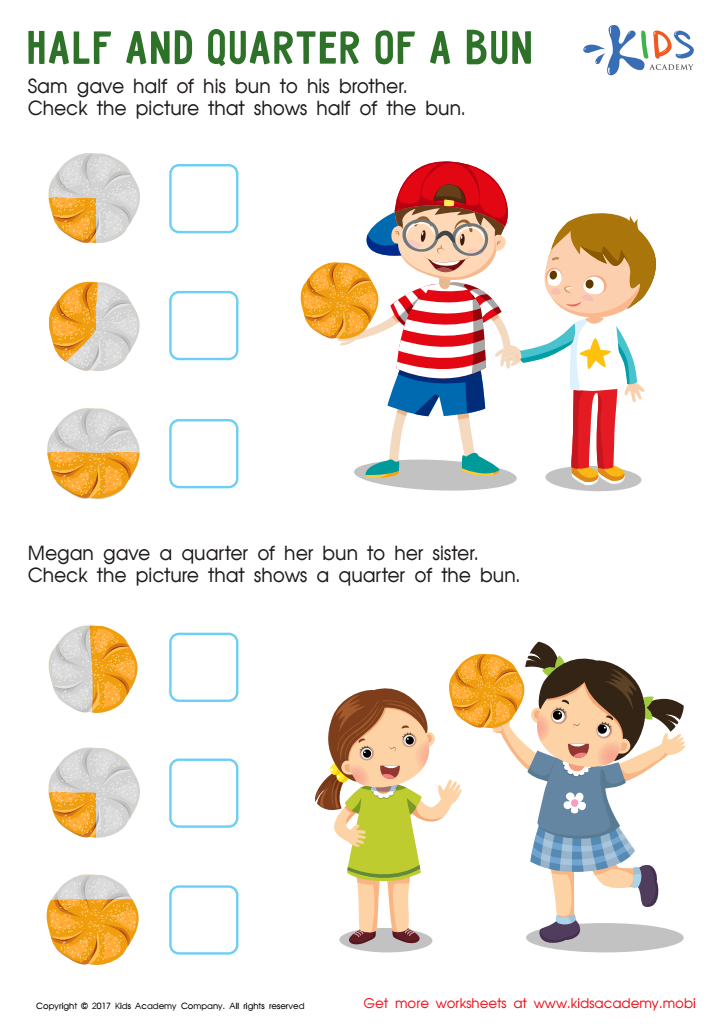
Half and Quarter of a Bun Worksheet
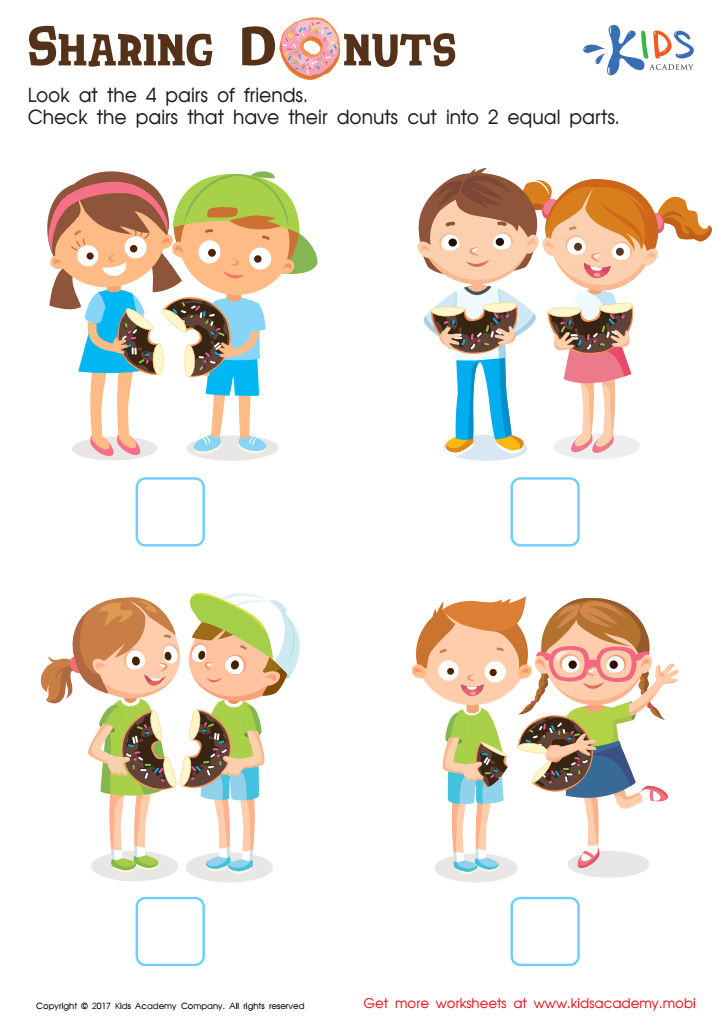
Sharing Donuts Worksheet
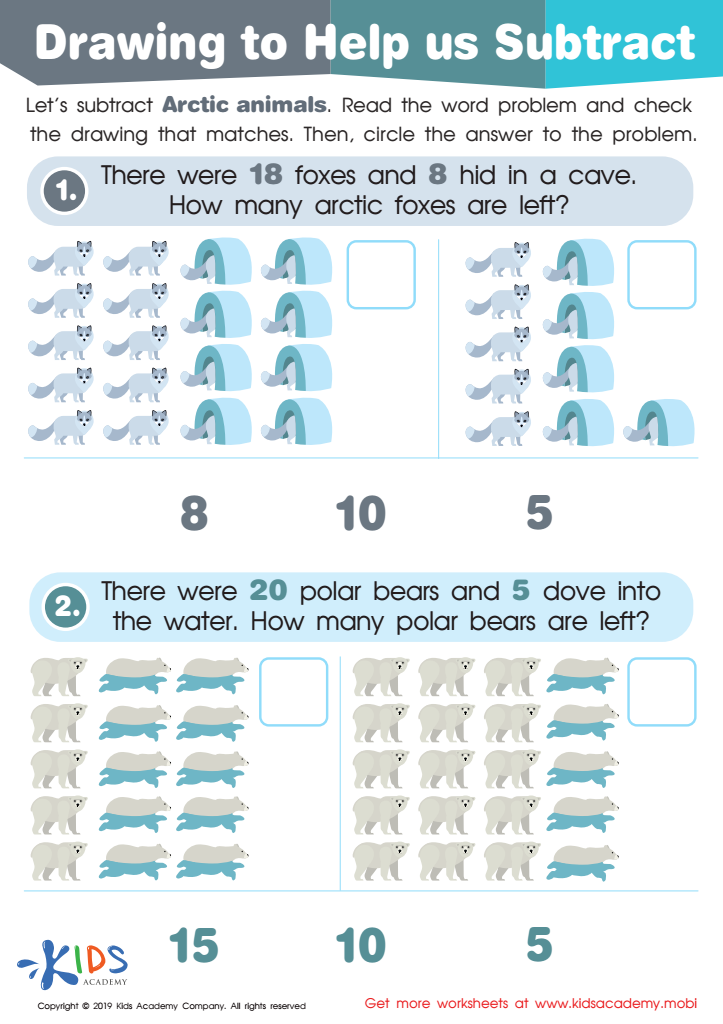
Drawing to Help Us Subtract Worksheet
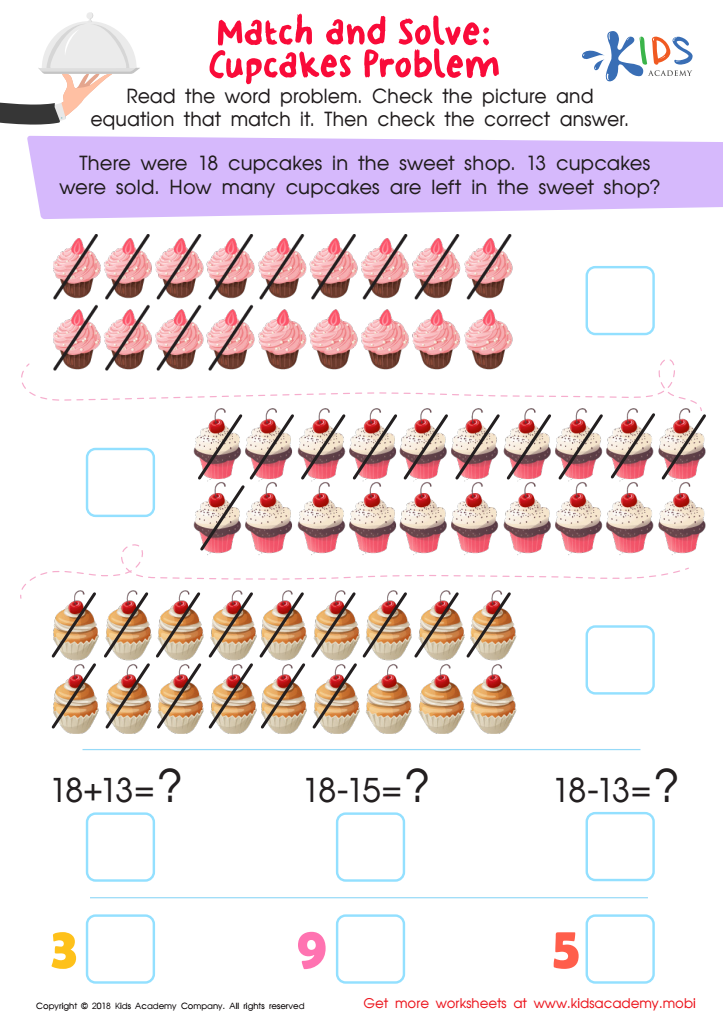
Match and Solve: Cupcakes Problem Worksheet
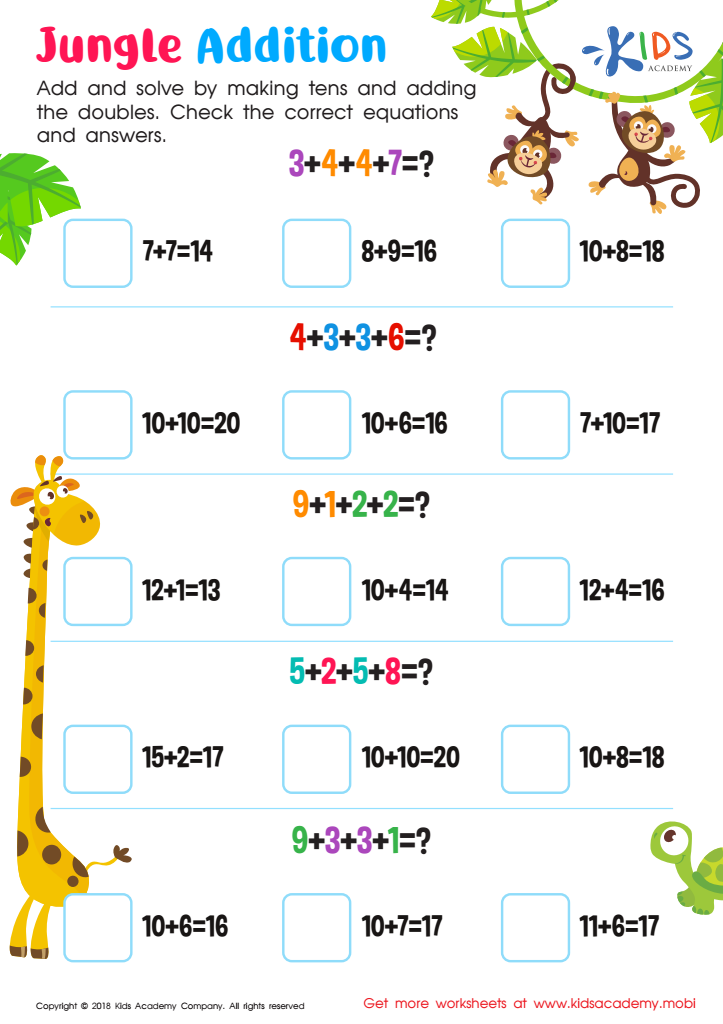
Jungle Addition Worksheet
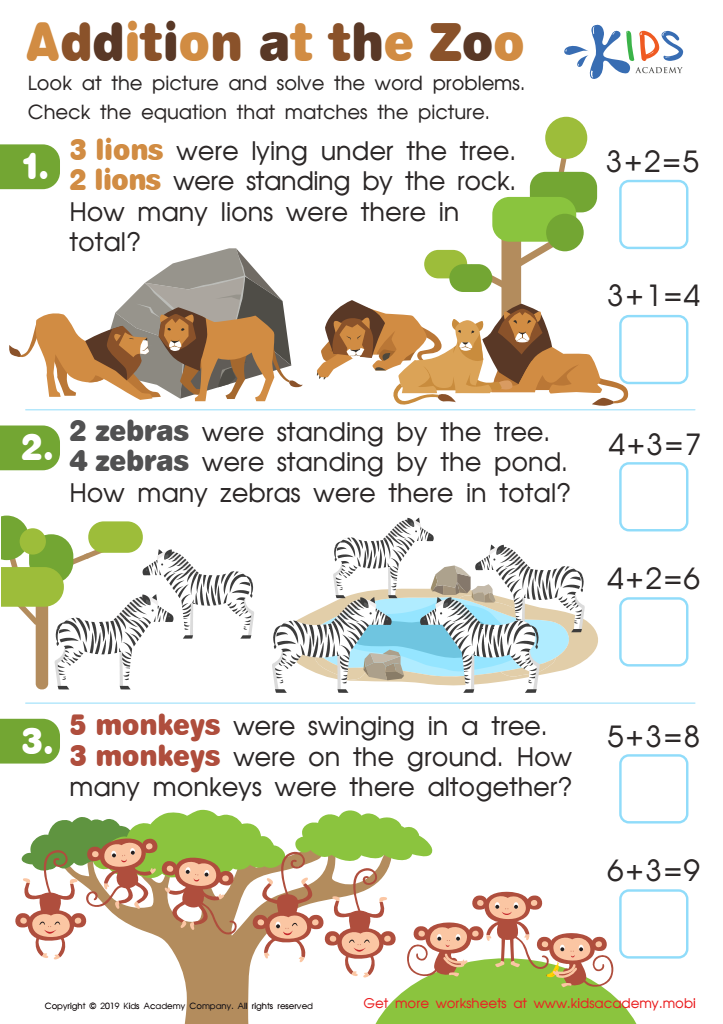
Addition at the Zoo Worksheet








Visual learning in Grade 1 math is critical because it enhances understanding and retention in young learners. In this foundational stage, children are often more responsive to visual stimuli, which makes incorporating visual aids and materials essential for effective teaching. Utilizing visual elements such as diagrams, illustrations, and manipulatives helps clarify abstract mathematical concepts like addition, subtraction, and shapes.
Parents and teachers should care about visual learning because it caters to varied learning styles. Many children grasp ideas better through visual representation rather than traditional verbal instructions alone. This approach fosters engagement and motivation, helping students build confidence as they relate mathematical problems to real-world scenarios.
Moreover, visual learning aids children in developing critical thinking and problem-solving skills. By visualizing problems, students can analyze and work through complex tasks more efficiently. Creating a tactile and interactive learning environment not only improves comprehension but also makes math enjoyable.
Emphasizing visual learning can lead to stronger foundational skills, setting the stage for future academic success. It builds a positive attitude towards math, encouraging kids to view it as an exciting subject. Ultimately, investing in visual learning strategies benefits educators and families by cultivating a more profound understanding and love for math in young learners.