Vocabulary Enrichment Grade 1 Science Worksheets
3 filtered results
-
From - To
Explore our engaging Vocabulary Enrichment Grade 1 Science Worksheets, designed to enhance young learners' scientific vocabulary and comprehension. These worksheets feature fun activities that introduce essential science concepts while promoting word recognition and usage. Your child will build a robust vocabulary with exercises that include matching terms, fill-in-the-blank exercises, and contextual usage. Ideal for classroom or homeschooling environments, these worksheets support various learning styles, making science educational and enjoyable. Help your first grader strengthen their language skills and develop a love for learning with our thoughtfully crafted resources. Dive into the world of science and watch your child thrive!
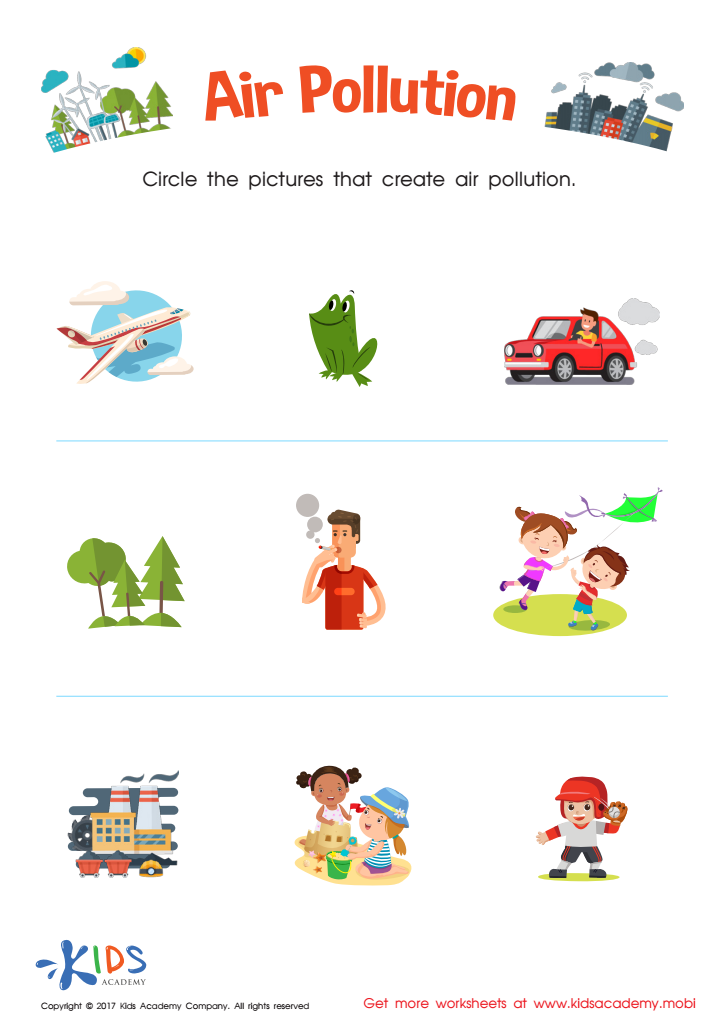
Air Pollution Worksheet
 Assign to My Students
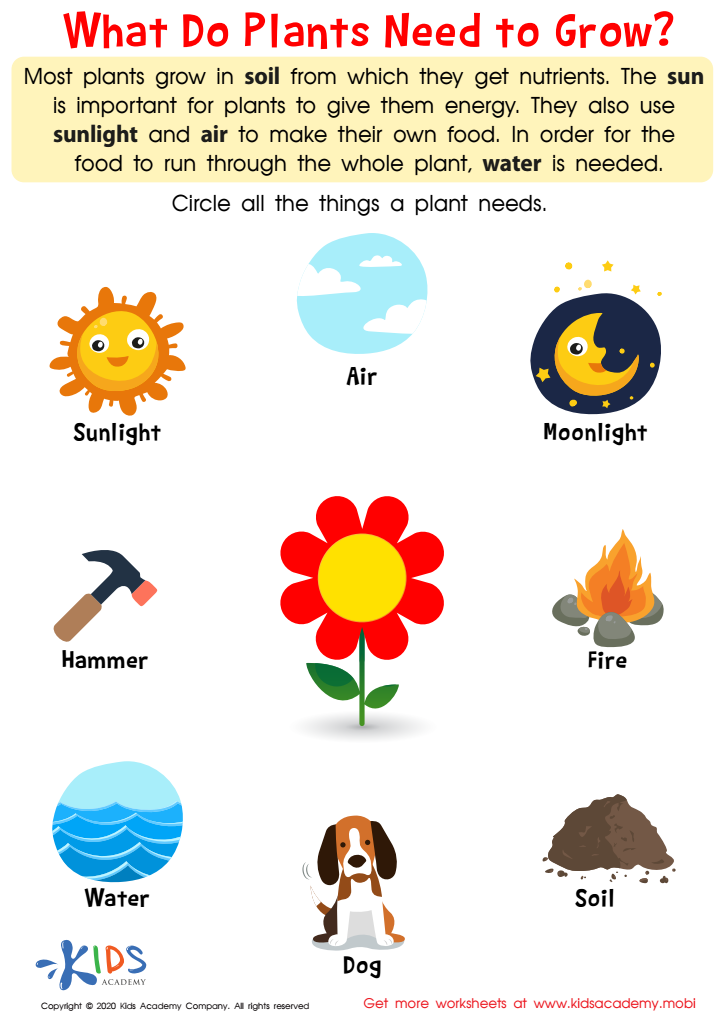
What Do Plants Need to Grow Worksheet
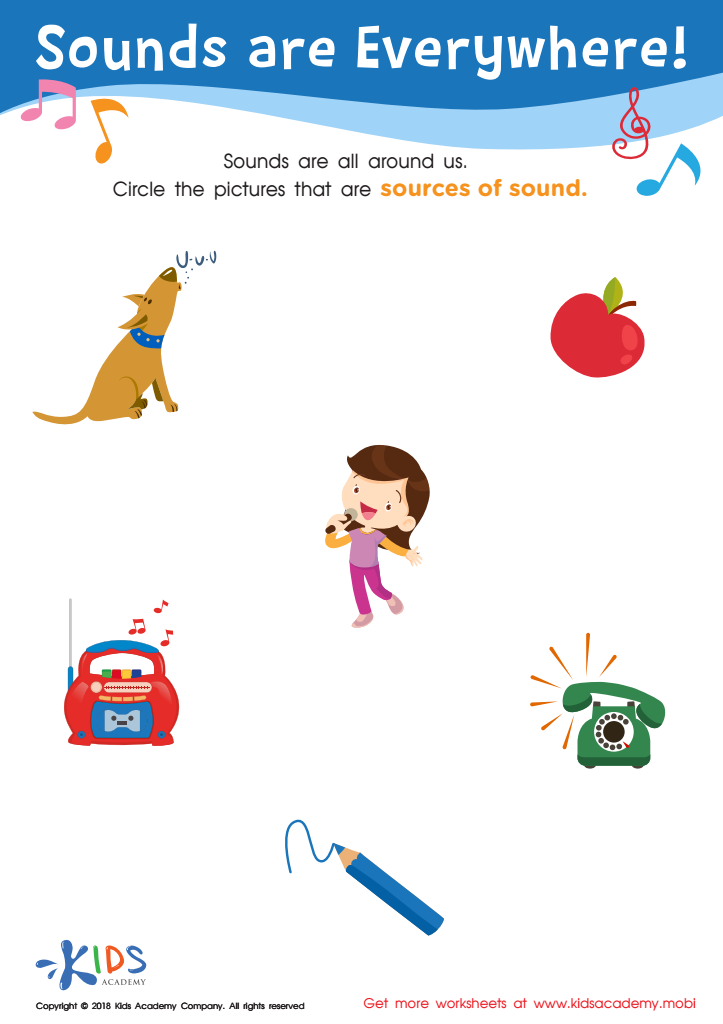
Sounds Are Everywhere! Worksheet








Vocabulary enrichment in Grade 1 Science is essential for both parents and teachers as it lays the foundation for students' overall literacy and comprehension skills. At this early stage, children are not only learning scientific concepts but are also developing their ability to express and understand complex ideas. When children encounter new vocabulary related to science—like "habitat," "energy," or "force"—it empowers them to articulate their thoughts and engage more deeply with the material.
By caring about vocabulary enrichment, parents and teachers can help students make connections between words and concepts, promoting greater retention and understanding. This reinforces critical thinking skills and enables children to form hypotheses, analyze results, and communicate their findings effectively. Furthermore, a strong vocabulary supports cross-curricular learning, as it enhances reading comprehension across subjects.
Additionally, scientific vocabulary is integral to fostering a sense of wonder and curiosity about the world. By emphasizing the importance of vocabulary in science, parents and teachers can encourage a positive attitude towards learning, promoting lifelong curiosity and inquiry. Investing in vocabulary enrichment not only boosts academic performance but also prepares students for future educational success and engagement in an increasingly science-oriented world.







