Letter recognition Extra Challenge Alphabet Worksheets for Ages 3-4
8 filtered results
-
From - To
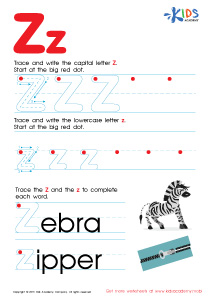
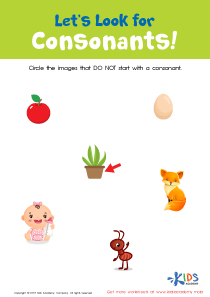
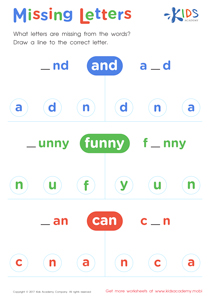
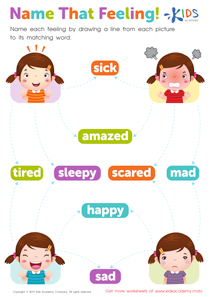
Introducing our "Letter Recognition Extra Challenge Alphabet Worksheets" for ages 3-4, designed to make early literacy fun and engaging! These worksheets are perfect for little learners ready to enhance their letter recognition skills. Each page offers challenging yet enjoyable exercises that reinforce each letter's shape and sound. Crafted to captivate young minds, these printables blend playful activities with effective learning techniques, setting the foundation for successful reading. Build confidence and curiosity with our expertly designed worksheets. Explore the fun journey of alphabet mastery and watch your child thrive! Get started today and make learning memorable!
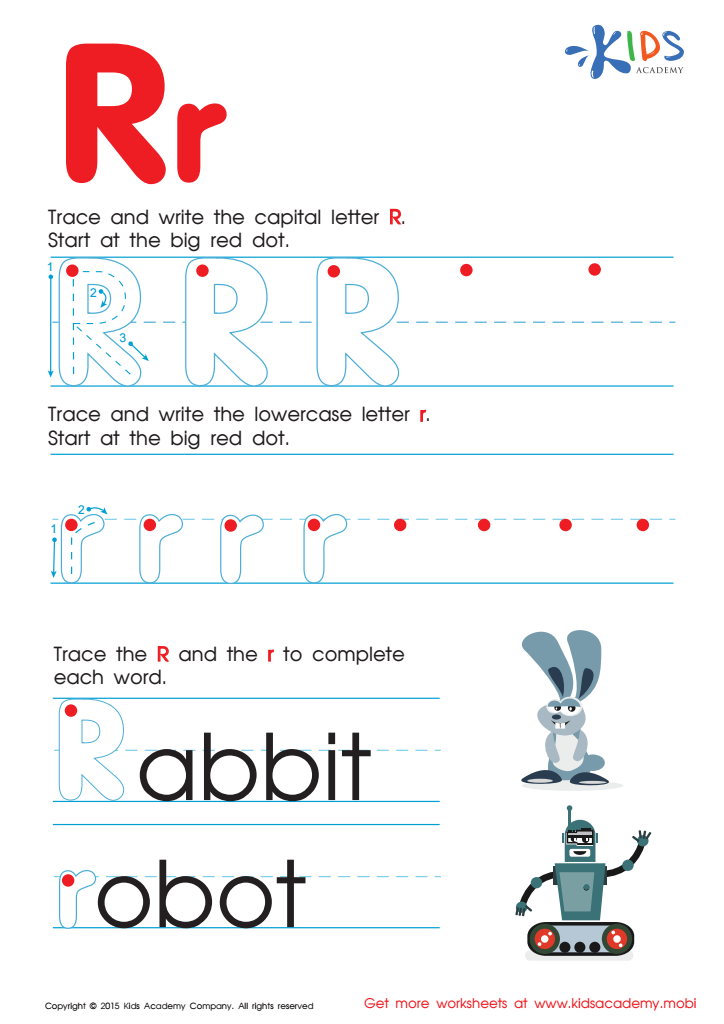
Letter R Tracing Page
 Assign to My Students
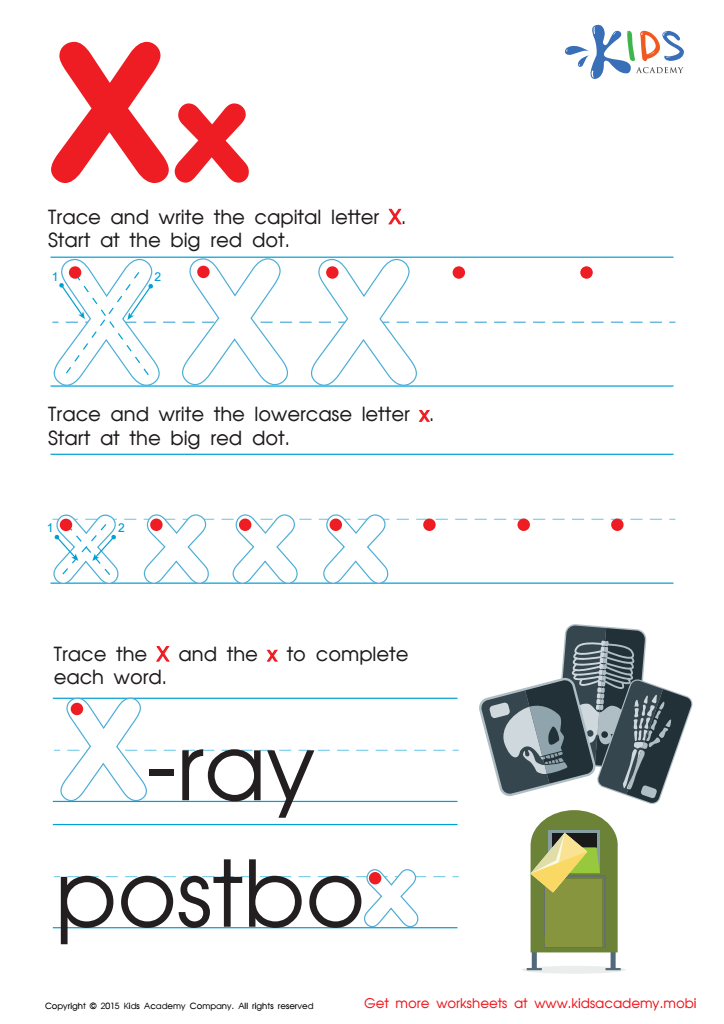
Letter X Tracing Page
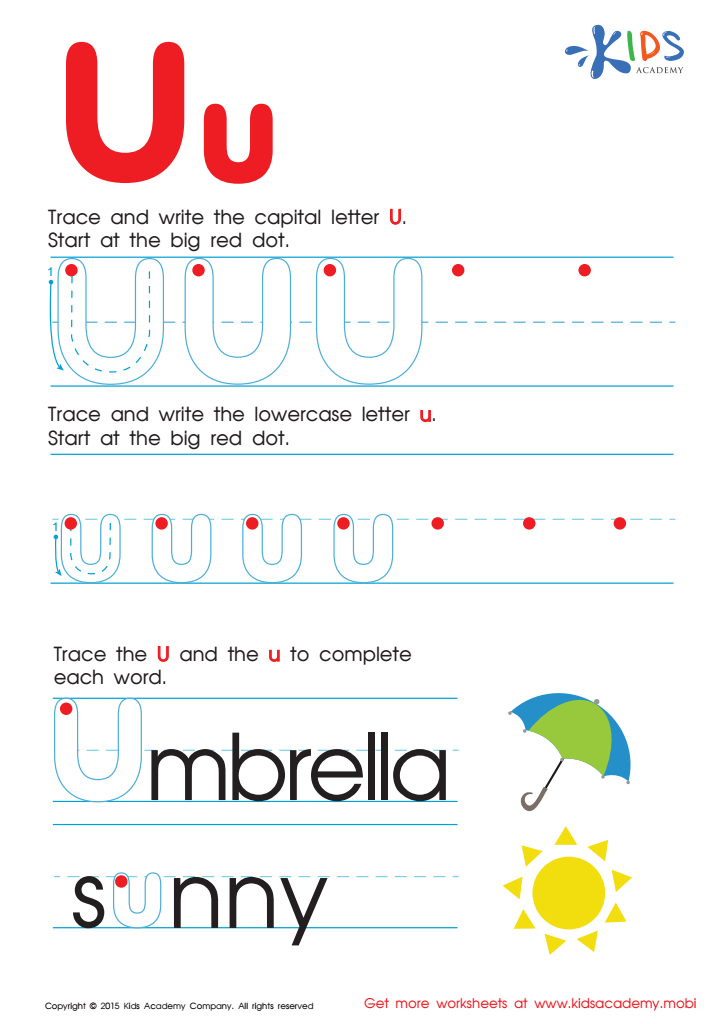
Letter U Tracing Page
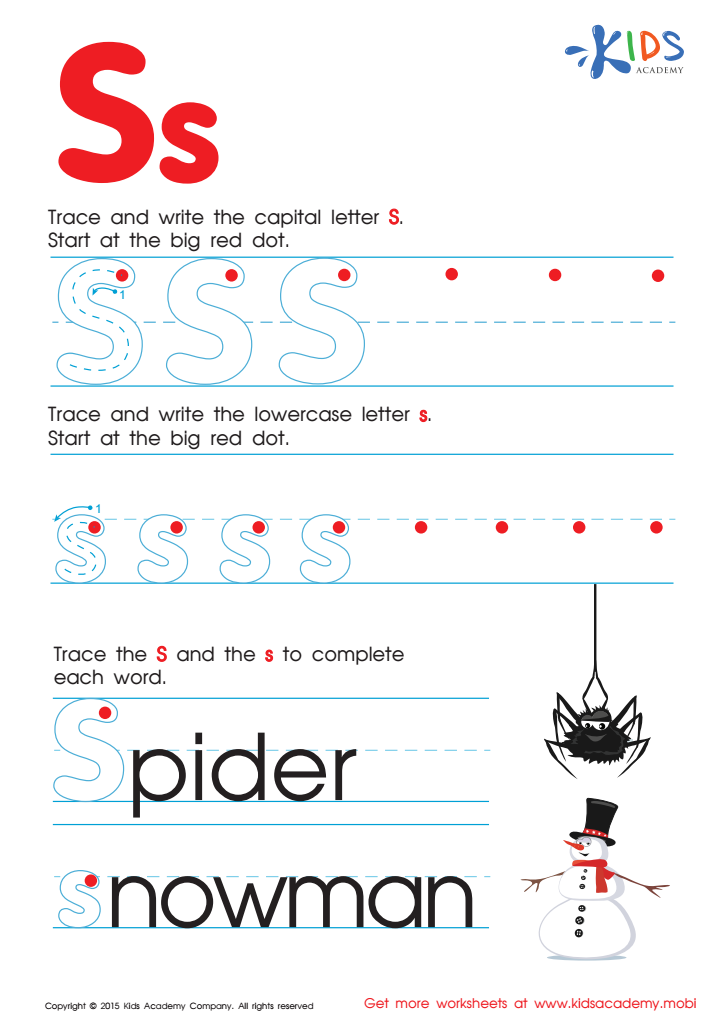
Letter S Tracing Page
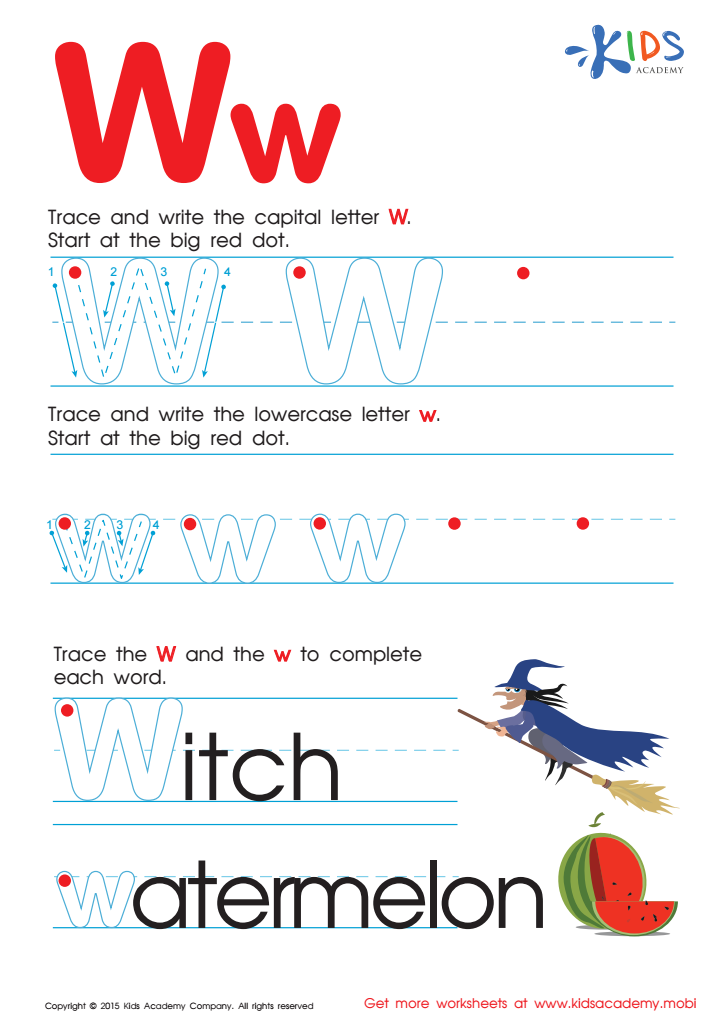
Letter W Tracing Page
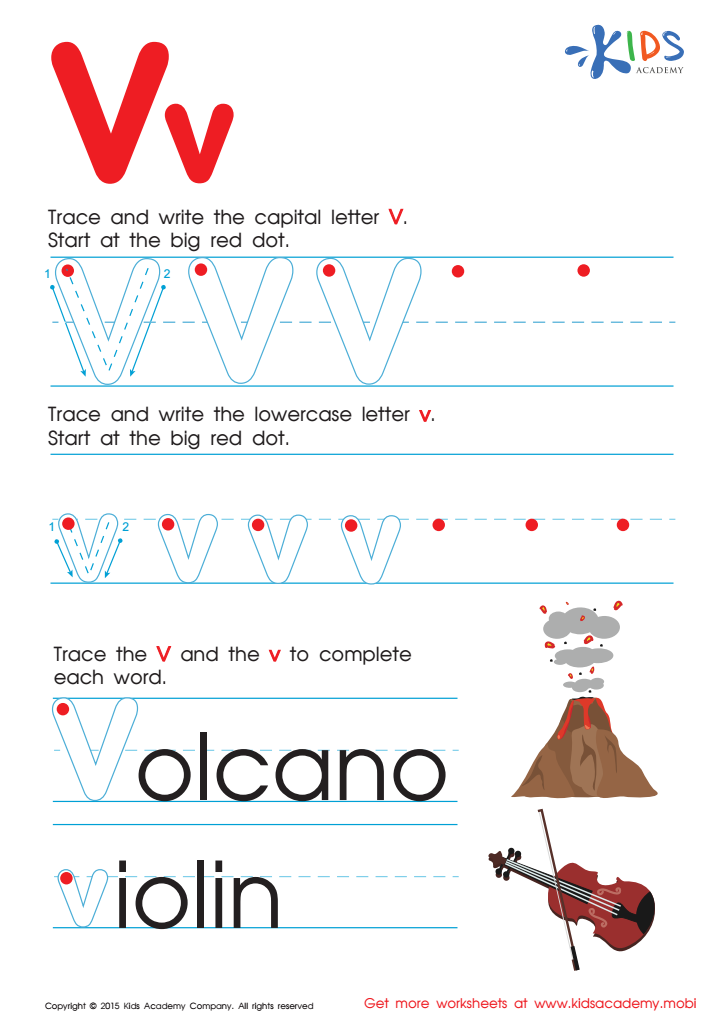
Letter V Tracing Page
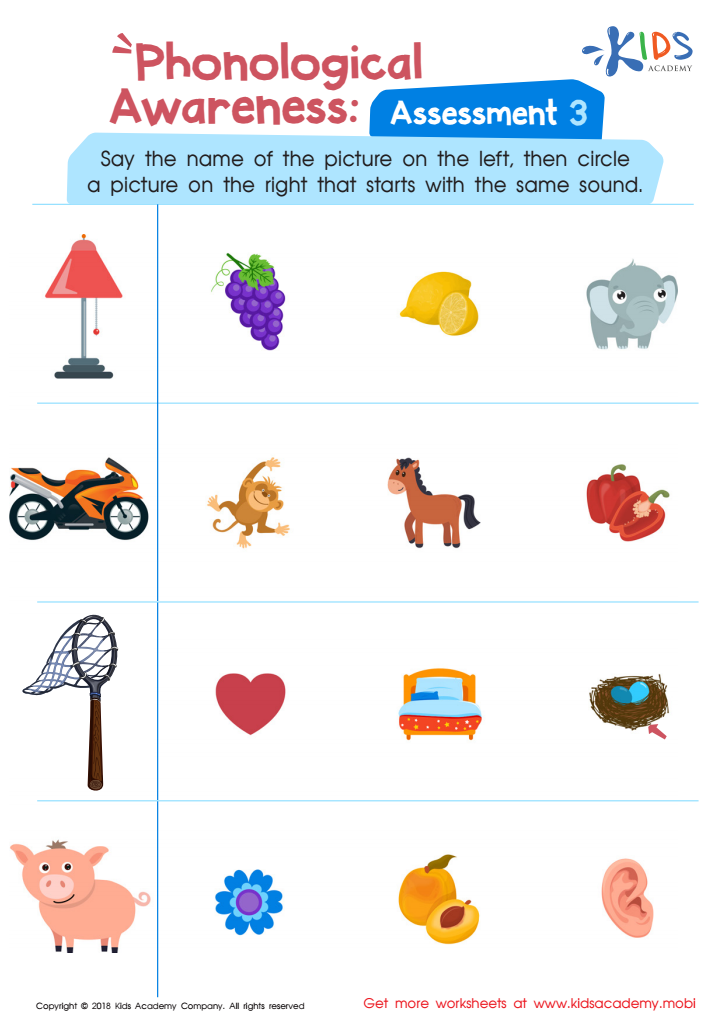
Phonological Awareness: Assessment 3 Worksheet
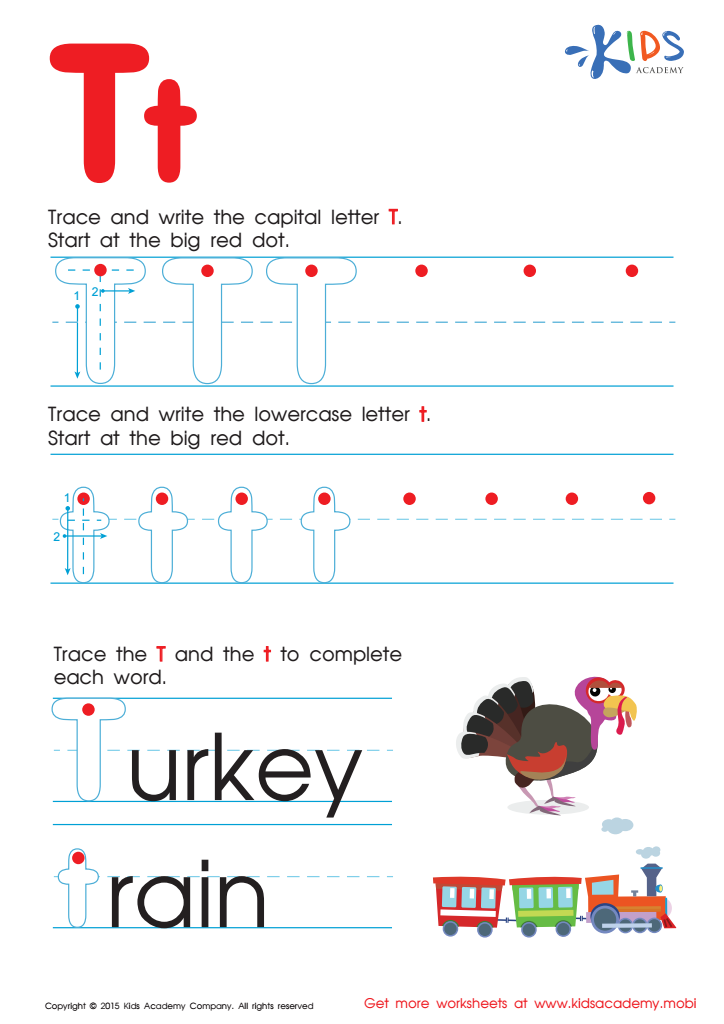
Letter T Tracing Page







Letter recognition is a fundamental stepping stone in a child's literacy development, and introducing an extra challenge alphabet for ages 3-4 can be highly beneficial. At this formative stage, the young brain is incredibly receptive to new information, and leveraging this can set a strong foundation for future learning.
Firstly, an extra challenge alphabet fosters cognitive development. Activities that require children to recognize, differentiate, and understand letters stimulate neural connections, enhancing memory, attention, and problem-solving skills. These are crucial for overall intellectual growth and academic readiness.
Secondly, early letter recognition directly impacts reading skills. Children who are familiar with the alphabet have a significant advantage when they start learning to read. They can recognize letters in their environment, connect written words with sounds, and gradually understand the concept of phonics, which is essential for decoding words.
Moreover, engaging children in challenging but developmentally appropriate tasks builds their confidence. Successfully navigating extra challenges promotes a sense of achievement and encourages a positive attitude towards learning. It also provides a platform for teachers and parents to bond with children, reinforcing concepts through playful interaction.
In summary, prioritizing advanced letter recognition activities for young children supports cognitive skills, aids early reading development, and fosters a love for learning, all of which are pivotal for academic success.