Color recognition Extra Challenge Worksheets for Ages 3-4
7 filtered results
-
From - To
Enhance your child’s color recognition skills with our Extra Challenge Worksheets designed specifically for ages 3-4! These engaging and interactive worksheets encourage young learners to identify, match, and organize colors through fun activities. Each carefully crafted worksheet features vibrant illustrations that capture children's attention while promoting critical thinking and problem-solving abilities. Parents and educators can use these resources to support early childhood development, expand vocabulary, and foster creativity. Whether at home or in the classroom, our Color Recognition Extra Challenge Worksheets provide a solid foundation for future learning. Dive into a colorful adventure and watch your child thrive with these educational exercises!
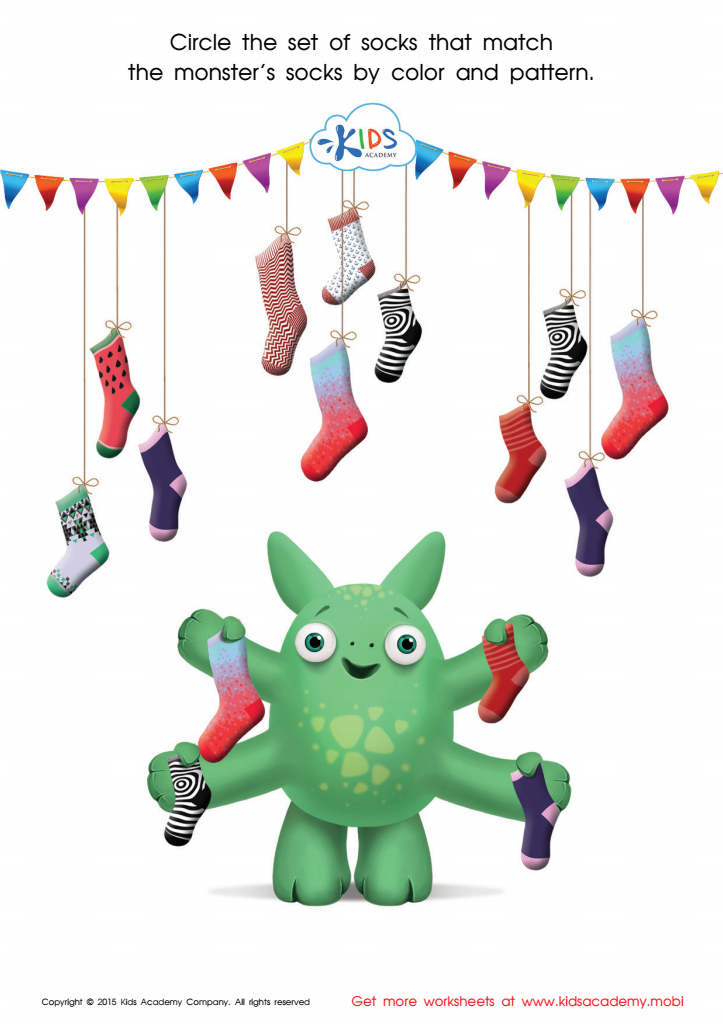
Sort the Monster's Socks Worksheet
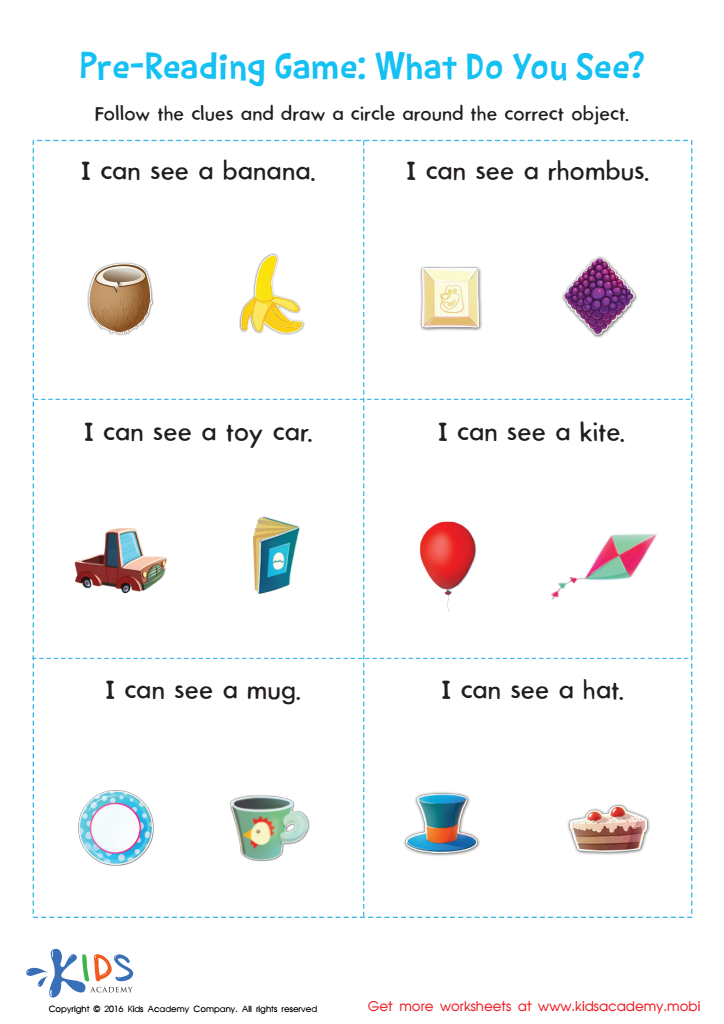
Pre–reading Worksheet: What Do You See?

Santa Claus Tracing Winter Words Worksheet
Three Little Piggies Printable Coloring Page
 Assign to My Students
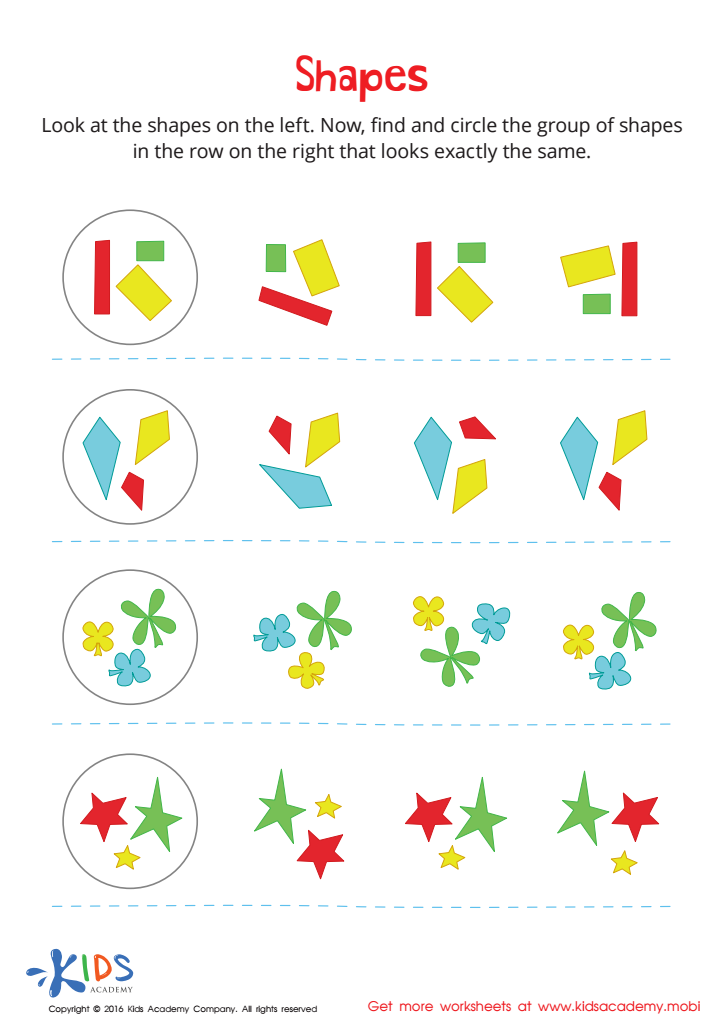
Shapes Worksheet
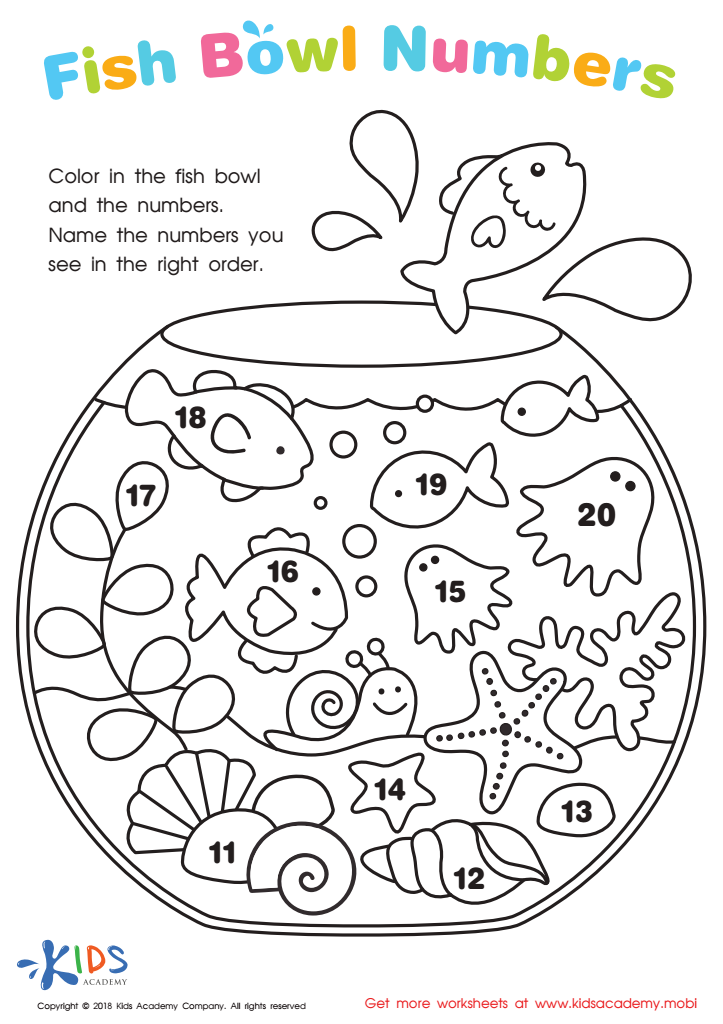
Fish Bowl Numbers Worksheet
Assign to My Students
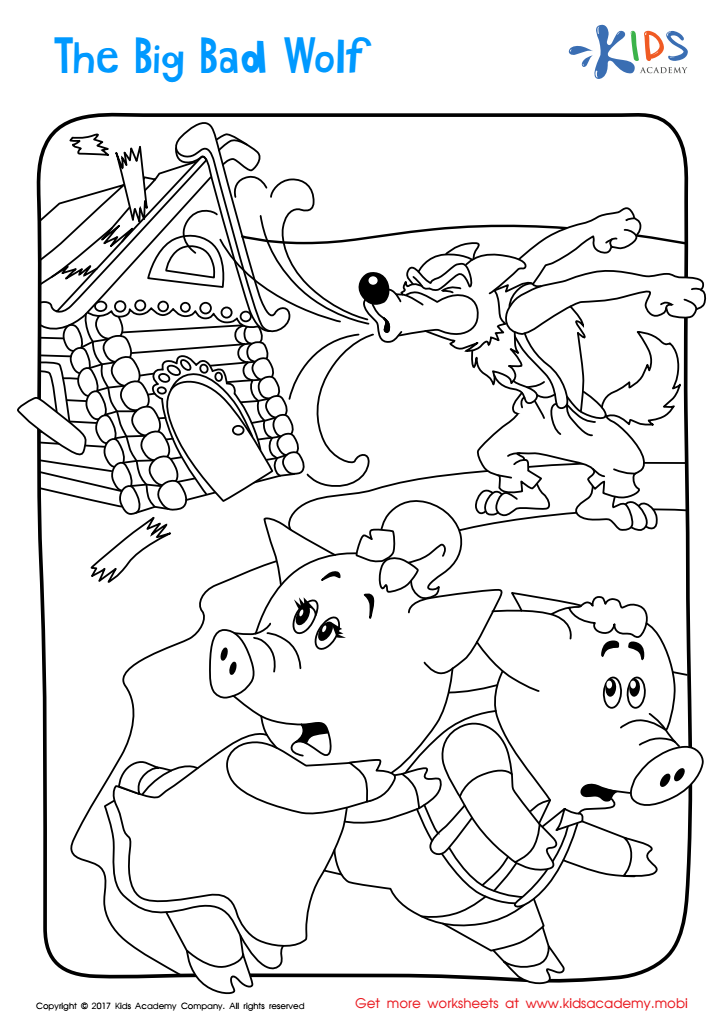
Big Bad Wolf Printable Coloring Page
Assign to My Students






.jpg)
Color recognition is a fundamental skill that lays the groundwork for various aspects of learning in young children ages 3-4. Parents and teachers should care about this extra challenge because recognizing and naming colors aids in cognitive development, language acquisition, and problem-solving abilities.
At this age, children are naturally curious, and engaging them in activities that enhance color recognition can ignite their interest in the world around them. Through exploration of colors, children begin to associate them with objects, enhancing memory and vocabulary. For example, when a child identifies a banana as yellow, they strengthen their language skills and expand their ability to describe their environment.
Moreover, color recognition is closely tied to emotional and social development. Identifying colors can imbue young learners with confidence as they engage in play-based learning and collaborative activities. This foundational skill also serves as a precursor to lessons in categorization, sorting, and even early math concepts, promoting critical thinking.
By providing color recognition challenges, parents and teachers can foster a rich, interactive learning experience that supports overall development while making education fun and engaging for children. Investing time and resources into these activities benefits not just individual learners but also strengthens family and classroom cultures of encouragement and creativity.








