Boost your toddler’s development with our Hand-eye Coordination Extra Challenge Worksheets for Ages 3-4! Specifically designed to enhance fine motor skills and improve hand-eye coordination, these engaging activities make learning fun and effective. Perfect for young learners, the worksheets feature a variety of challenging and interactive exercises, including tracing, matching, and more. Watch your child's confidence grow as they navigate through each task, honing their dexterity and focus. Ideal for both classroom and home use, our printable worksheets provide a solid foundation for early learning. Set the stage for future success with these essential developmental tools!

Check out this FREE "Hand-eye Coordination" Trial Lesson for age 3-4!

A

Favorites
With answer key
Interactive
  • 3-4
  • Hand-eye Coordination
  • Extra Challenge
Letter a worksheets
Letter a worksheets

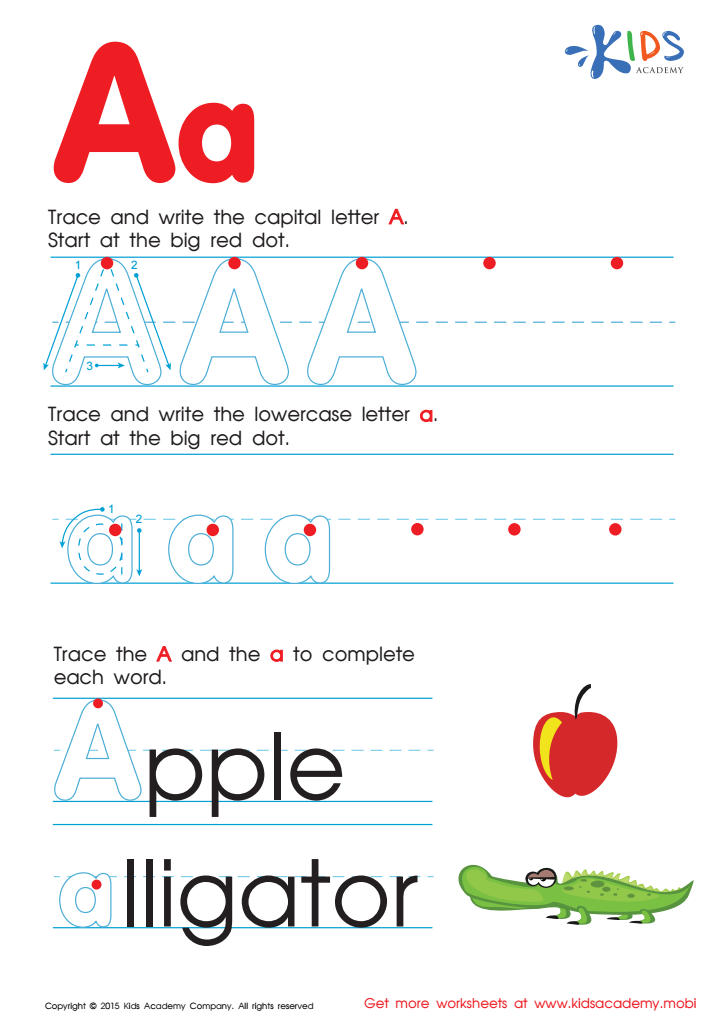
Letter A Tracing Page

Trace and write the letter "A"! Start with the big red dot, then do the capital and lowercase versions. Then write it again with two words - apple and alligator. Download more tracing worksheets at Kids Academy.
Letter A Tracing Page
Worksheet
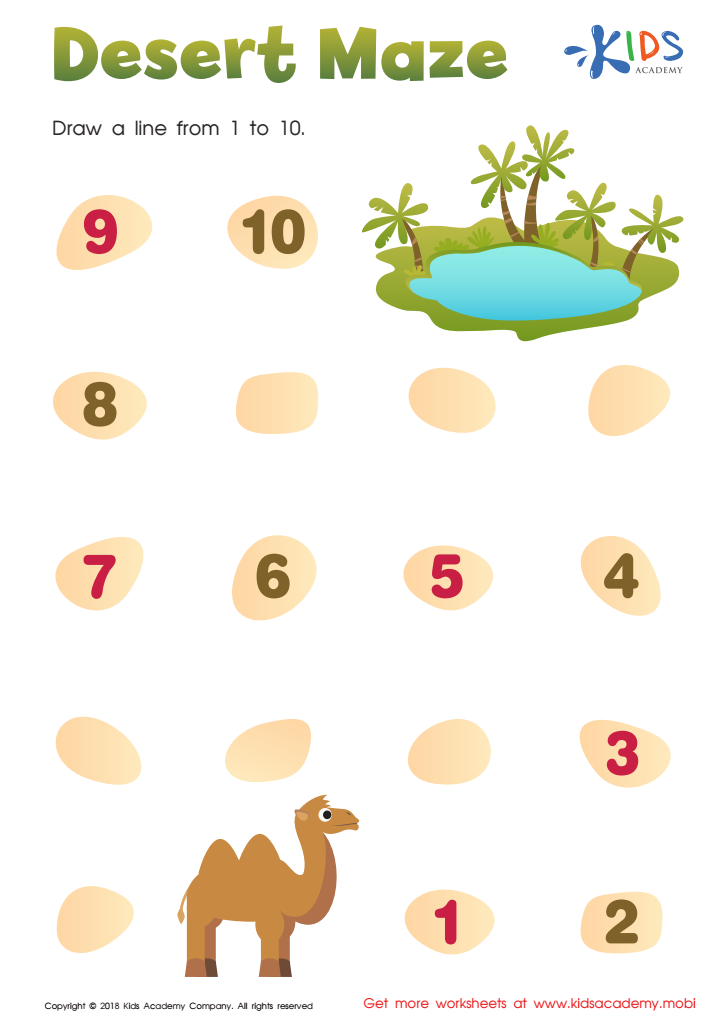
Desert Maze Worksheet

Desert Maze Worksheet

Introduce kids to deserts with videos or photos. Describe how, in deserts, camels are used for transportation due to their ability to go long distances without water. This worksheet gives kids the chance to help a camel cross the desert by drawing a line from 1 to 10.
Desert Maze Worksheet
Worksheet
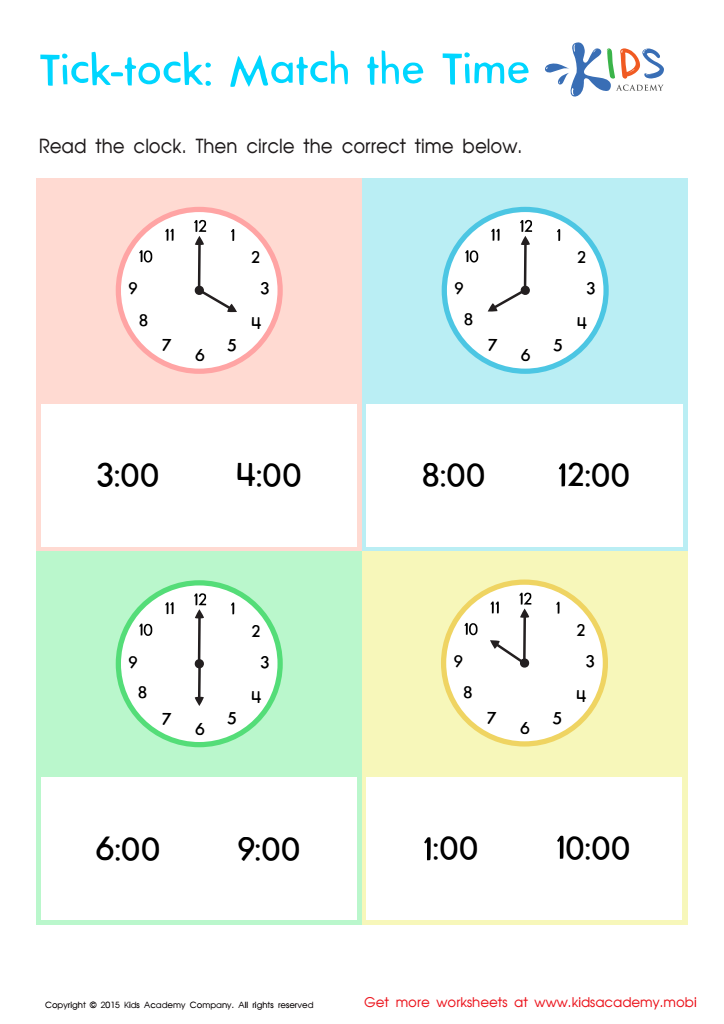
Telling The Time PDF Worksheets, Part 4

Telling The Time Worksheet: Part 4

Test your skills in telling the time! Circle the right time on 4 analog clock faces.
Telling The Time Worksheet: Part 4
Worksheet
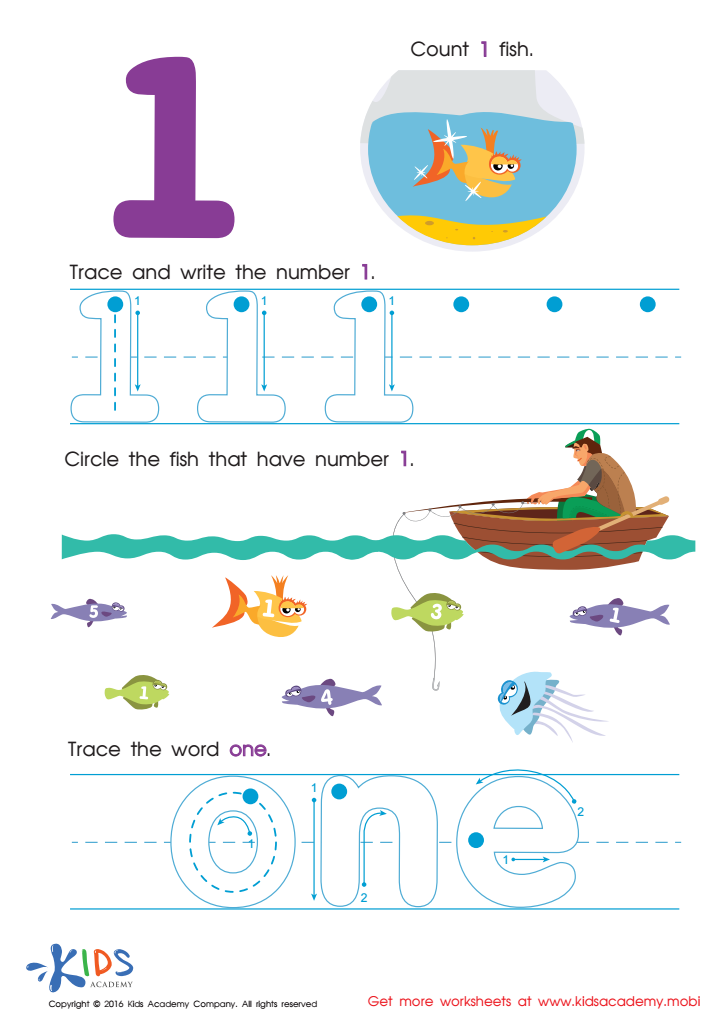
Learning Numbers Worksheets: Learning to Write 1 PDF

Learning to Write 1 Worksheet

Learning to write numbers can be easy and fun! Get this new number worksheet to help your child excel. Practice counting, tracing and writing the number “one”, then circle the fish with “1” on them. Revise spelling and have fun! Get more tracing numbers worksheets at Kids Academy and enjoy the learning process.
Learning to Write 1 Worksheet
Worksheet
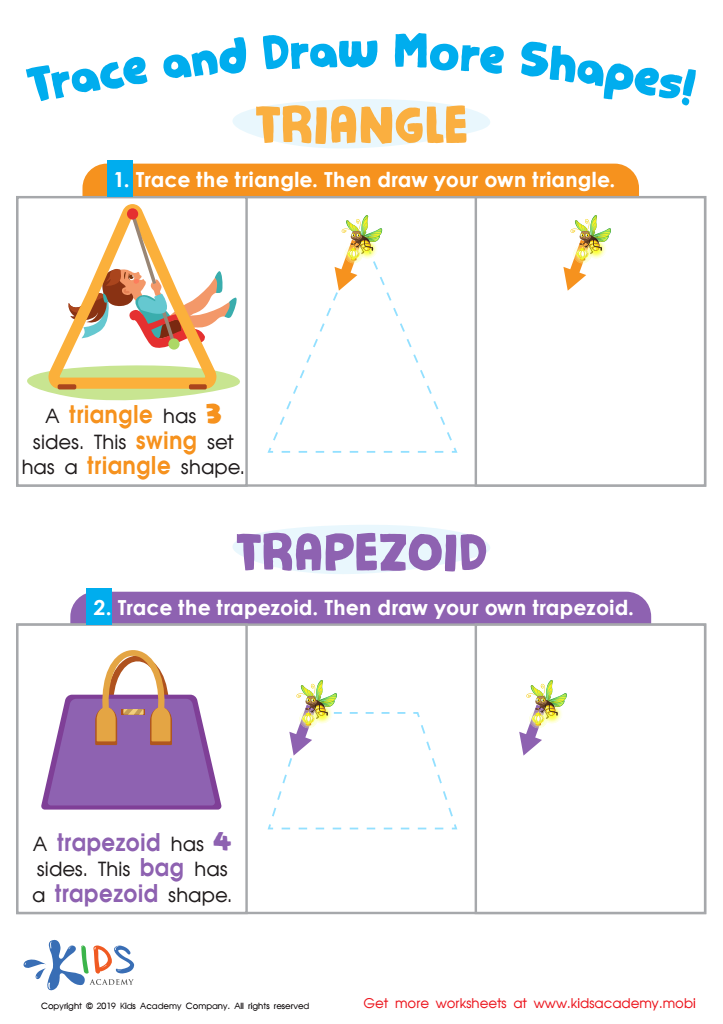
Trace and Draw More Shapes Worksheet

Trace and Draw More Shapes Worksheet

Help your kids with more learning! Look at images in the worksheet, read facts about the shapes, then help your kids trace and draw. This reinforces that learning is never done; use this simple worksheet to help your kids with school homework and more!
Trace and Draw More Shapes Worksheet
Worksheet
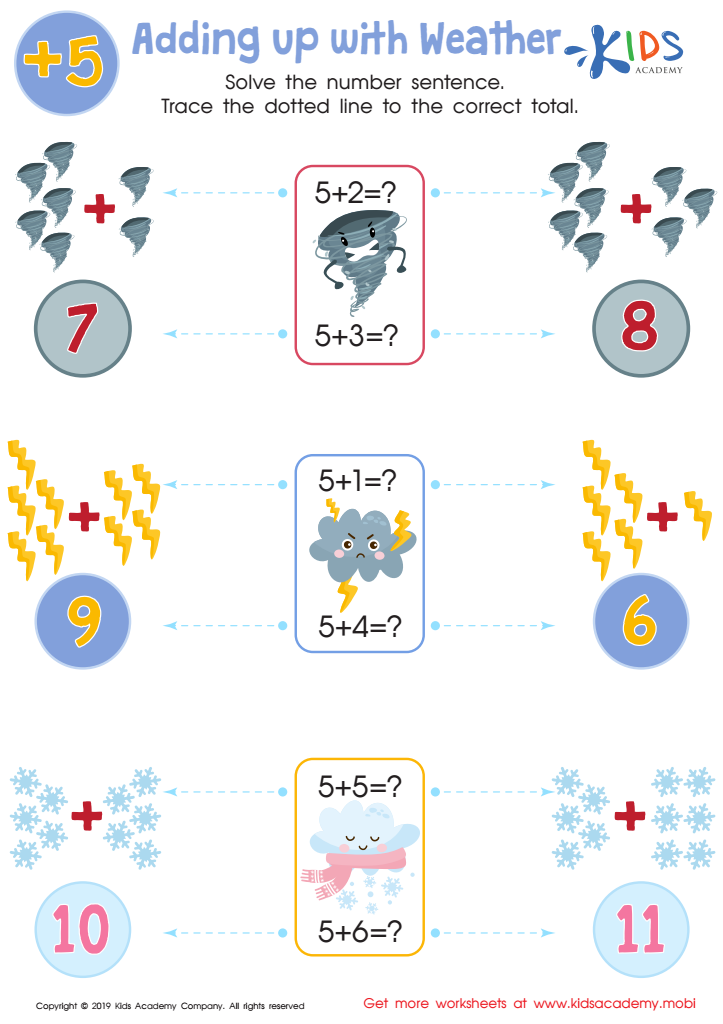
Adding up With Water Worksheet

Adding up With Water Worksheet

Ask your kids to name different kinds of weather and what it's like outside now. Then, help them solve the number sentences on the worksheet by tracing the dotted line to the correct total.
Adding up With Water Worksheet
Worksheet
Matching 3-2 Worksheet


Matching 3-2 Worksheet

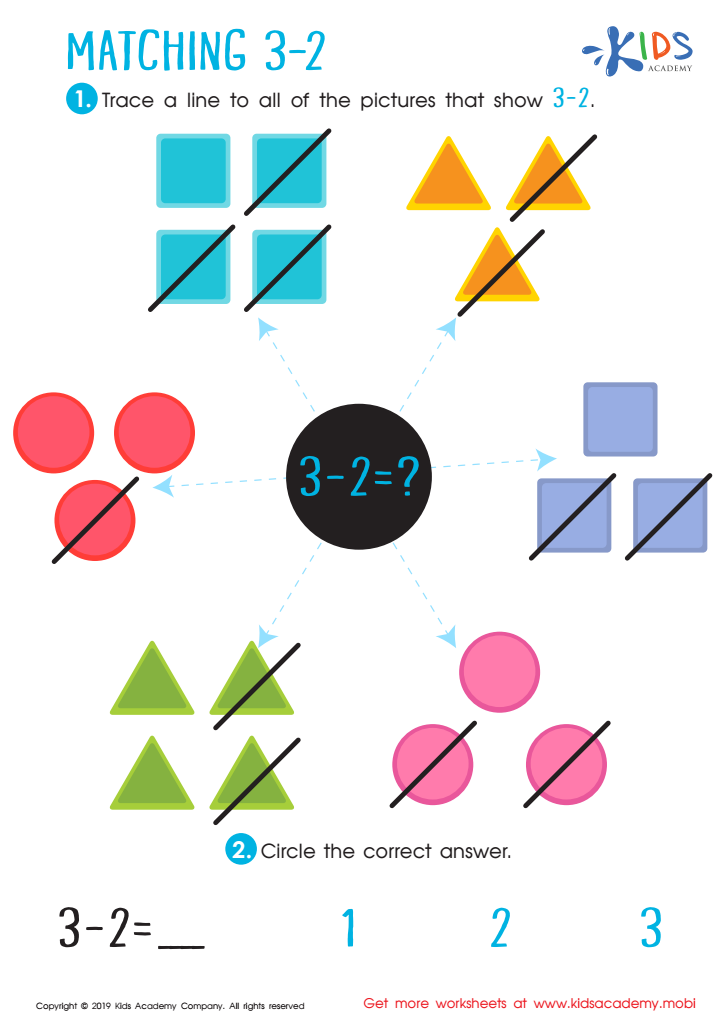
Subitizing is the ability to quickly identify sets of items without counting. It's a key skill for young learners to cultivate number sense. This worksheet takes it further, with 3-2=1 number sentences. Look at the sets of counters with slashes to decide which illustrate the sentence. Draw a line from the sentence in the middle to the right images to finish the page!
Matching 3-2 Worksheet
Worksheet
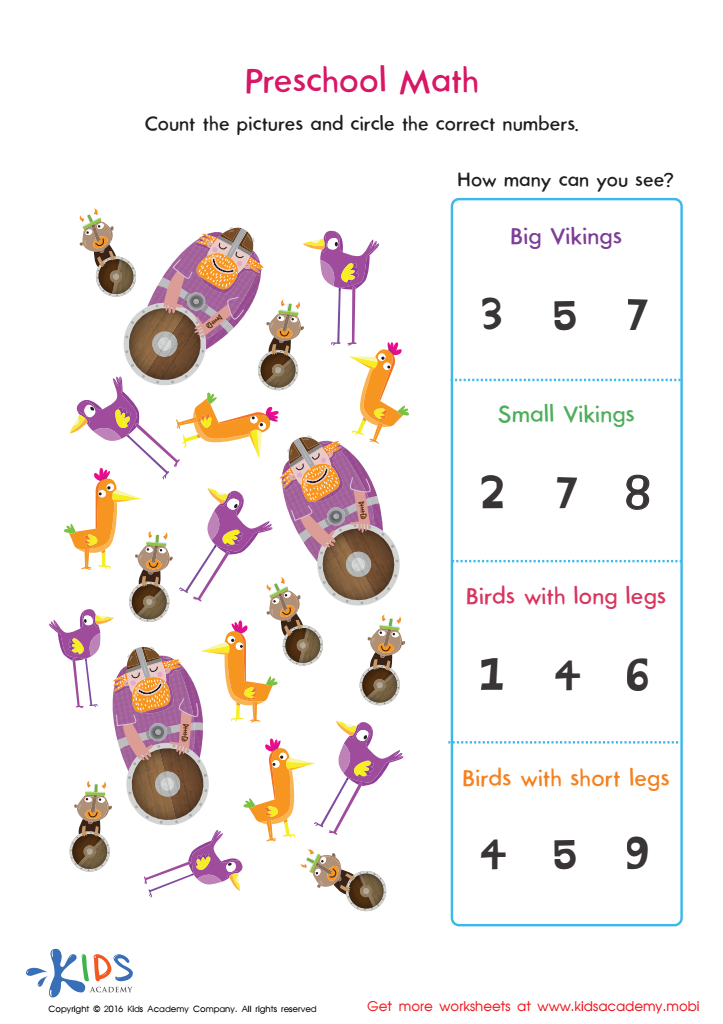
Printable Counting Worksheet for Preschool

Counting Worksheet: Preschool Math

Help your child practice counting and reading at the same time!
Counting Worksheet: Preschool Math
Worksheet


Hand-eye coordination is a crucial developmental skill that plays a vital role in a child's overall growth, especially for ages 3-4. During these formative years, children's brains are rapidly developing, and hand-eye coordination activities provide essential building blocks for future skills.

Engaging in these activities helps children strengthen the neural pathways between their visual and motor systems. This coordination is essential for everyday tasks such as tying shoelaces, buttoning clothes, and using utensils. Additionally, it sets the stage for learning to write, read, and participate in sports or musical activities.

Parents and teachers who focus on hand-eye coordination challenges can expect to see enhancements in a child's concentration and attention span. These activities require children to focus on a task, improving their ability to concentrate and follow through with activities—skills that are vital in both academic settings and daily life.

Moreover, fine motor skills are necessary for academic success. Children with well-developed hand-eye coordination are typically better at drawing, writing, and manipulating small objects, which can lead to more confidence and independence as they grow older.

Overall, emphasizing hand-eye coordination for children aged 3-4 not only aids in their physical development but also fosters cognitive, social, and emotional growth, making it an essential aspect of early childhood education.