Observational skills Extra Challenge Worksheets for Ages 3-4
3 filtered results
-
From - To
Boost your preschooler's observational skills with our "Observational Skills Extra Challenge Worksheets" for ages 3-4. Developed by educational experts, these engaging activities are designed to enhance focus, attention to detail, and critical thinking. Your child will enjoy exploring vibrant images, spotting differences, and solving fun puzzles, all while building a strong foundation for future learning. Perfect for parents and teachers seeking to support early cognitive development, these worksheets make learning both effective and enjoyable. Ready to turn observation into an exciting adventure? Download now and watch your child's skills flourish!
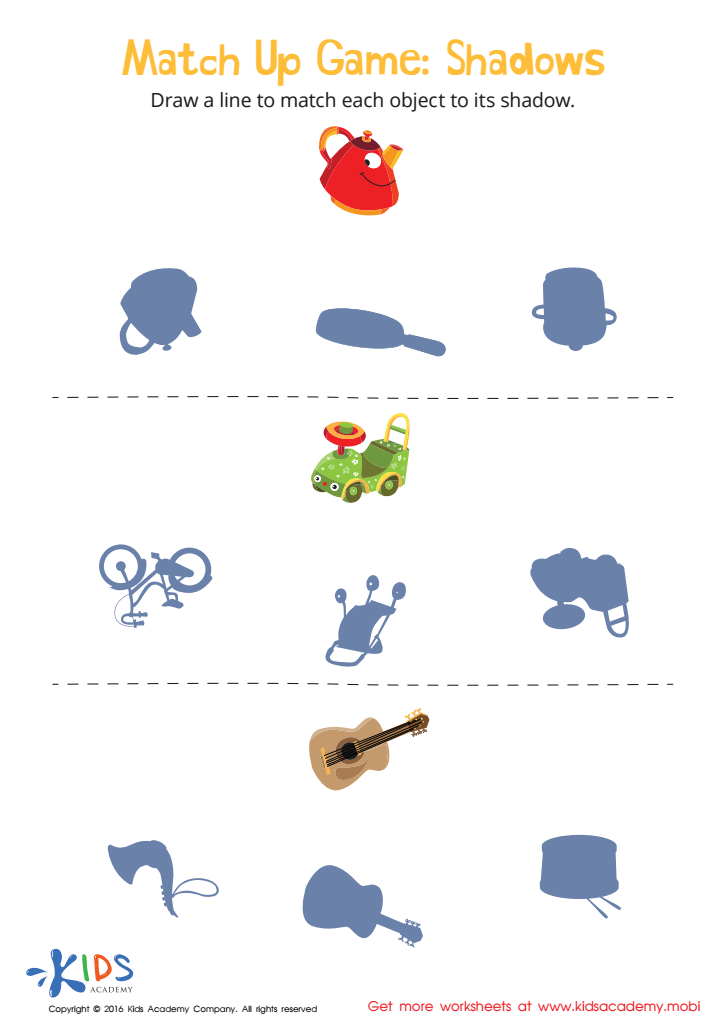
 Assign to My Students
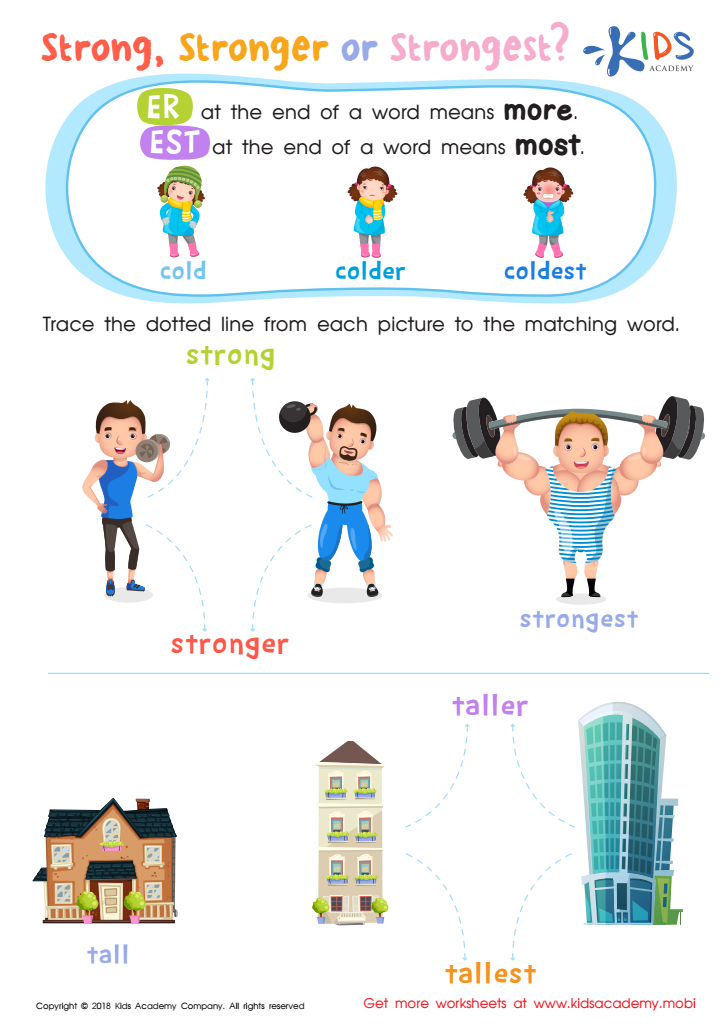
Strong or Stronger? Worksheet
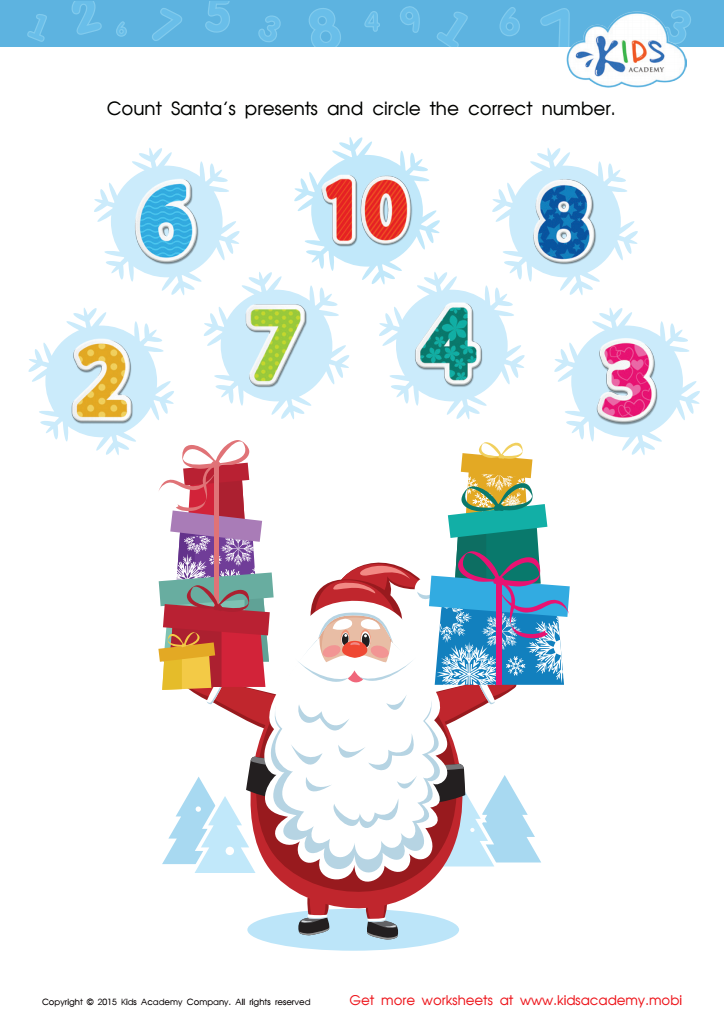
Count Santa's Presents Worksheet




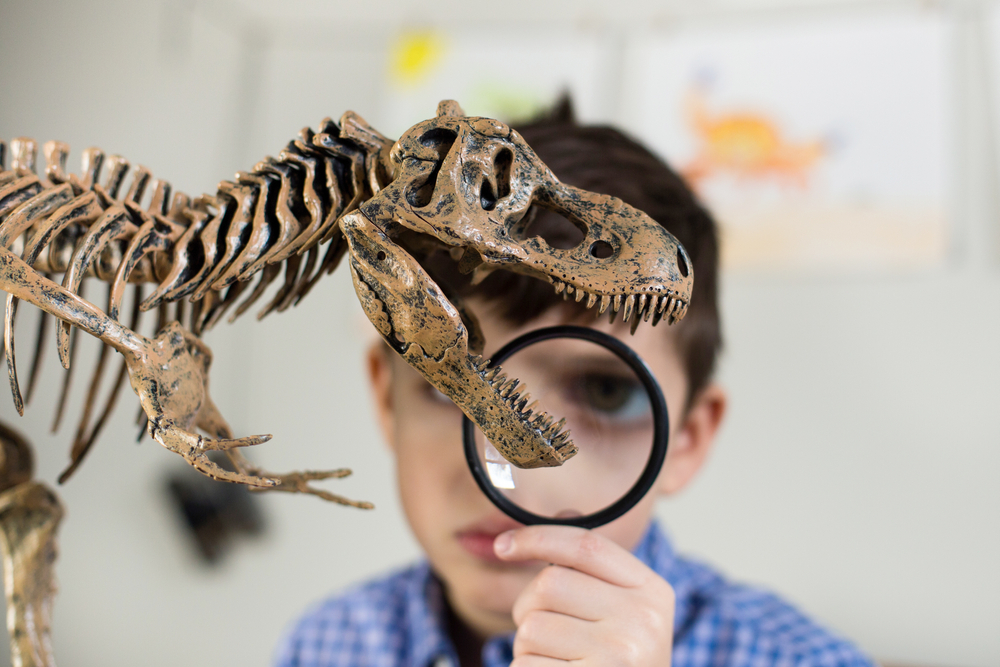
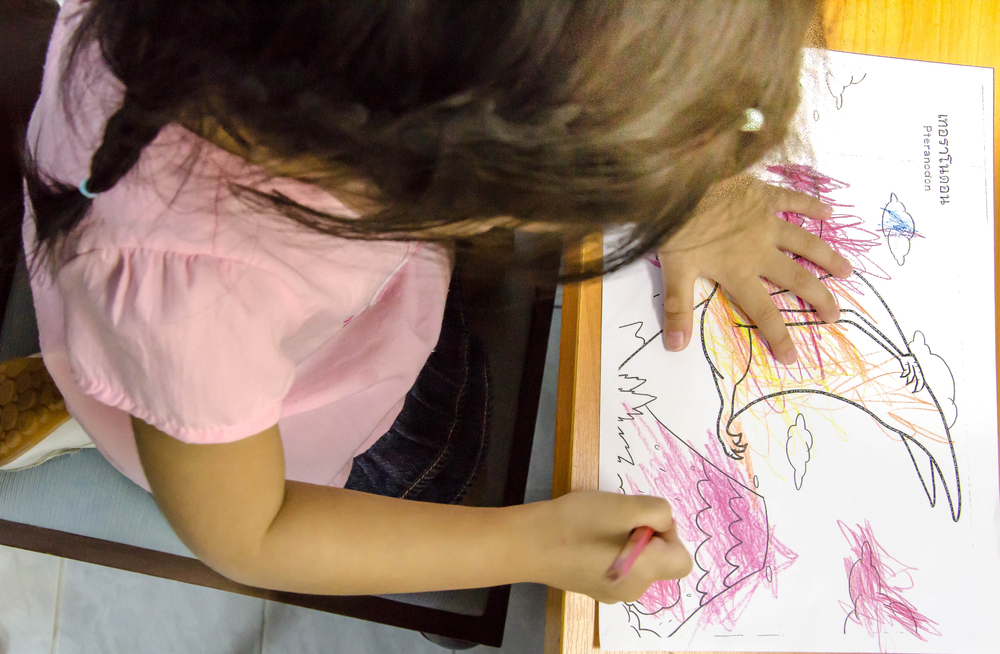

Observational skills are crucial for young children aged 3-4 as these formative years lay the foundation for future learning and development. Parents and teachers should care about enhancing these skills because they play a significant role in a child's cognitive growth. When children engage in observational activities, they learn to notice details, patterns, and differences in their environment, which sharpens their attention and concentration.
Fostering observational skills early on helps children develop critical thinking and problem-solving abilities. For instance, when a child observes and discusses different shapes, colors, and objects, they start to categorize and make connections, which is essential for mathematical thinking and language development. Furthermore, these skills enhance memory as children learn to recall and describe what they see, strengthening linguistic capabilities and broadening vocabulary.
Observational extra challenges are also beneficial in promoting curiosity and a love for learning. Through these activities, young children develop a habit of keen observation, making them more engaged and attentive learners. Socially, observational skills help children understand and interpret social cues, improving their interactions and empathy towards others.
In summary, nurturing observational skills through extra challenges equips children with invaluable tools that support their holistic development, making it imperative for parents and teachers to prioritize these activities in early childhood education.








