Understanding patterns Extra Challenge Worksheets for Ages 3-4
3 filtered results
-
From - To
Enhance your child's cognitive skills with our "Understanding Patterns Extra Challenge Worksheets" designed for ages 3-4. These engaging sheets introduce young learners to the exciting world of patterns, fostering critical thinking and problem-solving abilities. Featuring colorful visuals and fun activities, children will explore identifying, completing, and creating patterns using shapes, colors, and objects. Our worksheets promote hands-on learning, encouraging children to think creatively while reinforcing essential math concepts. Perfect for at-home practice or classroom use, these extra challenges are tailored to keep your little ones entertained while expanding their understanding of patterns. Unlock their potential today with our interactive resources!
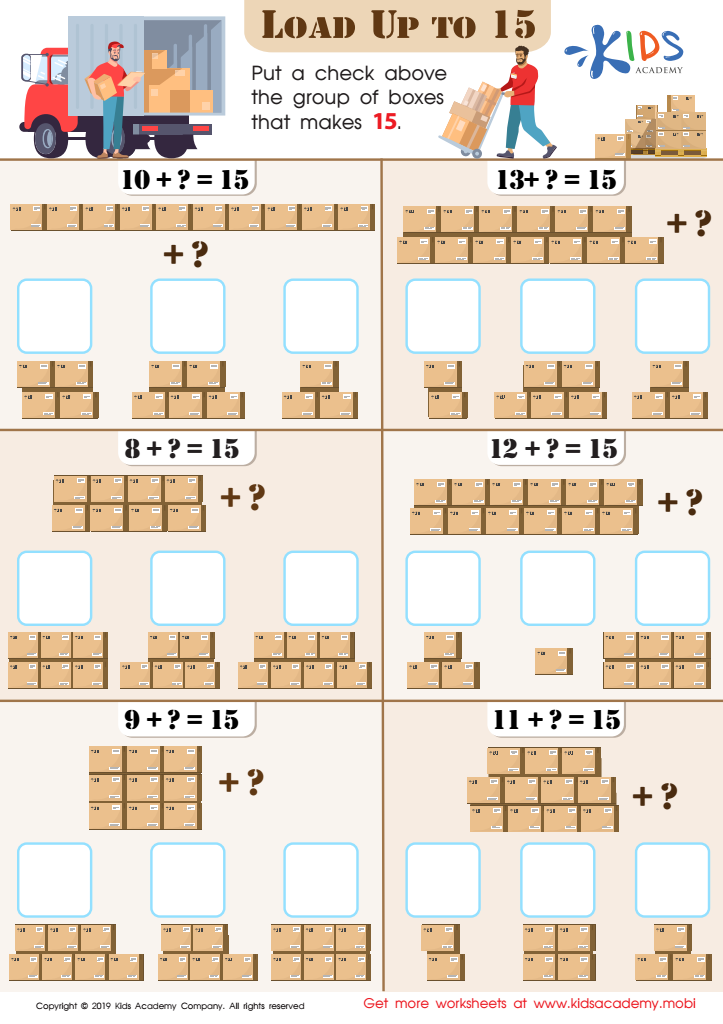
Load up to 15 Worksheet
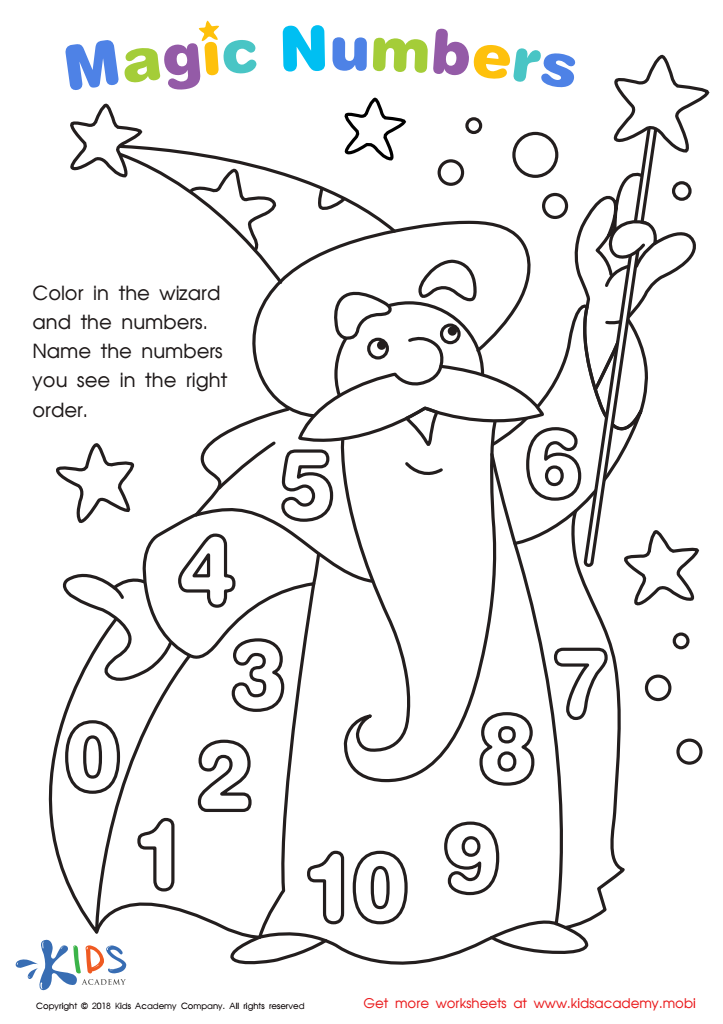
Magic Numbers Worksheet
 Assign to My Students
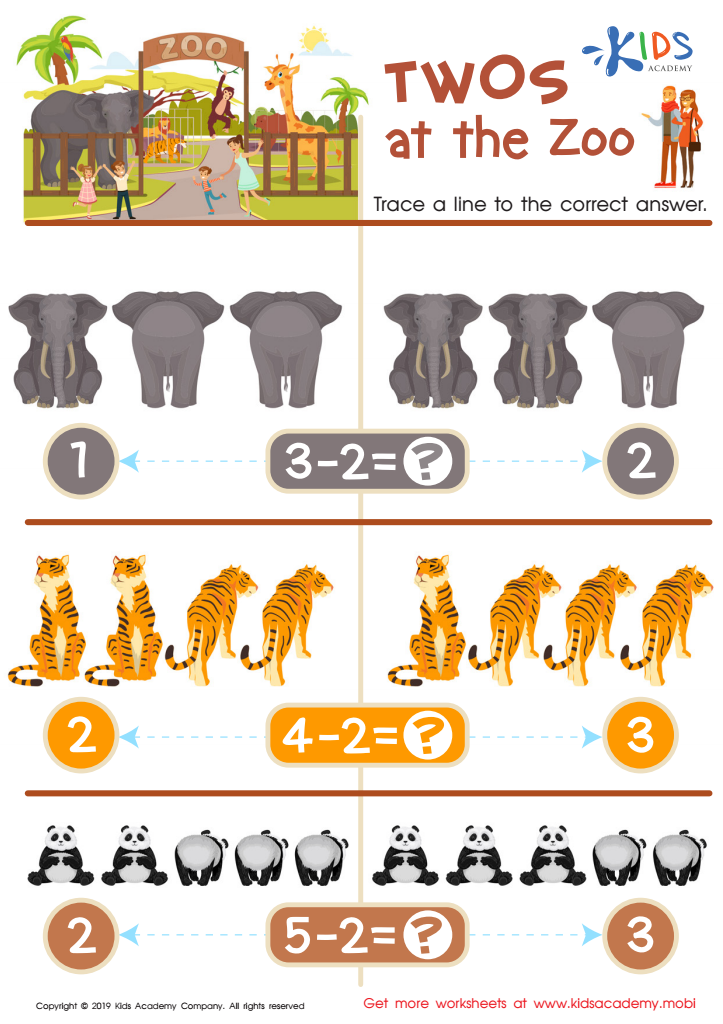
Twos at the Zoo Worksheet







Understanding patterns is a fundamental cognitive skill that plays a crucial role in early childhood development, especially for children aged 3-4. For parents and teachers, cultivating an appreciation for patterns deepens children's mathematical thinking and enhances problem-solving skills in a broader context.
Children at this age are naturally curious and eager to make sense of the world; patterns provide a structured way to organize their experiences. When parents or teachers introduce extra challenges related to patterns, such as matching sequences, shapes, or sounds, they actively engage children in critical thinking. This not only strengthens their reasoning abilities but also boosts spatial awareness and observation skills.
Moreover, recognizing patterns in daily life helps children make predictions and understand relationships, essential components of science and mathematics. Engaging in these activities promotes early numeracy skills, which are vital for academic success. Additionally, pattern recognition fosters creativity, as children begin to see connections in art and music, enhancing their overall learning experience.
Ultimately, by prioritizing understanding patterns, parents and teachers lay a strong foundation for lifelong learning, equipping young children with the cognitive tools they need to navigate an increasingly complex world. Building this skill through playful challenges will have lasting benefits in their education journey.








